OutfitAI
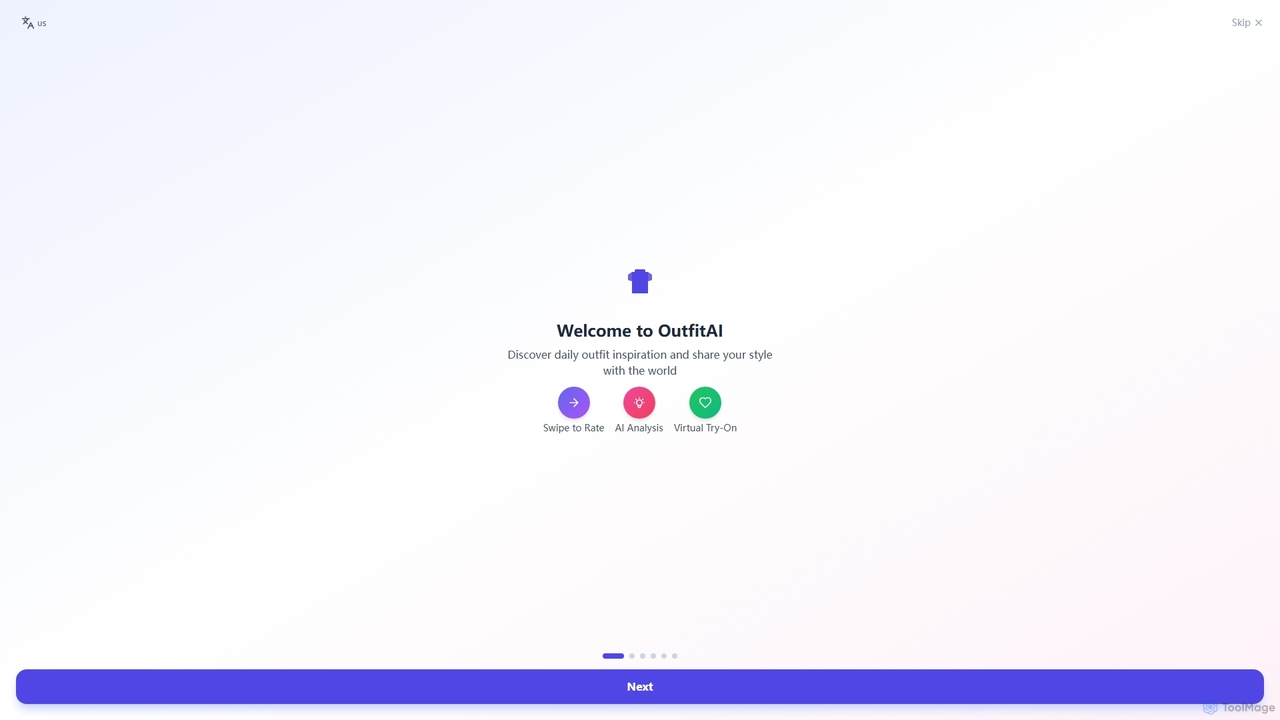
OutfitAI is a free AI-powered fashion app that provides daily outfit inspiration, virtual try-on capabilities, and intelligent style …
OutfitAI is a free AI-powered fashion app that provides daily outfit inspiration, virtual try-on capabilities, and intelligent style analysis. Discover new looks, rate outfits, and seamlessly share your unique fashion journey with a global community.
OutfitCheck
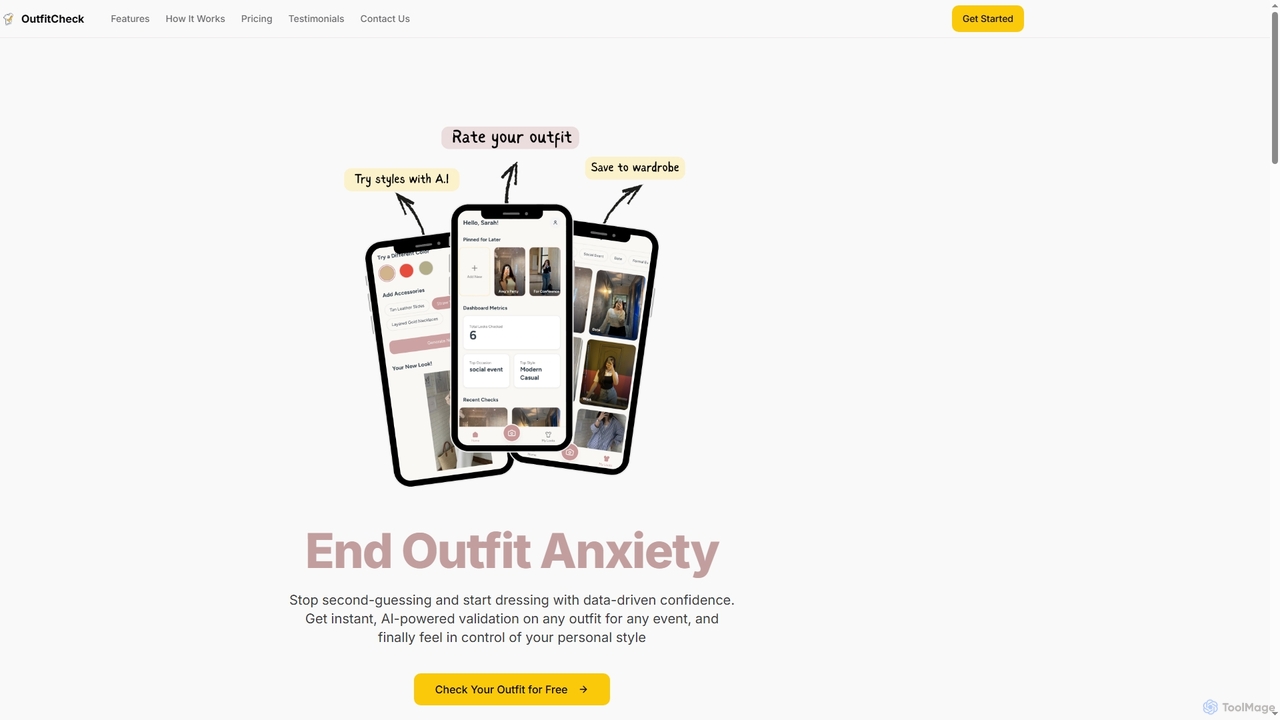
OutfitCheck is an AI-powered personal styling app designed to eliminate outfit anxiety and boost confidence. Users can upload …
OutfitCheck is an AI-powered personal styling app designed to eliminate outfit anxiety and boost confidence. Users can upload a photo of their attire to receive instant, data-driven feedback, including a style score, occasion match, and ratings for confidence and noticeability. It offers virtual try-ons for accessories and colors, a personalized lookbook, and a virtual wardrobe to help users plan outfits and refine their personal style with certainty.
Bespoke AI Stylist
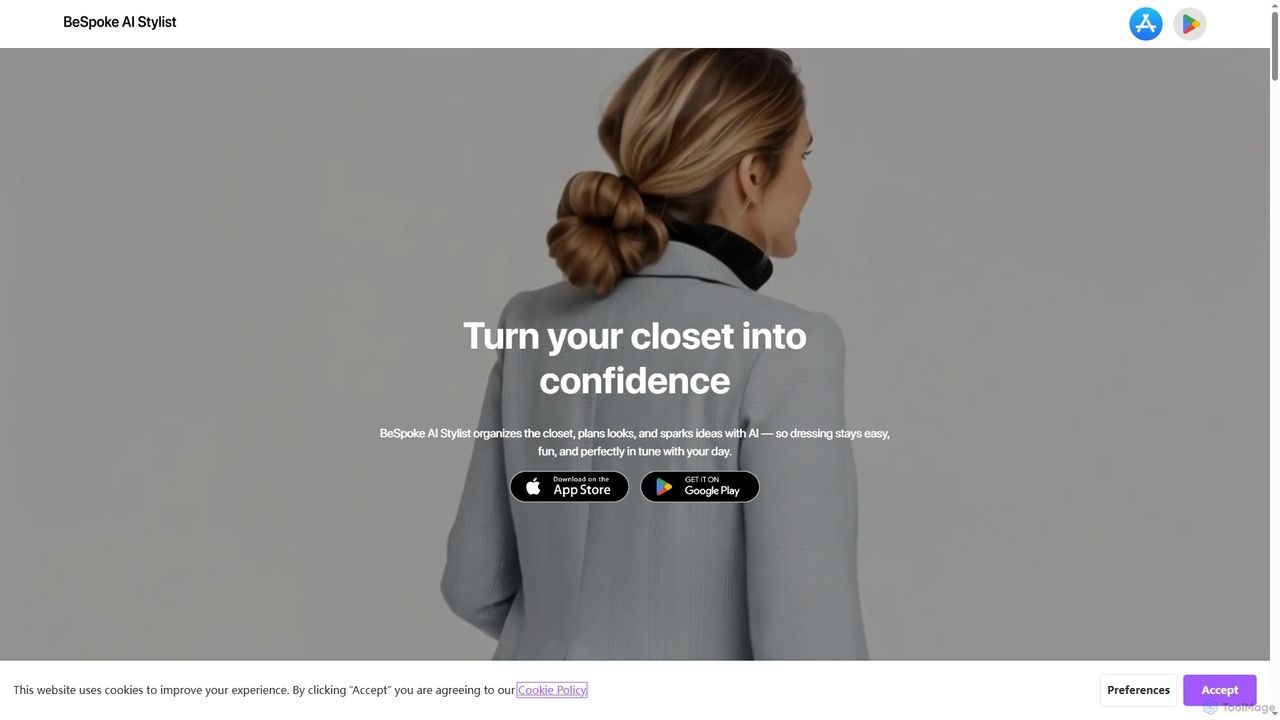
Bespoke AI Stylist is an AI-powered mobile application designed to transform your wardrobe into a source of daily …
Bespoke AI Stylist is an AI-powered mobile application designed to transform your wardrobe into a source of daily confidence. It offers digital closet management, personalized outfit recommendations, trend discovery, and smart shopping assistance, all driven by advanced artificial intelligence to promote sustainable fashion choices.
Beautyai
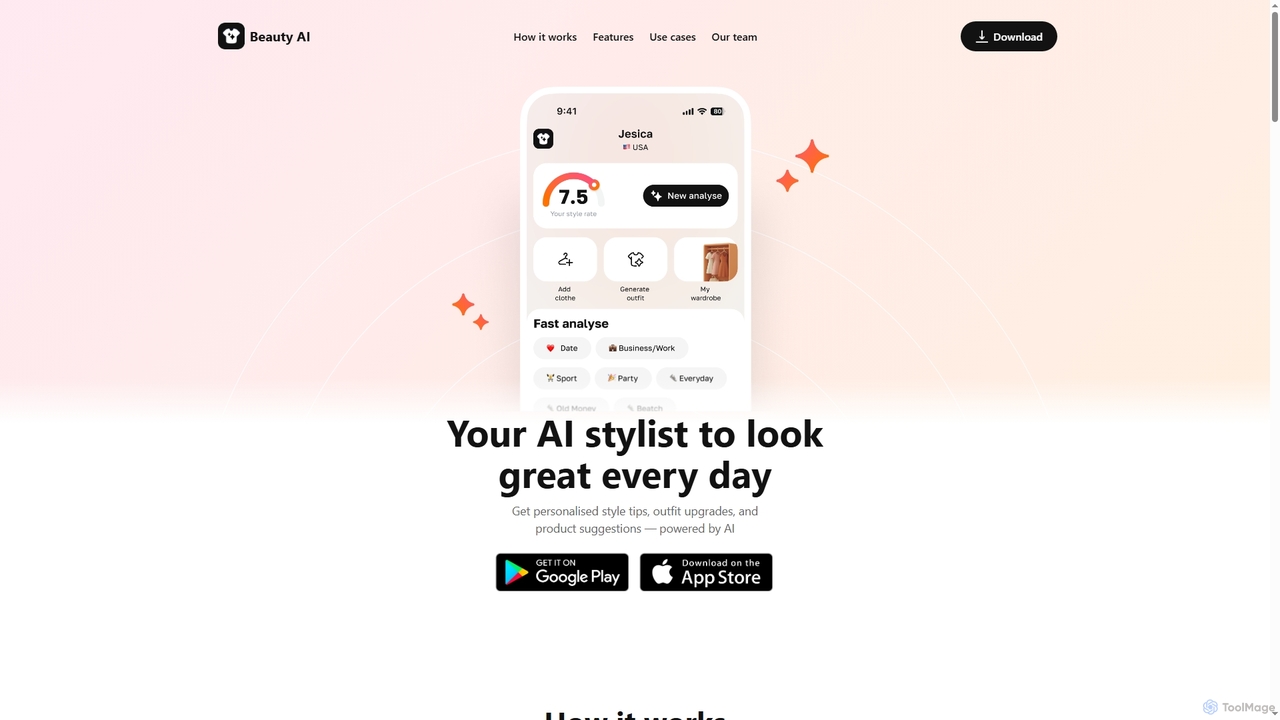
Beautyai is an AI-powered personal stylist and outfit generator designed to enhance your daily look. It provides instant …
Beautyai is an AI-powered personal stylist and outfit generator designed to enhance your daily look. It provides instant feedback on your outfits, personalized style tips, and product suggestions. With its Beauty Lens feature, you can find and shop for similar clothing items on Amazon simply by uploading a photo.

Gensmo
Gensmo is your personal AI fashion agent, designed to revolutionize how you discover and shop for clothing. It …
Gensmo is your personal AI fashion agent, designed to revolutionize how you discover and shop for clothing. It offers personalized style recommendations, a virtual try-on feature with a custom avatar, and the ability to find and purchase complete outfits, making fashion accessible and fun.
Atricent
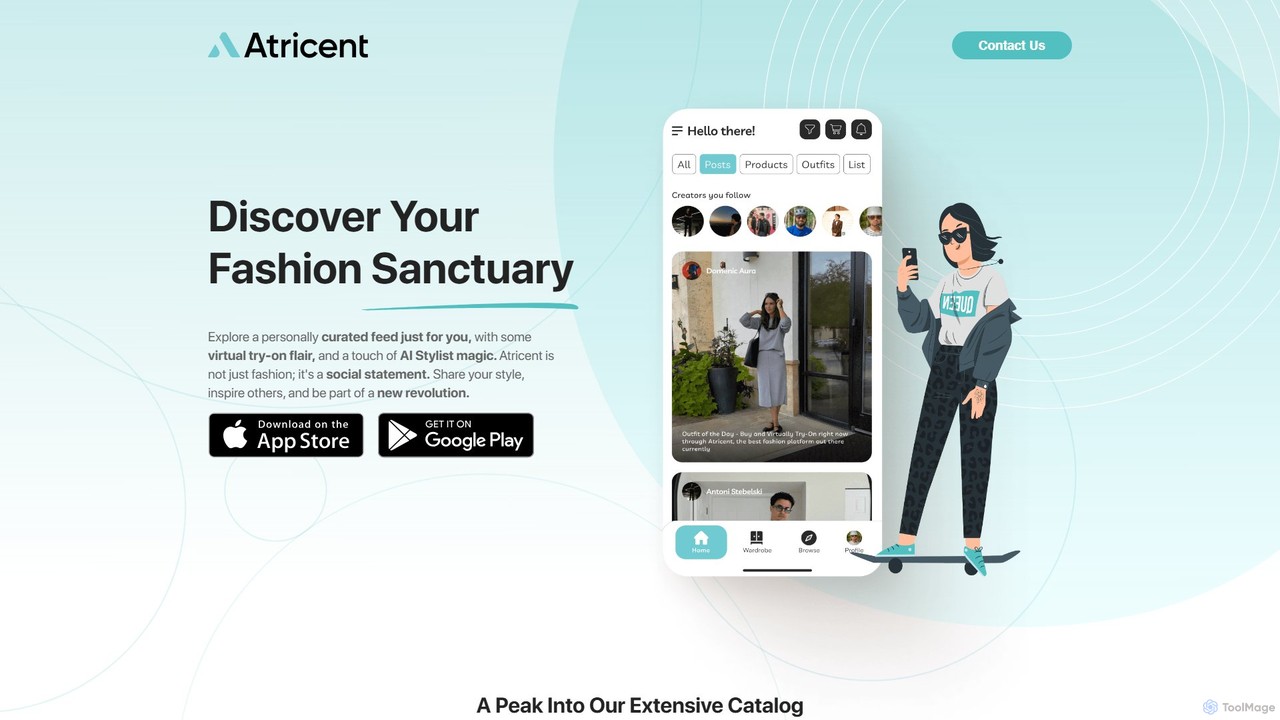
Atricent is an AI-powered personal stylist and social fashion platform. It offers a personalized feed, virtual try-on, AI-generated …
Atricent is an AI-powered personal stylist and social fashion platform. It offers a personalized feed, virtual try-on, AI-generated outfit suggestions, and a digital wardrobe to help users discover their unique style, make confident shopping decisions, and connect with a fashion-forward community.
About Fashion
AI Fashion tools are a class of applications that leverage artificial intelligence to innovate across the entire fashion lifecycle, from design and manufacturing to retail and personalization. These tools utilize technologies like generative AI to create novel apparel designs, computer vision for virtual try-ons, and predictive analytics to forecast market trends. They empower brands to accelerate creative workflows, optimize supply chains, and deliver highly personalized shopping experiences. By analyzing vast datasets, AI fashion platforms help reduce waste and align production with real-time consumer demand.
Core Features
- Generative Design: Creates unique clothing patterns, textures, and full garment concepts from text or image prompts.
- Virtual Try-On (VTO): Allows customers to visualize how clothing fits and looks on a digital avatar or their own body via augmented reality.
- Trend Forecasting: Analyzes data from social media, runways, and e-commerce to predict upcoming styles, colors, and materials.
- Personalized Recommendations: Suggests products and outfits to shoppers based on their style preferences, purchase history, and browsing behavior.
- Supply Chain Optimization: Uses demand forecasting and inventory analysis to streamline production and reduce overstock.
Use Cases
AI Fashion tools are used by fashion designers for rapid ideation, e-commerce brands to enhance online shopping with virtual fitting rooms, and merchandisers to make data-driven buying decisions. Marketing teams also use them to create personalized campaigns that increase customer engagement and sales.
How to Choose
When selecting an AI Fashion tool, first identify your primary goal: creative design, e-commerce conversion, or operational efficiency. Evaluate its integration capabilities with your existing platforms, such as Shopify or Adobe Creative Suite. For forecasting tools, assess the accuracy and data sources of their models. Finally, consider the user interface to ensure it matches your team's technical skill level.
FashionUse Cases
Virtual Try-On for E-commerce Stores
An e-commerce manager aims to reduce high return rates caused by improper fit. By integrating a Virtual Try-On (VTO) tool on product pages, customers can upload a photo or use their live camera to see a realistic preview of how a garment looks on their body shape. This AI-powered visualization significantly boosts buyer confidence. The result is a measurable decrease in returns, an increase in conversion rates, and an enhanced, interactive shopping experience that sets the brand apart from competitors.
AI-Generated Apparel Design Concepts
A fashion designer facing a creative block needs to brainstorm concepts for a new collection. Using a generative AI tool, they input text prompts like 'futuristic streetwear jacket with iridescent fabric and asymmetrical zippers.' The AI generates dozens of unique visual concepts in minutes, exploring different silhouettes, patterns, and colorways. This process dramatically accelerates ideation, allowing the designer to bypass hours of manual sketching and quickly create a mood board with novel, commercially viable ideas for further development.
Predicting Fashion Trends with Data Analysis
A fashion buyer for a major retailer needs to decide which styles to invest in for the next season. They use an AI trend forecasting platform that analyzes millions of data points from social media, runway shows, and online publications. The platform identifies emerging micro-trends, such as a specific shade of green or the return of a certain sleeve style, long before they become mainstream. This data-driven insight allows the buyer to make more accurate purchasing decisions, reducing the risk of overstocking unpopular items and maximizing profitability.
Personalized Styling for Online Shoppers
A digital marketer for a fashion brand wants to increase customer engagement and average order value. They implement an AI recommendation engine on their website. The engine analyzes a customer's real-time browsing behavior, purchase history, and style preferences to create personalized 'Styled for You' sections. It suggests complementary items to complete an outfit, leading to effective upselling and cross-selling. This results in a more engaging shopping journey, higher customer loyalty, and a significant lift in revenue per visitor.
Automated Product Tagging for Catalogs
An e-commerce operations specialist is tasked with managing a catalog of thousands of new clothing items each month. Manually tagging each product with attributes like 'v-neck,' 'floral print,' and 'cotton' is time-consuming and prone to error. By using an AI tool with computer vision, product images are automatically scanned to generate accurate and consistent tags. This automation saves hundreds of hours of manual labor, improves the accuracy of on-site search filters, and enhances the customer's product discovery experience, leading to better navigation and sales.
Optimizing Inventory with Demand Forecasting
A supply chain manager for a fashion brand struggles with stockouts of popular items and overstock of slow-movers. They implement an AI platform that analyzes historical sales data, seasonality, social media trends, and macroeconomic factors to predict demand for each product. The system provides accurate forecasts, enabling the manager to optimize production runs and inventory levels across warehouses. This leads to improved capital efficiency, reduced holding costs, and higher customer satisfaction by ensuring popular products are consistently in stock.