ToolMage
Sign in

Best 3 Style Assistant for Fashion

Popular Style Assistant in Fashion include outfitchanger, TryOnHub.AI, and OutfitCheck, helping you work more efficiently.

OutfitCheck
Freemium

OutfitCheck

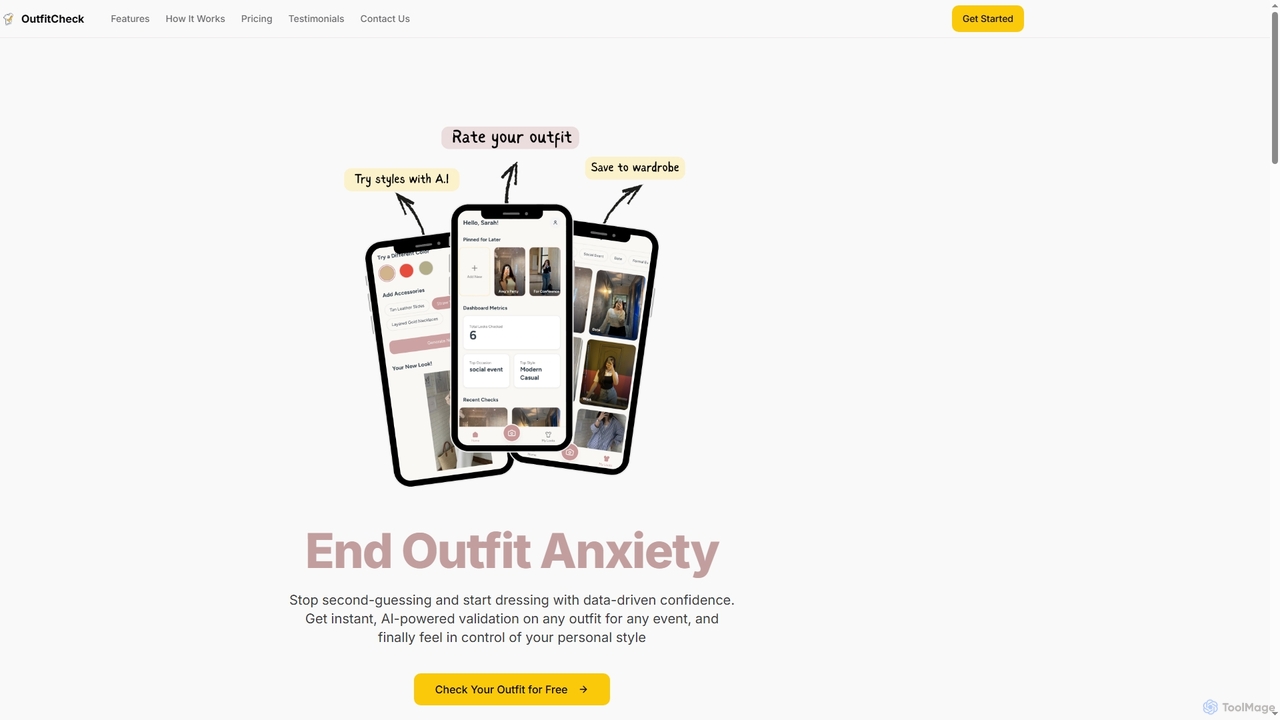
OutfitCheck is an AI-powered personal styling app designed to eliminate outfit anxiety and boost confidence. Users can upload a photo of their attire to receive instant, data-driven feedback, including a style score, occasion match, and ratings for confidence and noticeability. It offers virtual try-ons for accessories and colors, a personalized lookbook, and a virtual wardrobe to help users plan outfits and refine their personal style with certainty.

Style Assistant
Visits 5.8KFavorites 97Likes 91
TryOnHub.AI
Freemium

TryOnHub.AI

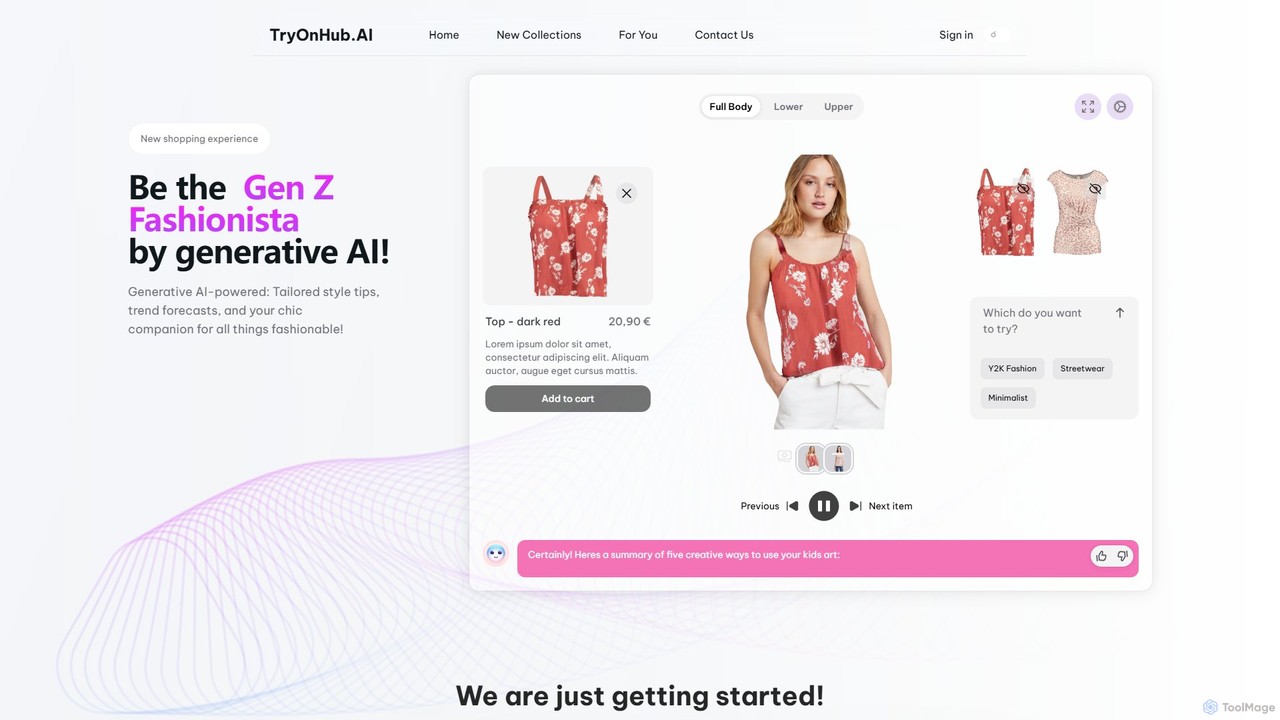
TryOnHub.AI is a generative AI-powered fashion studio that offers a revolutionary virtual try-on experience. Users can upload their photo and a clothing item's image to see how it looks on them instantly. It provides personalized outfit recommendations, style tips, and interactive garment customization, transforming the online shopping journey for both consumers and e-commerce businesses.

Virtual Try On
Visits 5.8KFavorites 139Likes 135
outfitchanger
Freemium

outfitchanger

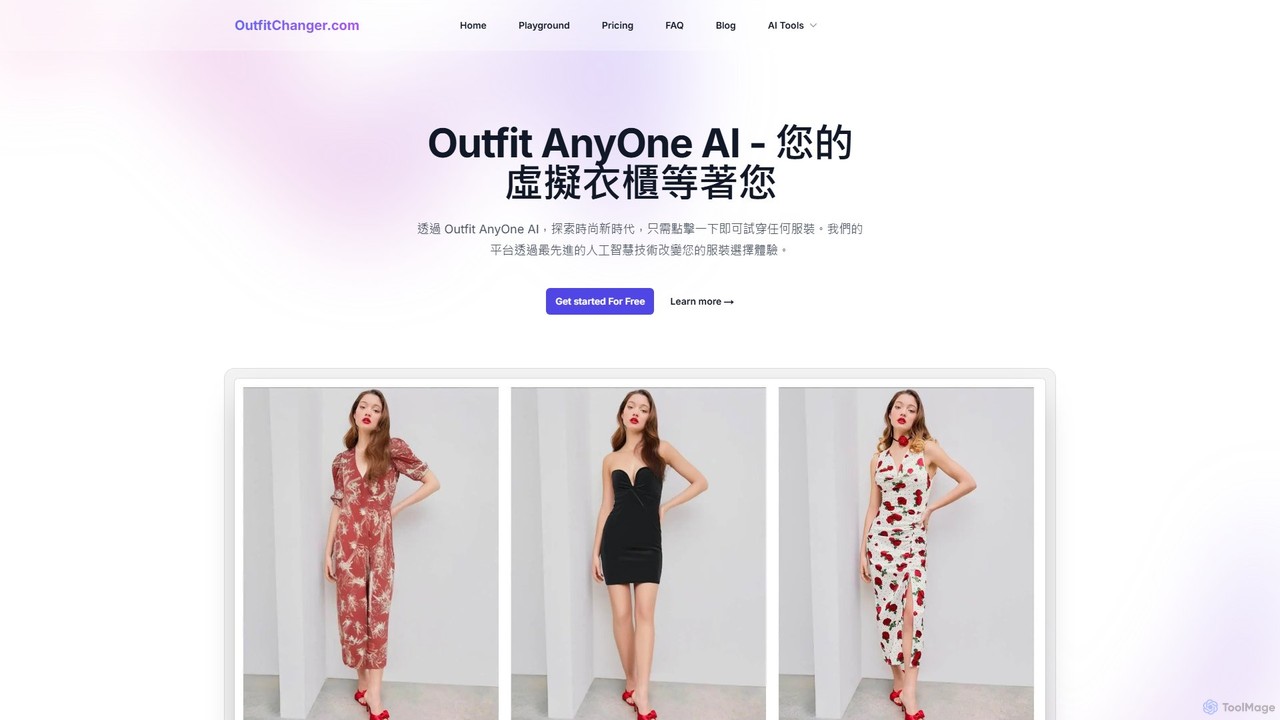
outfitchanger is an AI-powered virtual try-on tool that allows users to realistically see themselves or any model in different outfits. Simply upload a person's photo and a garment image to generate high-fidelity results, supporting various body types, clothing styles, and even anime characters.

Retail Tech
Visits 13.3KFavorites 149Likes 127

About Style Assistant

Style Assistant tools are AI-powered platforms designed to provide personalized fashion advice, outfit recommendations, and virtual try-on experiences. Leveraging advanced computer vision and machine learning, these tools analyze user preferences, body types, and current trends to suggest suitable apparel and accessories. They empower individuals to make informed style choices, streamline wardrobe planning, and explore new fashion possibilities with ease.

Core Features

  • Personalized Outfit Generation: Suggests complete outfits based on user input, existing wardrobe, and occasion.
  • Virtual Try-On: Allows users to digitally "wear" clothing items to visualize how they look before purchase.
  • Trend Analysis & Forecasting: Identifies emerging fashion trends and predicts future popular styles.
  • Wardrobe Management: Helps organize existing clothing, suggests new combinations, and identifies gaps.
  • Body Shape & Color Analysis: Provides tailored recommendations based on individual physical attributes.

Use Cases

Individuals seeking to refine their personal style, fashion enthusiasts exploring new looks, and shoppers looking for efficient ways to visualize purchases benefit greatly. These tools are also valuable for fashion retailers offering enhanced customer experiences and for stylists providing remote consultations.

How to Choose

When selecting a Style Assistant tool, consider the breadth of its recommendation engine, the accuracy and realism of its virtual try-on feature, and its integration capabilities with e-commerce platforms. Evaluate the personalization depth, the variety of styles and brands supported, and the user interface's intuitiveness for a seamless experience.

Style Assistant use cases

1

Curate Daily Outfits for Personal Use

An individual looking to simplify their morning routine can use a Style Assistant to generate daily outfit ideas. By inputting their existing wardrobe items and desired occasion (e.g., office, casual), the AI suggests coordinated looks, saving time and ensuring a polished appearance without repetitive choices. This helps users maximize their clothing versatility and discover new combinations.

2

Virtual Try-On for Online Shopping

Online shoppers can leverage Style Assistant tools with virtual try-on capabilities to visualize how garments fit and look on their body shape before making a purchase. Uploading a personal photo or using a 3D avatar allows users to see clothing from various angles, reducing returns and increasing confidence in their online fashion choices. This bridges the gap between online browsing and physical fitting rooms.

3

Professional Wardrobe Planning & Management

A professional seeking to build a cohesive and functional wardrobe can utilize a Style Assistant for strategic planning. The tool analyzes existing garments, identifies missing staples, and suggests new purchases that complement current pieces and align with career needs. This ensures a versatile wardrobe that supports various professional settings and personal branding goals.

4

Fashion Trend Exploration for Content Creators

Fashion bloggers and social media influencers can use Style Assistant tools to stay ahead of trends and generate fresh content ideas. The AI analyzes current and emerging fashion trends, suggesting how to incorporate them into personal style or create unique looks. This provides inspiration for posts, videos, and collaborations, keeping their content relevant and engaging for their audience.

5

Personalized Style Advice for Special Occasions

Someone preparing for a wedding, gala, or important event can consult a Style Assistant for tailored advice. By specifying the event type, dress code, and personal preferences, the tool recommends appropriate attire, accessories, and even hair/makeup suggestions. This ensures the user feels confident and appropriately dressed for any significant occasion.

6

Retailer-Enhanced Customer Experience

Fashion retailers can integrate Style Assistant AI into their e-commerce platforms to offer a personalized shopping experience. Customers receive real-time outfit recommendations based on their browsing history, past purchases, and stated preferences. This not only boosts customer engagement and satisfaction but also helps increase conversion rates and average order value by suggesting complementary items.

Style Assistant FAQ

What are AI Style Assistant tools?

AI Style Assistant tools are software applications that use artificial intelligence to offer personalized fashion and styling guidance. They analyze various data points, such as user preferences, body measurements, current fashion trends, and existing wardrobe items, to provide tailored outfit suggestions, virtual try-ons, and style advice. Their primary goal is to simplify fashion decision-making and enhance personal style.

How do AI Style Assistants differ from traditional fashion advice?

Unlike traditional fashion advice, which often relies on human stylists or general trend articles, AI Style Assistants offer highly personalized and data-driven recommendations. They can process vast amounts of information quickly, adapt to individual user data in real-time, and provide virtual try-on capabilities that human stylists cannot. This makes the advice more objective, scalable, and accessible.

What features should I look for in a Style Assistant tool?

When choosing a Style Assistant, prioritize tools with robust personalized recommendation engines that consider your unique attributes and preferences. Look for accurate virtual try-on functionality, comprehensive wardrobe management features, and the ability to analyze current fashion trends. User-friendliness, integration with shopping platforms, and privacy controls for personal data are also crucial considerations.

Can Style Assistant AI help me manage my existing wardrobe?

Yes, many AI Style Assistant tools offer advanced wardrobe management features. They allow users to digitize their existing clothing items, categorize them, and then generate new outfit combinations using only what they already own. Some tools can even identify gaps in your wardrobe or suggest items to purchase that would complement your current collection, helping you maximize your existing pieces.

Who benefits most from using an AI Style Assistant?

AI Style Assistants are beneficial for a wide range of users. Individuals who struggle with daily outfit choices, those looking to refine their personal style, or shoppers seeking to make more informed purchasing decisions will find them invaluable. Fashion enthusiasts, content creators needing trend insights, and even retailers aiming to enhance customer experience through personalized recommendations also benefit significantly.