Metamodels
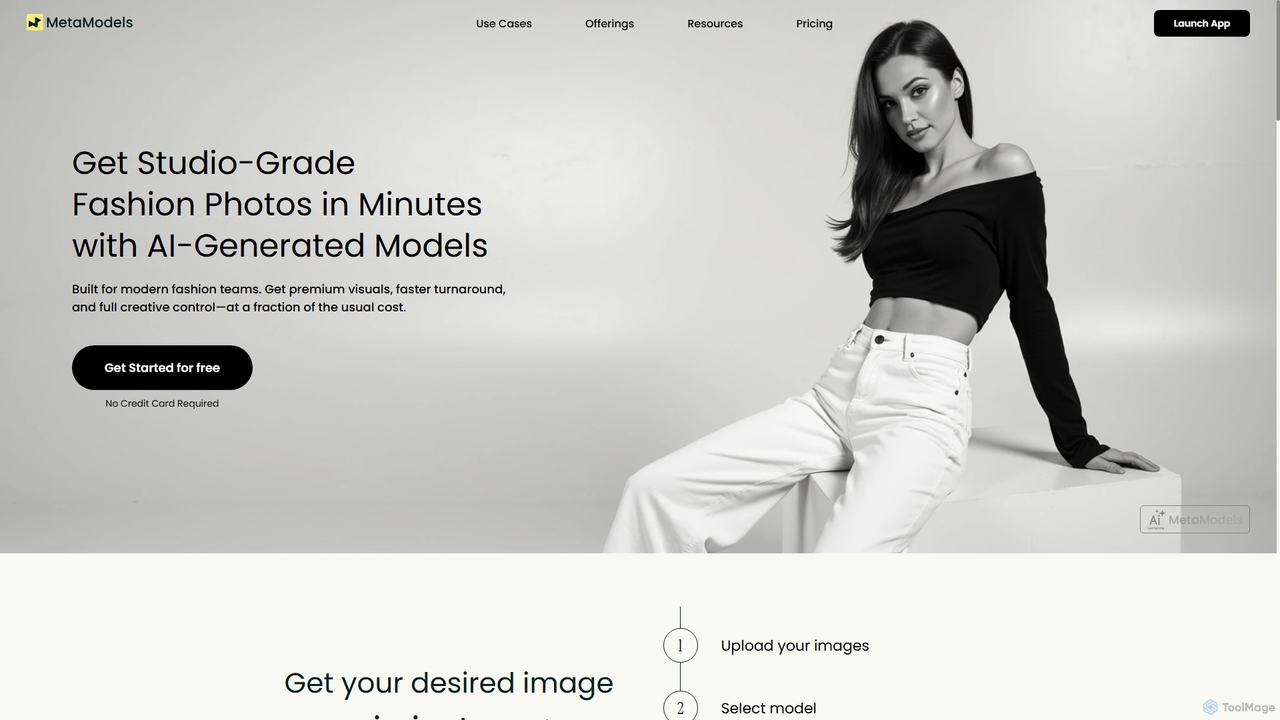
Metamodels is an AI-powered platform for fashion brands to create studio-quality product photos without traditional photoshoots. By uploading …
Metamodels is an AI-powered platform for fashion brands to create studio-quality product photos without traditional photoshoots. By uploading garment images, users can generate high-resolution visuals featuring a diverse range of over 1000 AI-generated models. This streamlines content production, significantly reduces costs, accelerates time-to-market, and enhances creative control, making it ideal for modern e-commerce and marketing teams.
Metail
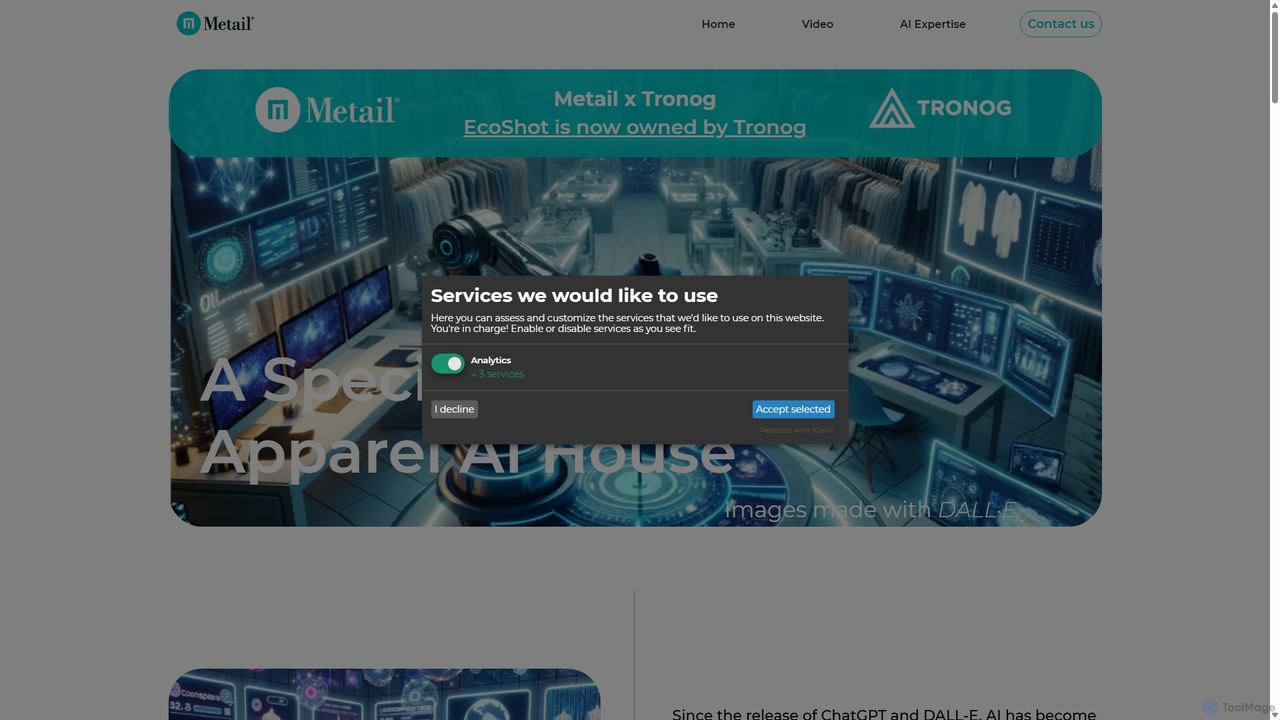
Metail is a specialist Apparel AI House that provides advanced solutions for the fashion industry. It leverages computer …
Metail is a specialist Apparel AI House that provides advanced solutions for the fashion industry. It leverages computer vision and generative AI to create virtual photography with AI models (EcoShot), accurate 3D body scanning, and manufacturing analytics, helping brands accelerate design, marketing, and production.
Bohita
Bohita is an AI platform that transforms your imagination into reality. Create unique, custom-designed apparel like t-shirts and …
Bohita is an AI platform that transforms your imagination into reality. Create unique, custom-designed apparel like t-shirts and hoodies from text prompts, or turn your photos into enchanting Ghibli-style animated movies. It's a seamless way to express your individuality through fashion and digital art.
AI Shopping Assistant
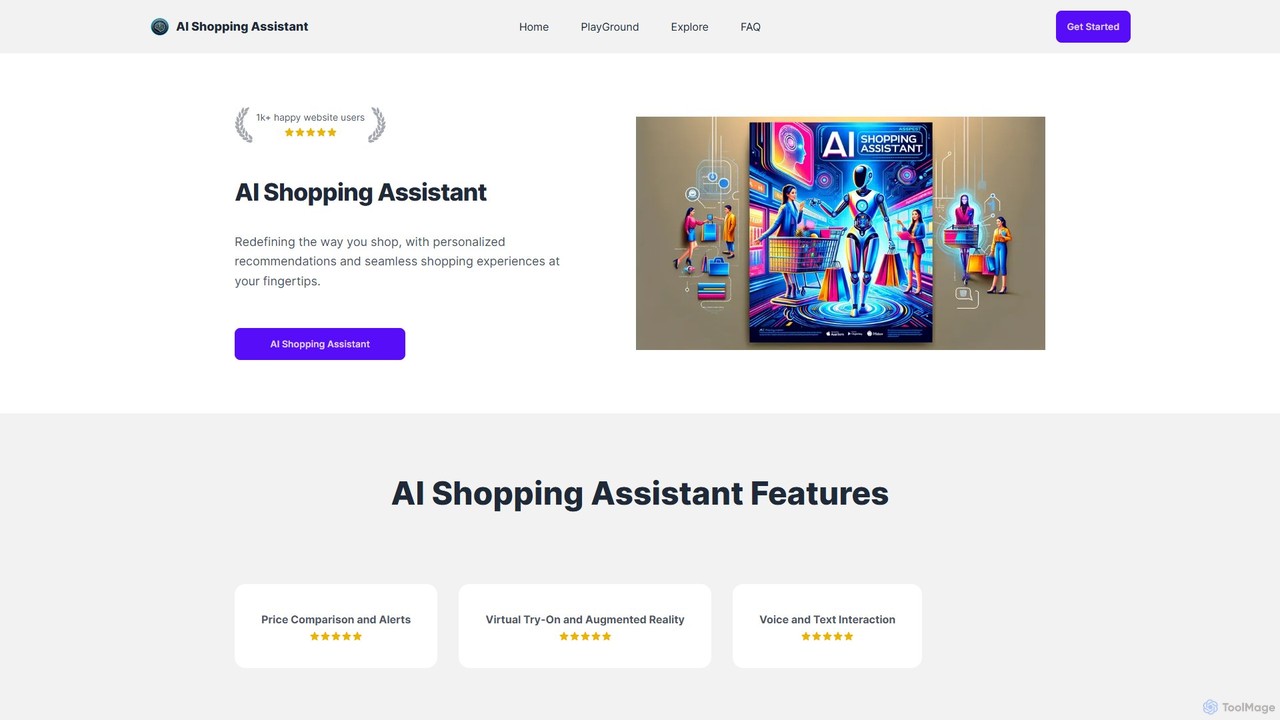
AI Shopping Assistant redefines online shopping with a hyper-realistic virtual try-on feature. Upload a photo of a person …
AI Shopping Assistant redefines online shopping with a hyper-realistic virtual try-on feature. Upload a photo of a person and a garment to instantly see the fit. It also aims to offer price comparisons and voice interaction, making it a comprehensive tool for confident and personalized shopping decisions.
Westidol
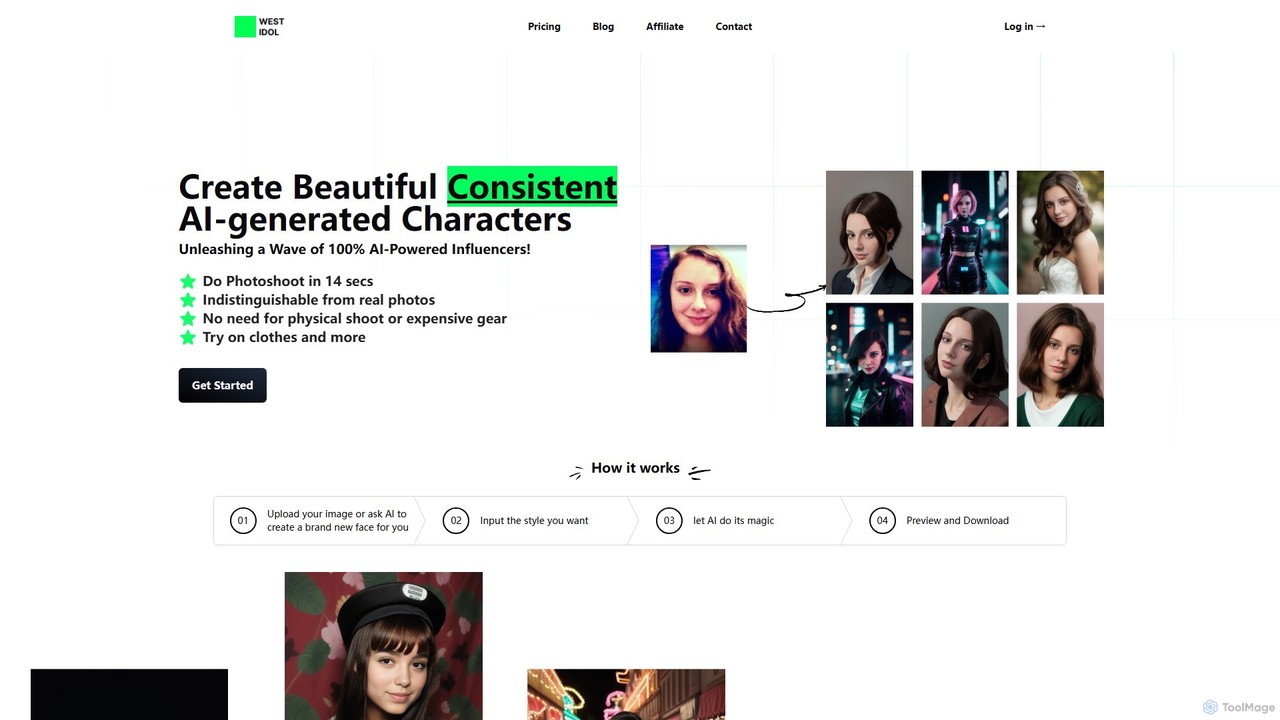
Westidol is an AI-powered platform for creating beautiful, consistent AI-generated characters and virtual influencers. It enables users to …
Westidol is an AI-powered platform for creating beautiful, consistent AI-generated characters and virtual influencers. It enables users to conduct virtual photoshoots in seconds, eliminating the need for physical shoots, models, and expensive gear. Perfect for marketing, e-commerce, and creative projects.
Dressplay
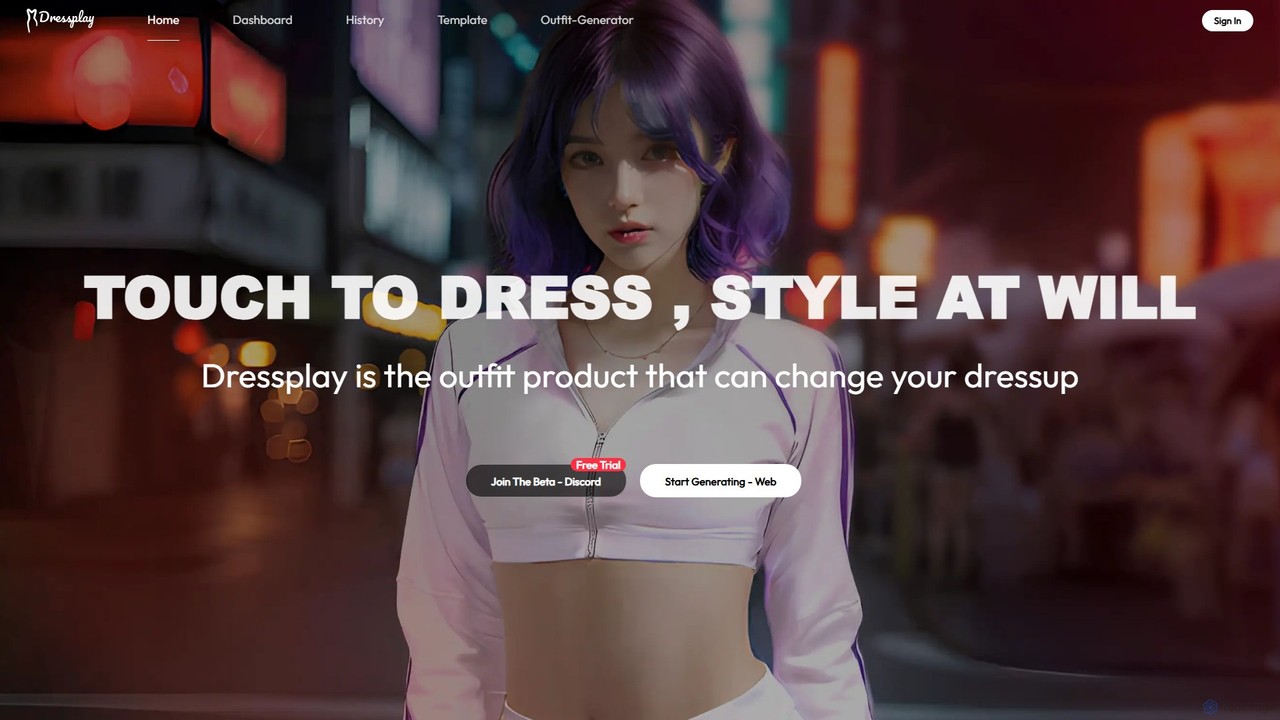
Dressplay is an AI-powered clothes changer that allows users to virtually try on different outfits on any person's …
Dressplay is an AI-powered clothes changer that allows users to virtually try on different outfits on any person's photo. Simply upload an image of a person and a flat product image of a garment, and the AI seamlessly generates a realistic image of the person wearing the new clothes. It's designed for e-commerce, fashion designers, and individuals looking to visualize styles.
PixPoc
PixPoc is an all-in-one AI platform for creating personalized visual content. Generate custom AI influencers, produce studio-quality fashion …
PixPoc is an all-in-one AI platform for creating personalized visual content. Generate custom AI influencers, produce studio-quality fashion visuals, and transform your personal photos into stunning, unique artwork using advanced AI models trained on your specific style.
About Design
AI Fashion Design tools are a specialized category of software that uses artificial intelligence to create, visualize, and iterate on apparel, textiles, and accessories. These tools leverage generative models and predictive analytics to transform text prompts or sketches into detailed design concepts and realistic 3D models. They empower designers and brands to accelerate the conceptualization phase, explore vast creative possibilities, and reduce the need for physical prototypes. This technology streamlines the entire workflow from initial idea to pre-production specifications.
Core Features
- Generative Design Creation: Automatically generates novel garment silhouettes, textile patterns, and color palettes from simple text or image inputs.
- 3D Garment Simulation: Creates realistic 3D virtual prototypes, simulating fabric drape, fit, and movement on digital avatars.
- AI-Powered Trend Forecasting: Analyzes market data, social media, and runway trends to predict upcoming styles, colors, and materials.
- Automated Tech Pack Generation: Extracts technical specifications from a 3D design to automatically create detailed documents for manufacturing.
Use Cases
These tools are primarily used by fashion designers, apparel brands, textile manufacturers, and product development teams. They are applied in early-stage collection brainstorming, rapid virtual prototyping to test variations, creating unique prints for fabrics, and generating marketing visuals before production even begins.
How to Choose
When selecting an AI Fashion Design tool, consider the quality of 3D rendering and fabric physics simulation. Evaluate its integration capabilities with existing CAD and PLM software. Assess the scope and accuracy of its trend forecasting data. Finally, consider the user interface's intuitiveness and the learning curve for your design team.
DesignUse Cases
Rapid Ideation for New Collections
A fashion designer for a fast-fashion brand needs to generate concepts for an upcoming season under a tight deadline. Using an AI design tool, they input keywords like '90s grunge, floral, silk slip dress'. The AI generates hundreds of visual variations in minutes, including different silhouettes, pattern placements, and colorways. This allows the designer to quickly create a mood board and select the most promising directions for development, reducing the conceptualization phase from weeks to a single day.
Creating Unique Textile Patterns
A textile designer for a luxury home goods company wants to create a unique, non-repeating pattern for a new line of bedding. Instead of manually drawing motifs, they use a generative AI tool. They upload images of botanical illustrations and specify a color palette. The AI then generates an endless series of intricate, seamless patterns that blend the source styles in novel ways. The designer can then select and refine the best options, ensuring the final product is exclusive and difficult to replicate.
Virtual Prototyping to Reduce Waste
A sustainable fashion startup aims to minimize physical sample production. Their technical designer uses an AI tool to create 3D virtual prototypes of a new jacket design. The software simulates how different fabrics (e.g., cotton vs. recycled polyester) would drape and fit on various avatar sizes. They can make pattern adjustments digitally and see the results instantly, avoiding the creation of multiple physical samples. This process saves material costs, reduces waste, and shortens the product development timeline by over 50%.
Automating Tech Pack Creation
A product developer at a large apparel company is responsible for creating detailed tech packs for overseas manufacturers. This is typically a manual and time-consuming process. By using an AI design platform, once a 3D garment model is finalized, the system automatically generates the tech pack. It includes flat sketches, measurement charts, bill of materials (BOM), and construction details. This automation eliminates human error, ensures consistency across all documents, and frees up the developer's time to focus on quality control and supplier communication.
AI-Powered Trend Analysis for Collection Planning
A merchandising team at a department store needs to plan their buying strategy for the next year. They use an AI fashion tool that analyzes millions of data points from social media, e-commerce sites, and runway shows. The tool identifies emerging micro-trends, such as a specific shade of green or the resurgence of cargo pants, months before they become mainstream. This data-driven insight allows the team to make more accurate purchasing decisions, ensuring their inventory aligns with future customer demand and reducing the risk of overstock.
Generating Marketing Visuals with Virtual Models
An e-commerce fashion brand wants to showcase its new clothing line on a diverse range of models without the high cost of photoshoots. Using an AI design and visualization tool, they can render their 3D garment prototypes on a variety of AI-generated virtual models with different body types, ethnicities, and poses. This allows them to create high-quality, consistent product imagery for their website and social media channels at a fraction of the cost and time of a traditional photoshoot, while also promoting inclusivity.