looksounique
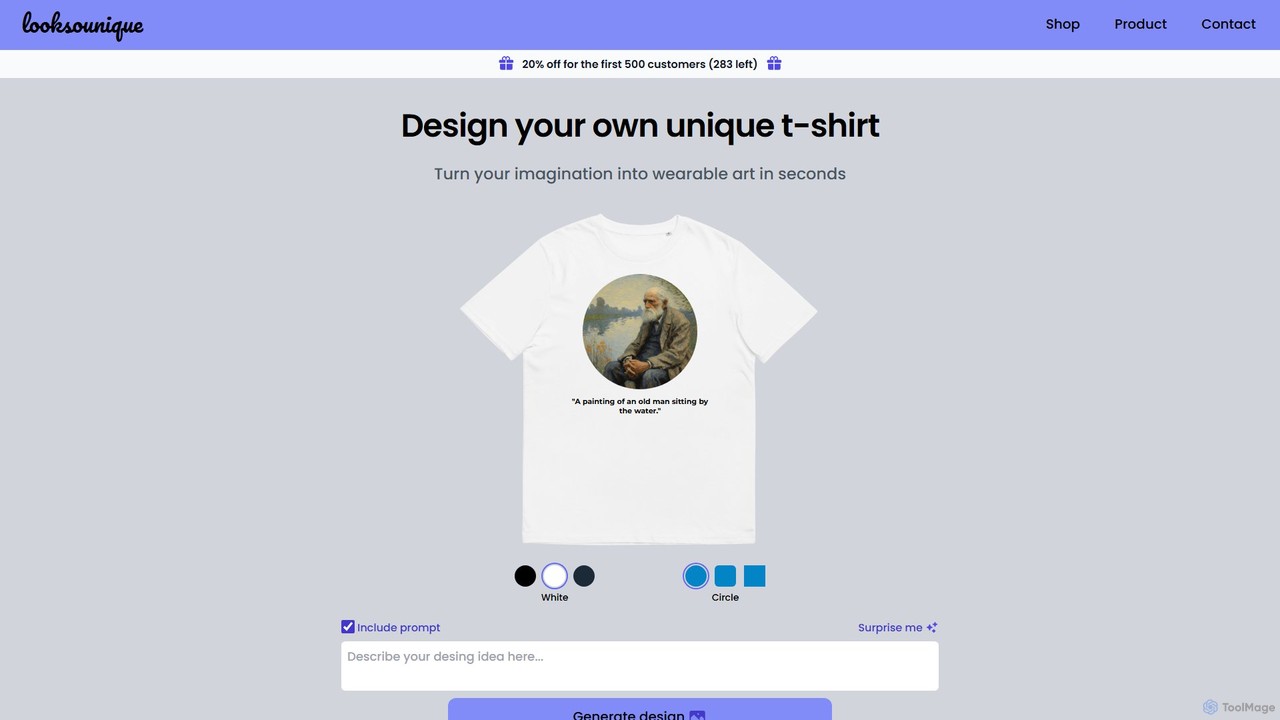
looksounique is an AI-powered platform that transforms your text prompts into unique, wearable art. Simply describe your idea, …
looksounique is an AI-powered platform that transforms your text prompts into unique, wearable art. Simply describe your idea, and the AI generates a custom design that can be printed on a high-quality, 100% cotton t-shirt. Customize colors and shapes to create a truly personal piece of clothing, perfect for gifts or self-expression.
uwear
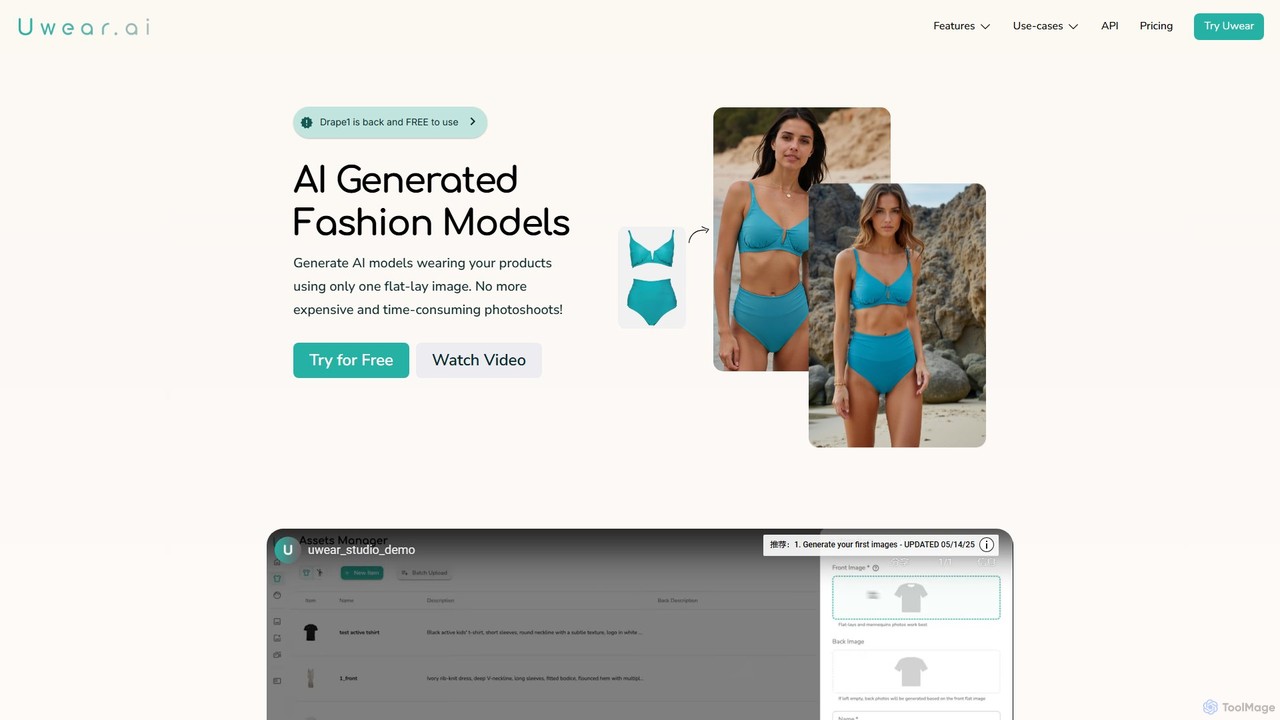
uwear is an AI-powered virtual photographer for fashion brands. Simply upload a flat-lay photo of a garment, and …
uwear is an AI-powered virtual photographer for fashion brands. Simply upload a flat-lay photo of a garment, and uwear's proprietary AI, Drape, generates realistic on-model imagery in seconds. Customize scenes and models with text prompts to create high-quality, diverse e-commerce and marketing photos, eliminating the need for expensive photoshoots.
badbotdesign
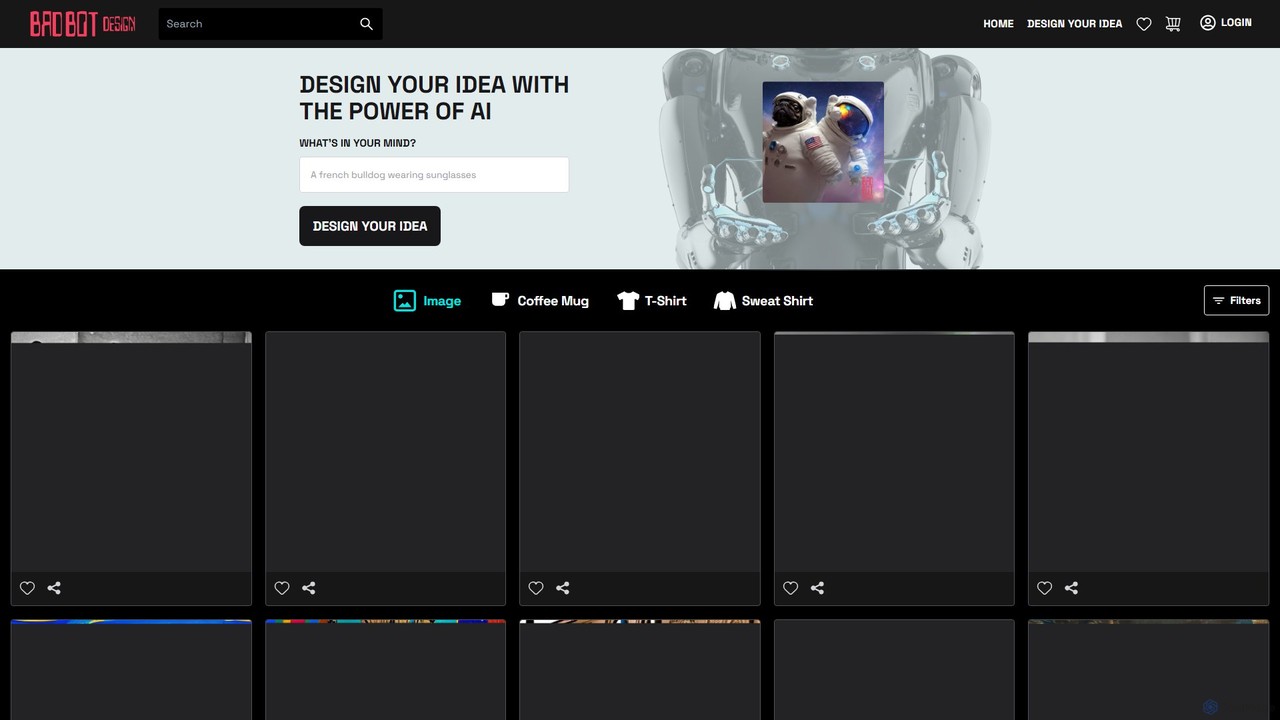
Bad Bot Design is an AI-powered e-commerce platform that transforms your ideas into unique, custom-printed merchandise. Simply describe …
Bad Bot Design is an AI-powered e-commerce platform that transforms your ideas into unique, custom-printed merchandise. Simply describe what's on your mind, and the AI will generate a one-of-a-kind design, which you can then purchase on high-quality products like t-shirts. It's the perfect way to create personalized apparel and gifts without any design skills.
Pebblely Fashion
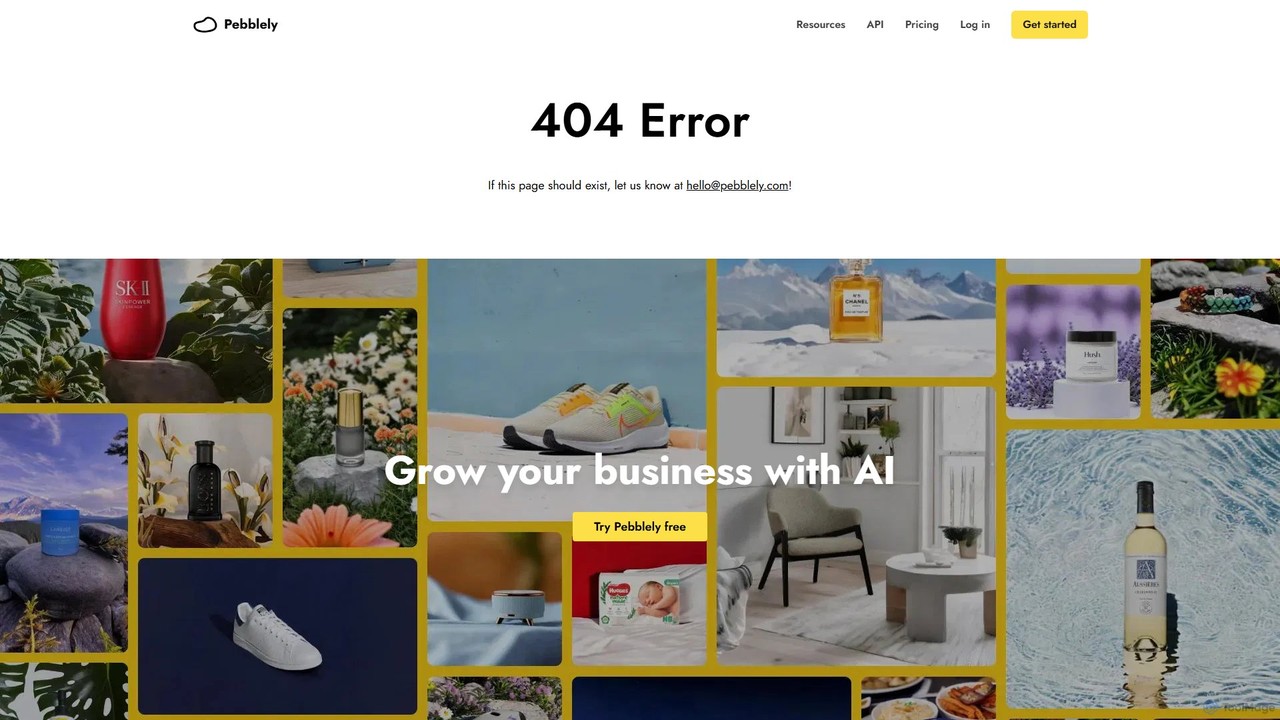
Pebblely Fashion is an AI-powered tool that revolutionizes fashion product photography. Instantly create high-quality, on-model photoshoots by simply …
Pebblely Fashion is an AI-powered tool that revolutionizes fashion product photography. Instantly create high-quality, on-model photoshoots by simply uploading your clothing images. Place any garment on a diverse range of AI-generated models and choose from unlimited background scenes, eliminating the need for expensive and time-consuming traditional photoshoots.
About Apparel
AI Apparel tools are specialized artificial intelligence applications designed to revolutionize the fashion and clothing industry, a key segment within the broader fashion landscape. These advanced tools leverage machine learning, computer vision, and generative AI to assist in various critical stages, from innovative design conceptualization and virtual prototyping to efficient supply chain optimization and highly personalized customer experiences. Their primary goal is to enhance creative processes, streamline production workflows, and significantly improve market responsiveness for fashion brands, designers, and manufacturers.
Core Features
- AI Design Generation: Automatically creates novel garment styles, patterns, and material textures, allowing designers to explore countless variations rapidly.
- Virtual Try-On & Fitting: Simulates how clothing looks and fits on different body types or digital avatars, significantly enhancing the online shopping experience and reducing returns.
- Demand Forecasting & Trend Analysis: Predicts future fashion trends, consumer preferences, and market shifts with high accuracy, enabling optimized inventory management and production planning.
- Automated Quality Control: Utilizes advanced computer vision systems to detect subtle defects in fabric, stitching, and finished garments during the manufacturing process, ensuring consistent product quality.
- Personalized Styling & Recommendation: Offers tailored outfit suggestions, styling advice, and product recommendations based on individual user data, purchase history, and aesthetic preferences.
Applicable Scenarios
Fashion designers utilize these tools to rapidly iterate on new collections, visualize designs in realistic 3D environments, and generate unique patterns, accelerating the creative process. E-commerce platforms integrate sophisticated virtual try-on features, allowing customers to confidently preview garments, thereby reducing product returns and boosting conversion rates. Apparel manufacturers apply AI for precise demand forecasting, efficient production scheduling, and automated quality assurance, leading to minimized waste, optimized resource allocation, and improved output consistency across their supply chain.
How to Choose
When selecting an AI Apparel tool, carefully consider its specific design capabilities, such as advanced 2D pattern generation, realistic 3D garment rendering, or material simulation. Evaluate its integration potential with your existing CAD/PLM systems and e-commerce platforms for seamless data flow. Assess the accuracy, realism, and customization options of virtual try-on or the predictive power of forecasting models. Finally, review the tool's scalability to accommodate varying production volumes and its pricing structure to align with your budget and long-term business growth objectives.

ApparelUse Cases
AI-Powered Fashion Design & Pattern Creation
Fashion designers leverage AI tools to generate novel garment designs, explore countless style variations, and automatically create precise patterns. By inputting parameters like fabric type, silhouette, or aesthetic preferences, designers can rapidly visualize and iterate on new collections, significantly accelerating the initial conceptualization and development phases. This allows for greater creativity and efficiency in bringing unique apparel to market.
Virtual Try-On for E-commerce Platforms
Online apparel retailers integrate AI-powered virtual try-on solutions to enhance the customer shopping experience. Users can upload their photos or select an avatar to see how clothing items would look and fit on them in real-time. This technology helps reduce product returns due to sizing or style mismatches, increases customer confidence in online purchases, and provides a more engaging and personalized retail journey.
Optimizing Apparel Production & Supply Chain
Apparel manufacturers and brands utilize AI for advanced demand forecasting, material sourcing, and production scheduling. AI analyzes historical sales data, market trends, and external factors to predict future demand with high accuracy. This optimization minimizes overproduction and waste, ensures timely procurement of raw materials, and streamlines manufacturing processes, leading to significant cost savings and improved sustainability.
Personalized Styling & Outfit Recommendations
Fashion brands and stylists employ AI to offer highly personalized styling advice and outfit recommendations to individual customers. By analyzing purchase history, browsing behavior, body type, and stated preferences, AI algorithms curate bespoke suggestions. This not only enhances the customer's shopping experience but also drives engagement, increases average order value, and fosters stronger brand loyalty through tailored interactions.
Automated Quality Inspection of Garments
In apparel manufacturing, AI-powered computer vision systems are deployed for automated quality control. These systems can rapidly scan fabrics and finished garments to detect subtle defects such as misprints, weaving errors, loose threads, or incorrect stitching. This ensures consistent product quality, reduces the need for manual inspection, minimizes rework, and prevents defective items from reaching the market, upholding brand reputation.
Trend Forecasting and Collection Planning
Fashion analysts and creative directors leverage AI to predict upcoming fashion trends and inform future collection planning. AI algorithms analyze vast amounts of data from social media, runways, sales figures, and cultural events to identify emerging styles, colors, and silhouettes. This predictive capability allows brands to make data-driven decisions, develop collections that resonate with consumer demand, and stay ahead in a fast-paced industry.