ToolMage
Sign in

Best 7 Product Photos AI tools for Ecommerce

Popular Product Photos AI tools in Ecommerce include Pic Copilot, ZMO.AI Photo Studio, Maker.ai, rocketai, Metamodels, Fotoai.ai, and generatebg, helping you work more efficiently.

Metamodels
Freemium

Metamodels

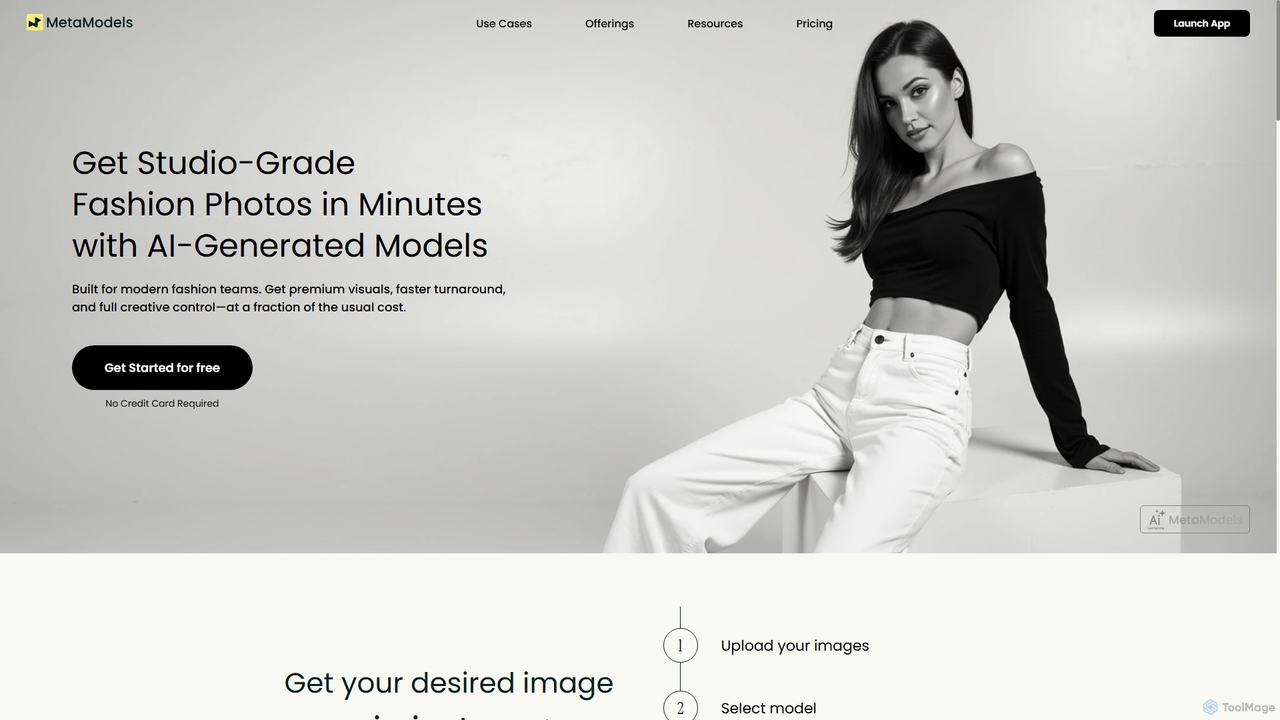
Metamodels is an AI-powered platform for fashion brands to create studio-quality product photos without traditional photoshoots. By uploading garment images, users can generate high-resolution visuals featuring a diverse range of over 1000 AI-generated models. This streamlines content production, significantly reduces costs, accelerates time-to-market, and enhances creative control, making it ideal for modern e-commerce and marketing teams.

Product Photos
Visits 7.2KFavorites 103Likes 122
rocketai
Paid

rocketai

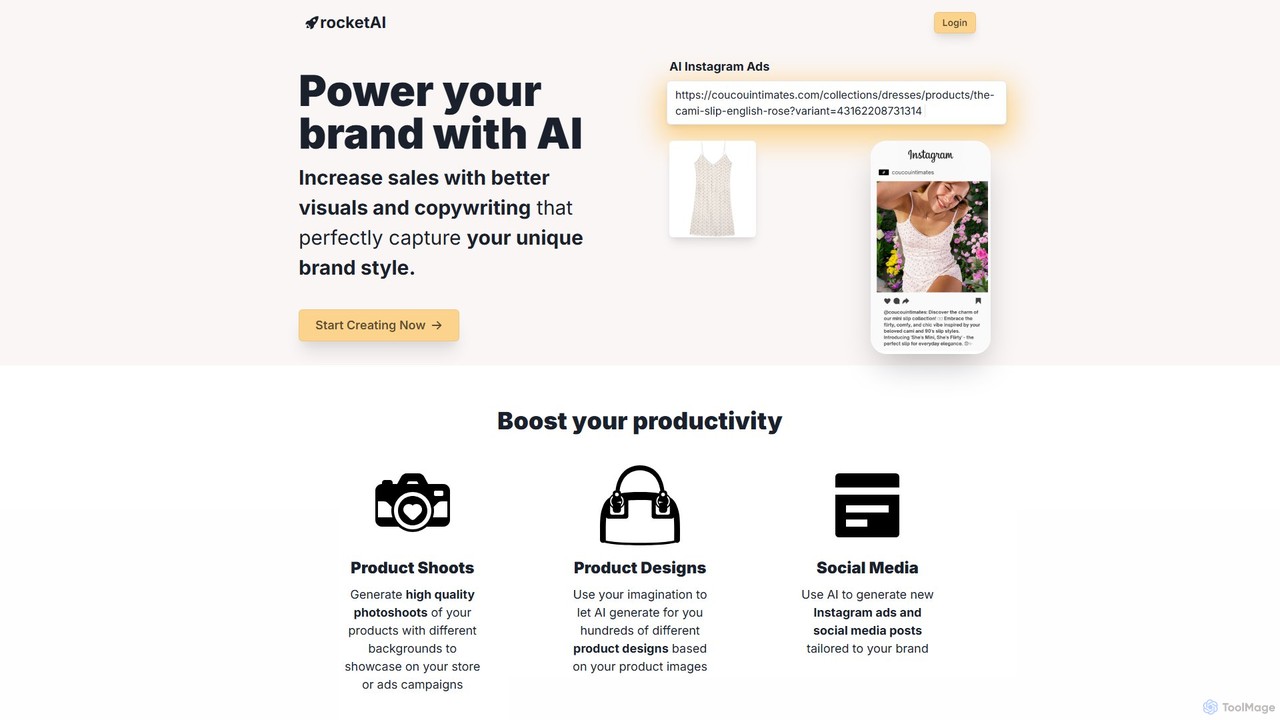
rocketai is an AI-powered platform for e-commerce brands to enhance their marketing. By training on your product data, it generates high-quality product photoshoots, unique product designs, compelling social media ads, and persuasive copywriting, all tailored to your unique brand style. It streamlines content creation, helping you boost sales with better visuals.

Image Generation
Visits 14KFavorites 135Likes 135
generatebg
Freemium

generatebg

generatebg is an AI-powered tool designed to instantly create high-resolution, professional backgrounds for product and portrait photos. It simplifies image editing by automatically removing the original background and generating multiple beautiful, studio-quality options. Ideal for e-commerce sellers, designers, and marketers, it saves time and money by eliminating the need for costly photoshoots and complex software. It also offers free background removal and vectorization tools.

Image Editing
Visits 5.7KFavorites 142Likes 137
Maker.ai
Freemium

Maker.ai

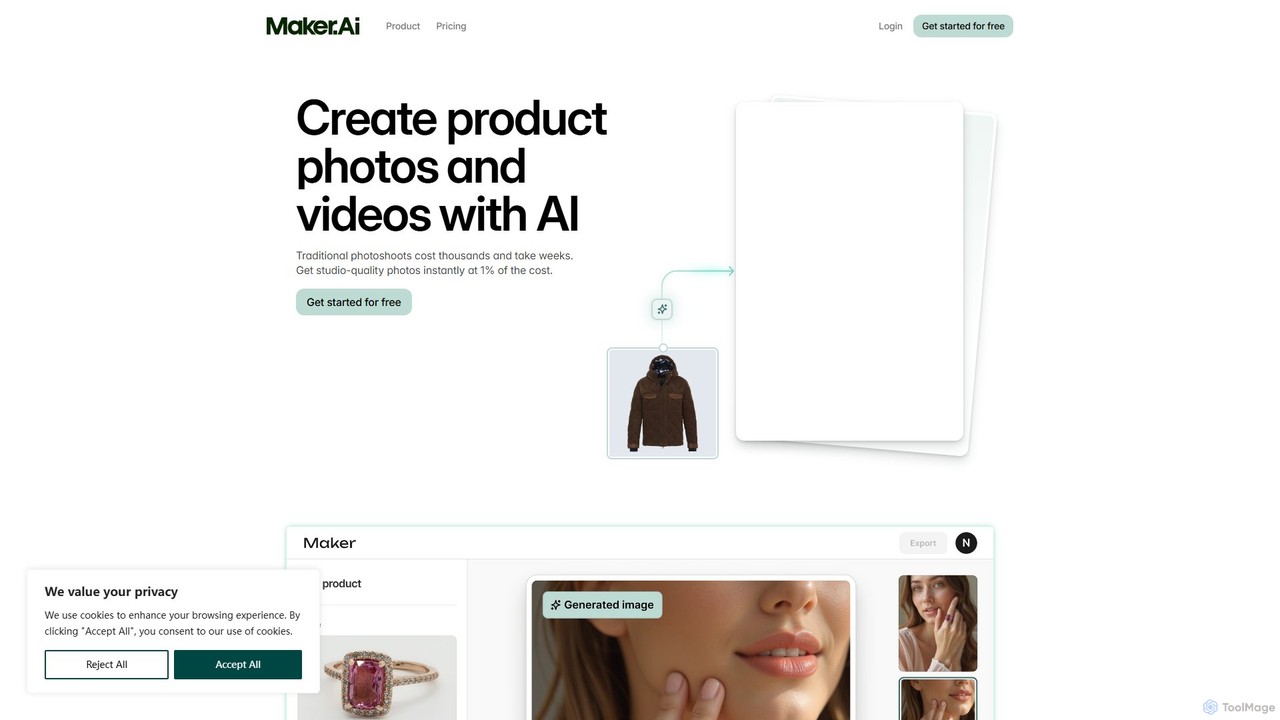
Maker.ai is an AI-powered platform for e-commerce, enabling brands to instantly generate high-quality product photos and videos. By uploading a single product image and describing a scene, users can create endless studio-quality visuals with virtual models and locations, drastically reducing the cost and time of traditional photoshoots.

Product Photos
Visits 19.7KFavorites 124Likes 135
ZMO.AI Photo Studio
Freemium

ZMO.AI Photo Studio

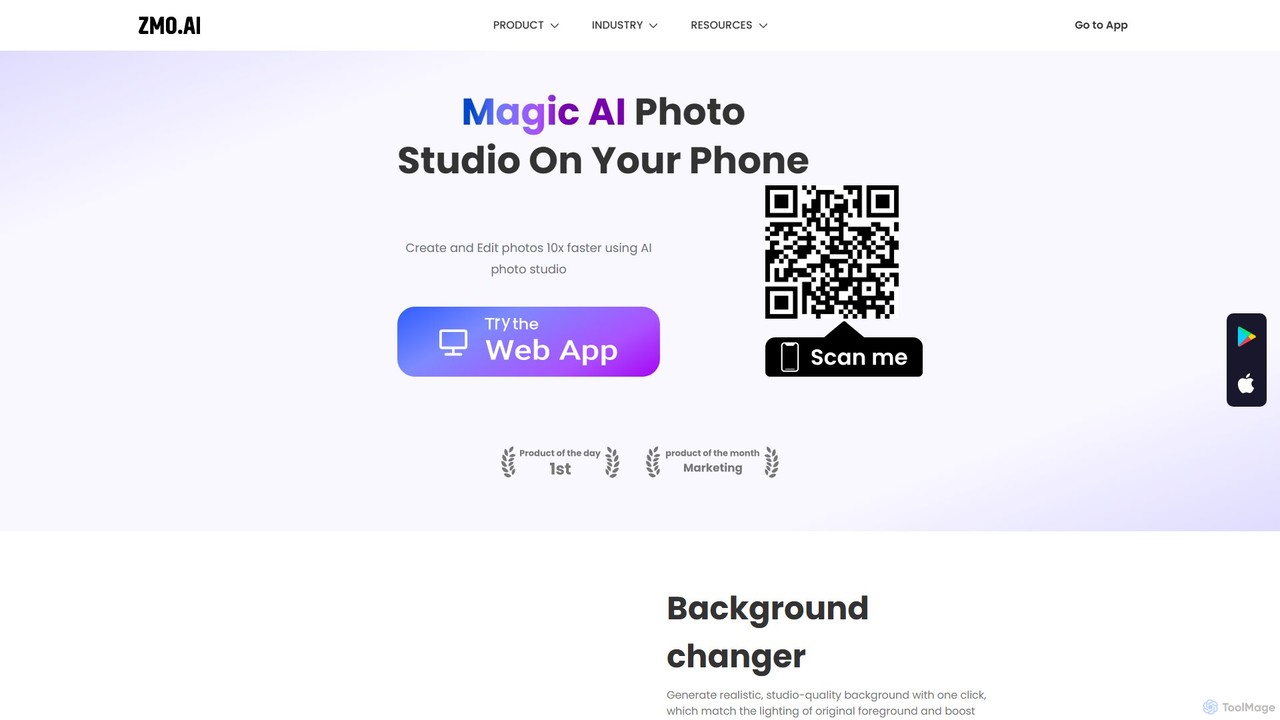
An AI-powered suite for creating and editing professional images. Instantly generate studio-quality backgrounds, remove unwanted objects, and showcase products on AI-generated models. Ideal for e-commerce, marketing, and social media, it streamlines photo production, saving time and reducing costs significantly.

3D
Visits 93.2KFavorites 102Likes 95
Pic Copilot
Freemium

Pic Copilot

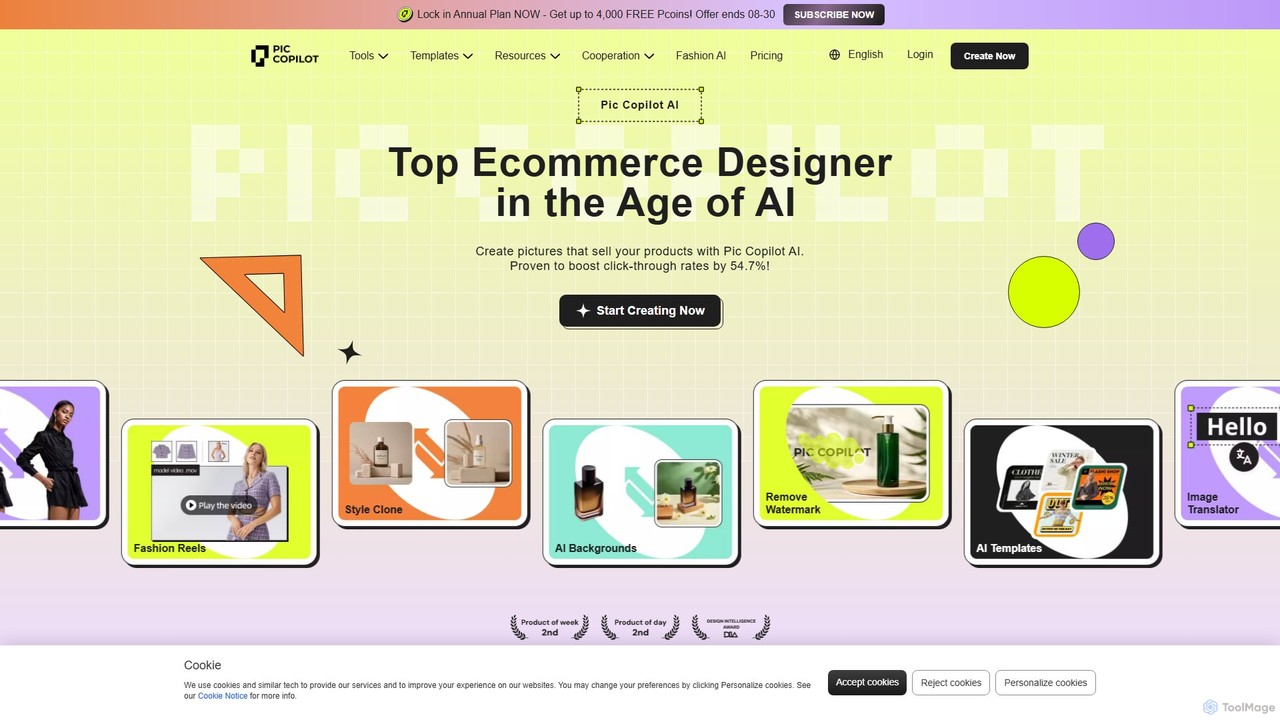
Pic Copilot is an all-in-one AI design suite for e-commerce, empowering merchants to create high-converting product photos, videos, and marketing materials. It features virtual try-on, AI models, background removal, image/video translation, and customizable templates to boost sales, reduce costs, and streamline design workflows without needing professional skills.

Product Photos
Visits 203.5KFavorites 106Likes 123
Fotoai.ai
Freemium

Fotoai.ai

Fotoai.ai is a powerful AI-powered tool for instant, automatic background removal. It allows users to create transparent backgrounds (PNGs), add new backgrounds, and remove unwanted objects with text prompts or a magic eraser. Designed for e-commerce, marketing, and design, it supports batch processing to streamline workflows. It's a fast, free, and user-friendly solution for professional-quality image editing without any technical skills.

Product Photos
Visits 5.8KFavorites 154Likes 166

About Product Photos

AI Product Photos tools are specialized applications that use generative AI to create and enhance high-quality, studio-grade images for e-commerce. These tools leverage advanced algorithms to place product images into new scenes, generate realistic backgrounds, shadows, and reflections, or even create entirely new visuals from text descriptions. Their primary value lies in drastically reducing the cost and time associated with traditional product photography, enabling businesses to produce a vast array of marketing visuals efficiently. This allows for rapid A/B testing, seasonal campaign creation, and maintaining a consistent brand aesthetic across all online channels.

Core Features

  • AI Scene Generation: Creates realistic or stylized backgrounds and environments for a product based on text prompts or pre-made templates.
  • Virtual Photoshoot: Simulates a professional photoshoot by generating multiple images of a product in various settings, angles, and lighting conditions.
  • Background Removal & Replacement: Automatically removes the original background from a product image and replaces it with a clean color or a new scene.
  • Realistic Shadow & Reflection: Intelligently adds natural-looking shadows and reflections to make the product appear grounded in its new environment.
  • Template-Based Creation: Offers a library of pre-designed scenes and styles tailored for different product categories and marketing channels.

Use Cases

These tools are primarily used by e-commerce businesses of all sizes, from individual sellers on platforms like Shopify and Amazon to large retail brands. Marketing agencies also use them to quickly generate diverse ad creatives for clients. Product managers and designers utilize them to create mockups and visualize products in real-world contexts before production.

How to Choose

When selecting an AI Product Photo tool, consider the quality and realism of the generated images, as this directly impacts customer perception. Evaluate the variety and relevance of available templates and scenes for your specific product category. Also, consider the ease of use, processing speed, pricing model (e.g., per-image credits vs. subscription), and whether it offers an API for automating image creation at scale.

Product Photos use cases

1

Virtual Photoshoots for New Product Launches

An e-commerce startup is launching a new line of skincare products but has a limited budget for a physical photoshoot. Using an AI Product Photo tool, the marketing manager uploads clean shots of the product bottles. They then use text prompts like 'skincare bottle on a marble countertop with a monstera leaf' or select pre-made templates for minimalist bathroom scenes. The tool generates dozens of high-resolution, photorealistic lifestyle images in minutes. This allows the startup to create a professional-looking product page and social media campaign visuals without the high cost and logistical complexity of a traditional shoot, accelerating their time-to-market.

2

Standardizing Marketplace Product Images

An Amazon seller manages a store with hundreds of different products, each with inconsistent photos from various suppliers. To meet Amazon's image guidelines and create a professional storefront, they need uniform images with pure white backgrounds. Instead of manually editing each photo, they use an AI tool. They batch-upload all product images, and the tool's background removal feature automatically isolates each product and places it on a FFFFFF background. The tool also standardizes image dimensions and adds realistic shadows for depth. This process saves hundreds of hours of manual work and results in a clean, consistent, and compliant product catalog that enhances customer trust.

3

Generating Seasonal Marketing Creatives

A marketing team for a fashion brand needs to create visuals for their upcoming Valentine's Day campaign. Instead of organizing a costly and time-consuming themed photoshoot, they use an AI Product Photo tool. They upload their core product images—handbags, shoes, and accessories. Using the AI scene generation feature, they apply prompts like 'product on a table with roses and chocolates, romantic lighting' or use Valentine-themed templates. Within an hour, they have a hundred unique, on-theme images ready for social media, email newsletters, and website banners. This agility allows them to react quickly to marketing trends and produce fresh content for every holiday or event without inflating their budget.

4

A/B Testing Product Visuals for Conversion

An e-commerce manager wants to optimize the conversion rate for a best-selling coffee maker. They hypothesize that the product's context influences purchase decisions. Using an AI tool, they take the standard white-background image and generate multiple variations: one in a modern kitchen, one in a cozy home office, and another on a rustic wooden table. They then run an A/B test on their product page, showing different visuals to different segments of visitors. By analyzing the conversion data, they discover that the 'cozy home office' scene resonates most with their target audience, leading to a 15% increase in add-to-cart actions. This data-driven approach, made feasible by AI, allows for continuous optimization of product presentation.

5

Creating Realistic Apparel Mockups

A print-on-demand store owner wants to showcase their new t-shirt designs without printing physical samples for every design. They use an AI Product Photo tool specialized in apparel mockups. They upload their design files (e.g., PNGs) and choose from a library of models or flat-lay templates. The AI realistically applies the design to the t-shirt, accounting for fabric wrinkles, shadows, and lighting. They can generate mockups on different models, in various poses, and against diverse backgrounds. This allows them to create a full, professional-looking product catalog in a single afternoon, saving significant costs on inventory, photography, and models, while providing customers with a realistic preview of the final product.

6

Enhancing Furniture Visuals for Catalogs

A furniture company needs to create a new online catalog. Photographing each large item (sofas, tables, beds) in dozens of different room settings is prohibitively expensive. Instead, their design team takes a single, high-quality photo of each furniture piece on a neutral background. They then use an AI Product Photo tool to place these items into a variety of virtual rooms—from modern lofts to classic living rooms. The tool automatically adjusts lighting and adds realistic shadows to make the furniture look natural in each scene. This approach allows them to showcase their entire collection in hundreds of lifestyle contexts, helping customers visualize the products in their own homes, all for a fraction of the cost of traditional photography.

Product Photos FAQ

What are AI Product Photo tools?

AI Product Photo tools are software applications that use generative artificial intelligence to create or enhance images of products for commercial use. Instead of relying solely on traditional photography, these tools can place an existing product image into a new, AI-generated scene, create realistic mockups, or produce visuals from scratch based on text descriptions. Their main purpose is to automate and scale the creation of high-quality, diverse product imagery for e-commerce, marketing, and advertising, significantly reducing costs and production time.

How to choose the right AI Product Photo tool?

Choosing the right tool depends on your specific needs. Consider the following factors:

  • Image Quality: Assess the realism of the generated images, including lighting, shadows, and textures. Look for examples relevant to your product type.
  • Features: Do you need simple background replacement, complex scene generation from text, or specialized apparel mockups? Match the tool's features to your primary use case.
  • Ease of Use: Look for an intuitive interface that allows you to get results quickly without a steep learning curve.
  • Pricing Model: Compare costs. Some tools charge per image (credits), while others offer monthly subscriptions. Choose a model that aligns with your expected usage volume.
  • Integration: If you need to generate images at scale, check if the tool offers an API for integration with your existing e-commerce or marketing platforms.
AI Product Photos vs. Traditional Photography: What's the difference?

The main difference lies in process, cost, and scalability. Traditional photography involves a physical setup with cameras, lighting, props, and models, which is costly and time-consuming but offers maximum control and realism. AI Product Photos are digitally created. They are significantly faster and more affordable, allowing for the creation of hundreds of variations in minutes. While AI offers incredible flexibility for creating diverse scenes and styles, achieving the same level of unique, nuanced realism as a high-end professional photoshoot can still be a challenge for certain complex products. Many businesses use a hybrid approach: taking a few high-quality traditional shots and then using AI to repurpose them into countless marketing variations.

Can AI create realistic lifestyle images for any product?

Yes, AI is highly effective at creating realistic lifestyle images for a wide range of products, especially those with simple, well-defined shapes like cosmetics, electronics, packaged goods, and furniture. The technology excels at placing these objects into new scenes and realistically rendering lighting and shadows. However, for products with complex textures, transparency (like glassware), or those that interact with humans in intricate ways (like complex apparel on a moving model), the realism can sometimes vary. The quality of the output heavily depends on the quality of the initial product photo you provide and the sophistication of the AI tool's algorithms. It's best to test a tool with your specific product type to gauge its effectiveness.

Do I need technical skills to use AI Product Photo tools?

No, the vast majority of AI Product Photo tools are designed for non-technical users like marketers, e-commerce store owners, and designers. They typically feature user-friendly, web-based interfaces with drag-and-drop functionality and simple text prompts. You usually just need to upload a clean image of your product and then use the tool's interface to select templates, type descriptions of the scene you want, or adjust settings. While some advanced tools offer API access for developers, the core functionality is almost always built to be accessible to everyone, regardless of their technical background.