Ecommerce Best in category 8 results Virtual Try On AI Tool

Popular AI tools in the Virtual Try On field of Ecommerce include Perfect Corp、SpreeAI、aiowear、twinit、AI Shopping Assistant、robomua、Luxi、VAIVR, etc., helping you quickly improve efficiency.

VAIVR

VAIVR

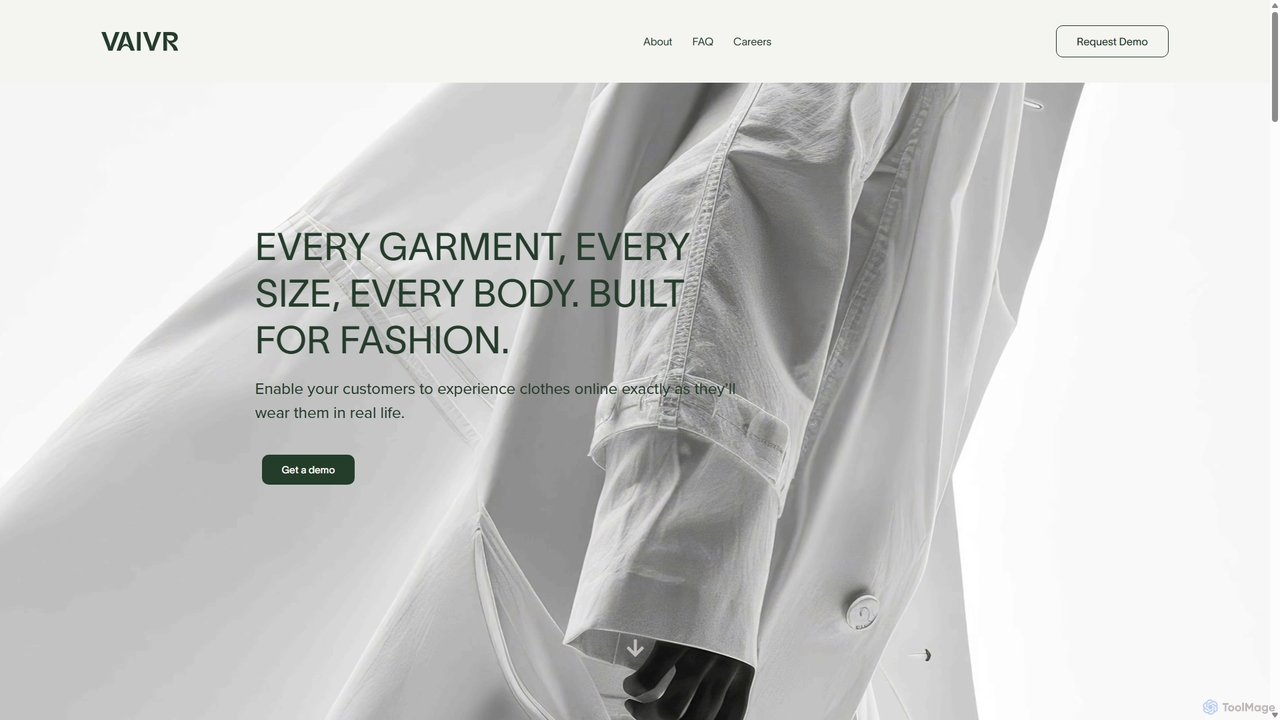
VAIVR is an AI-powered virtual try-on (VTO) solution for the fashion industry. It uses precision body modeling and …

1.8K
aiowear

aiowear

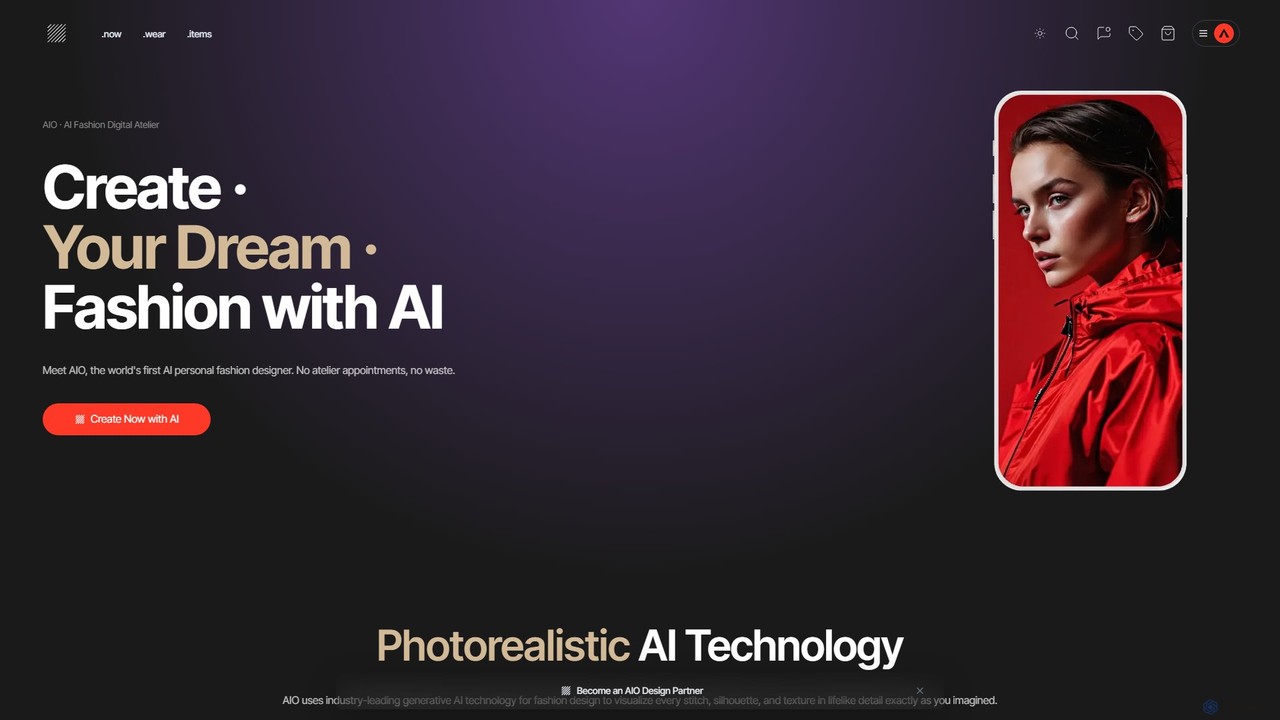
aiowear is an all-in-one AI Fashion Digital Atelier that empowers designers and brands to create, visualize, and manufacture …

5.7K
SpreeAI

SpreeAI

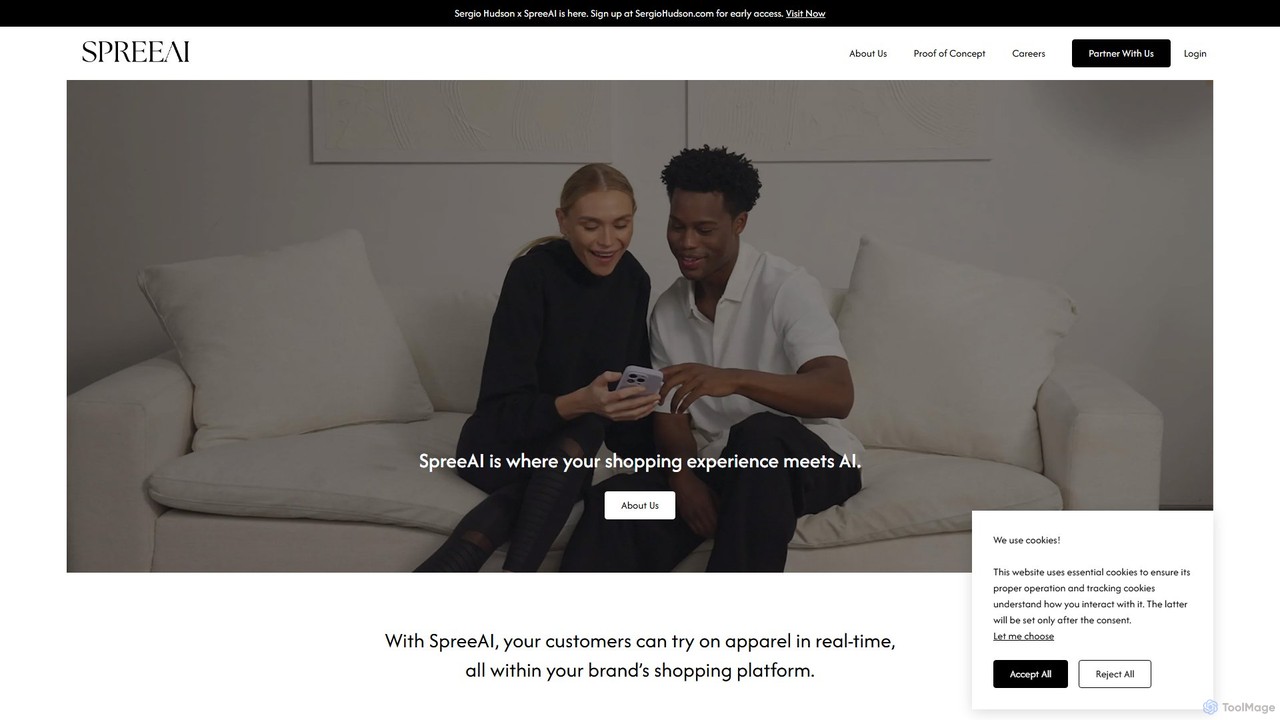
SpreeAI offers a cutting-edge, AI-powered virtual try-on solution for fashion e-commerce brands. Its photorealistic technology allows customers to …

10.9K
Free
AI Shopping Assistant

AI Shopping Assistant

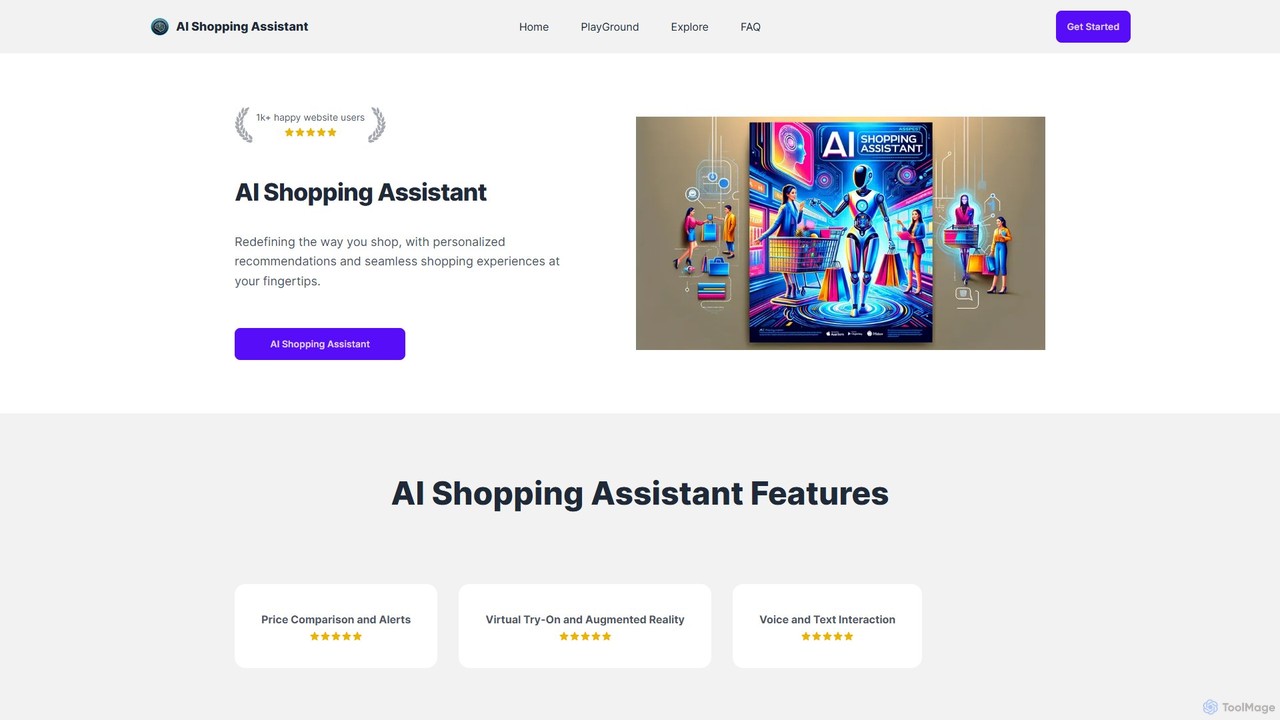
AI Shopping Assistant redefines online shopping with a hyper-realistic virtual try-on feature. Upload a photo of a person …

1.8K
twinit

twinit

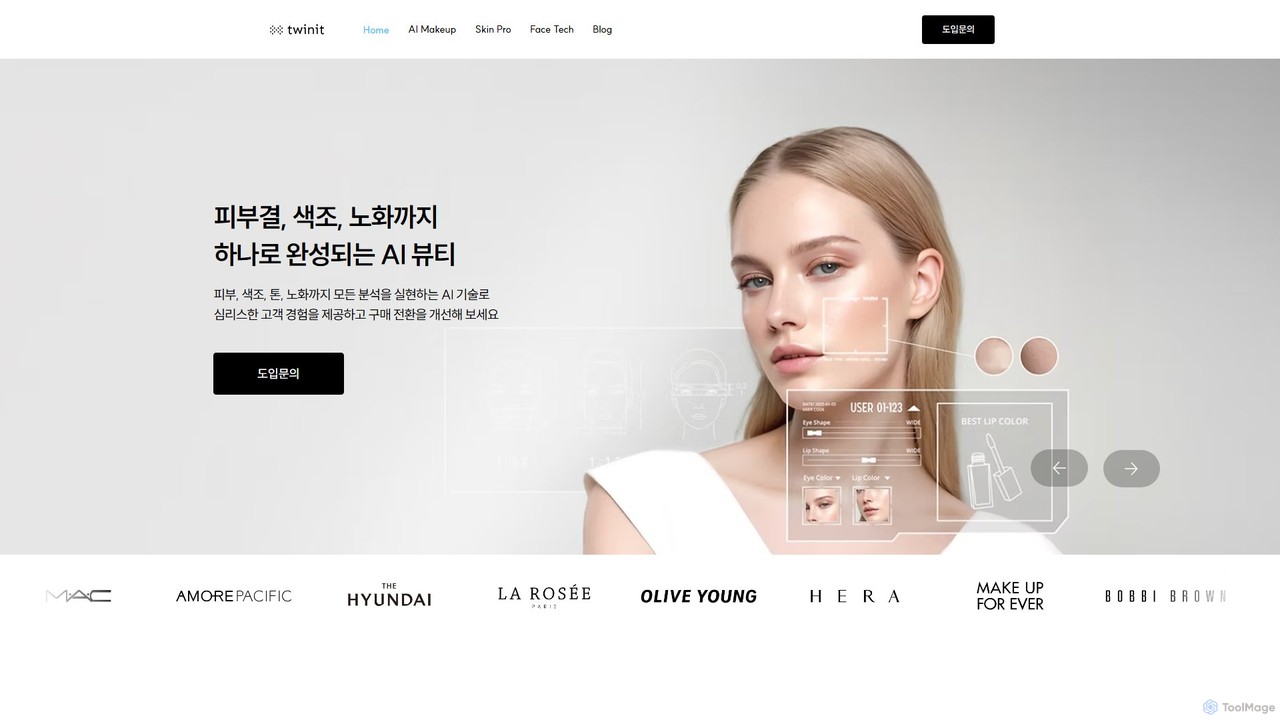
twinit is an advanced AI beauty technology solution offering hyper-realistic virtual makeup try-ons and in-depth skin analysis. Designed …

4.0K
Luxi

Luxi

Luxi is an AI-powered fashion assistant designed to revolutionize your shopping experience. It offers personalized style recommendations, virtual …

1.8K
robomua

robomua

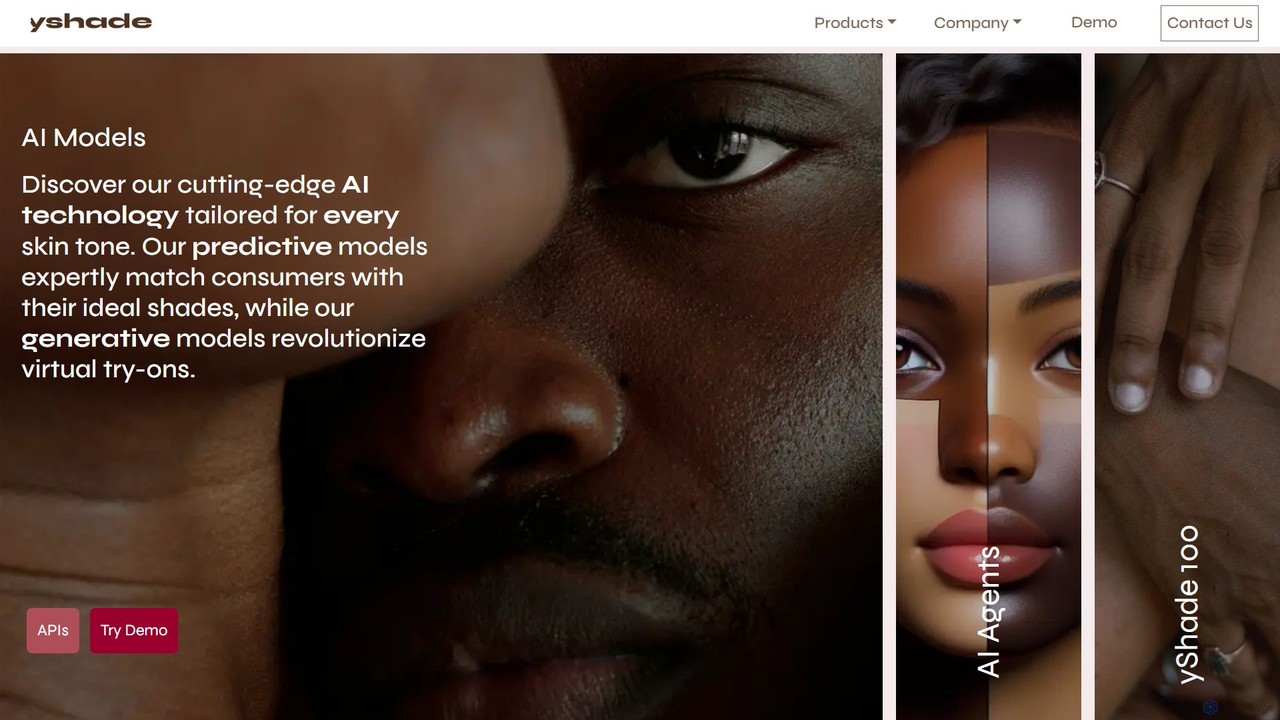
robomua is an AI-powered beauty technology from yshade.ai that revolutionizes makeup shopping. By analyzing a user's photo, its …

1.8K
Perfect Corp

Perfect Corp

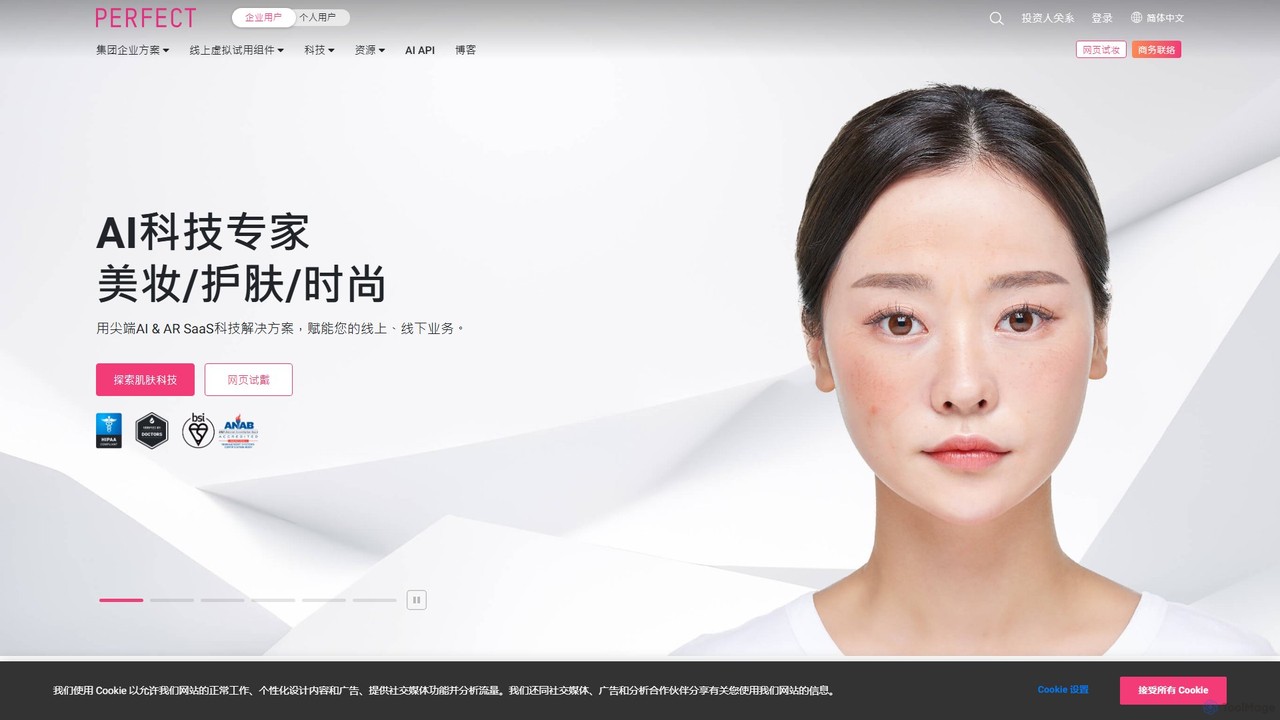
Perfect Corp is a leading SaaS provider offering AI and AR solutions for the beauty and fashion industries. …

3.5M

About Virtual Try On

Virtual Try On tools are a specialized category of e-commerce AI that allows users to digitally wear or place products on themselves or in their environment. These tools utilize augmented reality (AR) and computer vision to realistically overlay items like clothing, glasses, or makeup onto a user's live camera feed or a static photo. This technology bridges the gap between online browsing and physical trial, significantly enhancing the shopping experience by increasing user engagement and reducing return rates. They provide a powerful way for customers to visualize products before making a purchase decision.

Core Features

  • Real-time AR Overlay: Superimposes 3D product models onto a user's live video feed for a dynamic try-on experience.
  • Photo-based Fitting: Allows users to upload a personal photo and see how a product looks on them.
  • Accurate Sizing & Fit Recommendation: Analyzes user measurements or body shape to suggest the most appropriate product size.
  • Realistic Texture & Material Rendering: Simulates the appearance of different fabrics, materials, and finishes under various lighting conditions.
  • Multi-product Comparison: Enables users to switch between different styles, colors, or items quickly and compare them side-by-side.

Applicable Scenarios

Virtual Try On technology is primarily used in the online retail sector. It is particularly impactful for fashion and apparel brands, eyewear retailers, cosmetics companies, and jewelry stores. For example, a customer can try on dozens of lipstick shades in seconds, or an online shopper can check the fit of a pair of glasses without leaving home. This creates an interactive and personalized shopping journey that boosts conversion rates.

Selection Criteria

When selecting a Virtual Try On tool, consider the product category it supports, as solutions are often specialized for apparel, makeup, or eyewear. Evaluate its integration capabilities with your e-commerce platform (e.g., Shopify, Magento). Assess the level of realism and accuracy in the rendering and size recommendations. Finally, consider the user experience on both desktop and mobile devices, as seamless performance is crucial for adoption.

Virtual Try OnUse Cases

1

Online Eyewear Fitting for E-commerce

An online eyewear retailer integrates a virtual try-on tool into their product pages. A customer looking for new glasses can activate their webcam directly on the site. The AR technology maps their facial features and overlays different frame styles in real-time. The user can turn their head to see the glasses from various angles, check the fit on their nose bridge, and compare frame widths. This immersive experience helps them confidently choose a style that suits their face shape, significantly reducing purchase uncertainty and the likelihood of returns.

2

Virtual Makeup Counter for Beauty Brands

A cosmetics brand allows customers to try on makeup products virtually via their mobile app. A user selects a lipstick product, and the app uses their phone's front-facing camera to apply the shade to their lips in real-time. They can instantly switch between dozens of colors, from nude to bold red, to see which one best complements their skin tone. The tool can also apply foundation, eyeshadow, and blush, creating a full makeup look. This allows for risk-free experimentation, leading to higher purchase confidence and increased sales of cosmetic products.

3

Apparel Size and Style Preview

A fashion e-commerce store uses a virtual try-on solution that creates a personalized avatar for the shopper. The user inputs their height, weight, and key body measurements. The AI then generates a 3D avatar that accurately represents their body shape. When browsing for a dress, the user can see how the garment would drape and fit on their specific body type, rather than just on a standard model. This helps them assess the length, silhouette, and overall fit, drastically reducing returns due to incorrect sizing and improving customer satisfaction.

4

Jewelry and Watch Visualization on Wrist/Neck

A luxury watch brand offers an AR try-on feature on its website. A potential buyer can point their smartphone camera at their wrist, and the tool overlays a true-to-scale 3D model of a watch. They can see how the watch case size looks on their wrist and switch between different strap materials like leather and steel. Similarly, a jewelry store can use this for necklaces, allowing customers to see how a pendant's length and size complement their neckline. This provides a sense of scale and style that static images cannot convey, crucial for high-value purchases.

5

In-Store 'Magic Mirror' Experience

A brick-and-mortar fashion retailer installs a 'magic mirror' in their store. This is a large screen equipped with a camera and virtual try-on software. A shopper stands in front of the mirror and can instantly see themselves wearing different items from the store's catalog without physically changing clothes. They can swipe through different outfits, colors, and sizes with simple hand gestures. This not only saves time and effort but also creates a fun, futuristic shopping experience that attracts customers and allows them to explore a wider range of products quickly.

6

AR Sneaker and Footwear Try-On

A shoe brand develops an AR feature within its mobile app for trying on sneakers. A user selects a shoe model, points their phone's camera at their feet, and the app overlays a 3D model of the sneaker onto their feet. The tracking technology is precise enough to follow their foot movements, allowing them to see the shoe from all angles as if they were wearing it. They can quickly switch between different colorways to see which one they prefer. This feature is especially useful for limited edition drops, helping customers make quick and confident decisions without needing to visit a store.

Virtual Try OnFrequently Asked Questions