ToolMage
Sign in

Best 31 Fashion AI tools for Design

Popular Fashion AI tools in Design include Fynd, Funfun, thenewblack, The Influencer AI, Resleeve, fermat, LetzAI, FastShot AI, Mock It AI, and GRASWALD AI, helping you work more efficiently.

Holover
Paid

Holover

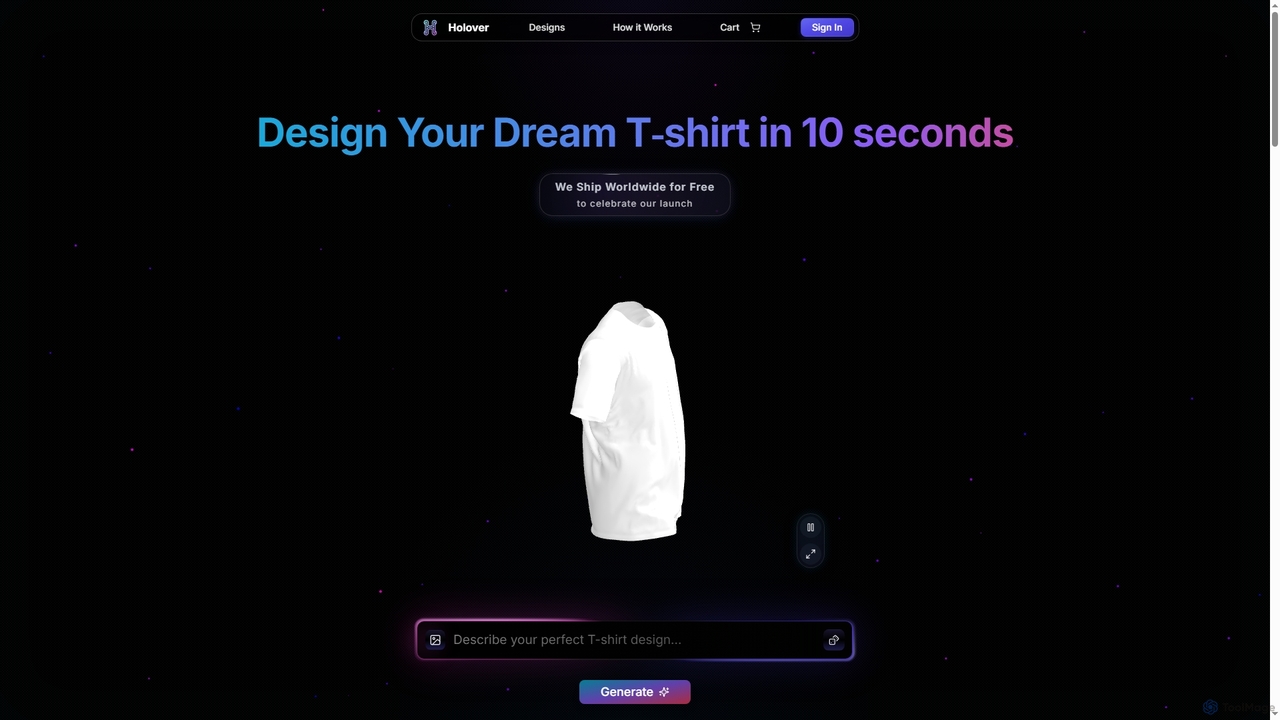
Holover is an AI-powered T-shirt generator that transforms your text prompts into unique, wearable art. Describe your idea, and the AI creates multiple designs in seconds. You can preview, edit, and order high-quality, custom-printed T-shirts made with premium materials, delivered worldwide.

Image Generator
Visits 5.8KFavorites 100Likes 100
Mock It AI
Paid

Mock It AI

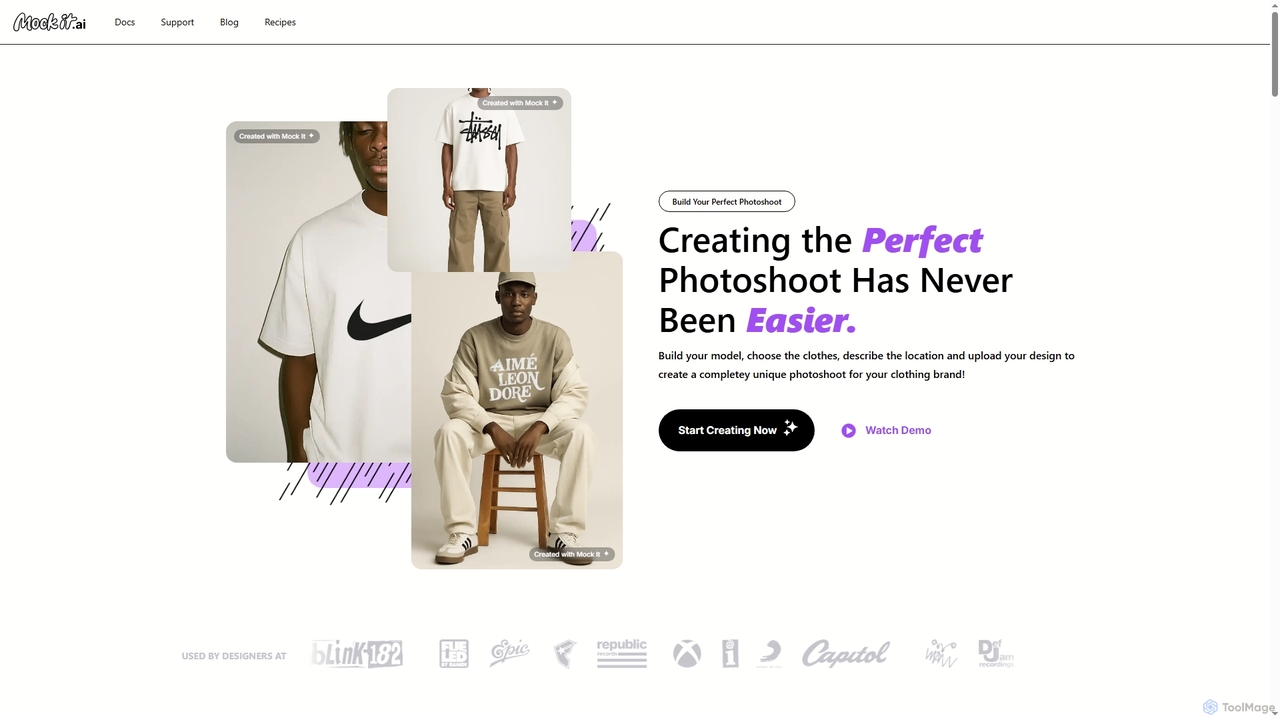
Mock It AI is an AI-powered photoshoot generator designed for clothing brands. It allows users to create unique, high-quality, and fully editable mockups in seconds by building custom models, choosing apparel, describing locations, and uploading their own designs.

Fashion
Visits 22KFavorites 173Likes 173
Visio
Paid

Visio

Visio is an AI-powered virtual photoshoot platform that enables fashion and e-commerce brands to create hyper-realistic, on-brand campaign imagery without traditional photoshoots. It generates custom AI models, performs virtual try-ons with 99% product accuracy, and automates the entire visual content creation workflow, drastically reducing costs and time-to-market.

Fashion
Visits 6KFavorites 161Likes 131
Refabric
Freemium

Refabric

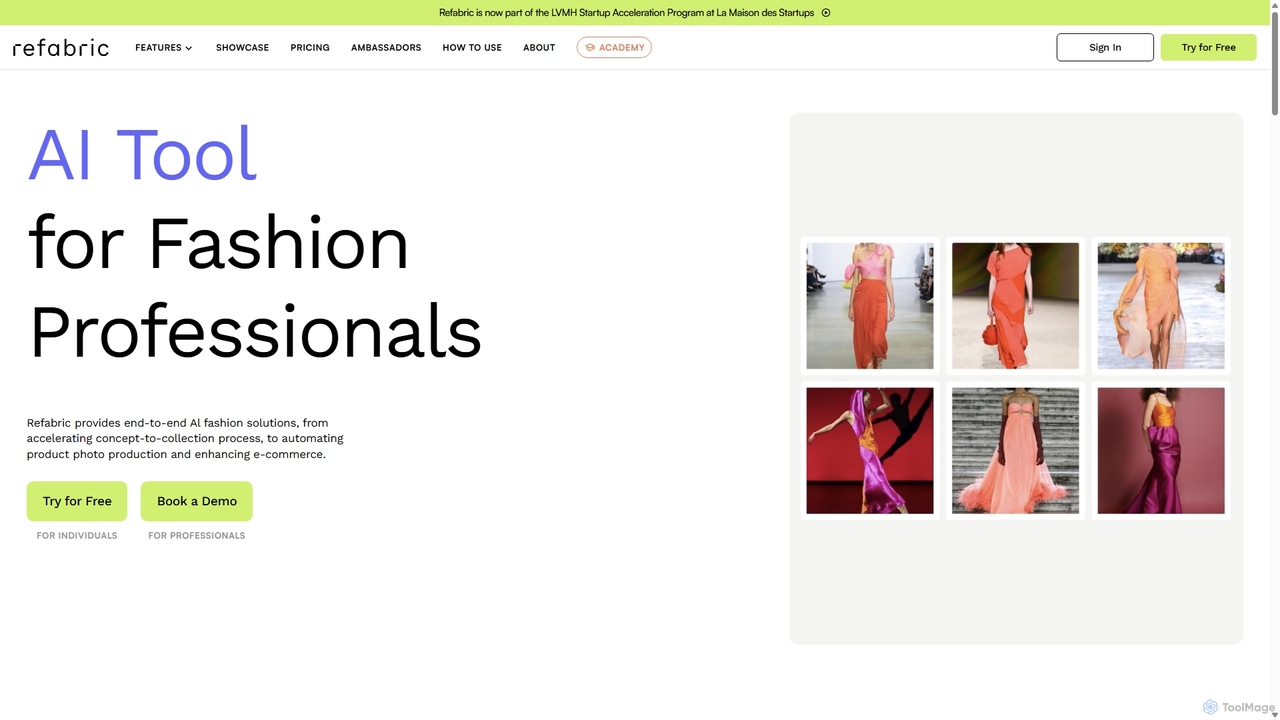
Refabric is an end-to-end AI-powered platform for fashion professionals. It accelerates the entire fashion lifecycle, from initial concept and collection design to automated product photoshoots and e-commerce imagery. Train a unique AI with your brand's DNA to ensure consistent, on-brand creative output.

Fashion
Visits 12.3KFavorites 107Likes 112
Adstronaut
Freemium

Adstronaut

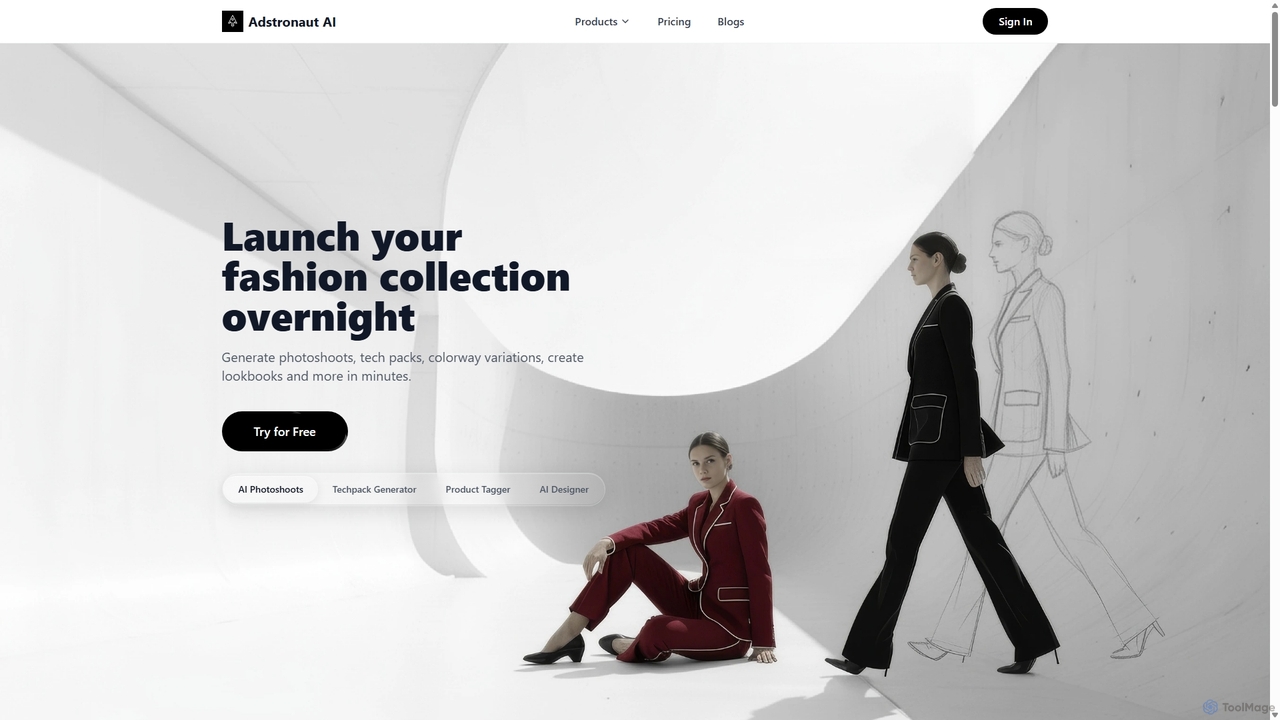
Adstronaut is an AI-powered platform for the fashion industry, designed to streamline the entire workflow from design to e-commerce. It enables users to generate professional photoshoots, create instant tech packs, automate product tagging for online stores, and develop new design concepts in minutes.

Fashion
Visits 10.7KFavorites 117Likes 118
Mercer
Paid

Mercer

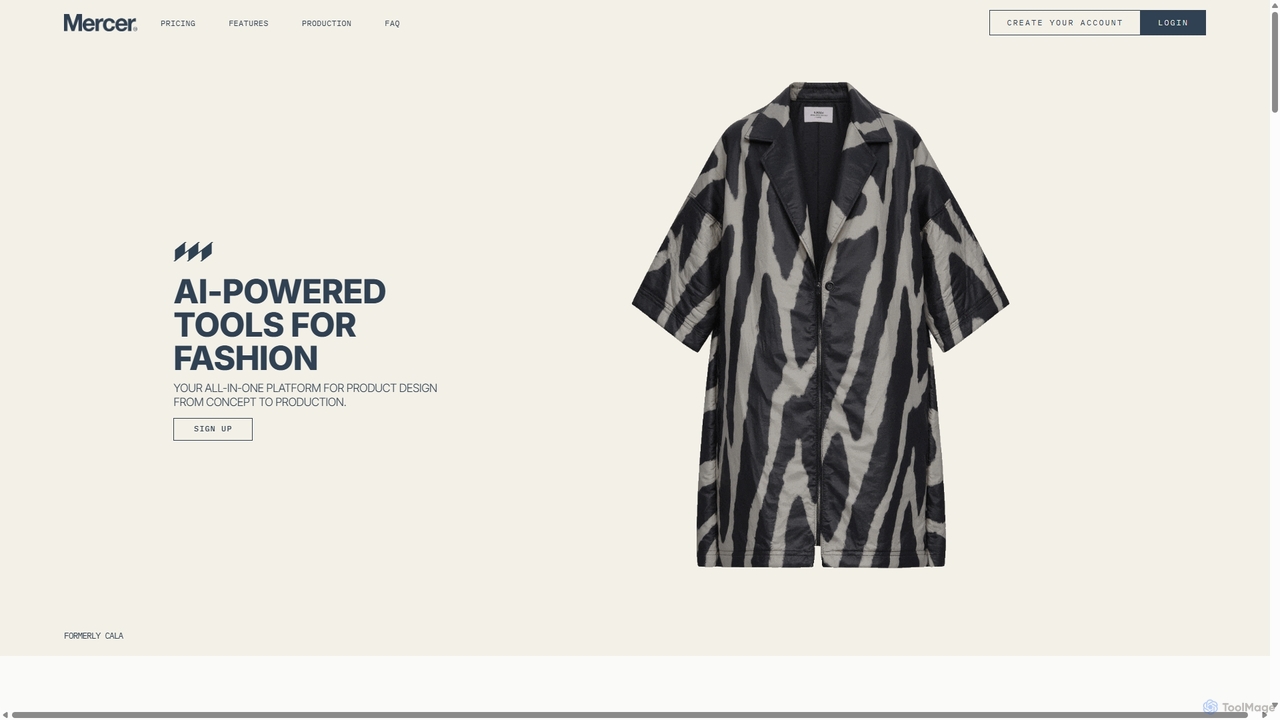
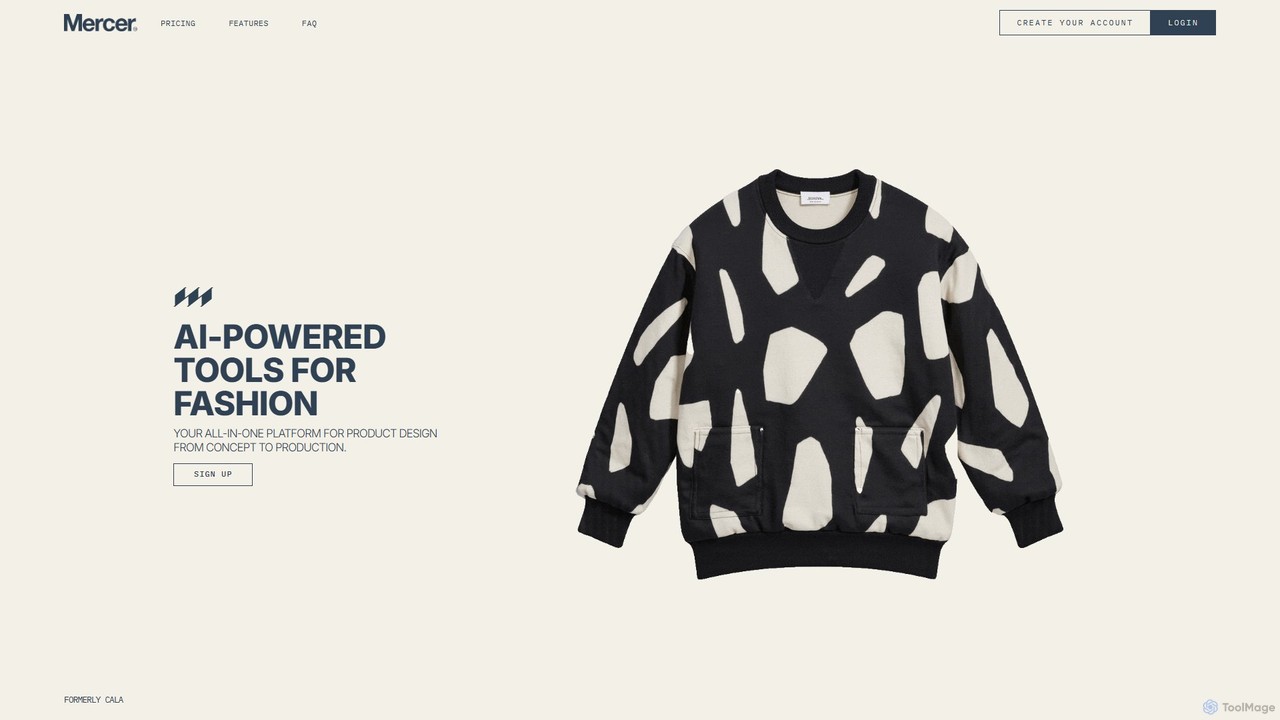
Mercer is an AI-powered platform built for the fashion industry. It enables designers and brands to centralize their creative process, maintain brand consistency with a trainable AI, and accelerate product development. Featuring tools like text-to-image generation, product variations, and AI editing, Mercer optimizes the entire fashion design workflow from initial concept to final visual, ensuring speed and brand cohesion.

Fashion
Visits 5.8KFavorites 154Likes 176
PrintGen
Paid

PrintGen

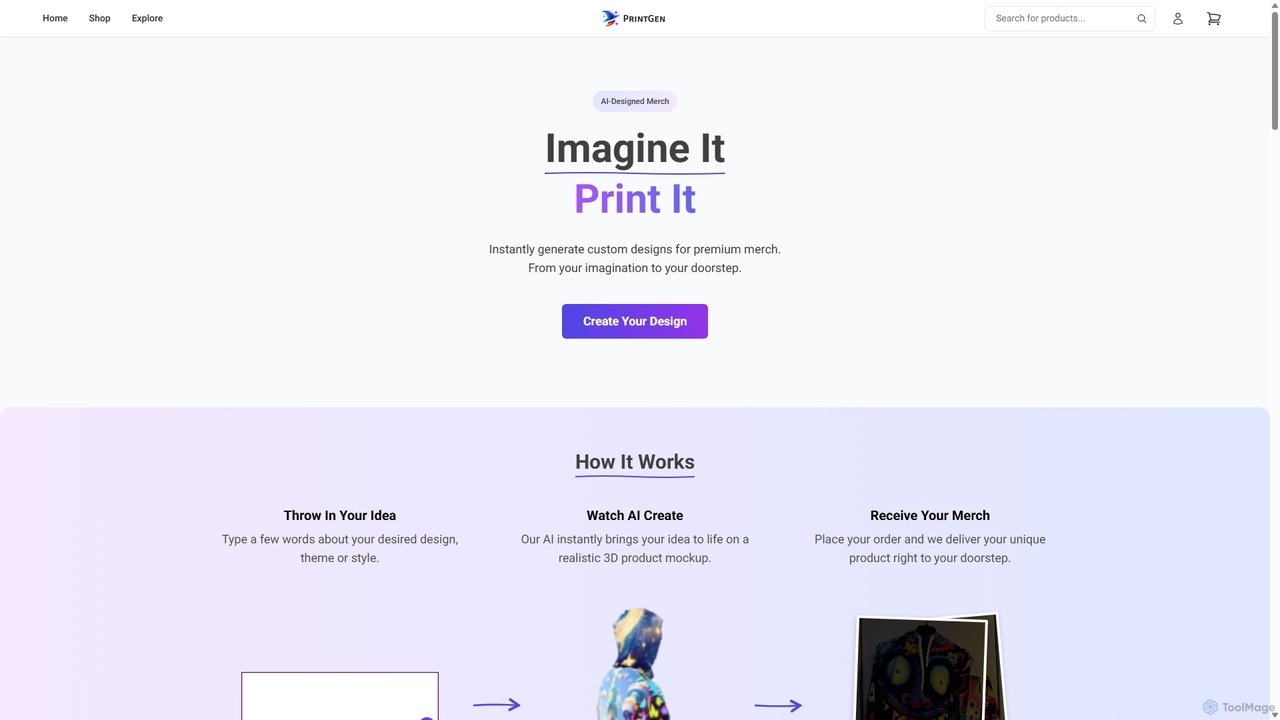
PrintGen is an AI-powered platform that transforms your text prompts into unique designs for custom merchandise. Instantly generate visuals for high-quality, sustainable products like hoodies, t-shirts, and phone cases, and have them delivered directly to your doorstep. No design skills needed.

Image Generator
Visits 7.4KFavorites 123Likes 136
Funfun
Freemium

Funfun

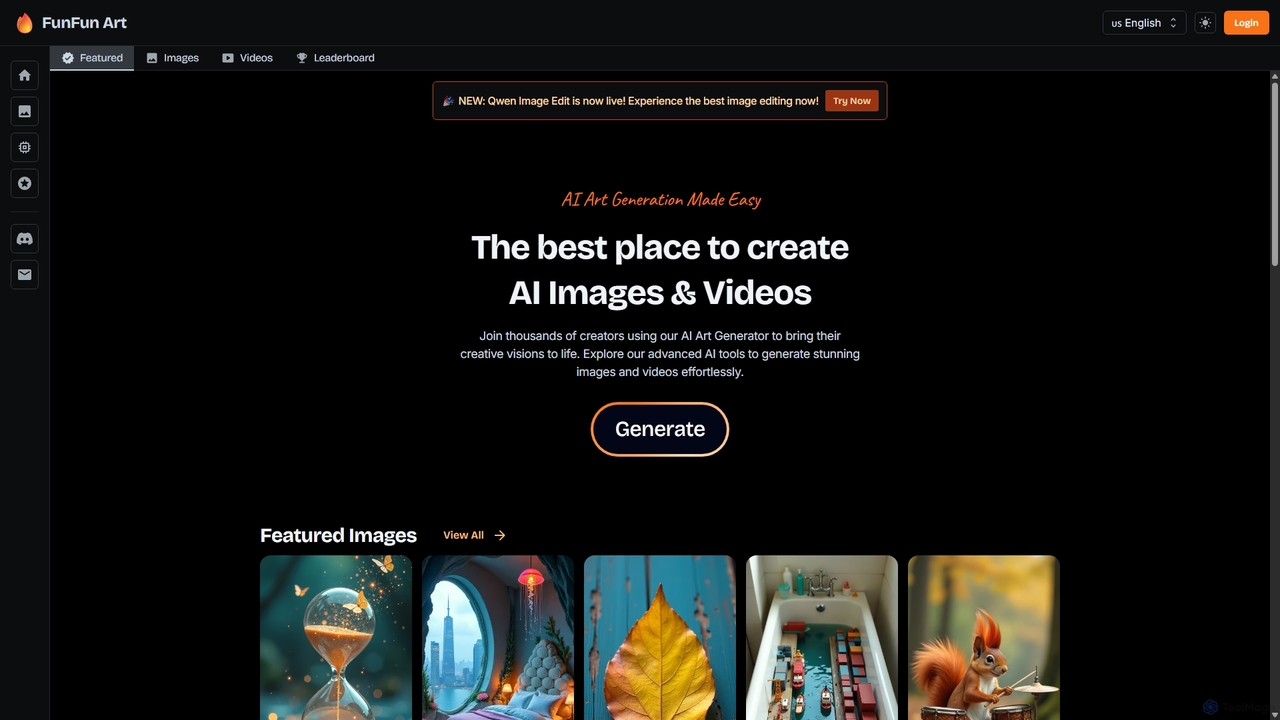
funfun is a versatile AI art generation platform for creating stunning images and videos. It offers diverse tools like Text-to-Image, Image-to-Video, and advanced image editing with models like Qwen and Flux. Unique features include a Virtual Try-On for fashion and specialized anime generation, making it ideal for artists, designers, and creators.

Fashion
Visits 221.4KFavorites 118Likes 122
Stylar
Freemium

Stylar

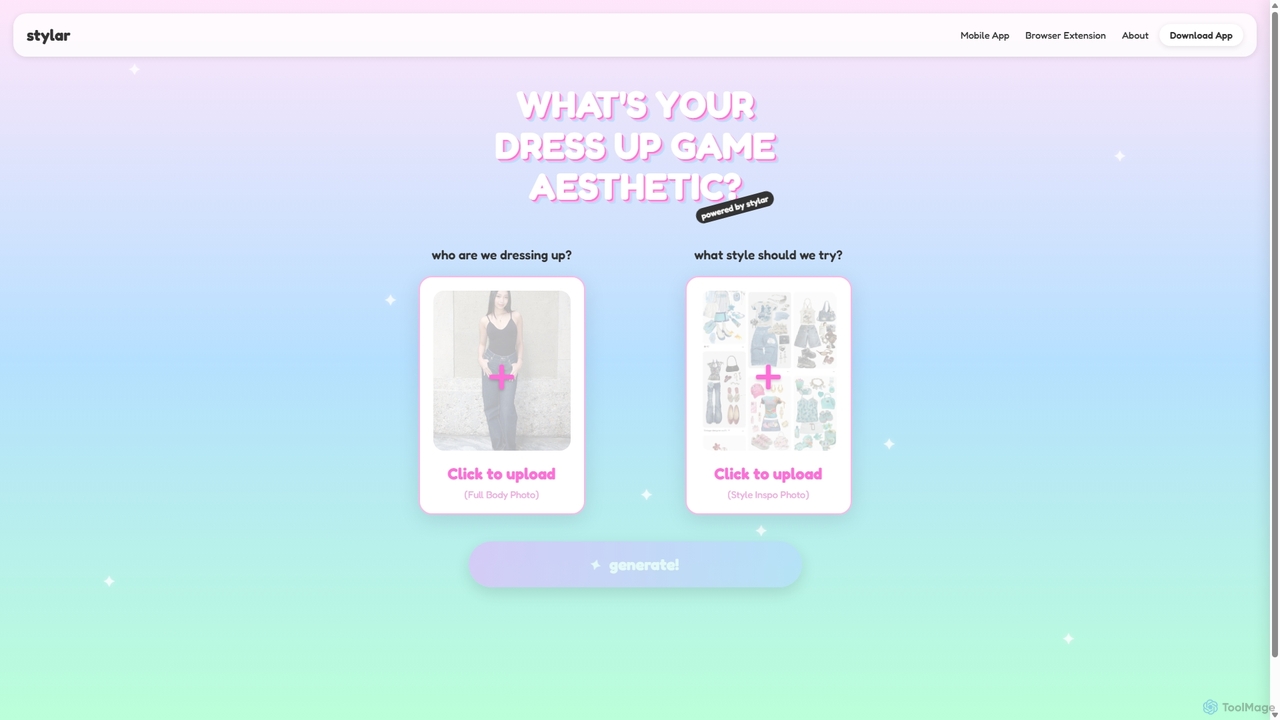
Stylar is an all-in-one AI creative suite for artists and designers, offering precise control over image generation. It combines text-to-image, image-to-image, and composition tools with a user-friendly layer-based interface. Ideal for fashion design, character creation, and concept art, Stylar empowers users to bring their exact creative vision to life with unparalleled control and flexibility across web, mobile, and browser extension platforms.

Generative Art
Visits 6.5KFavorites 147Likes 151
aiowear
Paid

aiowear

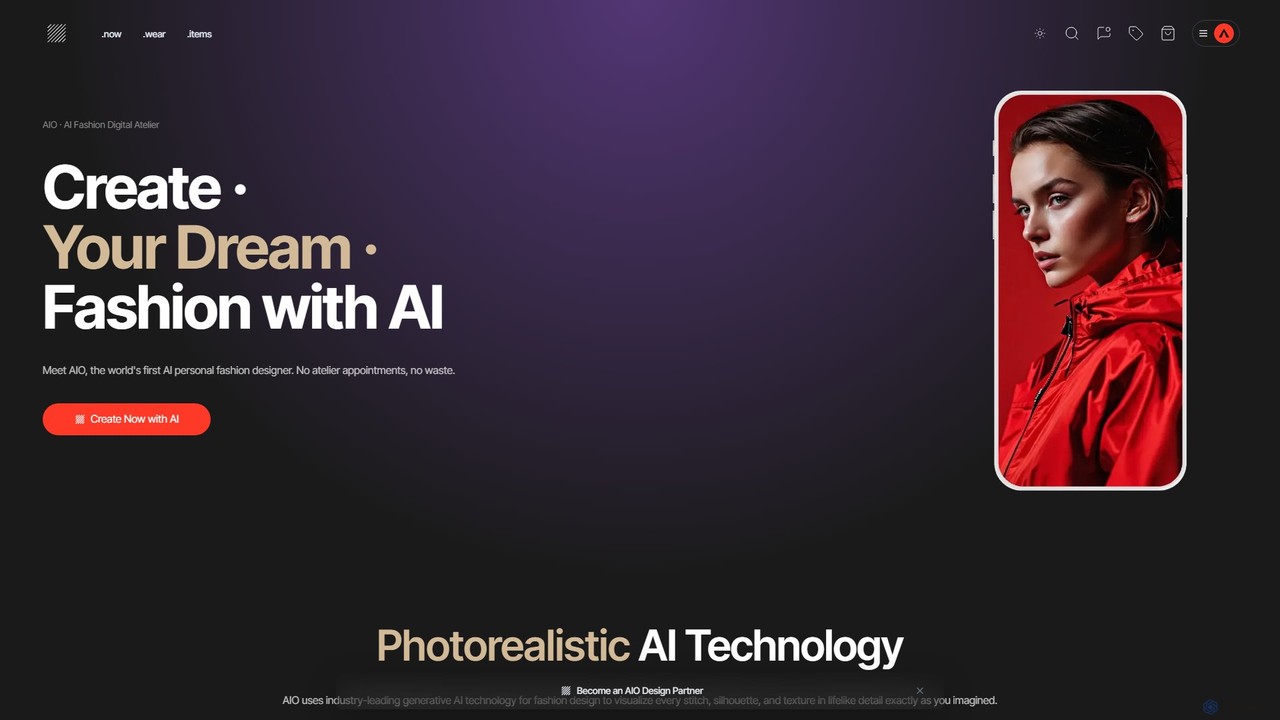
aiowear is an all-in-one AI Fashion Digital Atelier that empowers designers and brands to create, visualize, and manufacture clothing. Using generative AI, it transforms text prompts and sketches into photorealistic designs, facilitates virtual try-ons with custom models, and connects creators with a network of sustainable, made-to-order manufacturers. It's a complete ecosystem for the future of fashion, from initial concept to final sale.

Fashion
Visits 9.8KFavorites 138Likes 123
CPUmade
Freemium

CPUmade

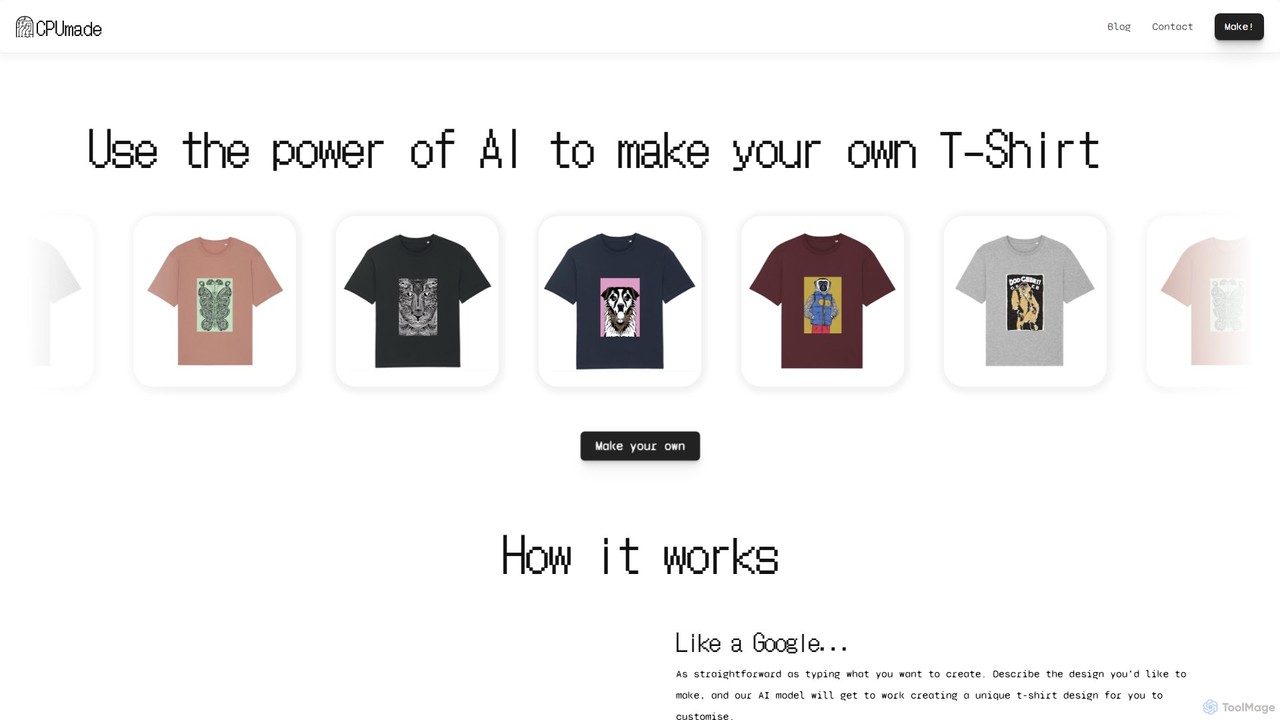
CPUmade is an AI-powered platform that allows you to design and create unique, custom T-shirts simply by describing your idea in text. It transforms your words into wearable art, handling everything from design generation to printing and global shipping.

Image Generation
Visits 5.8KFavorites 129Likes 122
GRASWALD AI
Paid

GRASWALD AI

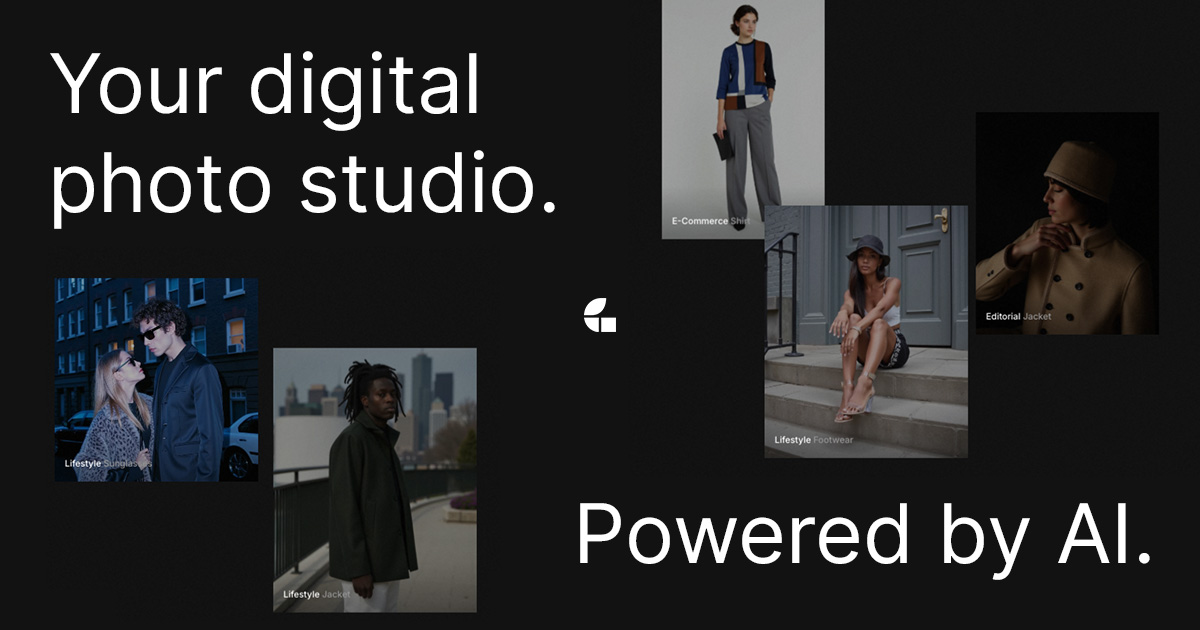
GRASWALD AI is an AI-powered digital photo studio for brands and enterprises. It enables the creation of high-quality product, lifestyle, and e-commerce visuals without traditional photoshoots. Train the AI with your products and brand style to generate infinite, on-brand images with custom avatars and poses.

Fashion
Visits 16.3KFavorites 136Likes 153
fermat
Freemium

fermat

fermat is a generative AI toolbox designed for the fashion and luxury industry. It empowers brands to streamline the entire design process, from generating ideas from mood boards and converting sketches into realistic renders, to applying materials and fitting garments on virtual models, significantly accelerating product visualization and marketing content creation.

Fashion
Visits 35.7KFavorites 150Likes 149
ClothingAI
Paid

ClothingAI

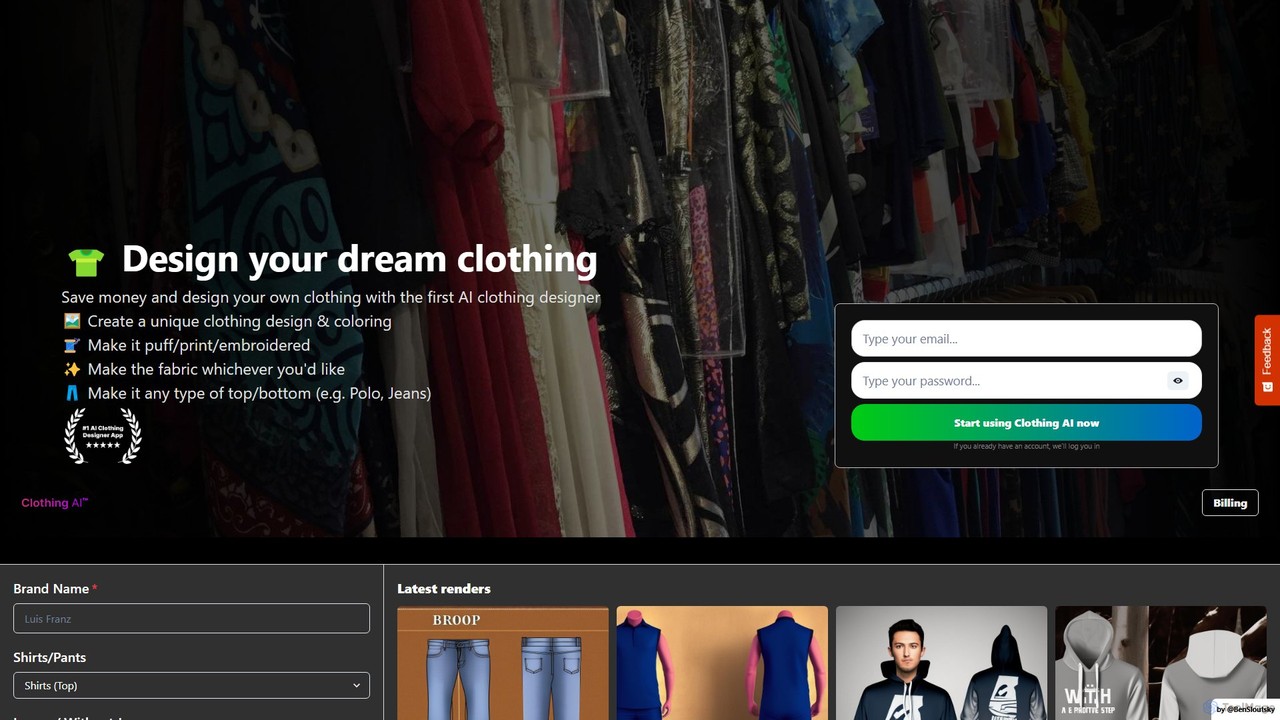
ClothingAI is a specialized AI fashion designer that transforms your ideas into unique clothing designs. Generate concepts for shirts, pants, and other apparel using text prompts. Specify styles, fabrics, colors, and details like embroidery or prints to visualize your dream clothing instantly.

Image Generator
Visits 8.1KFavorites 124Likes 128
fabfab.ai
Freemium

fabfab.ai

fabfab.ai is an AI-powered design platform for creating unique, seamless patterns for textiles, fashion, and surfaces. It enables designers, artists, and creators to generate high-quality, production-ready designs from simple text prompts or inspiration images, dramatically accelerating the creative process.

Image Generation
Visits 5.9KFavorites 132Likes 137
Lalaland.ai
Freemium

Lalaland.ai

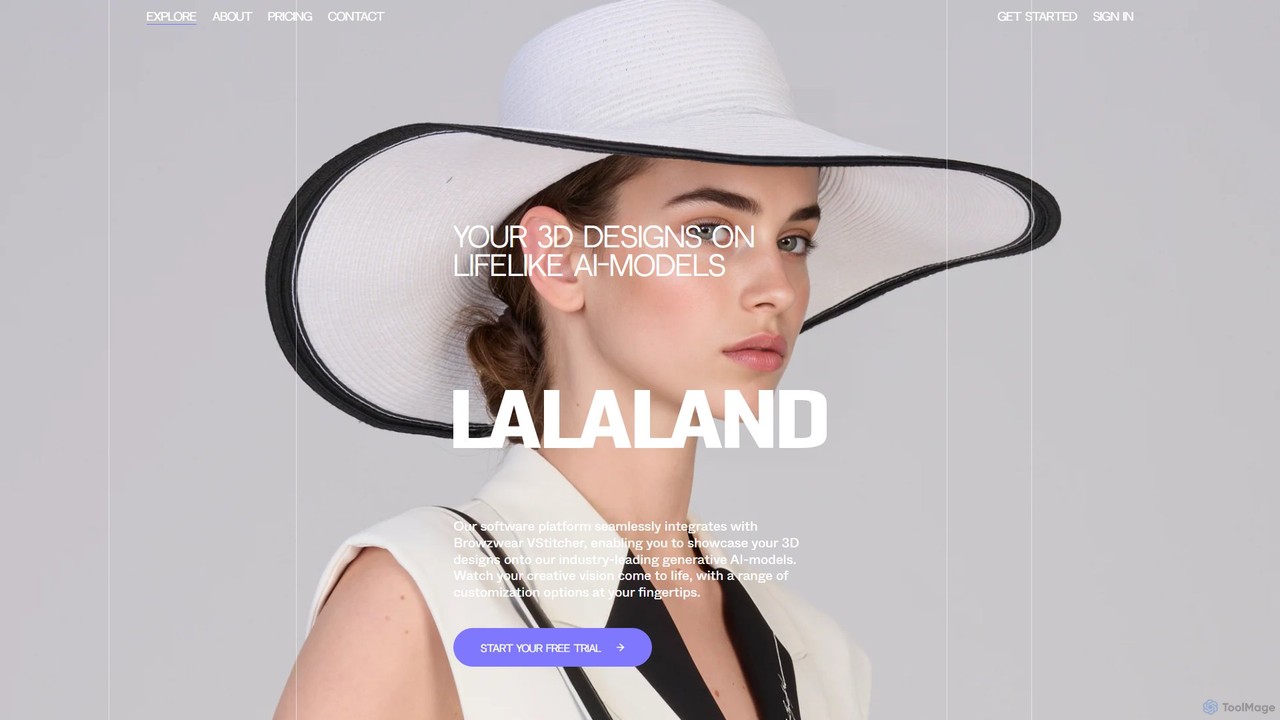
Lalaland.ai is an AI-powered digital model studio for the fashion industry. It enables brands to generate hyper-realistic, diverse, and inclusive virtual models to showcase 3D garment designs. This eliminates the need for physical photoshoots, reduces waste, accelerates time-to-market, and helps brands connect with a wider audience by presenting their collections on a variety of body types, sizes, and skin tones.

Modeling
Visits 5.9KFavorites 129Likes 131
LetzAI
Freemium

LetzAI

LetzAI is a creative AI platform that allows users to train personalized AI models of themselves, products, or artistic styles. Generate stunning, consistent images by tagging your unique models in prompts, and leverage powerful editing tools and a vibrant community to bring your creative visions to life.

Generative Art
Visits 35.4KFavorites 127Likes 120
Fynd
Freemium

Fynd

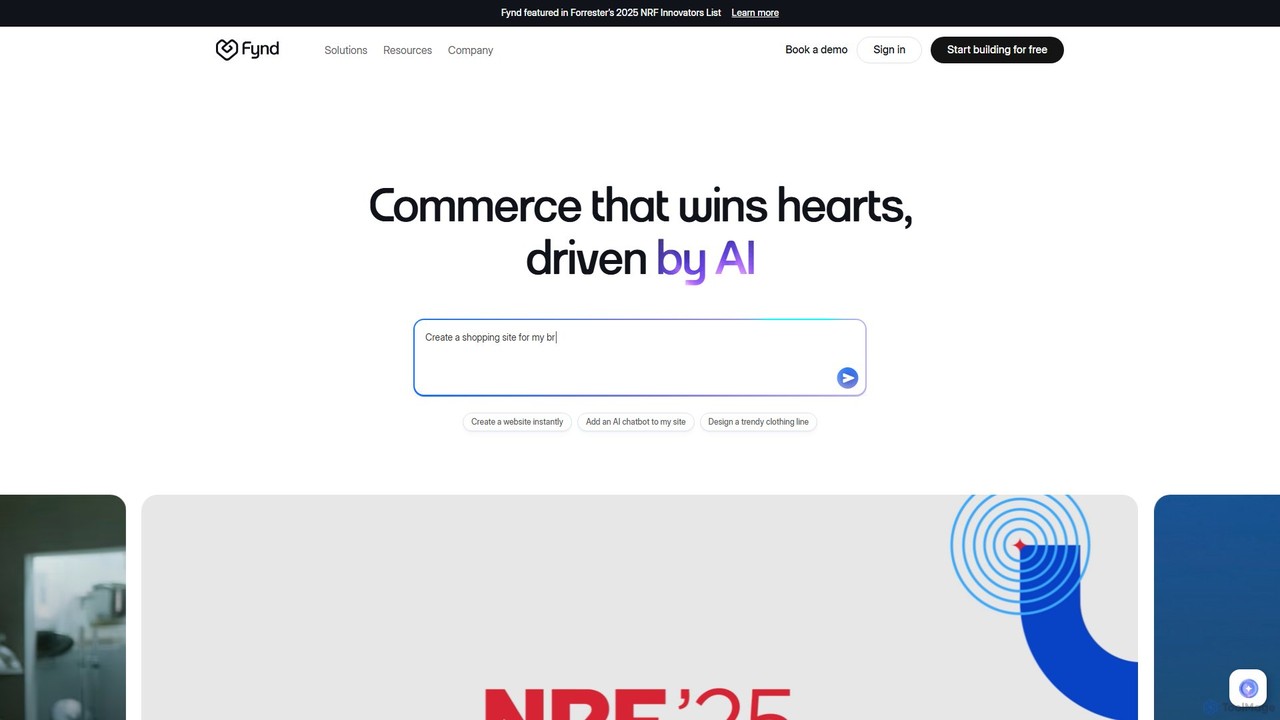
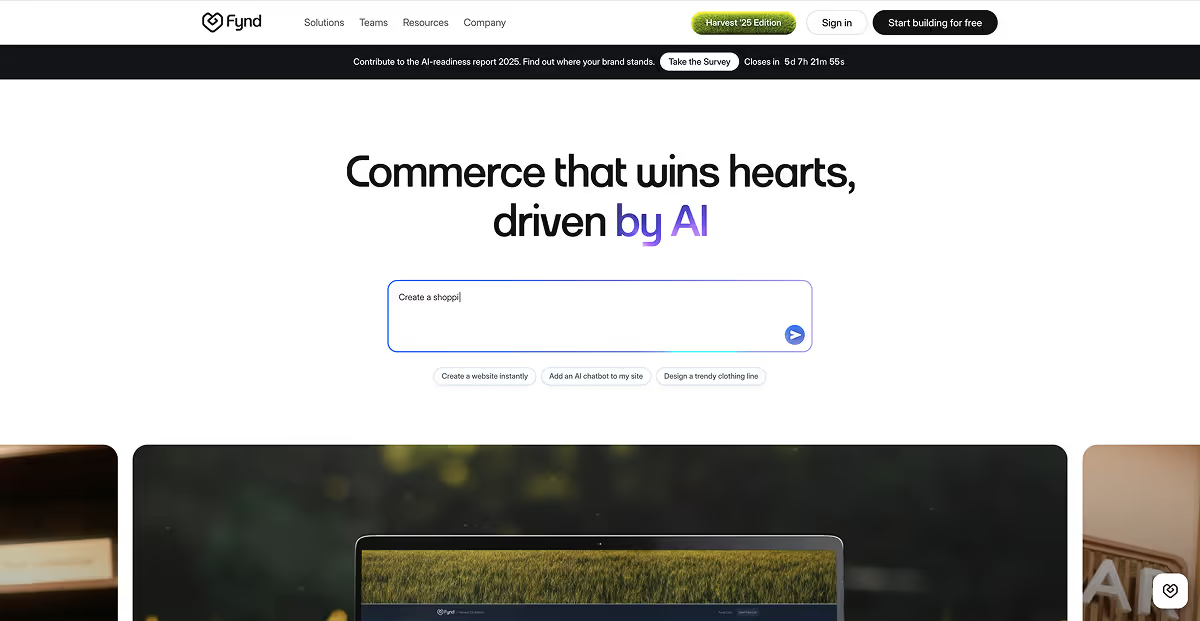
Fynd is an AI-powered omnichannel commerce platform designed for retail businesses. It provides a comprehensive suite of tools for online sales, in-store operations, fulfillment, and AI-driven design and marketing. Fynd helps brands unify their online and offline presence, automate workflows, and create enhanced customer experiences with technologies like AR, VR, and AI chatbots.

Fashion
Visits 244.4KFavorites 146Likes 139
Off/Script
Freemium

Off/Script

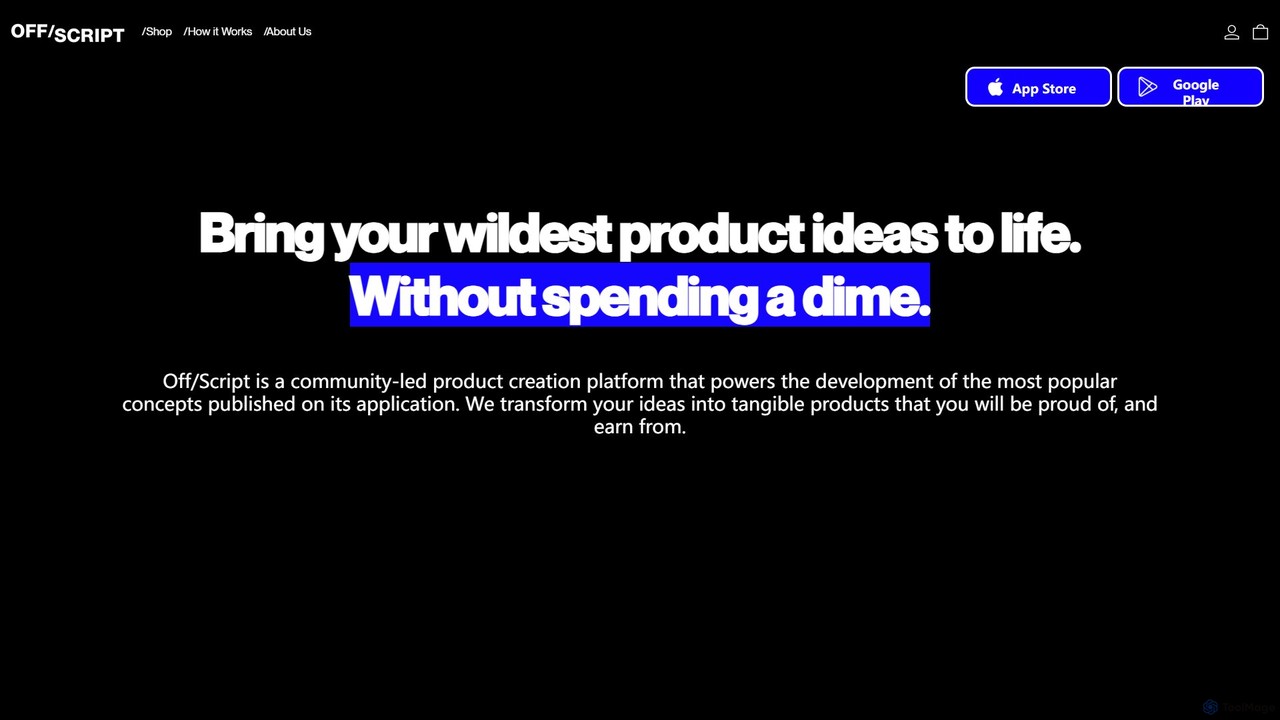
Off/Script is a community-led platform that uses AI to help creators design and launch physical products, like fashion and accessories, without any upfront cost. Submit your ideas, let the community vote, and if popular, Off/Script handles production and logistics, giving you 70% of the sales revenue.

Generative Art
Visits 6.1KFavorites 178Likes 159
ModaMind
Paid

ModaMind

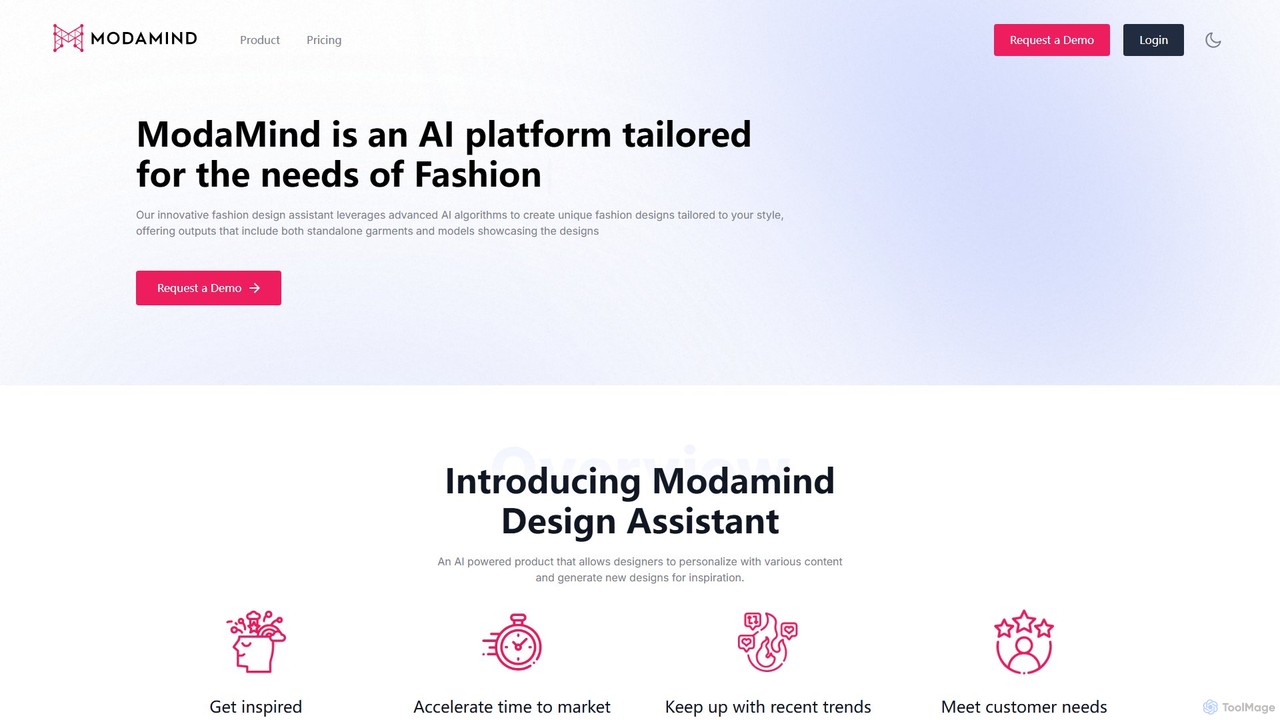
ModaMind is an AI-powered fashion design platform that helps designers ignite their creativity. It generates unique garment designs, patterns, and model showcases from text prompts or images. Features include style personalization, trend analysis, and the ability to train a custom AI on your brand's aesthetic, accelerating the entire design-to-market workflow.

Fashion
Visits 5.9KFavorites 158Likes 148
Mercer
Paid

Mercer

Mercer is an AI-powered platform designed for the fashion industry, enabling brands to centralize their design process, maintain brand consistency, and accelerate product development. It features tools for text-to-image creation, product variations, and AI-powered editing, all trained on your brand's unique aesthetic.

Fashion
Visits 9.7KFavorites 126Likes 129
TeeAI
Paid

TeeAI

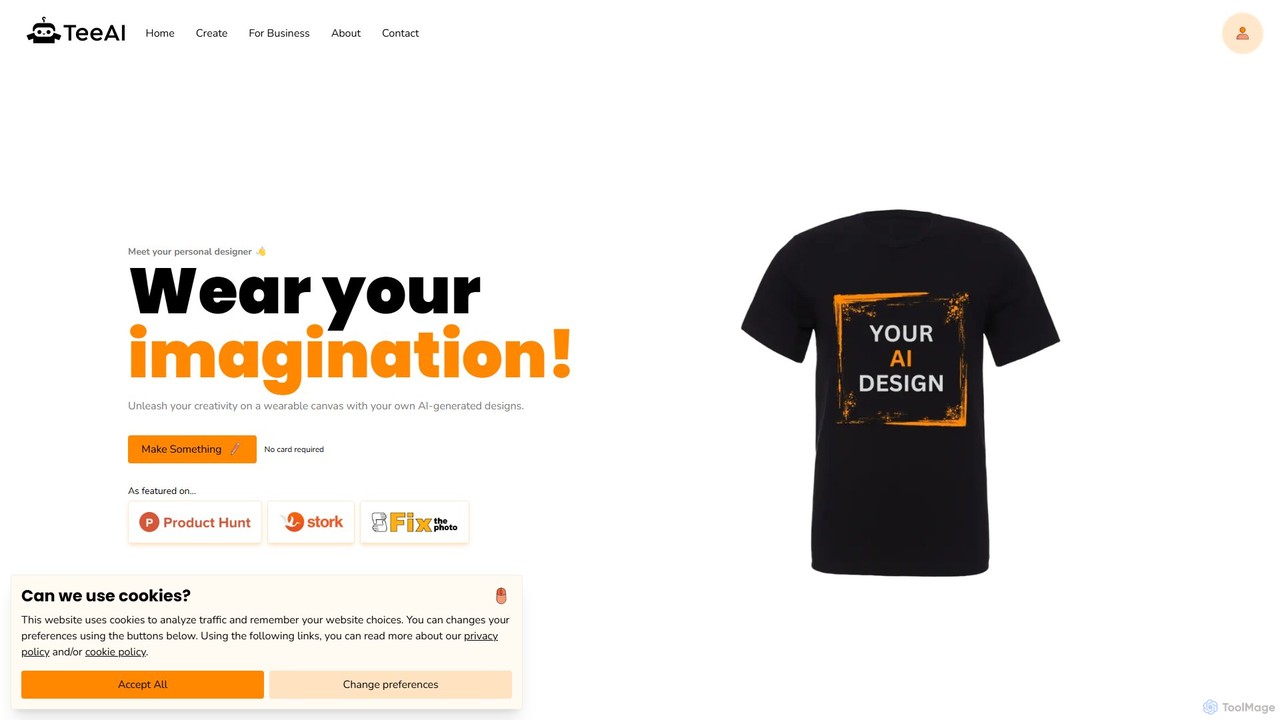
TeeAI is an innovative AI-powered platform that allows you to design and purchase custom T-shirts. Simply describe your idea in text, and the advanced AI will generate a unique, one-of-a-kind design for you to wear. It democratizes fashion design, making it accessible for anyone to transform their imagination into wearable art, with a focus on creativity, sustainability, and ethical practices.

Image Generator
Visits 7.3KFavorites 144Likes 127
supert
Paid

supert

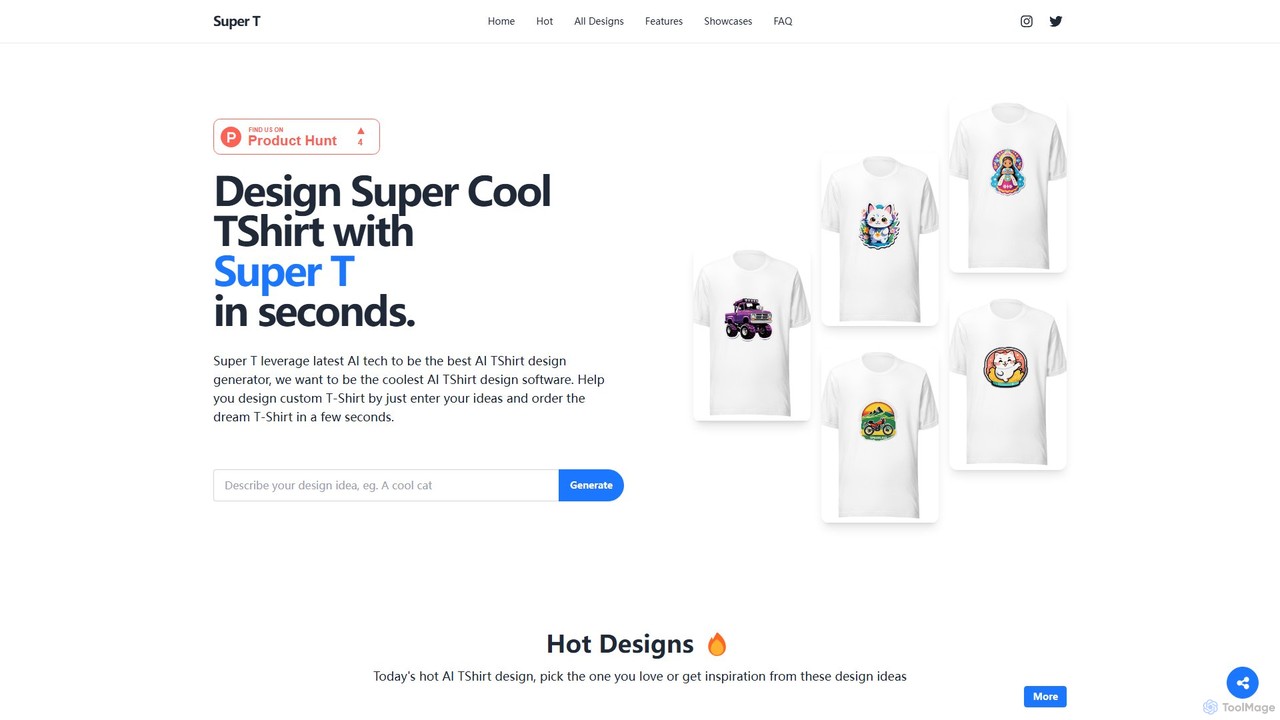
supert is an AI-powered T-shirt design generator that allows users to create unique, custom apparel in seconds. Simply input your design ideas as text prompts, and the AI will generate a visual design on a T-shirt mockup, ready for you to order and have shipped worldwide.

Image Generation
Visits 7.2KFavorites 99Likes 95
thenewblack
Freemium

thenewblack

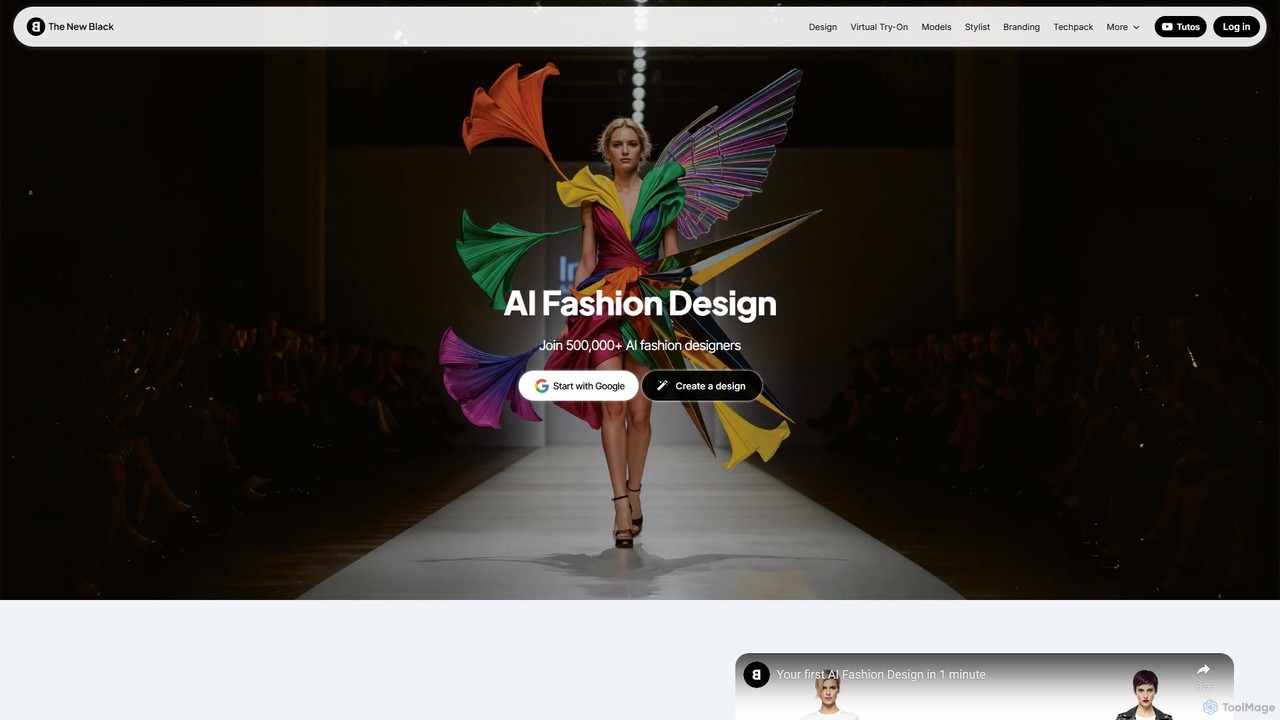
thenewblack is an AI-powered platform for fashion design, enabling over 500,000 designers and brands to create unique clothing, generate realistic AI models, and streamline the entire design process. It offers a comprehensive suite of tools from text-to-design and virtual try-on to AI-driven trend analysis and techpack creation.

Fashion
Visits 175.5KFavorites 139Likes 142

About Fashion

AI Fashion tools are a specialized category of design software that uses artificial intelligence to create, visualize, and personalize apparel. These tools leverage machine learning models to generate novel clothing designs, simulate garments on virtual models, and analyze market data to forecast trends. They empower designers and brands to accelerate the creative process, reduce physical sample waste, and deliver highly customized shopping experiences. The technology bridges the gap between digital design and real-world apparel production.

Core Features

  • AI Design Generation: Creates unique clothing designs, textile patterns, and colorways from text prompts or style inputs.
  • Virtual Try-On (VTO): Simulates how garments fit and drape on a user's body shape using photos or 3D avatars.
  • Trend Forecasting: Analyzes data from social media, runways, and sales to predict emerging styles, colors, and silhouettes.
  • Personalized Styling: Recommends outfits and products based on individual user preferences, purchase history, and body type.
  • 3D Garment Digitization: Converts 2D sketches or physical patterns into realistic 3D models for digital prototyping and fitting.

Use Cases

AI Fashion tools are primarily used by fashion designers, apparel brands, e-commerce retailers, and stylists. Designers use them to rapidly explore creative concepts and generate patterns. E-commerce platforms integrate virtual try-on to reduce return rates and enhance customer engagement. Buyers and merchandisers rely on trend forecasting to make informed inventory decisions.

How to Choose

When selecting an AI Fashion tool, consider its primary function: design generation, retail enhancement (VTO), or data analytics. Evaluate the accuracy and realism of its simulations or predictions. Check for integration capabilities with existing software like CAD, PLM, or e-commerce platforms. Finally, assess the user interface to ensure it aligns with the technical skills of your team, whether they are creative designers or data analysts.

Featured tool rankings

Fashion use cases

1

Enhance Online Shopping with Virtual Try-On

An e-commerce fashion brand integrates a Virtual Try-On (VTO) tool into its product pages. Shoppers can upload a photo or use their device's camera to create a personalized avatar. The AI then accurately simulates how different sizes and styles of a dress or jacket would fit their specific body measurements and shape. This provides a realistic preview, helping customers make confident purchasing decisions. As a result, the brand sees a significant reduction in return rates due to sizing issues and an increase in conversion rates and customer satisfaction.

2

Accelerate Fashion Collection Design

A fashion designer uses an AI design generation tool to brainstorm for an upcoming collection. By inputting a mood board, key themes like 'retro-futurism', and a desired color palette, the AI generates hundreds of unique textile patterns and garment silhouette variations in minutes. The designer can then select the most promising concepts, refine them, and quickly move to 3D prototyping. This process drastically shortens the initial ideation phase from weeks to a few hours, allowing for more creative exploration and faster time-to-market.

3

Predict Next Season's Key Trends

A fast-fashion retailer's buying team uses an AI trend forecasting platform to plan their next inventory purchase. The platform analyzes millions of data points in real-time, including social media posts, celebrity outfits, runway shows, and online search queries. It identifies emerging micro-trends, such as a specific shade of green or the return of a particular neckline. Armed with this data-driven insight, the team can confidently invest in styles that are likely to be in high demand, reducing the risk of overstocking unpopular items and maximizing profitability.

4

Create Personalized Style Recommendations

An online personal styling service uses an AI engine to provide hyper-personalized recommendations to its clients. Clients complete a style quiz and can upload photos of their existing wardrobe. The AI analyzes this data, along with their browsing history on the site, to understand their preferences for fit, color, and brand. It then generates curated outfit suggestions for various occasions, complete with shopping links. This automated yet personalized approach allows the service to scale its operations efficiently while maintaining a high level of client satisfaction and engagement.

5

Reduce Waste with 3D Digital Prototyping

A sustainable apparel brand uses AI-powered 3D design software to create digital prototypes of new garments. Instead of producing multiple physical samples for fitting and design reviews, the team works with a hyper-realistic 3D model. The AI simulates fabric drape, stretch, and fit on various avatar sizes. Designers can make real-time adjustments to patterns, seams, and colors digitally. This 'digital twin' approach significantly reduces textile waste, lowers sampling costs, and shortens the product development lifecycle, aligning with the brand's commitment to sustainability.

6

Automate Fashion Product Cataloging

A large online fashion marketplace uses an AI tool to automate the process of tagging and describing new products. When a vendor uploads product images, the AI's computer vision capabilities analyze each photo to identify attributes like clothing category (e.g., 'blouse'), style ('bohemian'), neckline ('V-neck'), pattern ('floral'), and color. It then automatically generates accurate product tags and a basic descriptive text. This saves thousands of hours of manual data entry, ensures consistency across the catalog, and improves product discoverability for customers through more precise search filters.

Fashion FAQ

What are AI Fashion tools?

AI Fashion tools are specialized software applications that use artificial intelligence to address challenges and opportunities within the fashion industry. They go beyond general design tools by focusing on specific tasks like generating novel garment designs, simulating fabric physics for virtual try-ons, and analyzing vast datasets to predict upcoming trends. Their primary goal is to enhance creativity, improve efficiency in the design-to-production pipeline, and create more personalized experiences for consumers.

How do I choose the right AI Fashion tool?

To choose the right tool, first identify your primary need. Are you a designer needing creative inspiration (design generation), an e-commerce store wanting to reduce returns (virtual try-on), or a buyer needing market insights (trend forecasting)?

  • Functionality: Ensure the tool's core features match your goal.
  • Accuracy: For VTO, check the realism of the simulation. For analytics, verify the data sources and prediction reliability.
  • Integration: Confirm it can connect with your existing workflow tools, such as Adobe Illustrator, CLO 3D, or Shopify.
  • Ease of Use: Select a tool with an interface appropriate for your team's technical expertise.
What's the difference between AI Fashion tools and general AI Design tools?

The key difference is specialization. General AI Design tools (the parent category) are broad, creating anything from logos and websites to abstract art. AI Fashion tools are highly specialized for the apparel industry. They incorporate industry-specific knowledge, such as pattern making, fabric physics for realistic draping, body measurement data for virtual fitting, and analysis of fashion-specific trend data. They solve problems unique to the fashion lifecycle, which general design tools are not equipped to handle.

Who can benefit from using AI Fashion tools?

A wide range of professionals and businesses in the fashion ecosystem can benefit:

  • Fashion Designers: For accelerating ideation, generating unique patterns, and creating digital prototypes.
  • Apparel Brands & Retailers: To optimize inventory with trend forecasting, enhance e-commerce with VTO, and personalize marketing.
  • Stylists: To create data-driven, personalized style recommendations for clients at scale.
  • Students & Educators: To learn and teach the future of fashion design and technology.
  • Consumers: To experience more engaging and confident online shopping through features like virtual try-on.
Is using AI in fashion replacing human designers?

No, AI in fashion is generally viewed as a collaborative tool, not a replacement for human creativity. AI excels at processing vast amounts of data, generating variations, and handling repetitive tasks, which can augment a designer's abilities. It acts as a powerful assistant, freeing up designers to focus on higher-level creative direction, conceptual thinking, and craftsmanship. The final aesthetic judgment, storytelling, and emotional connection in a collection still rely heavily on the designer's unique vision and intuition.