Customer Support Best in category 4 results Personalization AI Tool

Popular AI tools in the Personalization field of Customer Support include Dubb、Empathy.co、twinit、Convincely, etc., helping you quickly improve efficiency.

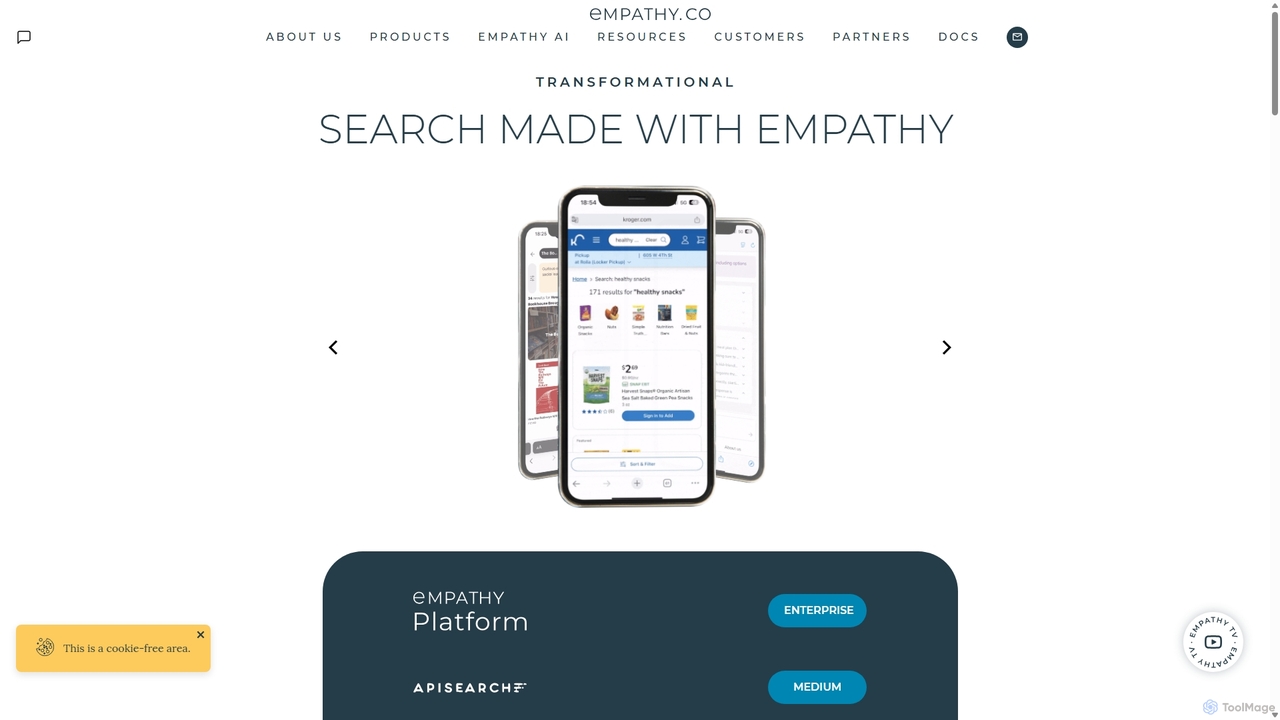
Empathy.co

Empathy.co

Empathy.co is an enterprise-grade AI search and discovery platform for e-commerce, built on the principles of ethical AI. …

21.4K
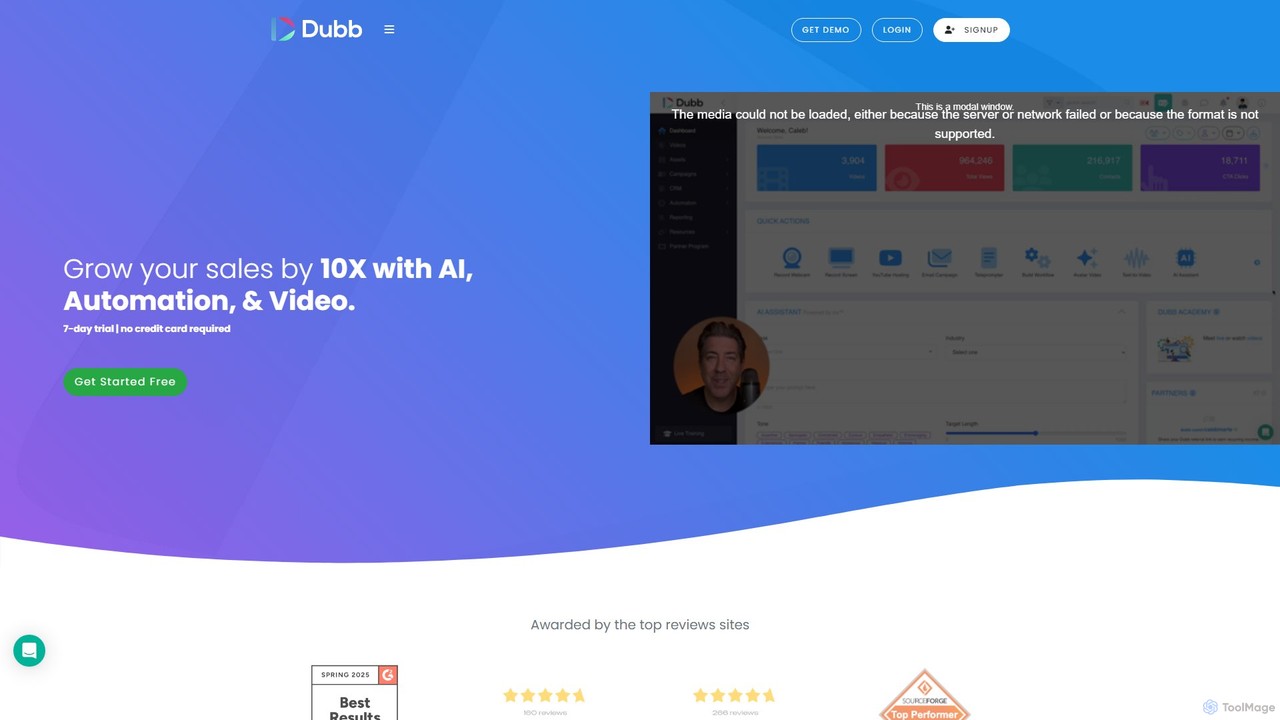
Dubb

Dubb

Dubb is an AI-powered video sales and communication platform designed to help businesses increase conversions, build trust, and …

64.2K
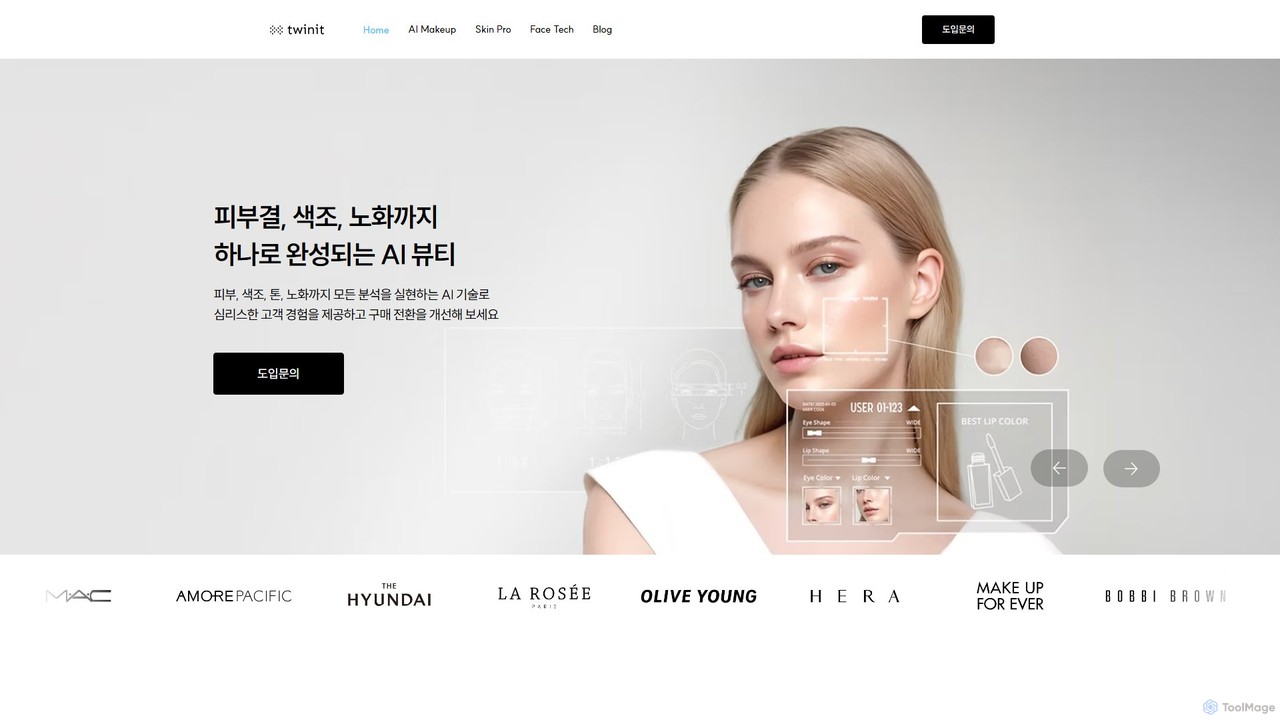
twinit

twinit

twinit is an advanced AI beauty technology solution offering hyper-realistic virtual makeup try-ons and in-depth skin analysis. Designed …

4.5K
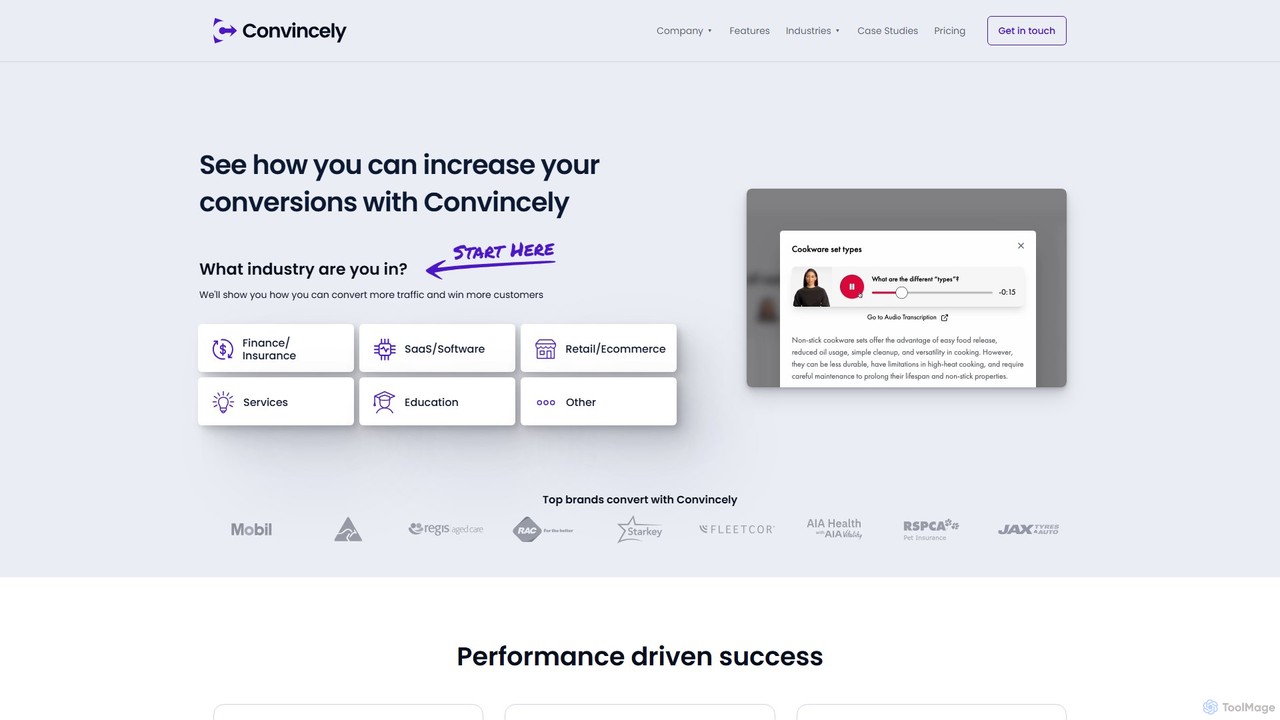
Convincely

Convincely

Convincely is an AI-powered Conversion Rate Optimization (CRO) platform that creates personalized, plug-in sales funnels. It combines advanced …

3.2K

About Personalization

Personalization tools are a class of AI-driven software that tailor customer interactions and content based on individual user data. These tools analyze behavioral, demographic, and transactional data to dynamically adjust experiences across various touchpoints, such as websites, apps, and support channels. By delivering relevant content and recommendations, they significantly enhance user engagement, satisfaction, and loyalty, making every support interaction more effective and context-aware. This approach transforms generic customer service into a proactive, one-to-one conversation.

Core Features

  • Behavioral Targeting: Delivers specific content or offers based on user actions, such as pages visited, clicks, and time spent.
  • Dynamic Content Delivery: Automatically modifies website or email content to match the profile and interests of each individual user.
  • Personalized Recommendations: Suggests products, articles, or help resources based on a user's past behavior and similar user profiles.
  • Customer Segmentation: Groups users into distinct segments based on shared characteristics for more targeted communication.
  • A/B Testing and Optimization: Allows for testing different personalized variations to determine the most effective approach for engagement and conversion.

Use Cases

Personalization tools are widely used in industries like e-commerce, SaaS, media, and finance. E-commerce platforms use them to create unique shopping experiences with tailored product suggestions. SaaS companies leverage these tools to personalize user onboarding flows and in-app guidance. In customer support, they help by proactively suggesting relevant help articles or connecting users to the right agent based on their history.

How to Choose

When selecting a Personalization tool, consider its integration capabilities with your existing CRM, analytics, and support platforms. Evaluate the sophistication of its data analysis and segmentation engine. Assess the ease of use for creating and managing personalization campaigns without requiring extensive technical knowledge. Finally, consider its scalability to handle your user volume and the variety of channels it supports.

PersonalizationUse Cases

1

Tailoring E-commerce Product Recommendations

An e-commerce manager aims to increase conversion rates and average order value. They use an AI personalization tool to analyze a visitor's real-time browsing behavior, past purchases, and items in their cart. The tool then dynamically displays a 'Recommended for You' section on the homepage and product pages, featuring items the customer is highly likely to purchase. This replaces generic 'Bestsellers' lists with highly relevant suggestions, leading to a more engaging shopping experience and higher sales.

2

Customizing SaaS User Onboarding Journeys

A product manager for a SaaS application wants to improve user activation and feature adoption. Using a personalization tool, they create different onboarding flows based on user roles (e.g., admin, editor, viewer) identified during signup. Each role receives a unique series of in-app tooltips, tutorials, and welcome emails that highlight the most relevant features for their job. This targeted guidance helps users quickly understand the value of the product for their specific needs, reducing churn and increasing long-term engagement.

3

Dynamically Surfacing Relevant Help Articles

A customer support team wants to reduce ticket volume by helping users self-serve. They integrate a personalization tool with their knowledge base. When a user logs in and visits the 'Help' section, the tool analyzes their user profile, recent in-app activity, and support history. It then automatically reorders the help articles, placing the most likely relevant topics at the top. For example, a user who frequently uses the 'billing' feature will see billing-related FAQs first. This proactive assistance resolves common issues before a ticket is even created.

4

Personalizing Marketing Email Content

A marketing team for an online course platform wants to increase email open and click-through rates. They use a personalization tool connected to their user database. Instead of sending one generic newsletter, they create a template with dynamic content blocks. The tool populates these blocks based on user data, such as courses they've viewed or their stated interests. A user interested in 'Python' sees Python-related course news, while another interested in 'Design' sees content about new design workshops. This relevance makes emails feel like personal communications, drastically improving engagement metrics.

5

Curating Personalized News Feeds

A digital media company wants to increase the time visitors spend on their site. They implement an AI personalization engine to power their homepage news feed. The engine tracks the topics, authors, and categories each user reads most. Over time, it learns their preferences and curates a unique feed for each returning visitor, prioritizing content they are most likely to find interesting. This transforms a static homepage into a dynamic, personal content hub, encouraging longer sessions and repeat visits.

6

Providing Context-Aware Chatbot Responses

A company's support chatbot often gives generic, unhelpful answers. To improve this, the support team integrates it with a personalization engine. Now, when a customer starts a chat, the chatbot accesses their profile, recent orders, and browsing history. If a customer asks, 'Where is my order?', the chatbot can respond with the specific order number and its current status, instead of asking for the order number. This context-aware support provides faster, more accurate resolutions and significantly improves the customer's perception of the automated support channel.

PersonalizationFrequently Asked Questions