Customer Support Best in category 5 results Customer Experience AI Tool

Popular AI tools in the Customer Experience field of Customer Support include Alchemer、TheyDo、theysaid、Miros、VAIVR, etc., helping you quickly improve efficiency.

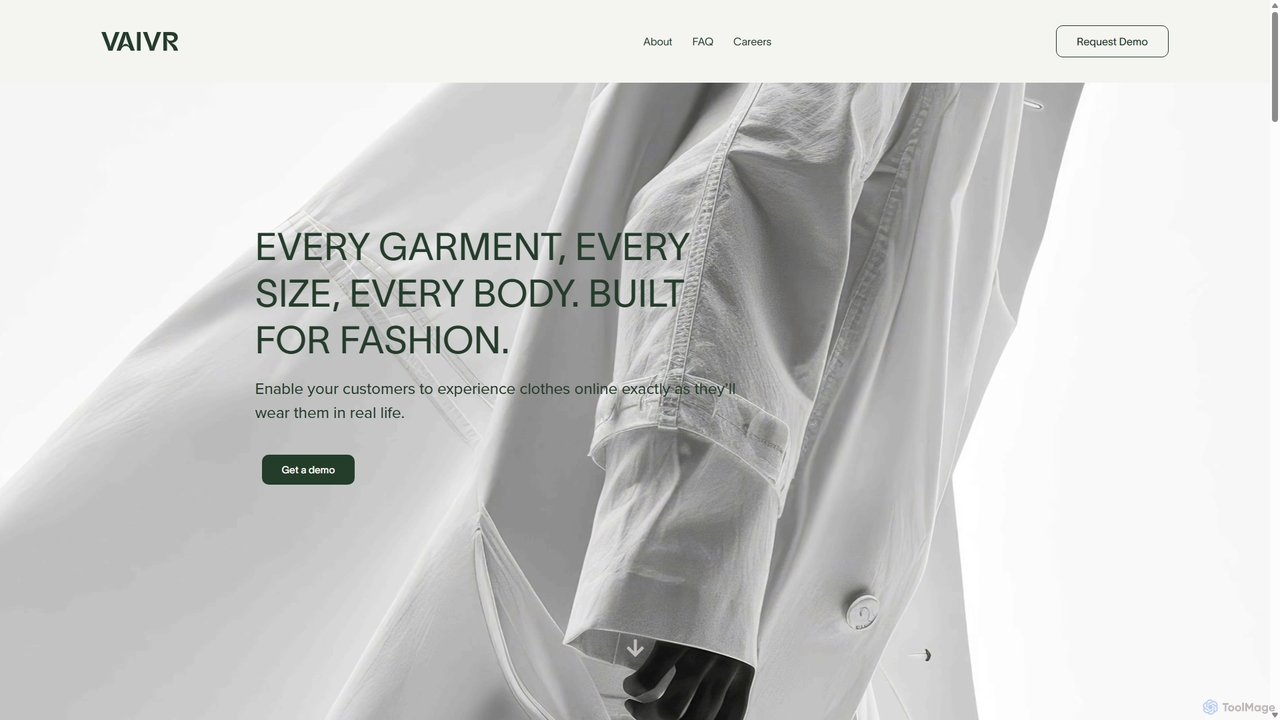
VAIVR

VAIVR

VAIVR is an AI-powered virtual try-on (VTO) solution for the fashion industry. It uses precision body modeling and …

2.8K
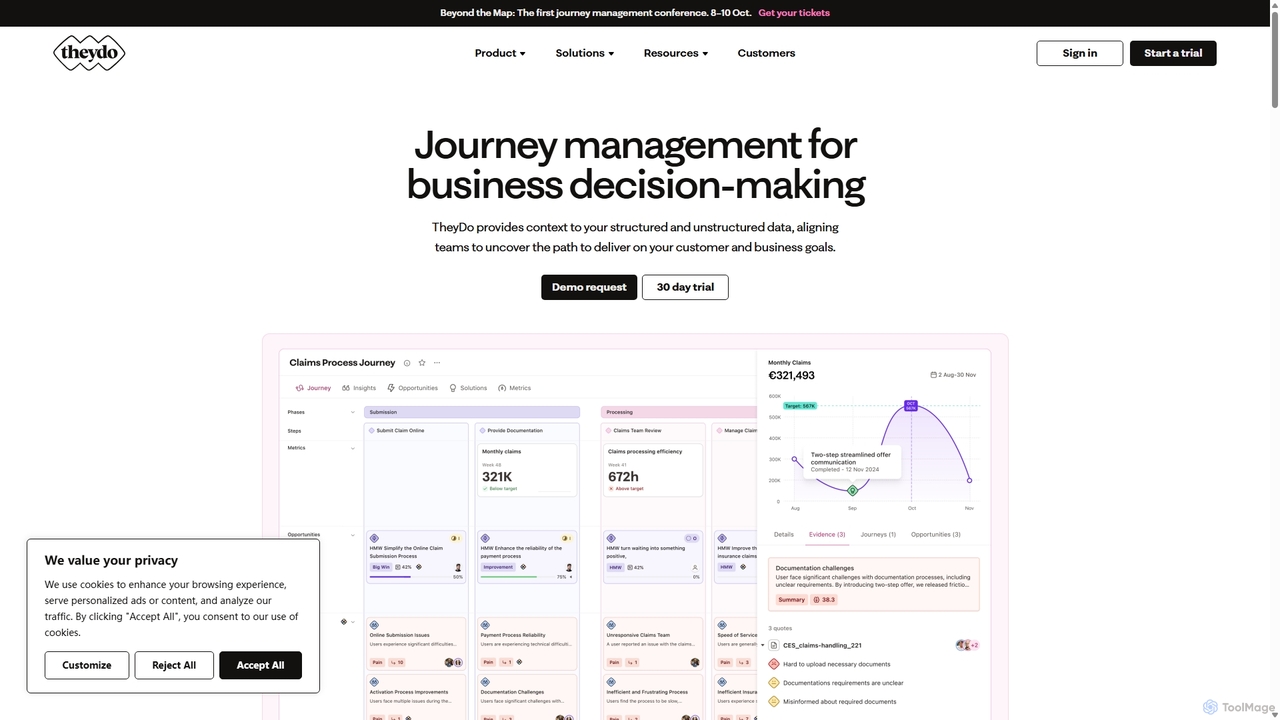
TheyDo

TheyDo

TheyDo is an AI-powered collaborative platform for customer journey management. It helps teams visualize, manage, and optimize the …

64.8K
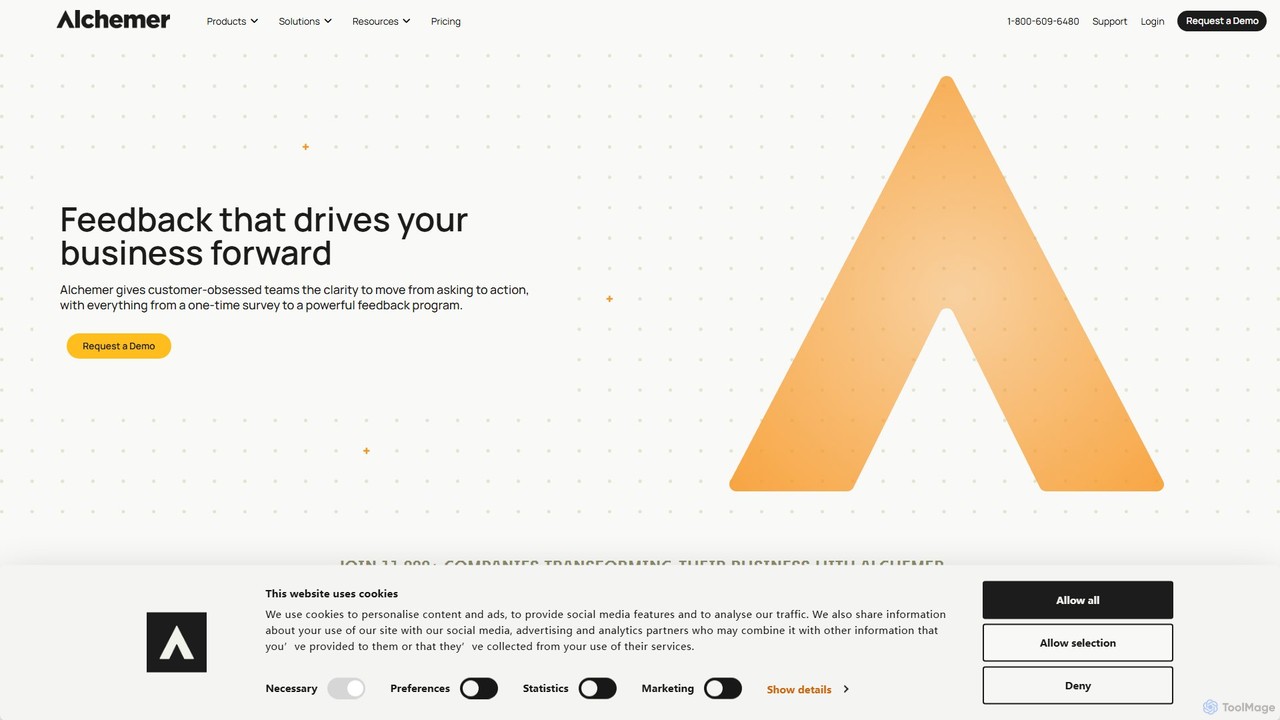
Alchemer

Alchemer

Alchemer is a powerful online survey and feedback management platform that helps businesses collect and analyze customer, market, …

11.6M
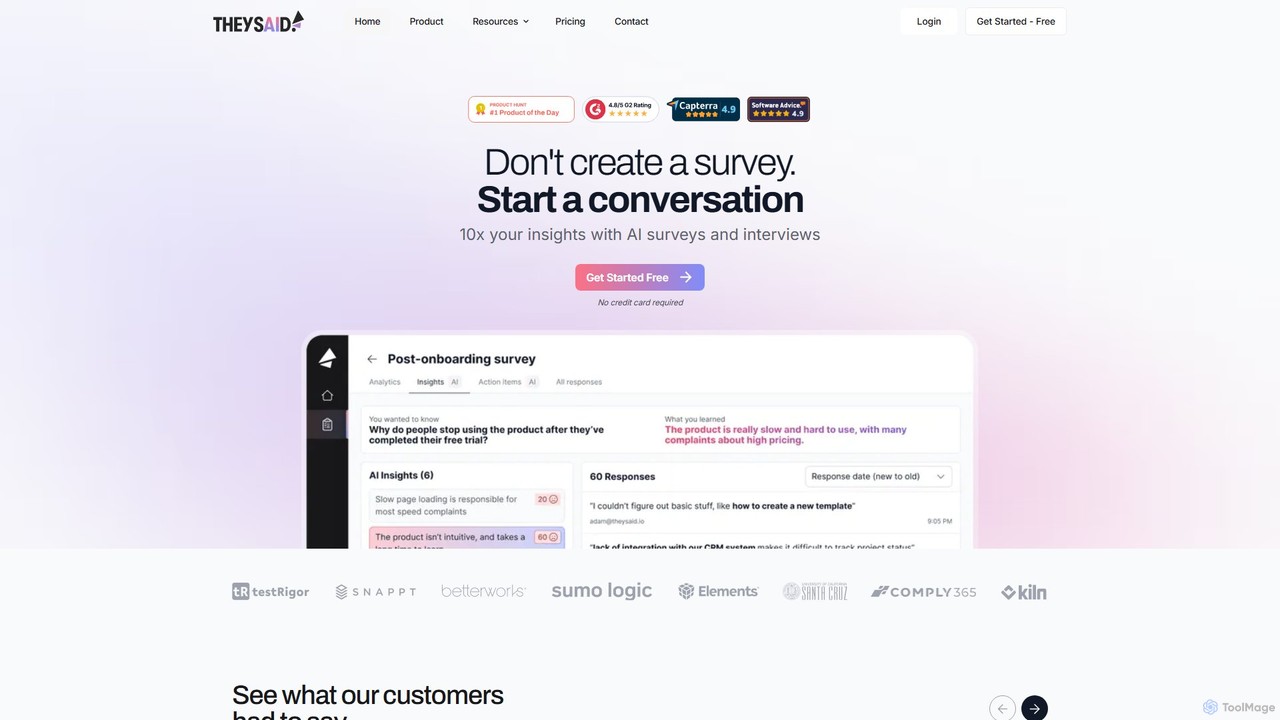
theysaid

theysaid

theysaid is an AI-powered survey platform that transforms traditional data collection into dynamic, conversational experiences. It helps businesses …

30.4K
Miros

Miros

Miros is an AI-powered search and product discovery platform for e-commerce. It utilizes advanced visual and semantic AI, …

7.4K

About Customer Experience

AI Customer Experience tools are a specialized category of software designed to analyze, manage, and optimize the entire customer journey. Leveraging technologies like natural language processing (NLP) and machine learning, these tools go beyond traditional customer support by proactively identifying friction points and opportunities for delight. They enable businesses to understand customer sentiment at scale, personalize interactions across all touchpoints, and ultimately build stronger, more loyal relationships. This proactive approach helps predict customer needs rather than simply reacting to issues.

Core Features

  • Sentiment Analysis: Automatically gathers and interprets customer emotions from text and voice data across various channels.
  • Customer Journey Analytics: Maps and analyzes user interactions across multiple touchpoints to identify patterns and pain points.
  • Predictive Churn Modeling: Uses historical data and behavioral patterns to identify customers at high risk of leaving.
  • Real-time Personalization: Delivers dynamic content, product recommendations, and offers based on individual user behavior.
  • Unified Feedback Platform: Consolidates feedback from surveys (NPS, CSAT), reviews, and social media into a single dashboard.

Use Cases

These tools are widely used in e-commerce, SaaS, finance, and hospitality sectors. Product managers use them to understand feature adoption, marketing teams to personalize campaigns, and CX leaders to monitor brand health and reduce customer churn. They provide a holistic view of the customer that isolated support tools cannot offer.

How to Choose

When selecting a tool, consider its data integration capabilities (e.g., with your CRM, helpdesk), the depth of its analytical models, its ability to scale with your customer base, and the clarity of its dashboards. Evaluate whether it focuses more on feedback analysis, journey orchestration, or personalization to match your primary business goal.

Customer ExperienceUse Cases

1

Proactively Reducing Customer Churn in a SaaS Business

A SaaS product manager notices a slight increase in subscription cancellations. They use an AI Customer Experience platform to connect user behavior data (low feature usage, infrequent logins) with support ticket sentiment. The AI identifies a specific user segment struggling with a new feature and predicts which accounts are at high risk of churn. This allows the customer success team to proactively reach out with targeted training materials and support, reducing churn by a measurable percentage in the next quarter.

2

Personalizing the E-commerce Shopping Journey

An online fashion retailer wants to increase conversion rates. Their AI CX tool analyzes a visitor's real-time browsing behavior, past purchases, and viewed items. Based on this data, the platform's personalization engine dynamically adjusts the homepage, recommends complementary products, and triggers targeted offers for abandoned cart items. This creates a unique shopping experience for each user, leading to a measurable lift in average order value and customer loyalty.

3

Analyzing Customer Feedback to Guide Product Development

A mobile app development team needs to prioritize its next feature release. Instead of manually sifting through thousands of App Store reviews and support emails, they use an AI CX tool. The tool automatically aggregates all feedback, performs sentiment analysis, and identifies recurring themes and feature requests, such as 'dark mode' or 'better search functionality.' This data-driven insight allows the team to confidently build features that customers actually want, improving user satisfaction scores.

4

Improving Call Center Agent Performance with Voice Analytics

A financial services company aims to enhance the quality of its customer support calls. Their AI Customer Experience platform analyzes call recordings at scale. It transcribes the conversations and performs sentiment analysis on both the customer's and the agent's tone. The system flags calls with high customer frustration and identifies moments where agents successfully de-escalated issues, providing specific, actionable feedback for agent coaching and training programs.

5

Optimizing the Omnichannel Experience for a Retail Brand

A retail brand with both physical stores and an online presence wants to create a seamless customer journey. An AI CX platform tracks customer interactions across all touchpoints: website visits, mobile app usage, in-store purchases, and social media comments. It identifies friction points, such as a difficult online checkout process or inconsistent in-store service. By unifying this data, the brand can make targeted improvements to ensure a consistent and positive experience, regardless of how the customer chooses to interact.

6

Measuring and Improving Brand Perception in Real-Time

A marketing team for a consumer electronics brand needs to monitor public sentiment after a new product launch. They use an AI CX tool to track mentions across social media, news sites, and review platforms. The AI analyzes the sentiment of these mentions, categorizes topics of discussion (e.g., price, battery life, design), and presents the data in a real-time dashboard. This allows the team to quickly address negative feedback, amplify positive stories, and make agile adjustments to their marketing messaging.

Customer ExperienceFrequently Asked Questions