E Commerce Best in category 4 results Virtual Try On AI Tool

Popular AI tools in the Virtual Try On field of E Commerce include dressmycrib、Genlook、Jeeliz、TryOnHub.AI, etc., helping you quickly improve efficiency.

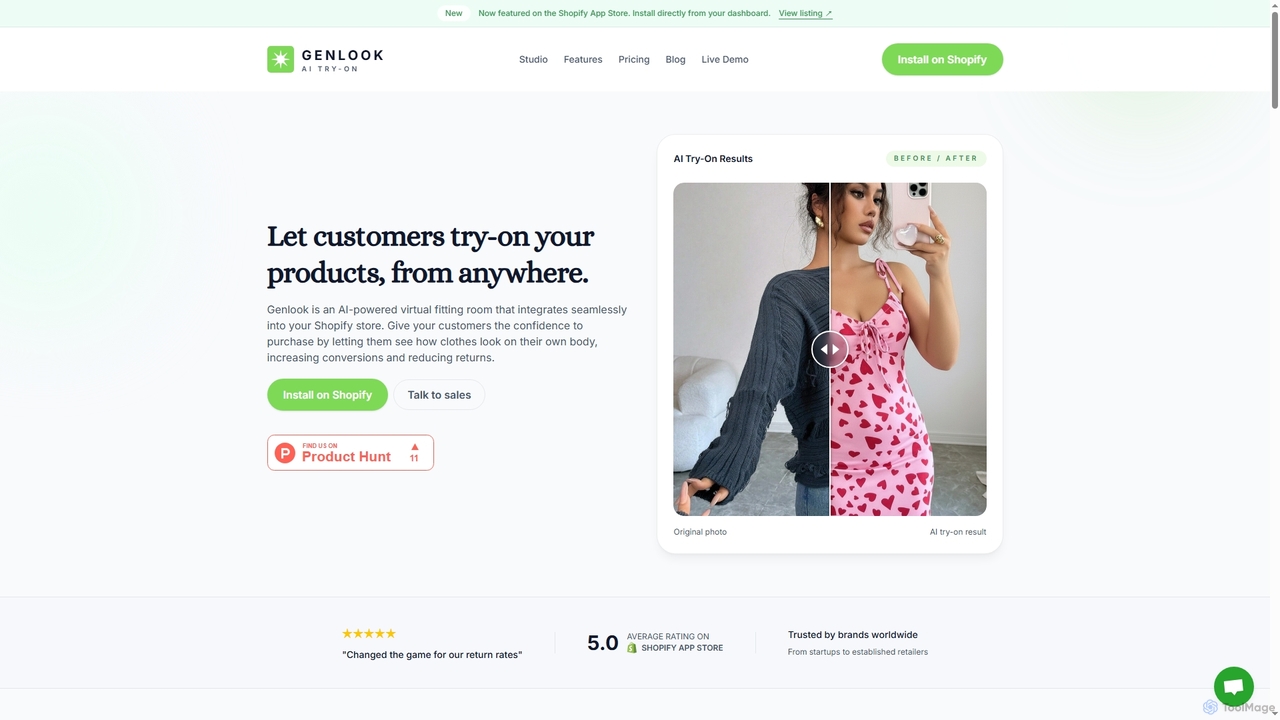
Genlook

Genlook

Genlook is an AI-powered virtual try-on solution for Shopify stores. It allows customers to see how clothes look …

23.0K
Free
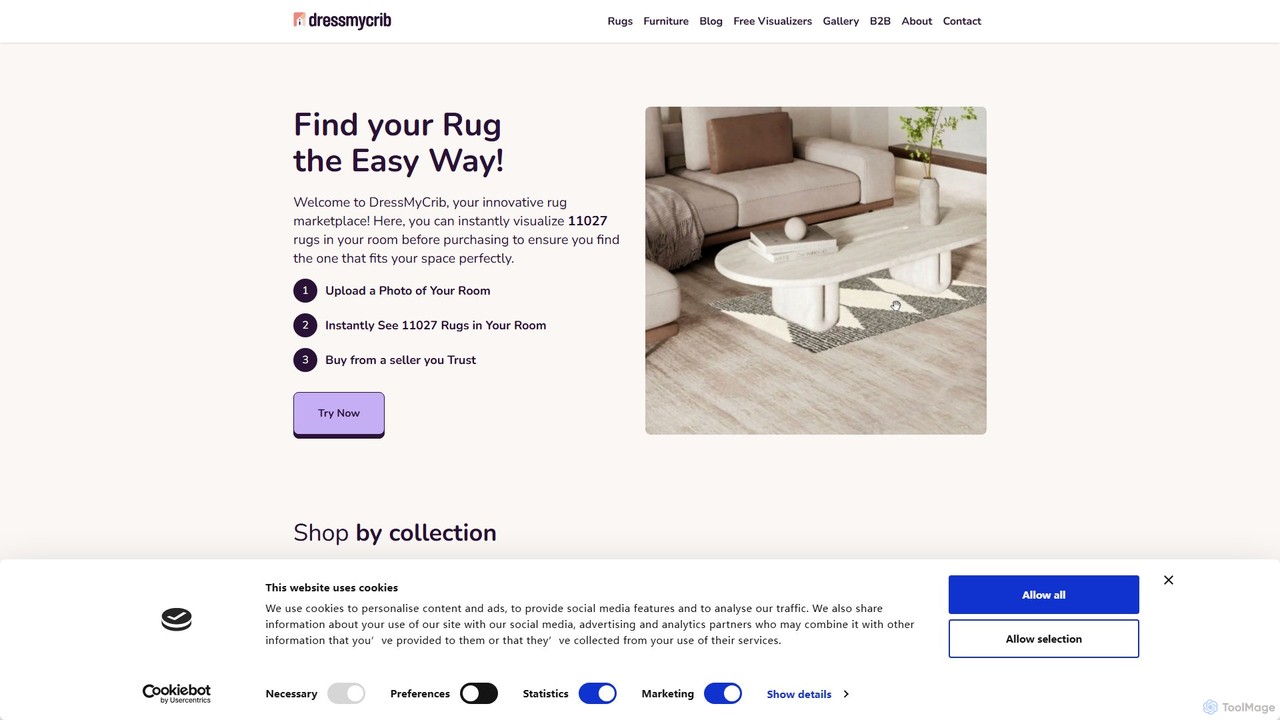
dressmycrib

dressmycrib

DressMyCrib is an AI-powered interior design tool that specializes in helping you find the perfect rug for your …

61.1K
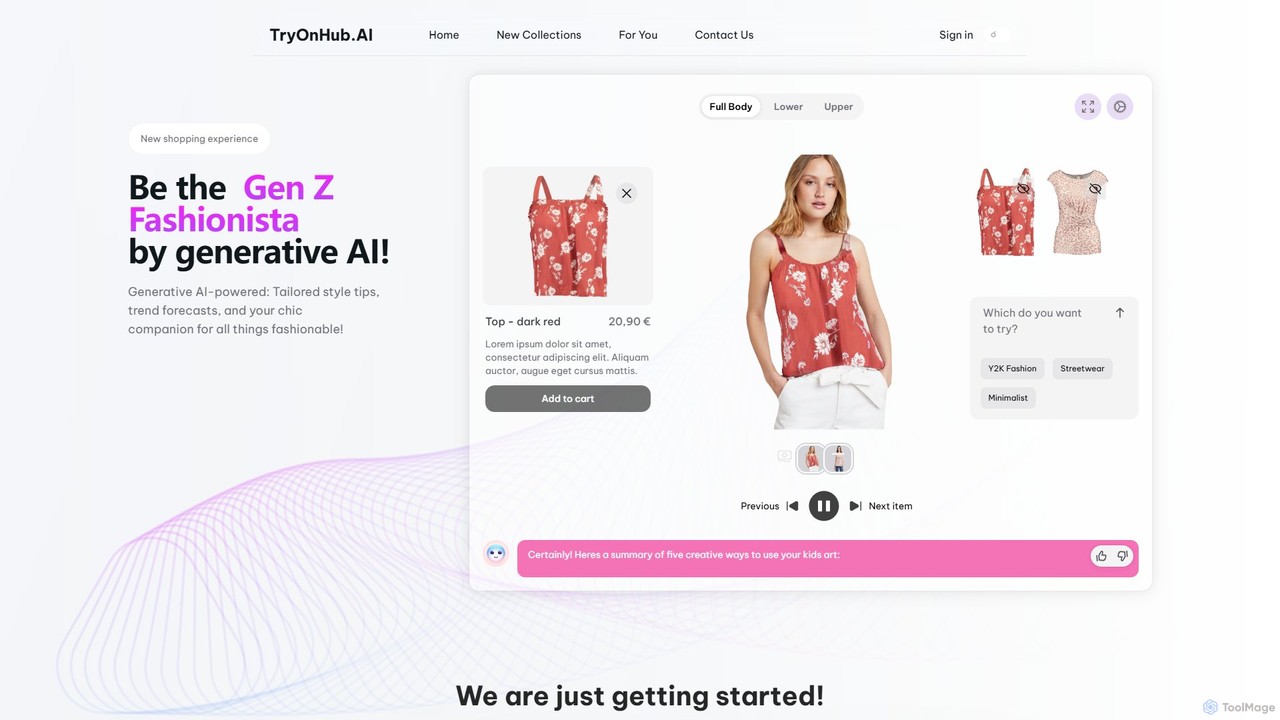
TryOnHub.AI

TryOnHub.AI

TryOnHub.AI is a generative AI-powered fashion studio that offers a revolutionary virtual try-on experience. Users can upload their …

2.7K
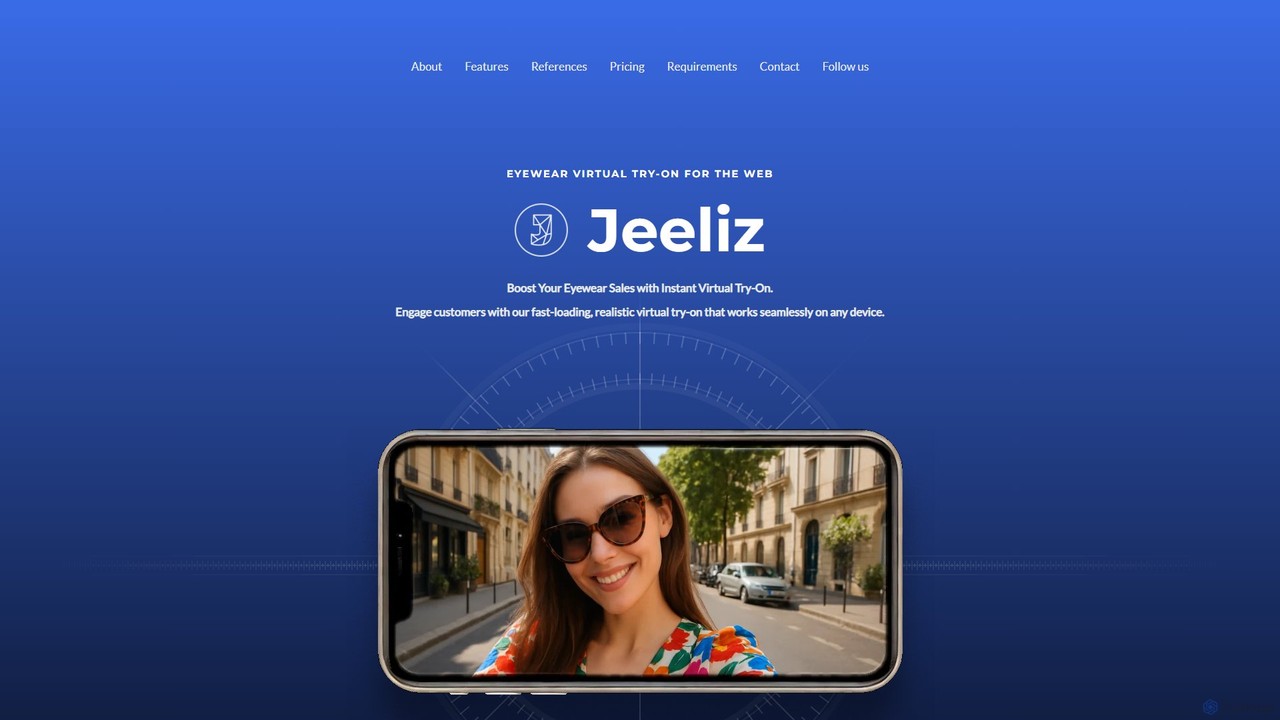
Jeeliz

Jeeliz

Jeeliz is a generative AI-powered virtual try-on (VTO) solution for eyewear e-commerce. It enables customers to realistically try …

3.6K

About Virtual Try On

Virtual Try-On tools are a specialized category of e-commerce AI that allows customers to digitally overlay products onto their own image or a live video feed. These tools leverage augmented reality (AR) and computer vision to accurately map items like clothing, glasses, or makeup onto a user's body or face. This creates an interactive and personalized shopping experience, helping customers make more confident purchasing decisions and significantly reducing return rates. The technology bridges the gap between online browsing and the in-store fitting room experience.

Core Features

  • Real-time AR Overlay: Uses a device's camera to superimpose products onto the user's live video feed for a dynamic try-on session.
  • Photo-Based Try-On: Allows users to upload a static photo and see how different products look on them.
  • AI Size & Fit Recommendation: Analyzes user-provided measurements or body scans from a photo to suggest the most appropriate product size.
  • 3D Product Visualization: Renders high-fidelity 3D models of products, allowing users to view them from multiple angles as if they were wearing them.
  • Appearance Customization: Enables users to instantly change product colors, patterns, or styles during the virtual try-on.

Use Cases

Virtual Try-On tools are primarily adopted by the e-commerce sector, especially in industries like fashion apparel, eyewear, cosmetics, and jewelry. Online retailers and direct-to-consumer brands use this technology to enhance their product pages, increase user engagement, and provide a 'try before you buy' experience. It is also valuable for marketing campaigns, allowing for interactive social media filters and ads.

How to Choose

When selecting a Virtual Try-On tool, first consider its compatibility with your product type (e.g., clothing requires body tracking, makeup needs facial mapping). Evaluate the ease of integration with your e-commerce platform, such as Shopify, Magento, or WooCommerce. Assess the realism and accuracy of the AR rendering, as a poor experience can deter customers. Finally, review the pricing model and the level of technical support provided.

Virtual Try OnUse Cases

1

Virtual Eyewear Fitting for Online Stores

An online eyewear retailer wants to reduce returns and help customers choose frames confidently. Using a Virtual Try-On tool, they integrate a real-time AR feature into their product pages. A customer visiting the site can click a 'Try On' button, which activates their device's camera. The tool then accurately overlays different eyeglass frames onto their face. The customer can turn their head to see the frames from various angles, check the fit on their nose bridge, and even take a snapshot to share with friends. This interactive experience mimics the in-store process, leading to higher purchase confidence and a 30% reduction in returns related to style and fit.

2

AR Makeup Testing for Beauty Brands

A cosmetics company launches a new line of lipsticks and wants to drive online sales. They implement a Virtual Try-On solution on their website and mobile app. Potential buyers can use their phone's front-facing camera to see how different lipstick shades look on them in real-time. The AI accurately detects their lip shape and applies the color with realistic texture and finish (matte, gloss, etc.). Users can switch between dozens of shades in seconds without any mess. This not only increases engagement but also boosts conversion rates, as customers can find their perfect shade from the comfort of their home, overcoming a major barrier to buying makeup online.

3

AI Sizing Recommendations for Fashion E-commerce

A direct-to-consumer apparel brand struggles with high return rates due to sizing issues. They integrate a Virtual Try-On tool that focuses on fit. Customers are prompted to upload a full-body photo and enter their height. The AI analyzes the photo to estimate key body measurements and compares them to the garment's specifications. It then displays the clothing on a personalized 3D avatar and recommends the optimal size (e.g., 'Size M is recommended for a slim fit'). This process gives customers a clear visual of how the item will fit their specific body shape, drastically reducing size-related uncertainty and lowering return rates by over 25%.

4

Virtual Try-On for Jewelry and Watches

A luxury watch brand aims to replicate its high-touch in-store experience online. They use a Virtual Try-On tool that leverages AR wrist-tracking technology. A customer can point their phone's camera at their wrist, and the tool overlays a photorealistic 3D model of a watch onto it. The watch stays anchored to the wrist as the user moves, allowing them to see how it looks from all angles and assess its size relative to their arm. This provides a tangible sense of the product's scale and style, which is crucial for high-value items, helping to bridge the confidence gap and encourage online purchases of luxury goods.

5

Placing Virtual Furniture in a Room with AR

An online furniture store uses a Virtual Try-On application to help customers visualize products in their own space. A user interested in a new sofa can select the product on the website and activate the AR view. Using their smartphone's camera, they can place a true-to-scale 3D model of the sofa in their living room. They can walk around it, check if it fits in the intended space, and see how its color and texture complement their existing decor. This 'try before you buy' for large items removes major purchasing friction, increases conversion rates, and reduces costly returns of bulky furniture.

6

Interactive Sneaker Customization and Try-On

A footwear brand offers customizable sneakers and wants to provide a dynamic preview experience. They deploy a web-based tool that combines a 3D configurator with a Virtual Try-On feature. First, a customer designs their unique sneaker by choosing colors for the laces, sole, and upper panels. Once satisfied, they can click the 'AR Try-On' button. The tool uses their phone's camera to detect their feet and overlays the custom-designed sneaker. This allows them to see their own creation on their feet before committing to the purchase, increasing engagement and the perceived value of the customized product.

Virtual Try OnFrequently Asked Questions