E Commerce Best in category 1 results Ai Powered Customization AI Tool

Popular AI tools in the Ai Powered Customization field of E Commerce include HeartVoice Gifts, etc., helping you quickly improve efficiency.

HeartVoice Gifts

HeartVoice Gifts

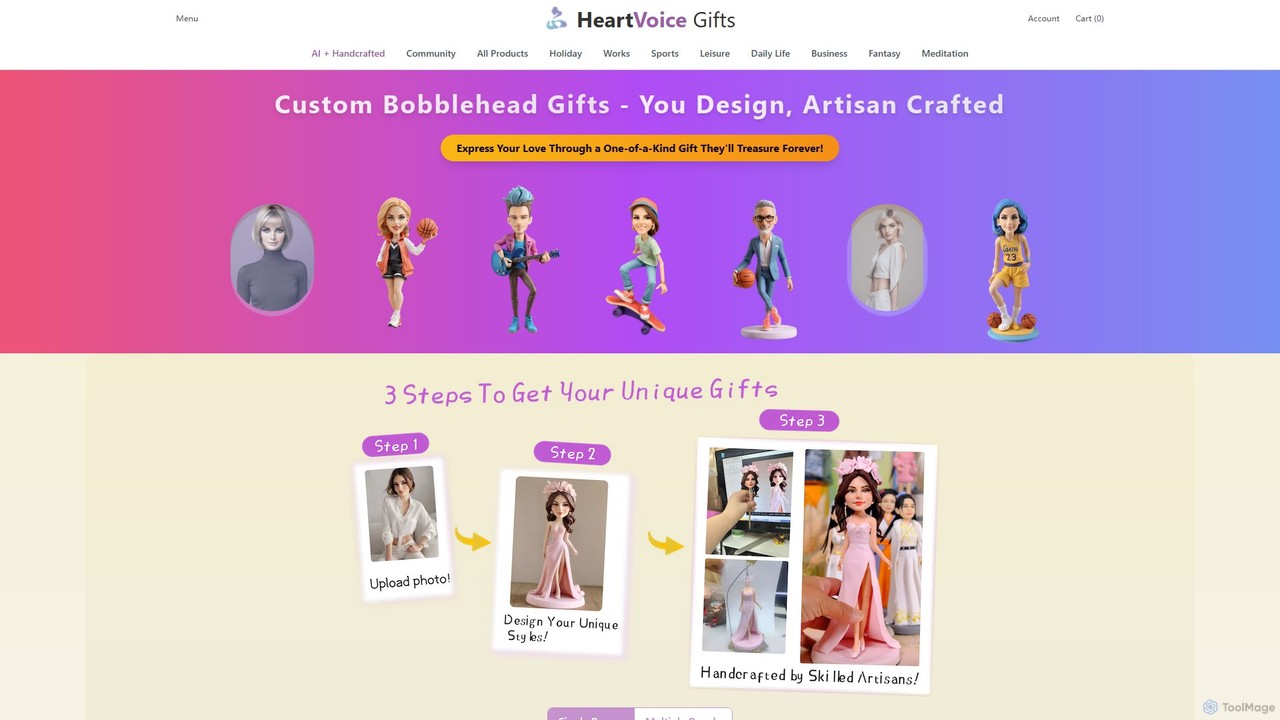
HeartVoice Gifts is a unique platform that combines AI technology with handcrafted artistry to create personalized bobblehead dolls. …

2.8K

About Ai Powered Customization

AI-Powered Customization tools are a class of software that uses machine learning algorithms to create unique, personalized experiences for each user, primarily within e-commerce. These tools analyze vast amounts of data—such as browsing history, purchase patterns, and real-time interactions—to dynamically adjust website content, product recommendations, and marketing offers. Their primary value lies in transforming a generic shopping journey into a one-to-one conversation, significantly boosting user engagement, conversion rates, and customer loyalty. Unlike traditional rule-based systems, AI-driven platforms can predict user intent and adapt automatically at scale.

Core Features

  • Dynamic Product Recommendations: Suggests relevant items based on real-time user behavior and predictive analytics, not just past purchases.
  • Personalized Content Delivery: Automatically adapts website banners, pop-ups, and promotional offers to match individual user profiles and interests.
  • Predictive Customer Segmentation: Groups users into dynamic segments based on their predicted future actions, such as likelihood to purchase or churn.
  • AI-Optimized On-Site Search: Customizes search results and category sorting for each user to make product discovery faster and more relevant.
  • Automated Personalized Emails: Triggers and populates marketing emails with content and products tailored to each recipient's recent activity.

Applicable Scenarios

These tools are essential for online retailers in sectors like fashion, electronics, and beauty who want to increase average order value and customer lifetime value. Digital marketing teams use them to create hyper-targeted campaigns and reduce cart abandonment. They are also valuable for subscription services aiming to decrease churn by providing a more relevant user experience.

Selection Criteria

When choosing an AI customization tool, consider its integration capabilities with your existing e-commerce platform (e.g., Shopify, Magento, WooCommerce). Evaluate the depth of its data analysis and the sophistication of its algorithms. Also, assess its scalability to handle your traffic volume and the balance it offers between automation and manual control over personalization rules.

Ai Powered CustomizationUse Cases

1

Dynamic Homepage Personalization for Fashion Retail

An e-commerce manager for an online fashion store uses an AI customization tool to tailor the homepage experience. For a new visitor, the tool displays a general 'Best Sellers' collection and a welcome discount. For a returning customer who previously viewed men's sneakers, the AI automatically populates the main banner with the latest sneaker arrivals and shows a personalized 'Recommended for You' section featuring similar brands. This dynamic content adjustment increases relevance, leading to a higher click-through rate and faster product discovery for returning users.

2

Automating Personalized Abandoned Cart Emails

A marketing team for an electronics retailer implements an AI tool to reduce cart abandonment. When a user leaves items in their cart, the system doesn't just send a generic reminder. Instead, the AI analyzes the items and the user's browsing history to include personalized product recommendations in the email, such as a compatible memory card for a camera or a higher-rated alternative model. This level of personalization makes the reminder more helpful and compelling, significantly increasing the cart recovery rate compared to standard reminder emails.

3

Optimizing On-Site Search with AI

An online bookstore with a massive catalog uses an AI customization tool to improve its search functionality. When a user searches for a broad term like 'fantasy', the AI doesn't just show results based on popularity. It considers the user's past purchases and viewed authors. If the user has shown interest in 'epic fantasy', authors like Tolkien and Sanderson are ranked higher. For another user interested in 'urban fantasy', authors like Gaiman and Butcher are prioritized. This tailored search experience helps customers find what they are looking for much faster, improving satisfaction and increasing the likelihood of a purchase.

4

Predictive Offers to Reduce Customer Churn

A subscription box service for beauty products uses an AI platform to predict which customers are at high risk of churning (canceling their subscription). The AI model analyzes factors like declining engagement, skipped boxes, and negative feedback. For customers flagged as high-risk, the system automatically triggers a personalized retention campaign. This could be an offer for a free premium product in their next box, a special discount, or a survey to gather feedback. By proactively addressing potential dissatisfaction with a tailored incentive, the service significantly reduces its monthly churn rate.

5

Geo-Targeted Content and Promotions

A global apparel brand uses an AI customization engine to adapt its website based on the visitor's location. When a user from a cold climate visits the site in winter, the homepage automatically features winter coats, boots, and thermal wear. Simultaneously, a visitor from a tropical region sees swimwear, shorts, and sunglasses. The AI can also tailor promotions to local holidays or events. This geo-targeting ensures that the content and offers are always relevant to the user's immediate context and needs, improving the shopping experience and boosting regional sales.

6

Personalizing Product Recommendations on Category Pages

A large online marketplace for home goods uses an AI tool to re-sort category pages for each visitor. Instead of a default sort order (e.g., by price or popularity), the AI re-ranks products based on the user's inferred style preferences. A user who has frequently viewed modern, minimalist furniture will see those items at the top of the 'Living Room Furniture' category. Another user with a preference for rustic, farmhouse decor will see a completely different product order. This personalization of category navigation prevents users from having to sift through irrelevant items and significantly shortens their path to purchase.

Ai Powered CustomizationFrequently Asked Questions