outfitchanger
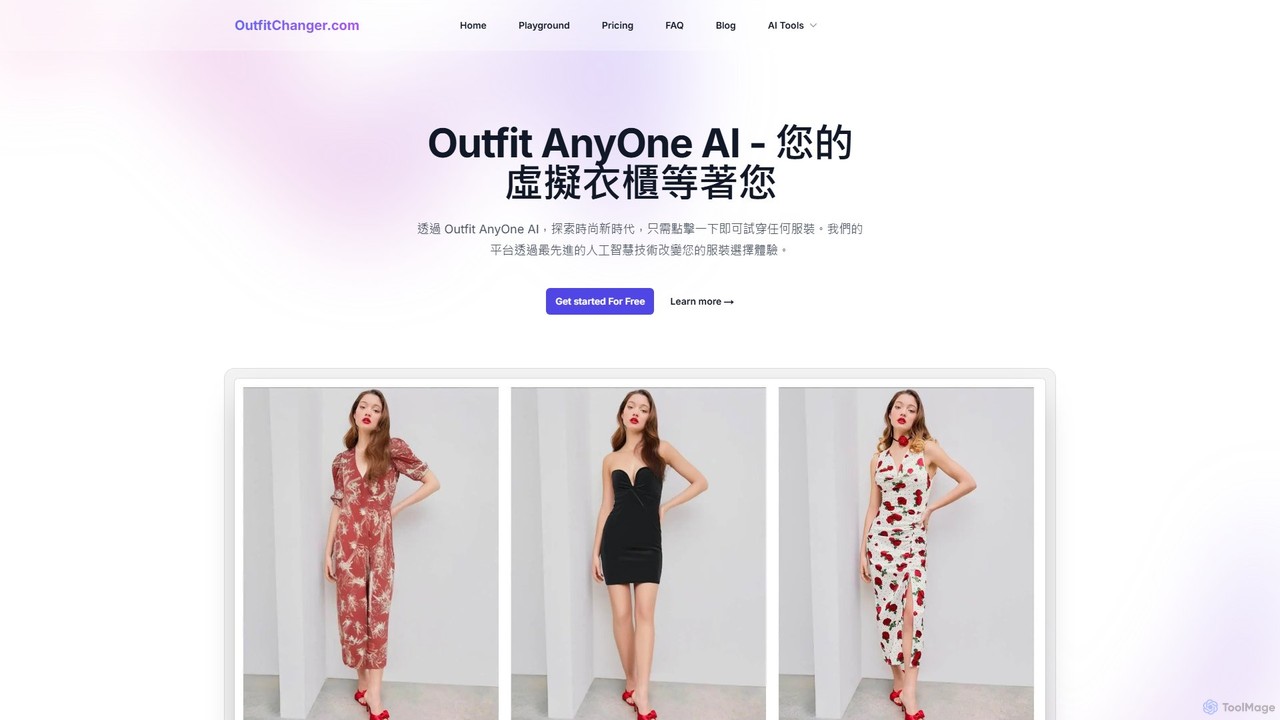
outfitchanger is an AI-powered virtual try-on tool that allows users to realistically see themselves or any model in …
outfitchanger is an AI-powered virtual try-on tool that allows users to realistically see themselves or any model in different outfits. Simply upload a person's photo and a garment image to generate high-fidelity results, supporting various body types, clothing styles, and even anime characters.
About Retail Tech
Retail Tech refers to AI-powered tools designed to innovate and optimize various aspects of retail operations, from enhancing customer experiences to streamlining supply chain management. These solutions leverage advanced AI, machine learning, and data analytics to provide personalized services, automate tasks, and gain actionable insights. By integrating AI into physical and online retail environments, businesses can improve efficiency, reduce costs, and deliver more engaging shopping journeys.
Core Features
- Personalized Customer Engagement: AI-driven recommendations, virtual try-on, and intelligent chatbots for tailored shopping experiences.
- Inventory Optimization: Predictive analytics for demand forecasting, automated stock replenishment, and real-time inventory tracking to minimize waste and stockouts.
- In-Store Analytics: Computer vision and sensor data to analyze customer behavior, foot traffic patterns, and product interactions for optimized store layouts.
- Dynamic Pricing: AI algorithms that adjust product prices in real-time based on demand, competitor pricing, and inventory levels to maximize revenue.
- Supply Chain Efficiency: AI-driven logistics optimization, fraud detection, and predictive maintenance for retail supply chains.
Use Cases
Retail Tech tools are utilized across the retail sector by various stakeholders. For instance, store managers use AI for real-time inventory visibility and automated reordering, while marketing teams leverage AI for hyper-personalized campaigns. E-commerce platforms integrate AI to offer intelligent product recommendations, significantly boosting conversion rates and customer satisfaction.
How to Choose
When selecting Retail Tech solutions, consider the specific retail challenges you aim to solve, such as inventory accuracy or customer personalization. Evaluate the tool's integration capabilities with existing POS and CRM systems, its scalability to grow with your business, and the vendor's expertise in retail-specific AI applications. Data security and compliance with retail industry standards are also crucial factors.

Retail TechUse Cases
Personalized Product Recommendations
An online fashion retailer uses AI-powered recommendation engines to analyze customer browsing history, purchase patterns, and demographic data. When a customer visits the site, the AI suggests highly relevant clothing items, accessories, or complementary products, significantly increasing average order value and improving the overall shopping experience. This helps convert browsers into buyers more effectively.
Automated Inventory Management
A multi-store grocery chain deploys Retail Tech AI to monitor stock levels in real-time across all locations. The AI predicts demand fluctuations based on historical sales, seasonal trends, and local events, automatically generating optimal reorder suggestions for each store. This minimizes food waste, prevents stockouts of popular items, and reduces manual inventory counting efforts for store staff.
In-Store Customer Behavior Analysis
A department store utilizes computer vision AI to anonymously track customer movement patterns, dwell times in different sections, and interactions with product displays. Retail strategists use these insights to optimize store layouts, merchandise placement, and staffing levels, creating a more intuitive and engaging shopping environment that encourages purchases and improves customer flow.
Dynamic Pricing Optimization
An electronics retailer employs AI-driven dynamic pricing software to adjust product prices in real-time. The AI considers factors like competitor pricing, current demand, inventory levels, and even external events (e.g., flash sales, holidays). This ensures competitive pricing, maximizes profit margins on high-demand items, and helps clear slow-moving stock efficiently, adapting quickly to market changes.
Virtual Try-On for Apparel
An apparel brand integrates AI-powered virtual try-on technology into its e-commerce platform and in-store kiosks. Customers can digitally "try on" clothes using their smartphone camera or a store's smart mirror, seeing how garments fit their body shape and size without physically trying them on. This reduces return rates, enhances customer confidence in purchases, and provides a novel shopping experience.
Predictive Maintenance for Retail Equipment
A large supermarket chain uses Retail Tech AI to monitor the performance of critical equipment like refrigerators, freezers, and HVAC systems. Sensors collect data, and the AI predicts potential equipment failures before they occur, scheduling proactive maintenance. This prevents costly breakdowns, minimizes product spoilage, and ensures a comfortable shopping environment, reducing operational disruptions.