Fashion Best in category 5 results Styling AI Tool

Popular AI tools in the Styling field of Fashion include Change Clothes AI、Atricent、zininoo、AIClothesChangers、outfitideas, etc., helping you quickly improve efficiency.

AIClothesChangers

AIClothesChangers

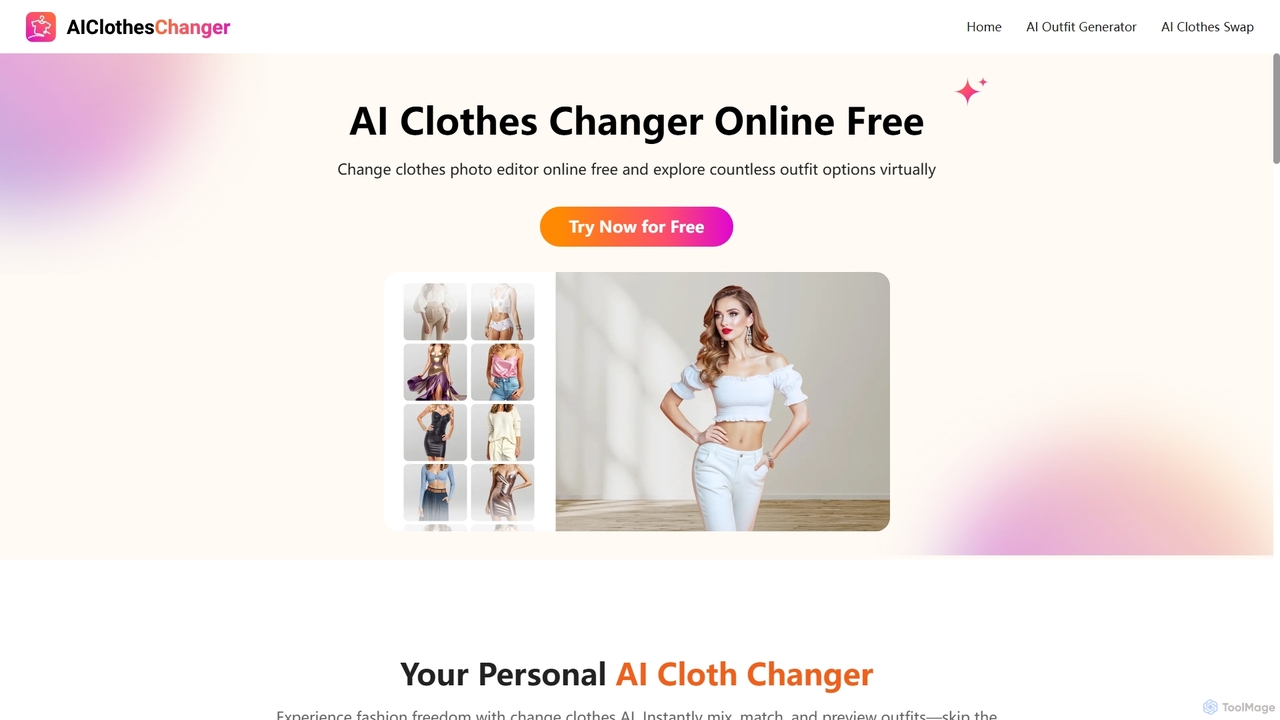
AIClothesChangers is an innovative online AI tool that allows users to virtually change outfits in photos. It offers …

3.0K
Change Clothes AI

Change Clothes AI

Change Clothes AI is an online tool that uses AI to let you virtually try on any outfit. …

10.0K
Atricent

Atricent

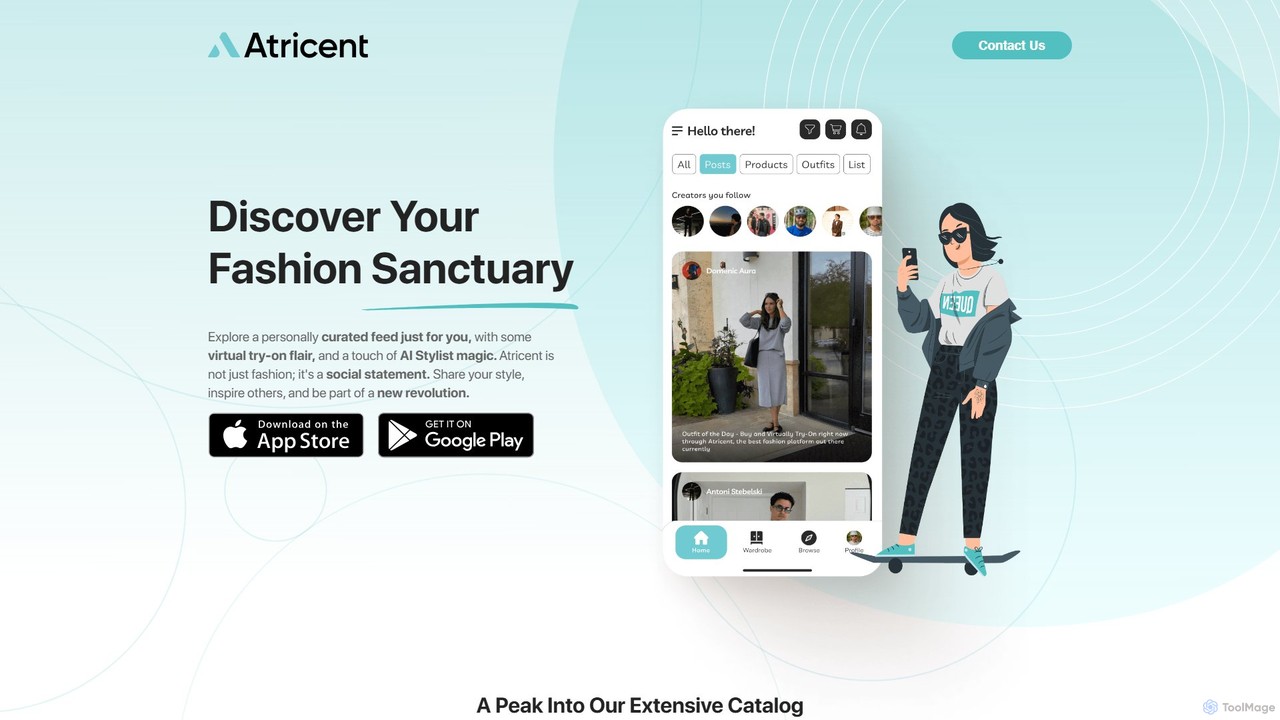
Atricent is an AI-powered personal stylist and social fashion platform. It offers a personalized feed, virtual try-on, AI-generated …

6.1K
zininoo

zininoo

zininoo is an AI-powered personal color analysis tool that helps you discover your unique skin tone season. By …

3.6K
outfitideas

outfitideas

outfitideas is an AI-powered personal stylist that generates tailored haircut and outfit recommendations. Upload a photo and answer …

1.7K

About Styling

AI Styling tools are a specialized category of fashion technology that uses artificial intelligence to generate personalized outfit recommendations and create virtual try-on experiences. These tools analyze user inputs like body measurements, style preferences, and existing wardrobe items to suggest cohesive looks. They empower individuals and retailers to visualize clothing combinations, discover new styles, and make more informed fashion choices. The technology often leverages computer vision and machine learning to accurately map garments onto a user's photo or avatar.

Core Features

  • Virtual Try-On: Allows users to digitally wear clothes on their photo or a 3D avatar to check fit and style.
  • Outfit Recommendation: Generates complete outfit suggestions based on an item, occasion, or user's style profile.
  • Personal Style Analysis: Analyzes user preferences and physical attributes to define their unique style and suggest flattering items.
  • Wardrobe Digitization: Enables users to catalog their existing clothes to get mix-and-match suggestions.

Use Cases

AI Styling tools are primarily used by e-commerce fashion retailers to enhance the online shopping experience and reduce return rates. Personal stylists and fashion-conscious individuals also use these apps for daily outfit planning, wardrobe management, and style discovery. Fashion brands may use them for lookbook creation and market trend analysis.

How to Choose

When selecting an AI Styling tool, consider the accuracy of its virtual try-on technology and the diversity of its clothing database. Evaluate the quality of the personalization algorithm—does it truly understand your style? For businesses, check for API availability for integration with e-commerce platforms. Finally, assess the user interface for ease of use and clarity.

StylingUse Cases

1

Virtual Try-On for E-commerce Shoppers

An online shopper is browsing a fashion retail website, uncertain about how a particular dress will fit their body type. Using the AI Styling tool's virtual try-on feature, they upload a photo of themselves or input their body measurements. The tool then generates a realistic simulation of the dress on their digital avatar. This allows the shopper to visualize the fit, drape, and overall look, leading to a more confident purchase and significantly reducing the likelihood of a return due to poor fit.

2

Daily Outfit Planning with a Digital Wardrobe

A busy professional wants to streamline their morning routine. They use an AI Styling app to digitize their entire wardrobe by taking pictures of each item. Every morning, based on the day's weather forecast and their calendar (e.g., 'important meeting'), the AI suggests several complete outfits from their existing clothes. It might recommend pairing a specific blazer with a certain pair of trousers and shoes, helping them get dressed quickly and stylishly without decision fatigue.

3

Style Discovery for a Wardrobe Refresh

A user feels their style is outdated and wants to explore new aesthetics. They use an AI Styling tool and complete a style quiz, indicating preferences for colors, patterns, and silhouettes. The AI analyzes their responses and generates personalized mood boards and shopping lists. It suggests specific items from various brands that align with a 'minimalist chic' or 'bohemian' aesthetic, for example. This guided discovery process helps the user confidently experiment with new looks and build a more cohesive wardrobe.

4

Styling for a Special Occasion

Someone has been invited to a 'black-tie optional' wedding and is unsure what to wear. They use an AI Styling tool, input the event details (occasion, dress code, season), and their personal preferences. The AI generates several appropriate outfit options, suggesting not just dresses but also coordinating shoes, bags, and jewelry from various online retailers. This saves the user hours of searching and provides complete, stylish solutions that fit the event's requirements, ensuring they look their best.

5

Wardrobe Gap Analysis for Smart Shopping

Before going shopping, a user wants to identify what their wardrobe is missing. After digitizing their closet in an AI Styling app, they run a 'gap analysis'. The AI analyzes their existing items and style goals, then identifies key pieces they lack, such as a versatile white shirt or a classic trench coat. It provides a prioritized shopping list, preventing impulse buys and helping the user build a more functional and complete wardrobe by investing in items that will maximize their outfit combinations.

6

Creating Digital Lookbooks for Fashion Brands

A fashion brand's marketing team needs to create a new seasonal lookbook quickly and cost-effectively. Instead of organizing an expensive photoshoot, they use an AI Styling tool. They upload their new collection's digital garments onto various AI-generated models with different body types and ethnicities. The tool automatically generates hundreds of styled outfits and high-quality images. This allows the brand to showcase its collection's versatility on a diverse range of models, saving significant time and budget compared to traditional methods.

StylingFrequently Asked Questions