Finance Best in category 3 results Automation AI Tool

Popular AI tools in the Automation field of Finance include Peakflo、Curear、vbots, etc., helping you quickly improve efficiency.

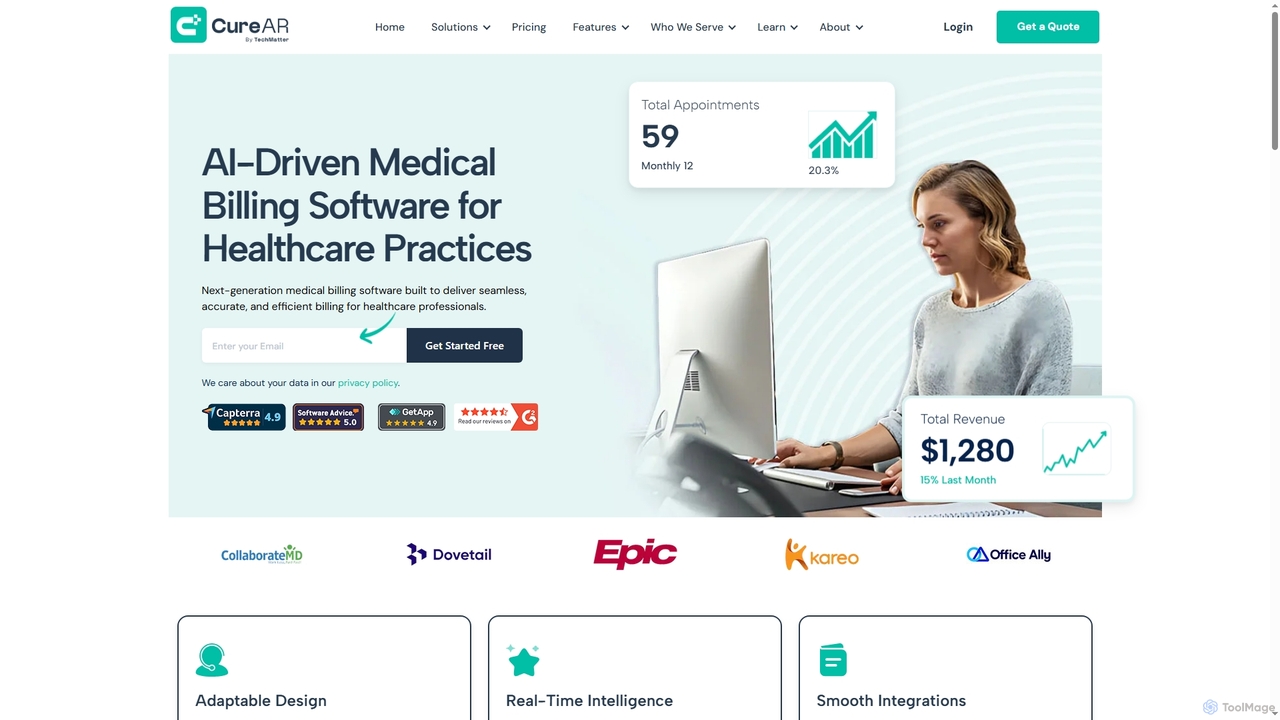
Curear

Curear

Curear is an AI-driven medical billing and revenue cycle management (RCM) software for healthcare providers. It automates the …

4.2K
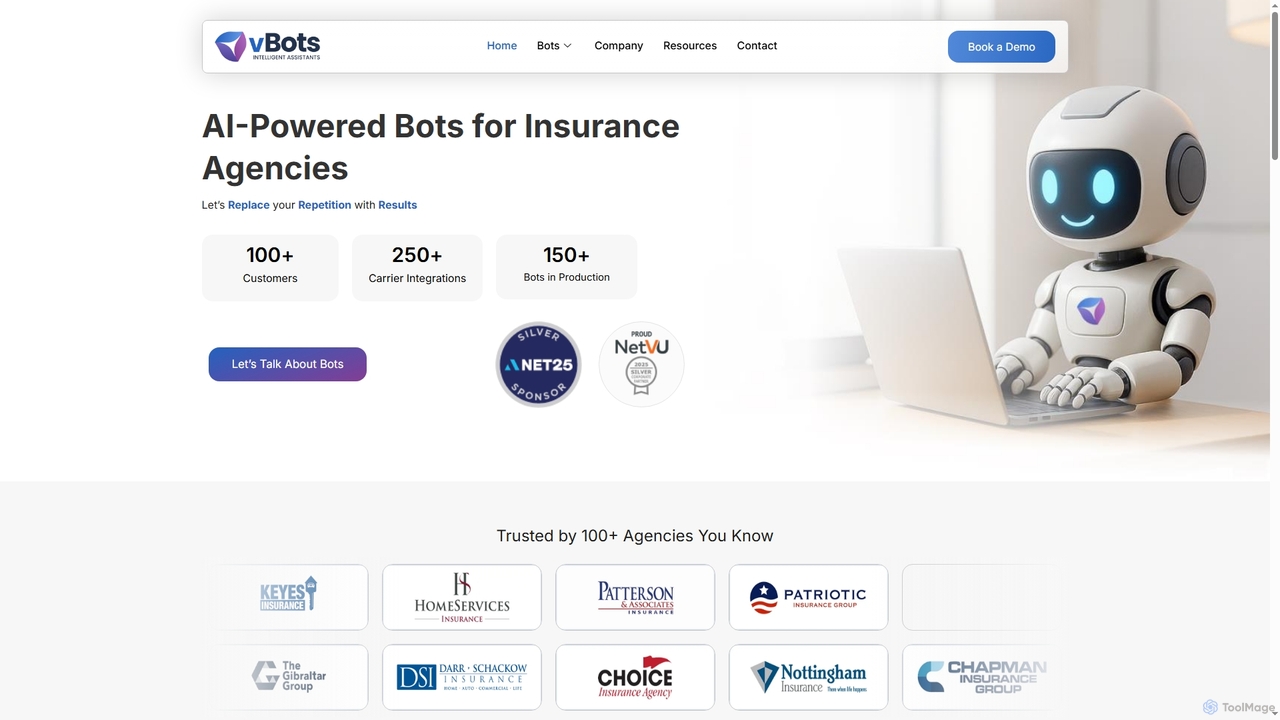
vbots

vbots

vbots provides AI-powered automation bots specifically designed for insurance agencies. It automates repetitive, mundane tasks such as policy …

3.1K
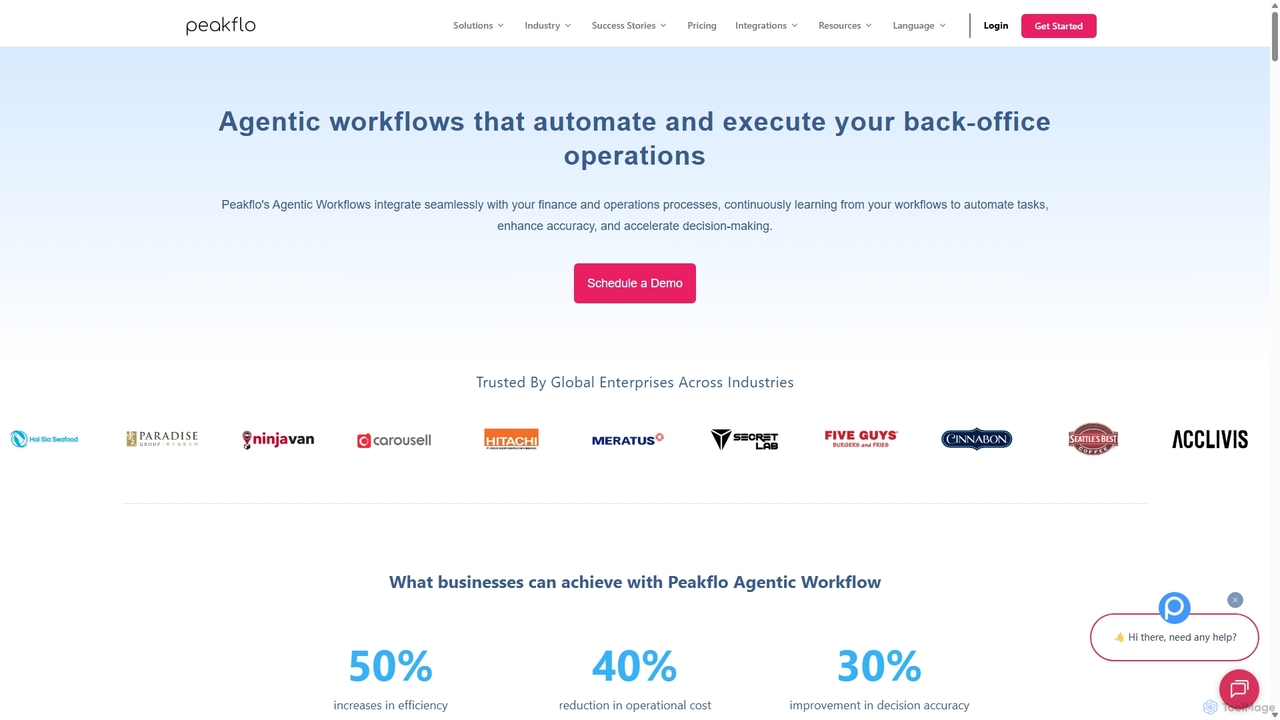
Peakflo

Peakflo

Peakflo is an AI-powered platform that automates back-office operations using agentic workflows. It specializes in streamlining finance processes …

30.0K

About Automation

AI Automation tools in Finance are designed to streamline and optimize repetitive, rule-based tasks across various financial operations. Leveraging technologies like RPA, machine learning, and natural language processing, these tools enhance efficiency, reduce human error, and accelerate decision-making. They enable financial institutions and professionals to reallocate resources from mundane tasks to strategic initiatives, driving significant operational improvements and cost savings.

Core Features

  • Robotic Process Automation (RPA): Automates repetitive data entry, report generation, and system interactions.
  • Intelligent Document Processing (IDP): Extracts and processes data from invoices, contracts, and financial statements.
  • Transaction Reconciliation: Automatically matches and verifies financial transactions across multiple systems.
  • Compliance Monitoring: Continuously monitors transactions and activities for regulatory adherence and potential fraud.
  • Predictive Analytics Automation: Automates data collection and model execution for financial forecasting and risk assessment.

Applicable Scenarios

Financial automation tools are crucial for accounting departments, compliance officers, investment firms, and banking operations. They are used for tasks ranging from daily bookkeeping and audit preparation to complex risk management and customer onboarding processes, ensuring accuracy and speed in critical financial workflows.

How to Choose

When selecting AI automation tools for finance, consider their integration capabilities with existing ERP and CRM systems, compliance with financial regulations (e.g., GDPR, SOX), scalability to handle growing data volumes, and robust security features. Evaluate the level of customization offered and the vendor's expertise in financial technology.

AutomationUse Cases

1

Automate Invoice Processing and Reconciliation

For accounting departments handling high volumes of invoices, AI automation tools can automatically extract data from various invoice formats (PDF, scanned images), validate against purchase orders, and initiate payment workflows. This significantly reduces manual data entry errors, accelerates payment cycles, and frees up accounting staff to focus on anomaly detection and strategic financial analysis, improving overall operational efficiency by up to 70%.

2

Streamline Regulatory Compliance Reporting

Compliance officers in financial institutions face constant pressure to meet stringent regulatory requirements. Automation tools can continuously monitor transactions, identify suspicious activities, and automatically generate audit-ready reports for regulators. This ensures adherence to AML, KYC, and other financial regulations, minimizing the risk of penalties and enhancing the institution's trustworthiness without extensive manual review.

3

Enhanced Fraud Detection and Prevention

Financial firms can deploy AI automation to analyze vast datasets of transaction patterns in real-time, identifying anomalies indicative of fraudulent activities. These tools can automatically flag suspicious transactions, block payments, and alert security teams, significantly reducing financial losses and protecting customer assets. This proactive approach to fraud management is far more effective than traditional rule-based systems.

4

Automated Customer Onboarding and KYC

Banks and fintech companies can use automation to accelerate the customer onboarding process. AI tools can automatically verify identities, conduct background checks (Know Your Customer - KYC), and process application forms by extracting relevant information from documents. This reduces onboarding time from days to minutes, improves customer experience, and ensures compliance with regulatory requirements efficiently.

5

Optimized Financial Data Reconciliation

Investment banks and asset managers often deal with complex data reconciliation across multiple trading platforms, custodians, and internal systems. Automation tools can automatically match and reconcile trades, positions, and cash flows, highlighting discrepancies for immediate investigation. This ensures data accuracy, reduces operational risk, and provides a consolidated view of financial positions for faster decision-making.

6

Automated Portfolio Performance Reporting

Wealth managers and financial advisors can leverage automation to generate personalized portfolio performance reports for clients. AI tools can gather data from various investment accounts, calculate returns, analyze risk metrics, and compile comprehensive reports automatically. This saves significant time, ensures consistent reporting, and allows advisors to dedicate more time to client engagement and strategic advice.

AutomationFrequently Asked Questions