Finance Best in category 6 results Regulatory Technology AI Tool

Popular AI tools in the Regulatory Technology field of Finance include Complif、Programmers Force、Intellewings、CTGT、Cardamon、grand, etc., helping you quickly improve efficiency.

Intellewings

Intellewings

Intellewings is an AI-powered Anti-Money Laundering (AML) and Counter-Financing of Terrorism (CFT) compliance suite. It simplifies regulatory adherence …

10.1K
grand

grand

grand is an AI-powered Governance, Risk, and Compliance (GRC) software designed for financial institutions. It automates regulatory adherence, …

3.0K
CTGT

CTGT

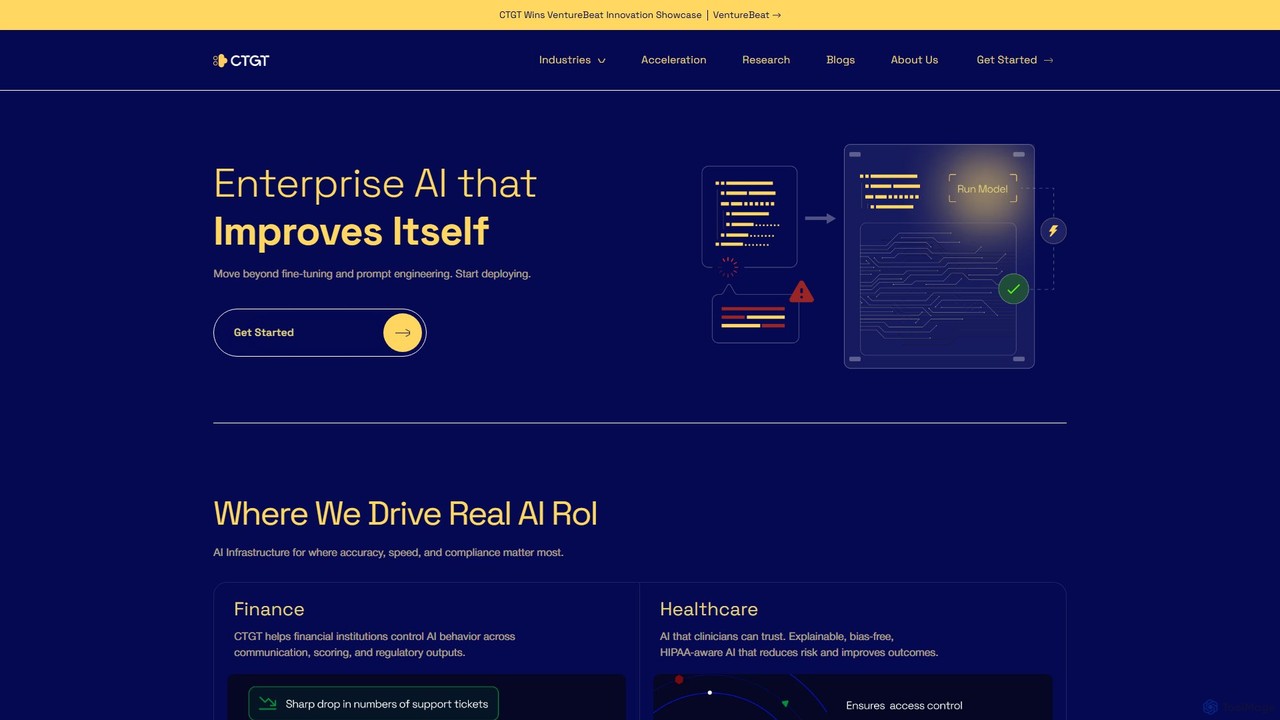
CTGT is an enterprise AI platform that provides fine-grained control over AI models without retraining. It ensures accuracy, …

7.1K
Complif

Complif

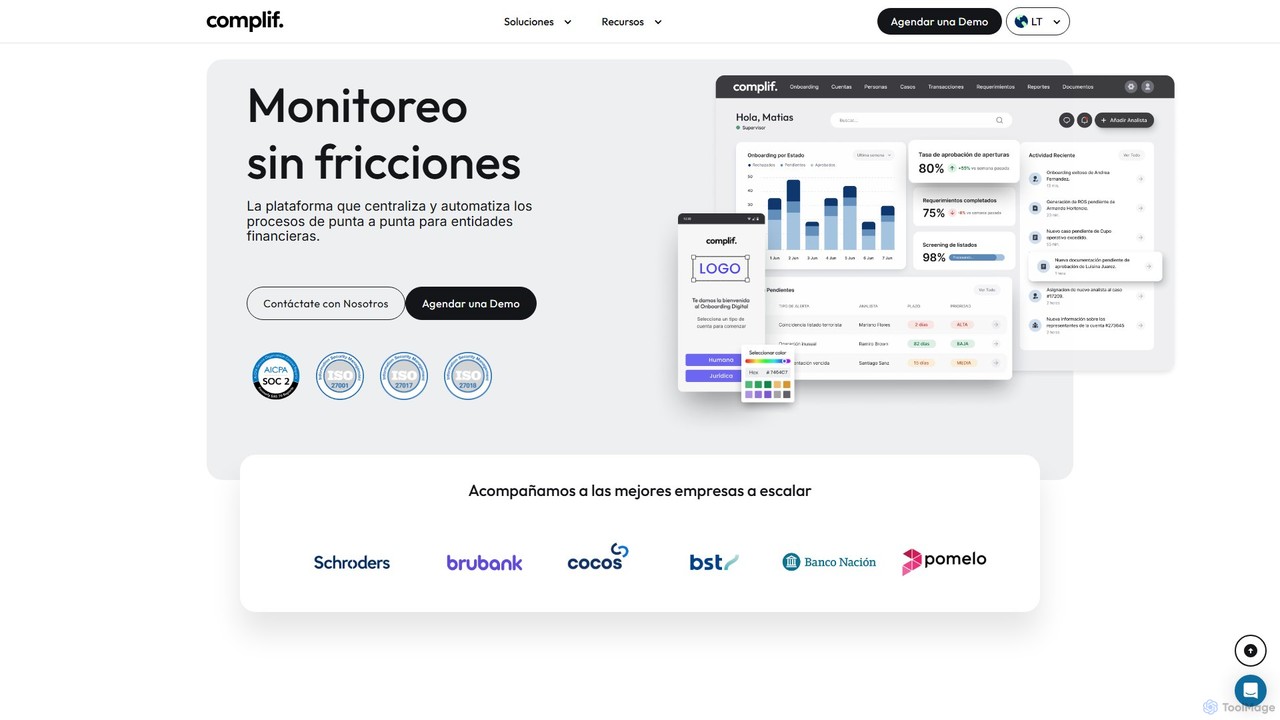
Complif is an AI-powered platform that automates end-to-end compliance processes for financial institutions. It specializes in Anti-Money Laundering …

51.4K
Programmers Force

Programmers Force

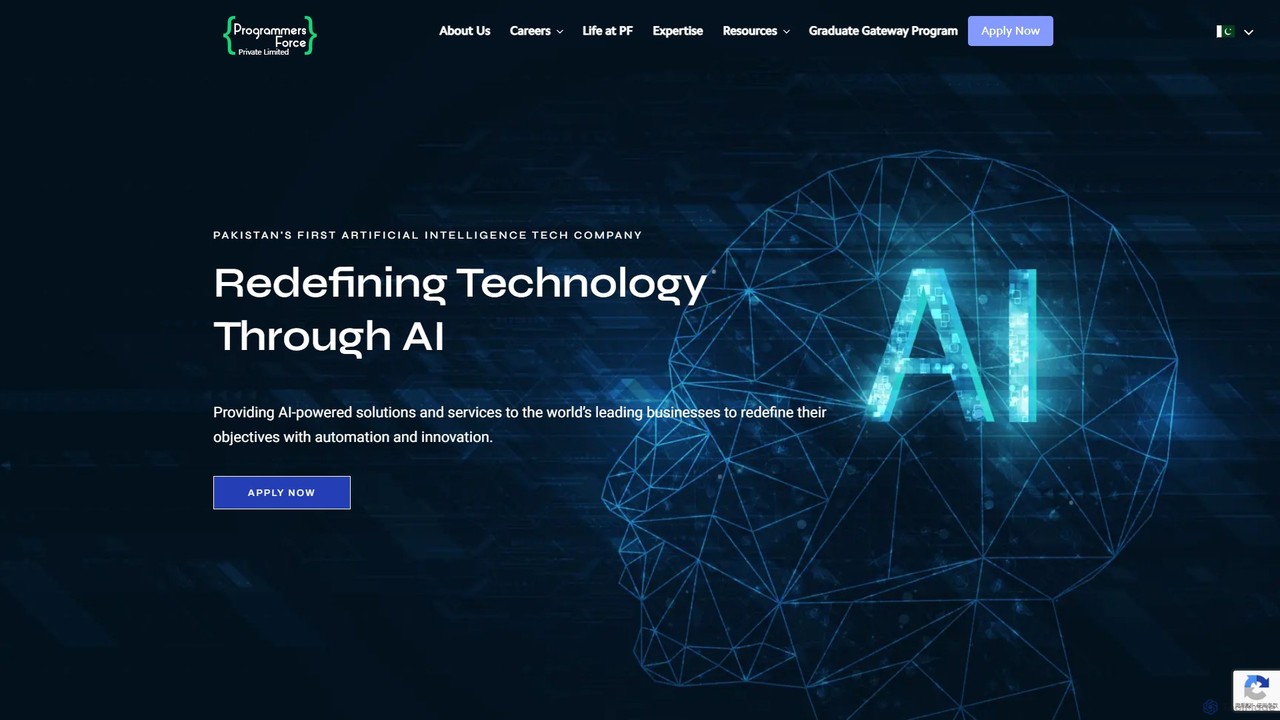
Programmers Force is a pioneering AI development company from Pakistan, offering custom AI-powered solutions and services to global …

15.3K
Cardamon

Cardamon

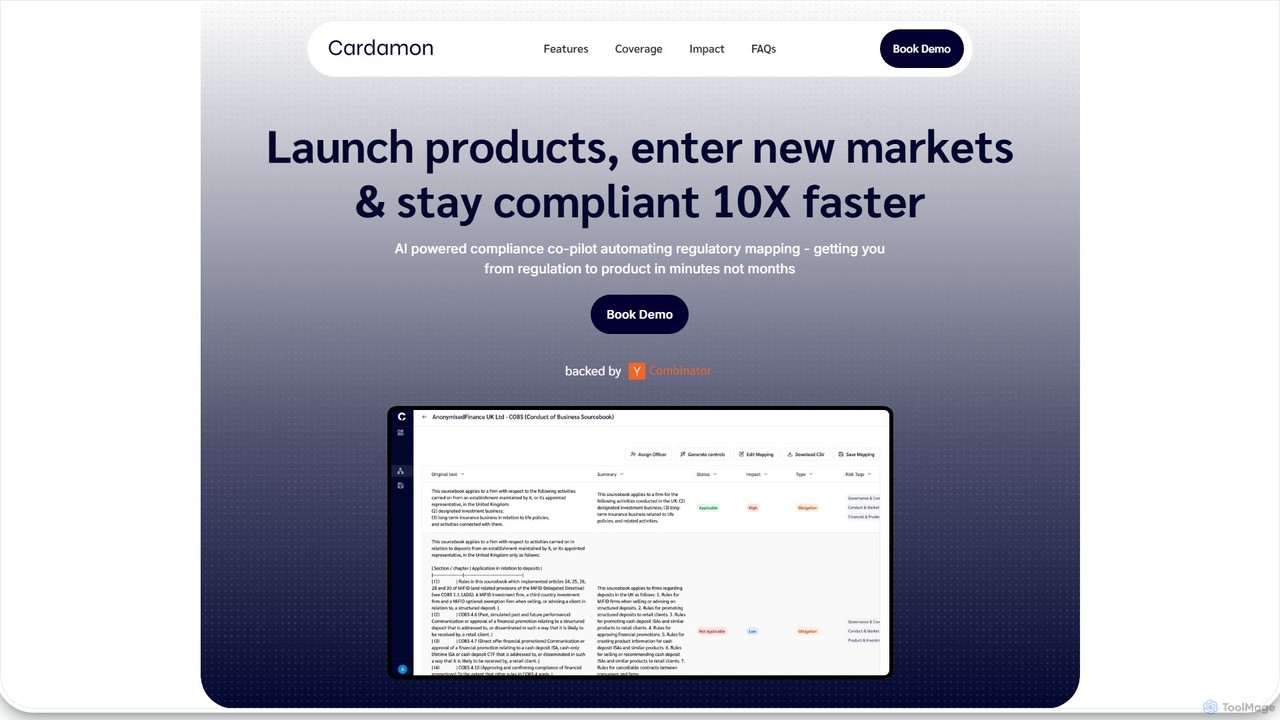
Cardamon is an AI-powered compliance co-pilot that automates regulatory mapping. It helps businesses navigate complex regulations in finance …

6.1K

About Regulatory Technology

Regulatory Technology (RegTech) tools are AI-powered solutions designed to help businesses manage and comply with complex regulations efficiently. Leveraging machine learning and natural language processing (NLP), these tools automate the monitoring, reporting, and analysis of regulatory requirements. They primarily serve the financial sector but are applicable to any regulated industry, enabling organizations to reduce compliance costs, mitigate risks, and improve accuracy. By transforming manual compliance tasks into automated workflows, RegTech provides real-time insights for proactive risk management.

Core Features

  • Automated Compliance Monitoring: Continuously scans for regulatory changes and monitors internal activities to ensure adherence to policies.
  • Risk Assessment & Management: Uses predictive analytics to identify, assess, and mitigate potential compliance and operational risks.
  • Identity Verification (KYC/AML): Streamlines Know Your Customer (KYC) and Anti-Money Laundering (AML) processes by automating data verification and transaction monitoring.
  • Regulatory Reporting: Automates the aggregation of data and generation of accurate reports required by regulatory bodies.

Use Cases

RegTech tools are essential for financial institutions like banks, investment firms, and insurance companies. Compliance officers, risk managers, and legal teams use them to manage obligations under regulations such as GDPR, MiFID II, and various AML directives. For example, a bank can deploy a RegTech solution to monitor millions of transactions daily to detect and flag suspicious activities in real-time, far exceeding human capability.

How to Choose

When selecting a RegTech tool, first assess its coverage of specific regulations and jurisdictions relevant to your business. Evaluate its integration capabilities with your existing systems (e.g., CRM, core banking software). Consider the solution's scalability to handle growing data volumes and its data security protocols to ensure protection of sensitive information. Finally, analyze the accuracy of its AI models and the level of customization available.

Regulatory TechnologyUse Cases

1

Automated AML Transaction Monitoring

A compliance team at a large bank uses an AI-powered RegTech platform to monitor millions of daily transactions for signs of money laundering. The system analyzes transaction patterns, amounts, and counterparty data in real-time. Unlike traditional rule-based systems that generate numerous false positives, the AI model understands context and behavior, significantly reducing alerts needing manual review. This allows the team to focus on genuinely high-risk cases, improving detection rates and operational efficiency while ensuring compliance with AML regulations.

2

Streamlined KYC Customer Onboarding

A fintech company uses a RegTech solution to automate its Know Your Customer (KYC) process for new users. When a customer signs up, they upload a photo of their ID and a selfie. The AI tool performs document verification, checks for authenticity, and uses facial recognition to match the selfie to the ID photo. It simultaneously screens the applicant's name against global sanctions and politically exposed persons (PEP) lists. This entire process is completed in under two minutes, drastically reducing manual work and providing a seamless onboarding experience for customers.

3

Real-time Regulatory Change Management

A global corporation's legal team employs a RegTech platform to stay ahead of regulatory changes. The tool continuously scans thousands of sources, including government websites and regulatory bodies, across multiple jurisdictions. Using Natural Language Processing (NLP), it identifies relevant updates, summarizes them, and assesses their potential impact on the company's operations. It then automatically assigns tasks to relevant stakeholders for implementation, creating an auditable trail. This proactive approach replaces a time-consuming manual process and minimizes the risk of non-compliance due to overlooked updates.

4

Automated Generation of Regulatory Reports

An insurance company is required to submit complex quarterly reports to financial authorities. A RegTech tool automates this entire process. It integrates with various internal systems (like finance, sales, and risk management) to pull the necessary data. The AI then structures, validates, and populates the data into the required report templates, such as Solvency II. This automation reduces the risk of human error from manual data entry, ensures consistency, and cuts down the report generation time from weeks to just a few hours, freeing up the finance team for more analytical tasks.

5

Digital Communication Surveillance for Compliance

An investment bank deploys a RegTech tool to monitor employee communications, including emails, chat messages, and voice calls, to prevent market abuse and policy violations. The AI uses NLP to understand the context and sentiment of conversations, flagging potentially problematic language related to insider trading or collusion. This is more effective than simple keyword matching, as it can identify nuanced or coded messages. The system provides compliance officers with a prioritized list of alerts, allowing for efficient investigation and documentation for regulatory audits.

6

Third-Party Risk and Due Diligence Assessment

A large enterprise uses a RegTech platform to automate due diligence on its vendors and partners. The tool continuously monitors third parties by aggregating data from various sources, including news outlets, sanctions lists, and financial records. It assesses risks related to data security, financial stability, and regulatory compliance, providing a real-time risk score for each vendor. When a vendor's risk profile changes (e.g., they appear in negative news), the system sends an immediate alert to the risk management team, enabling swift action to mitigate potential supply chain or reputational damage.

Regulatory TechnologyFrequently Asked Questions