Endex
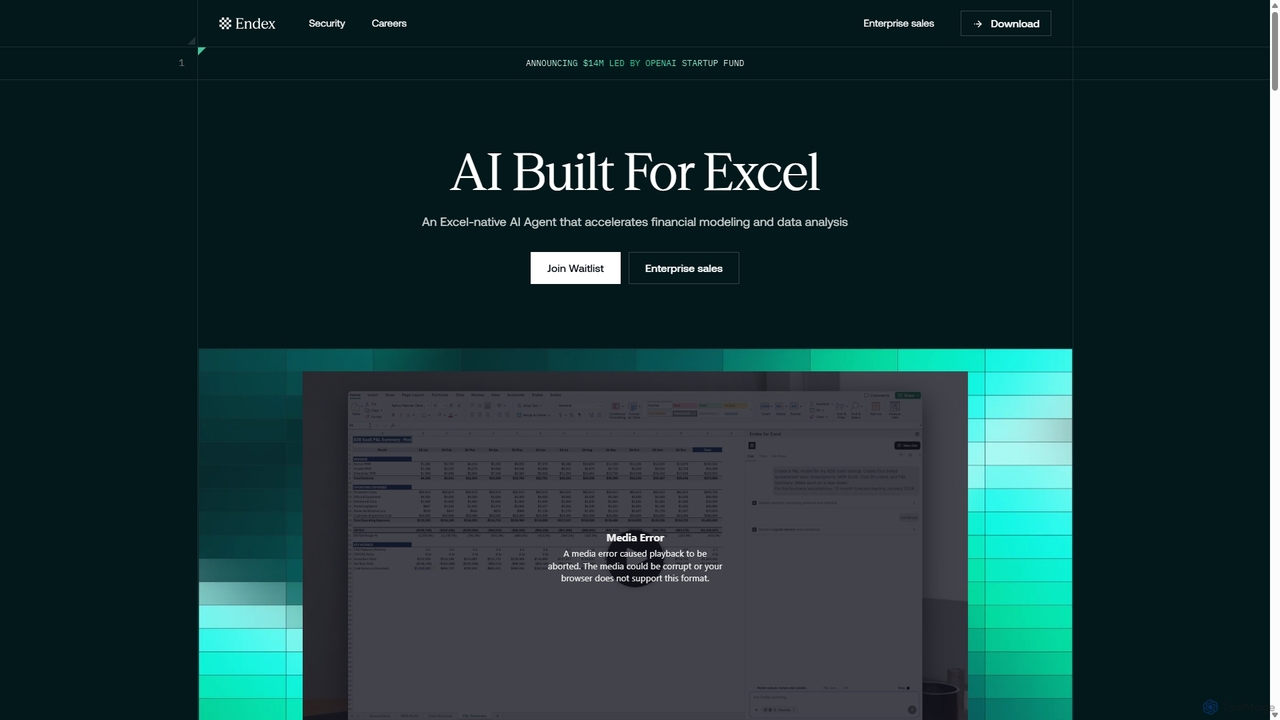
Endex is an AI-powered agent designed as an Excel add-in to automate complex financial analysis and data workflows. …
Endex is an AI-powered agent designed as an Excel add-in to automate complex financial analysis and data workflows. It integrates with public financial data sources, reasons over data like an analyst, and generates auditable reports, significantly boosting productivity for financial professionals.
LiveFlow
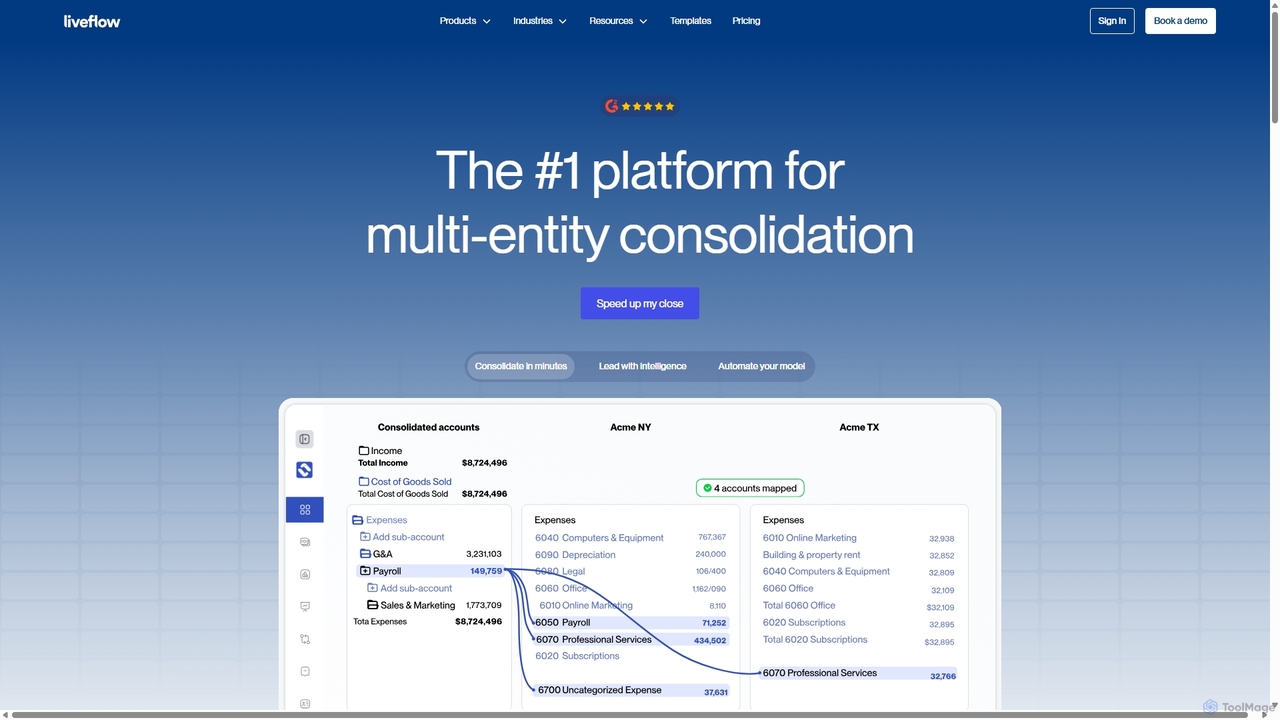
LiveFlow is the #1 finance platform for multi-entity finance teams, automating financial consolidation and reporting by connecting QuickBooks …
LiveFlow is the #1 finance platform for multi-entity finance teams, automating financial consolidation and reporting by connecting QuickBooks directly to Google Sheets and Excel. It eliminates manual work, saves days on month-end close, and provides real-time financial intelligence for strategic decision-making.
BuyScout
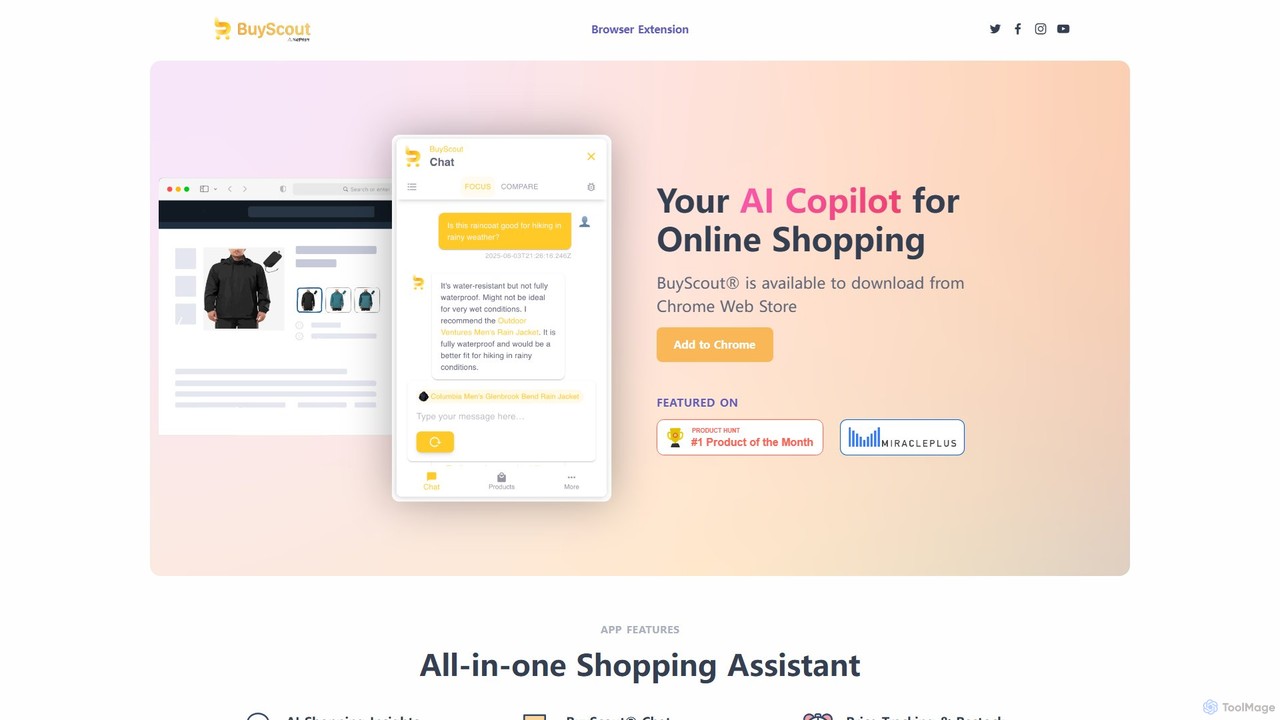
BuyScout is an AI-powered shopping assistant and Chrome extension that revolutionizes your online shopping. It analyzes reviews to …
BuyScout is an AI-powered shopping assistant and Chrome extension that revolutionizes your online shopping. It analyzes reviews to provide pros and cons, offers a chatbot for product comparisons, and tracks prices and stock, ensuring you always make the best purchase decision.

DealDrop
DealDrop is a free AI-powered browser extension and mobile app that revolutionizes online shopping. It automatically finds and …
DealDrop is a free AI-powered browser extension and mobile app that revolutionizes online shopping. It automatically finds and applies the best coupon codes at checkout and compares product prices in real-time across thousands of stores, ensuring you never miss a deal and always get the lowest price effortlessly.

DealDazzle
DealDazzle is a free AI-powered browser extension that revolutionizes online shopping. It automatically finds and applies the best …
DealDazzle is a free AI-powered browser extension that revolutionizes online shopping. It automatically finds and applies the best coupon codes, offers cash back from over 260,000 stores, tracks product prices, and discovers cheaper alternatives, ensuring you always get the best deal effortlessly.
Geniussheets
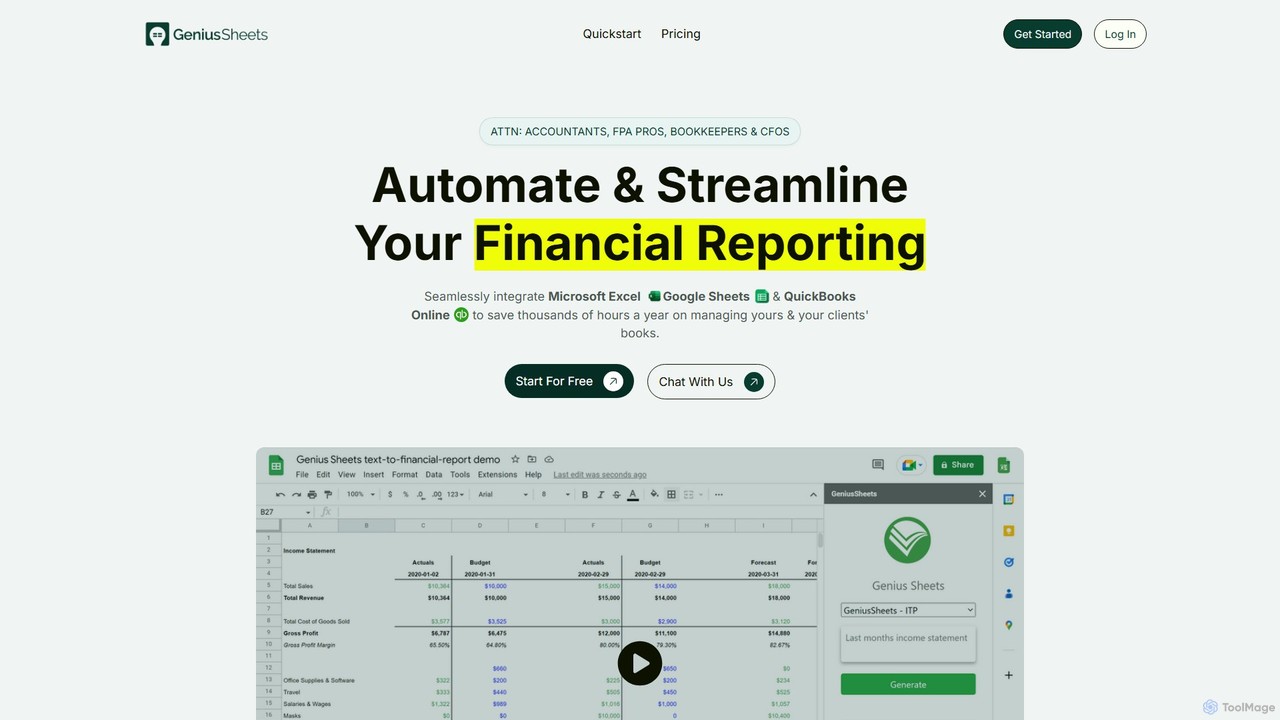
Geniussheets automates financial reporting by seamlessly integrating QuickBooks Online with Google Sheets and Microsoft Excel. It eliminates manual …
Geniussheets automates financial reporting by seamlessly integrating QuickBooks Online with Google Sheets and Microsoft Excel. It eliminates manual data entry, providing real-time, accurate financial data directly in your spreadsheets. Designed for accountants, FP&A professionals, and CFOs to save time, improve accuracy, and build dynamic financial models and dashboards.

Finsheet
Finsheet is a powerful add-on for Excel and Google Sheets, providing institutional-grade financial data directly into your spreadsheets. …
Finsheet is a powerful add-on for Excel and Google Sheets, providing institutional-grade financial data directly into your spreadsheets. Access over 30 years of historical and real-time data for global stocks, ETFs, forex, and cryptocurrencies. With simple, no-code functions, investors and analysts can easily perform market research, build financial models, and monitor portfolios without leaving their favorite spreadsheet application.
About Finance
AI Finance tools are a class of applications that leverage artificial intelligence to analyze financial data, automate processes, and generate actionable insights. These tools utilize machine learning algorithms, predictive analytics, and natural language processing to interpret complex market data, assess risk, and forecast trends. They empower users, from individual investors to large financial institutions, to make faster, more informed decisions and optimize their financial strategies. The primary value lies in their ability to process vast datasets in real-time, uncovering patterns that are invisible to human analysis.
Core Features
- Predictive Market Analysis: Forecasts stock prices, market trends, and economic indicators using historical data and machine learning models.
- Algorithmic Trading: Automates the execution of trades based on predefined criteria and real-time market analysis.
- Risk Management & Compliance: Identifies, assesses, and mitigates financial risks while ensuring adherence to regulatory standards.
- Fraud Detection: Employs anomaly detection to identify and flag suspicious transactions in real-time, preventing financial loss.
- Personalized Financial Advisory: Provides tailored investment advice and portfolio management based on an individual's financial goals and risk tolerance.
Use Cases
AI Finance tools are widely used across the financial sector. Investment banks and hedge funds use them for high-frequency trading and portfolio optimization. Retail banks apply them for credit scoring and loan approval automation. Corporate finance departments utilize these tools for financial forecasting and expense management, while individual investors use robo-advisors for personal wealth management.
How to Choose
When selecting an AI Finance tool, consider the following: First, evaluate its data security and compliance with financial regulations like GDPR or SEC rules. Second, assess its integration capabilities with your existing brokerage accounts, banks, or accounting software. Third, examine the accuracy and transparency of its predictive models. Finally, ensure the tool's specific features align with your primary goal, whether it's day trading, long-term investing, or business financial planning.
FinanceUse Cases
Automated Stock Market Analysis for Investors
An individual investor or financial analyst uses an AI-powered platform to screen thousands of stocks based on custom criteria like P/E ratios, revenue growth, and market sentiment analysis from news articles. The tool automatically generates detailed reports on promising stocks, highlighting potential risks and opportunities. This process reduces hours of manual research into minutes, allowing the investor to focus on strategic decision-making rather than data collection. The system can also set up real-time alerts for significant market events or price movements affecting their portfolio.
Executing High-Frequency Trading Strategies
A quantitative trading firm deploys an AI-driven algorithmic trading system to execute trades at speeds impossible for humans. The system analyzes real-time market data streams, identifies fleeting arbitrage opportunities, and places buy/sell orders in microseconds. The AI continuously learns from market responses and adjusts its strategies to optimize performance and manage risk. This application is crucial for capitalizing on small price inefficiencies in highly liquid markets like foreign exchange or equities, where speed is the primary competitive advantage.
AI-Powered Credit Scoring and Loan Approval
A bank or lending institution uses an AI model to assess the creditworthiness of loan applicants. Instead of relying solely on traditional credit scores, the AI analyzes a wider range of data points, including transaction history, income stability, and even behavioral patterns, to create a more accurate risk profile. This allows the institution to make faster, more consistent, and less biased lending decisions. It also helps identify creditworthy individuals who might be overlooked by conventional scoring systems, thereby expanding the potential customer base while managing default risk effectively.
Real-time Transaction Fraud Detection
An e-commerce platform or financial service provider integrates an AI-powered fraud detection system to monitor transactions as they occur. The system analyzes hundreds of variables for each transaction, such as user location, device information, purchase amount, and historical behavior, to calculate a real-time risk score. If a transaction is flagged as high-risk, it can be automatically blocked or sent for manual review. This proactive approach significantly reduces financial losses from fraudulent activities and chargebacks, while ensuring a smooth experience for legitimate customers.
Personalized Retirement Portfolio Management
An individual planning for retirement uses a robo-advisor service. After answering a questionnaire about their financial situation, retirement goals, and risk tolerance, the AI platform constructs a diversified, low-cost investment portfolio tailored to them. The AI automatically monitors the portfolio and performs periodic rebalancing to keep it aligned with the target asset allocation. It also provides projections and recommendations, helping the user stay on track to meet their retirement objectives with minimal manual intervention.
Automating Corporate Expense Management
A company's finance department uses an AI tool to streamline its expense reporting process. Employees simply take photos of their receipts, and the AI uses Optical Character Recognition (OCR) to extract key information like vendor, date, and amount. The tool automatically categorizes the expense and checks it against company policy for compliance. This automation drastically reduces the manual data entry for employees and the review time for the finance team, leading to faster reimbursements and improved accuracy in financial records.