ToolMage
Sign in

Best 14 Fitness AI tools

Popular Fitness AI tools include Arvo, BodyCheck, Prevess, SnapScale, Vitality, Zerofat, Surgify, Versafit, Gymconnect, and Runathon, helping you work more efficiently.

Surgify
Freemium

Surgify

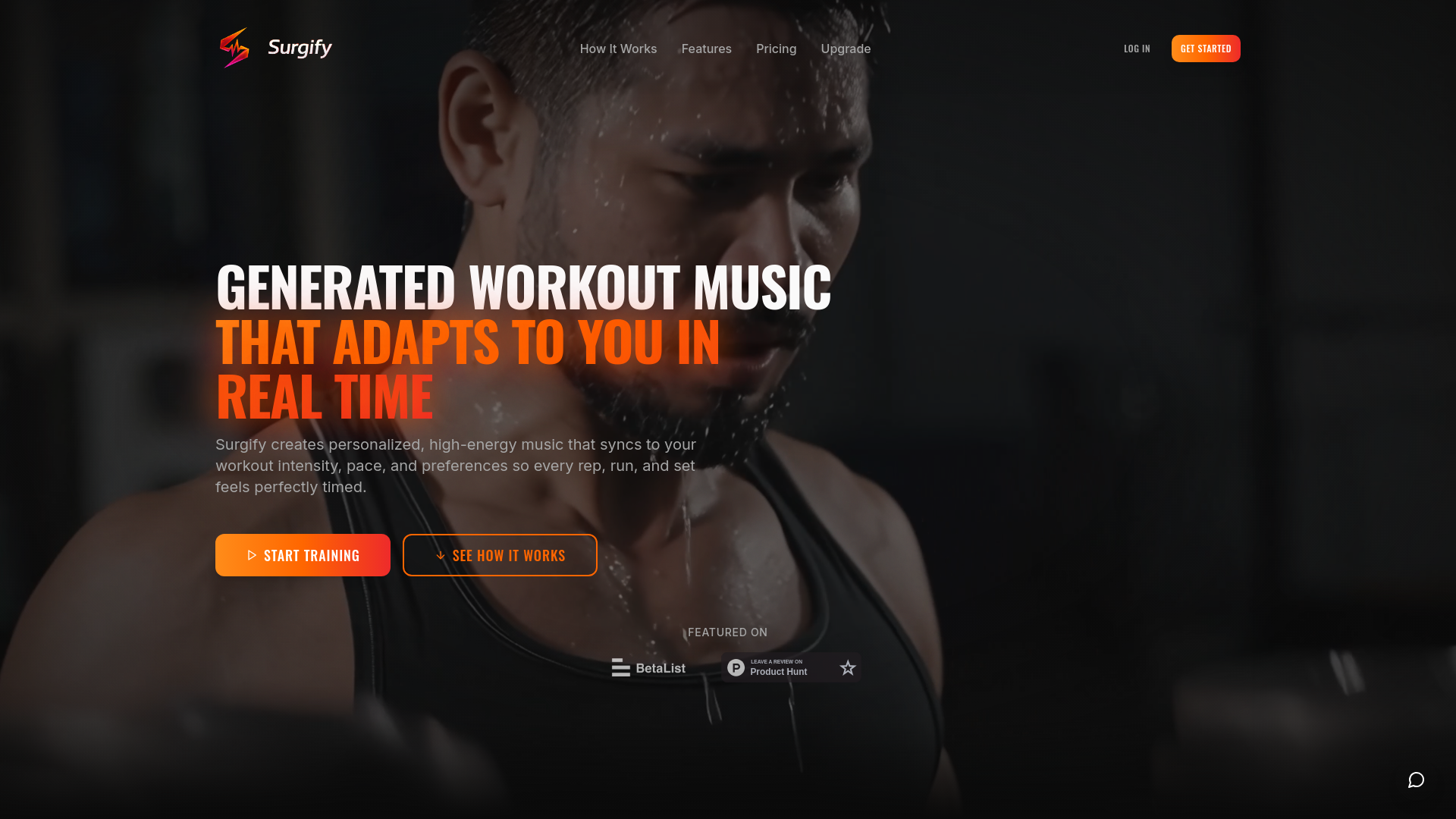
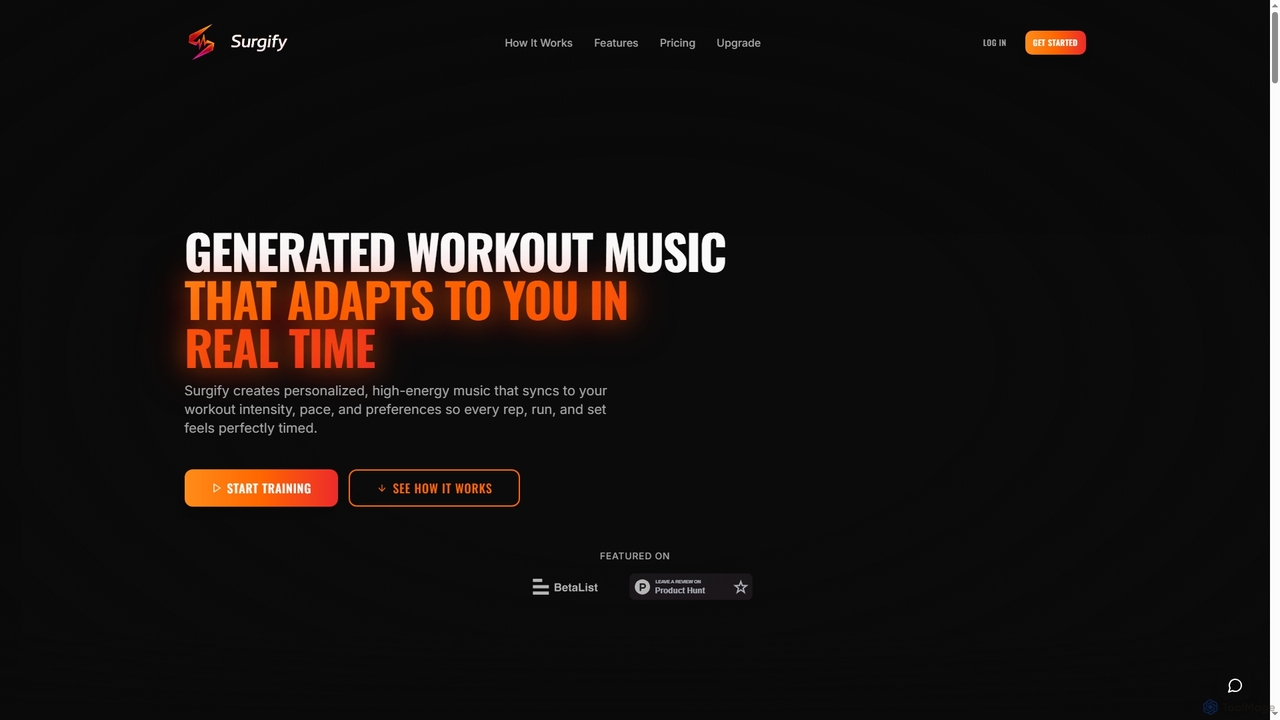
Surgify is an AI-powered gym music generator that creates personalized, high-energy soundtracks adapting in real-time to your workout intensity, pace, and preferences. It eliminates the need for playlists, skips, and interruptions, keeping you motivated and in flow through every session.

Workout Music
Visits 5.7KFavorites 32Likes 29
HeyFitt
Freemium

HeyFitt

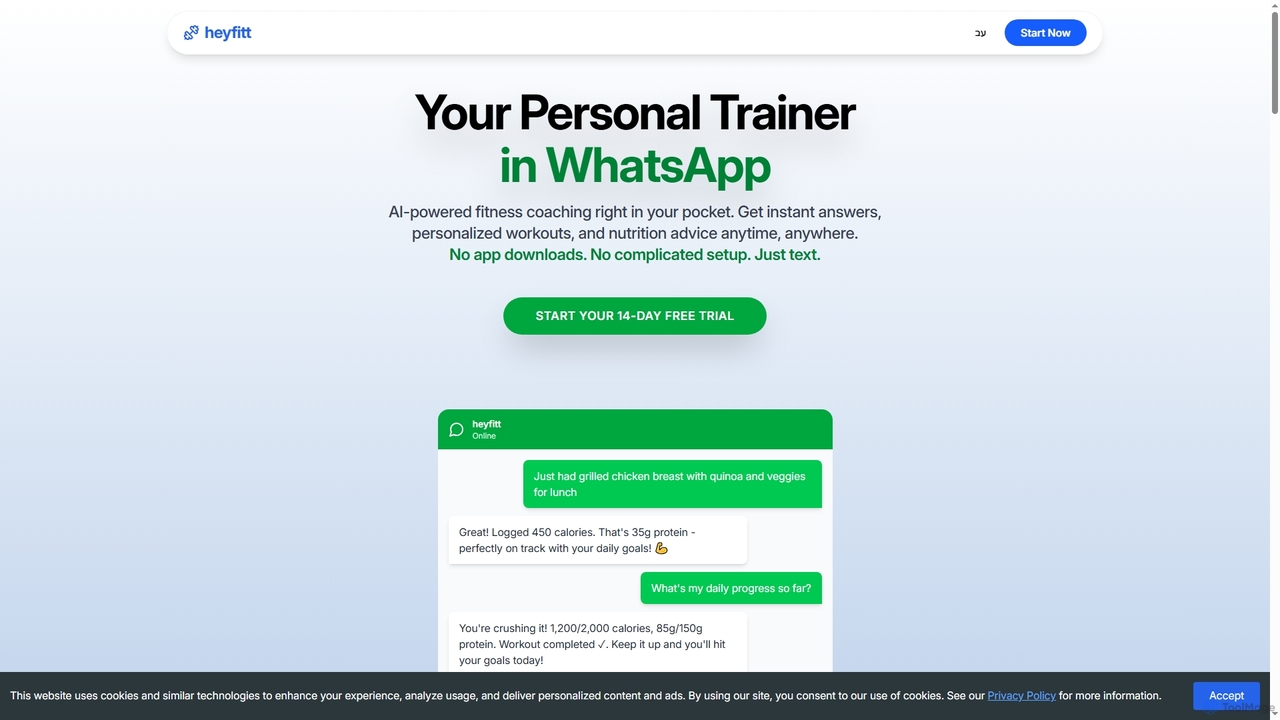
HeyFitt is an AI-powered fitness coach delivered directly through WhatsApp, offering personalized workout plans, nutrition advice, and instant answers 24/7. It eliminates the need for app downloads and complex setups, providing a convenient and accessible personal training experience.

Personal Training
Visits 5.6KFavorites 135Likes 155
Gymconnect
Freemium

Gymconnect

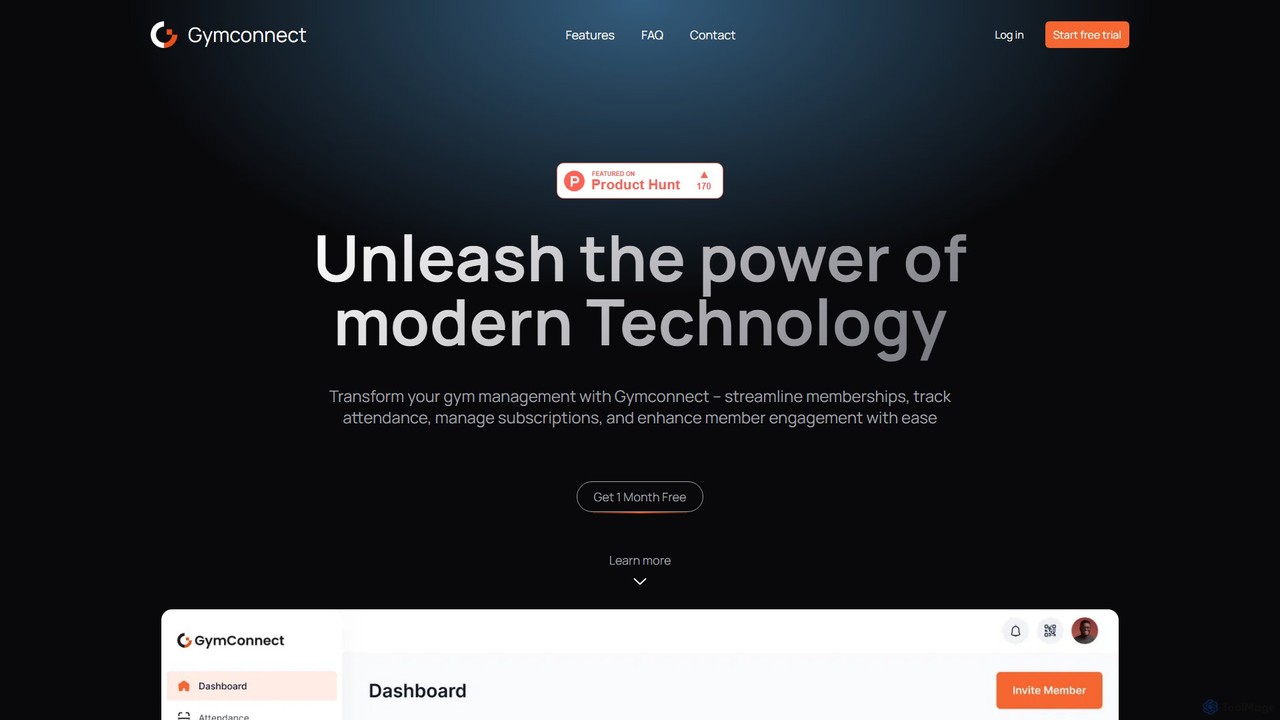
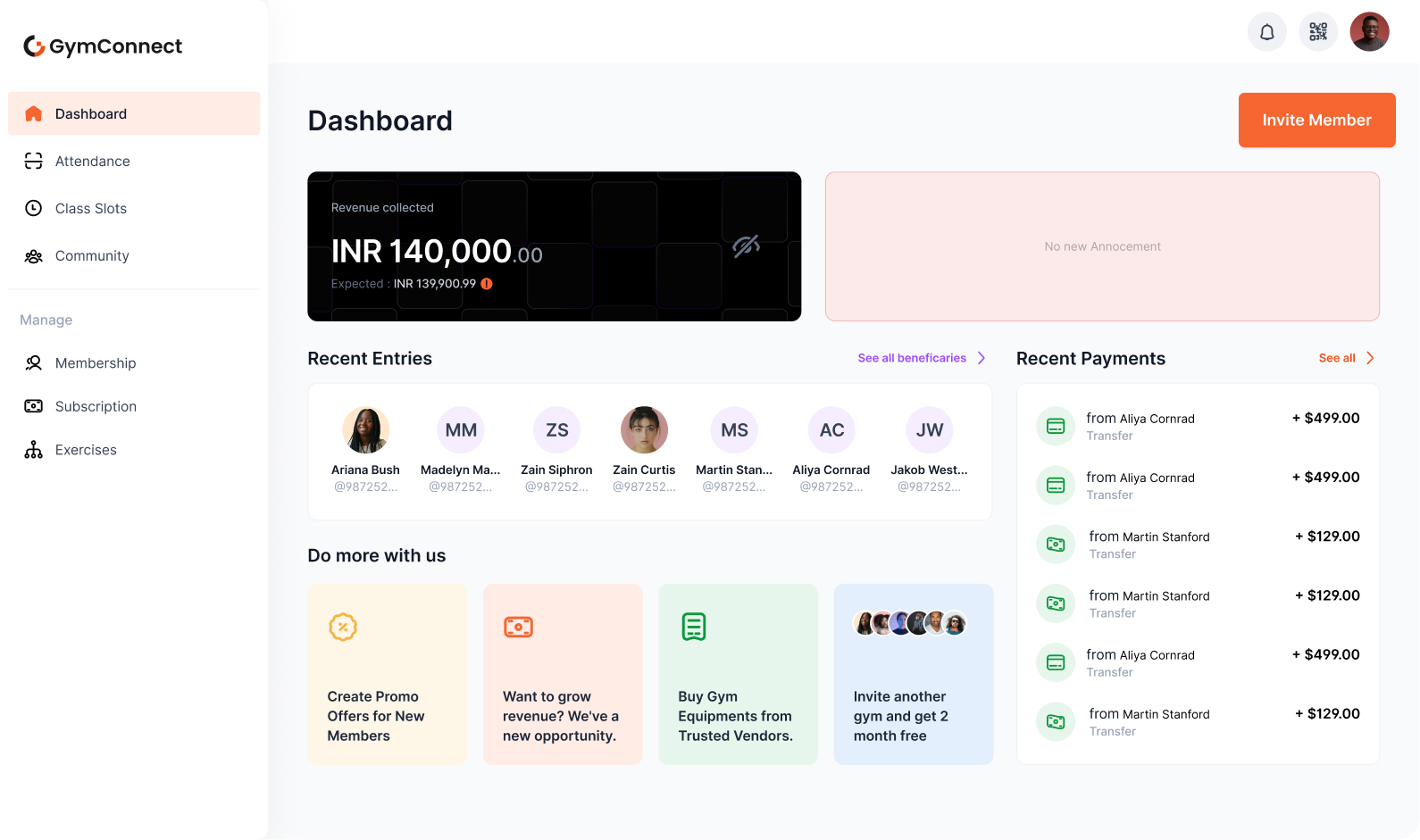
Gymconnect is an advanced, AI-powered gym management software designed to streamline all aspects of fitness center operations. It simplifies membership management, automates attendance tracking via QR codes, facilitates direct P2P payments, and provides AI-generated workout plans to enhance member engagement and results.

Management
Visits 5.6KFavorites 149Likes 140
Prevess
Paid

Prevess

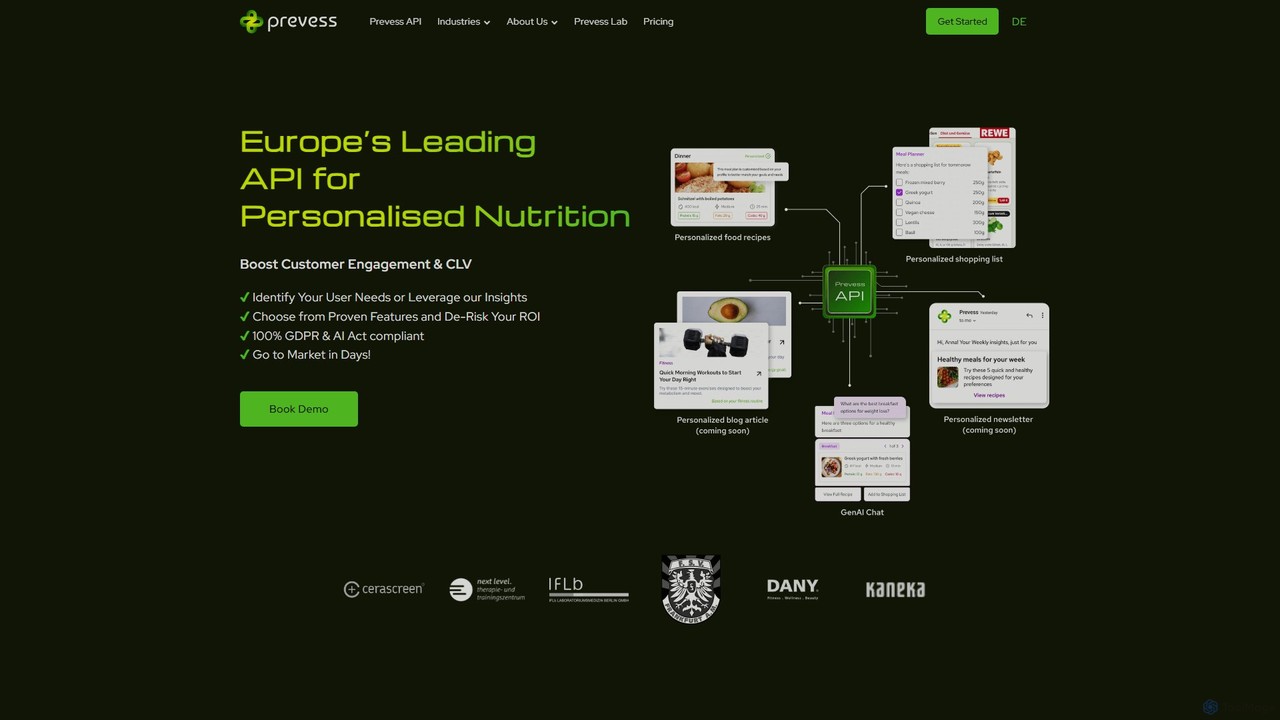
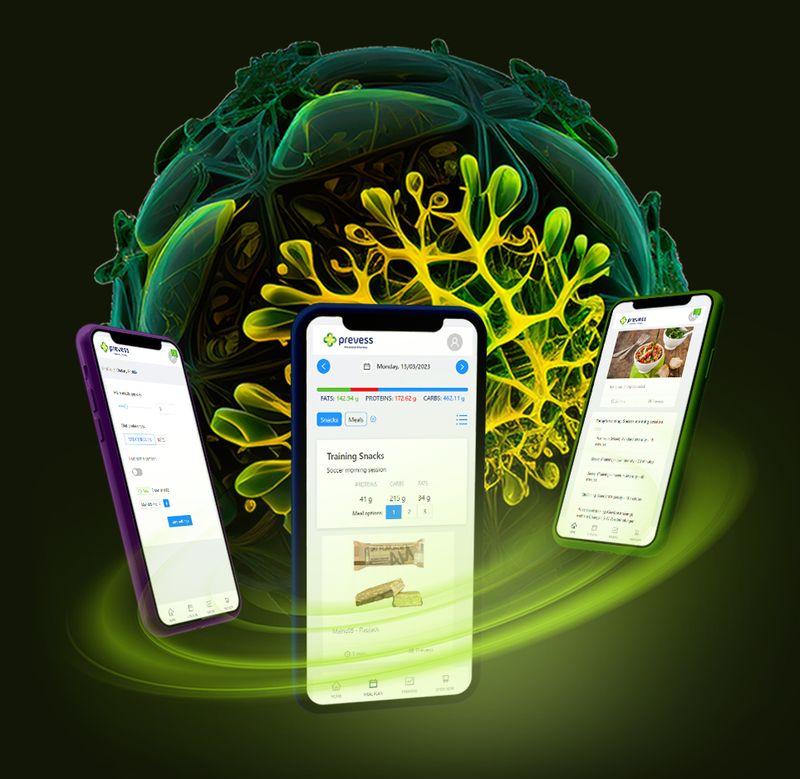
Prevess is a B2B AI-powered API for hyper-personalized nutrition and wellness recommendations. It enables businesses in healthcare, fitness, and food industries to enhance customer engagement, increase lifetime value, and rapidly deploy science-backed nutritional guidance.

Api
Visits 9KFavorites 158Likes 165

About Fitness

Fitness AI tools are AI-powered applications designed to enhance personal health and wellness through intelligent data analysis and personalized guidance. These tools leverage machine learning to track physical activity, analyze performance metrics, and offer tailored recommendations for workouts, nutrition, and recovery. They aim to optimize individual fitness journeys, making health goals more achievable and sustainable.

Core Features

  • Personalized Workout Plans: AI algorithms create customized exercise routines based on user goals, fitness levels, and progress.
  • Real-time Performance Tracking: Monitor heart rate, calories burned, distance, and form during workouts using sensors and computer vision.
  • Nutritional Guidance: Provide dietary recommendations, meal planning, and calorie tracking tailored to individual needs and fitness objectives.
  • Recovery and Injury Prevention: Analyze training load and biometric data to suggest optimal rest periods and exercises for injury avoidance.
  • Progress Analysis & Feedback: Offer insights into performance trends, highlight areas for improvement, and adjust plans dynamically.

Applicable Scenarios

Individuals seeking personalized training without a human coach can use AI fitness apps for guided workouts and progress tracking at home or the gym. Athletes can leverage these tools for advanced performance analysis and injury prevention strategies. Busy professionals can benefit from AI-driven meal planning and quick, effective workout suggestions that fit their schedule.

How to Choose

When selecting an AI fitness tool, consider its range of features, such as workout generation, tracking capabilities, and nutritional support. Evaluate its compatibility with your existing devices (wearables, smart gym equipment) and the accuracy of its data analysis. Look for tools that offer clear, actionable insights and adapt to your progress, ensuring long-term engagement and effectiveness.

Featured tool rankings

Fitness use cases

1

Generate Personalized Home Workout Plans

Individuals looking to stay fit at home can use AI fitness tools to create customized workout routines. By inputting their fitness goals, available equipment, and current fitness level, the AI generates daily or weekly exercise plans, complete with video demonstrations and real-time form correction. This ensures effective and safe workouts without the need for a personal trainer, adapting as the user progresses.

2

Optimize Marathon Training Programs

Endurance athletes preparing for a marathon can leverage AI fitness platforms to develop highly optimized training schedules. The AI analyzes past performance data, recovery metrics, and upcoming race conditions to suggest daily runs, cross-training, and rest days. It dynamically adjusts the plan based on the athlete's fatigue levels and progress, aiming to peak performance on race day while minimizing injury risk.

3

Create AI-Powered Nutritional Meal Plans

Users aiming for specific dietary goals, such as weight loss, muscle gain, or managing health conditions, can utilize AI fitness tools for personalized meal planning. The AI considers dietary preferences, allergies, calorie targets, and macronutrient ratios to generate daily meal suggestions and grocery lists. This simplifies healthy eating, ensuring nutritional needs are met in alignment with fitness objectives.

4

Real-time Form Correction for Strength Training

Gym-goers performing strength training can benefit from AI tools that offer real-time feedback on exercise form. Using computer vision via a smartphone camera, the AI monitors movements during squats, deadlifts, or push-ups, identifying incorrect posture or technique. It provides immediate audio or visual cues to correct form, preventing injuries and maximizing the effectiveness of each repetition.

5

Optimize Recovery and Prevent Injuries

Athletes and active individuals can use AI fitness tools to analyze their training load, sleep patterns, and heart rate variability to optimize recovery. The AI identifies signs of overtraining or potential injury risks, recommending active recovery exercises, stretching routines, or additional rest days. This proactive approach helps maintain peak performance and ensures long-term training sustainability.

6

Manage Corporate Wellness Programs

Companies implementing wellness programs for employees can use AI fitness platforms to offer personalized health challenges and track collective progress. The AI can create tailored fitness goals for individual employees, provide engaging content, and generate anonymized reports on overall employee well-being. This fosters a healthier workforce, potentially reducing healthcare costs and boosting productivity.

Fitness FAQ

What are AI Fitness tools?

AI Fitness tools are applications and devices that use artificial intelligence to personalize and optimize health and wellness routines. They leverage machine learning to analyze user data, such as activity levels, biometric readings, and dietary intake, to provide tailored workout plans, nutritional advice, and performance insights. Their goal is to make fitness more accessible, effective, and engaging for individuals.

How do AI Fitness tools personalize workouts?

AI Fitness tools personalize workouts by collecting and analyzing a wide range of user data, including fitness goals, current physical condition, past performance, available equipment, and even recovery metrics. AI algorithms then process this information to generate dynamic workout plans that adapt in real-time based on progress, fatigue, and individual responses, ensuring optimal challenge and effectiveness.

What are the main benefits of using AI for fitness?

The main benefits of using AI for fitness include highly personalized training and nutrition plans, real-time performance tracking with actionable feedback, and enhanced motivation through adaptive challenges. AI tools can also help prevent injuries by monitoring form and suggesting optimal recovery, making fitness more efficient, safer, and tailored to individual needs than generic programs.

Can AI Fitness tools help with nutrition and diet?

Yes, many AI Fitness tools offer comprehensive nutritional guidance. They can analyze your dietary preferences, allergies, calorie requirements, and macronutrient goals to generate personalized meal plans, recipe suggestions, and grocery lists. Some tools also track food intake and provide feedback on nutritional balance, helping users achieve their health and fitness objectives through optimized eating habits.

How do I choose the best AI Fitness app for my needs?

To choose the best AI Fitness app, consider your primary goals (e.g., weight loss, muscle gain, marathon training) and look for tools specializing in those areas. Evaluate features like personalized plan generation, real-time tracking, form correction, and nutritional support. Check compatibility with your devices, read user reviews for accuracy and usability, and consider the pricing model to ensure it aligns with your budget and long-term commitment.