ToolMage
Sign in

Best 2 Recipe Generation AI tools for Food

Popular Recipe Generation AI tools in Food include ScanMyKitchen and Subtlefood, helping you work more efficiently.

Subtlefood

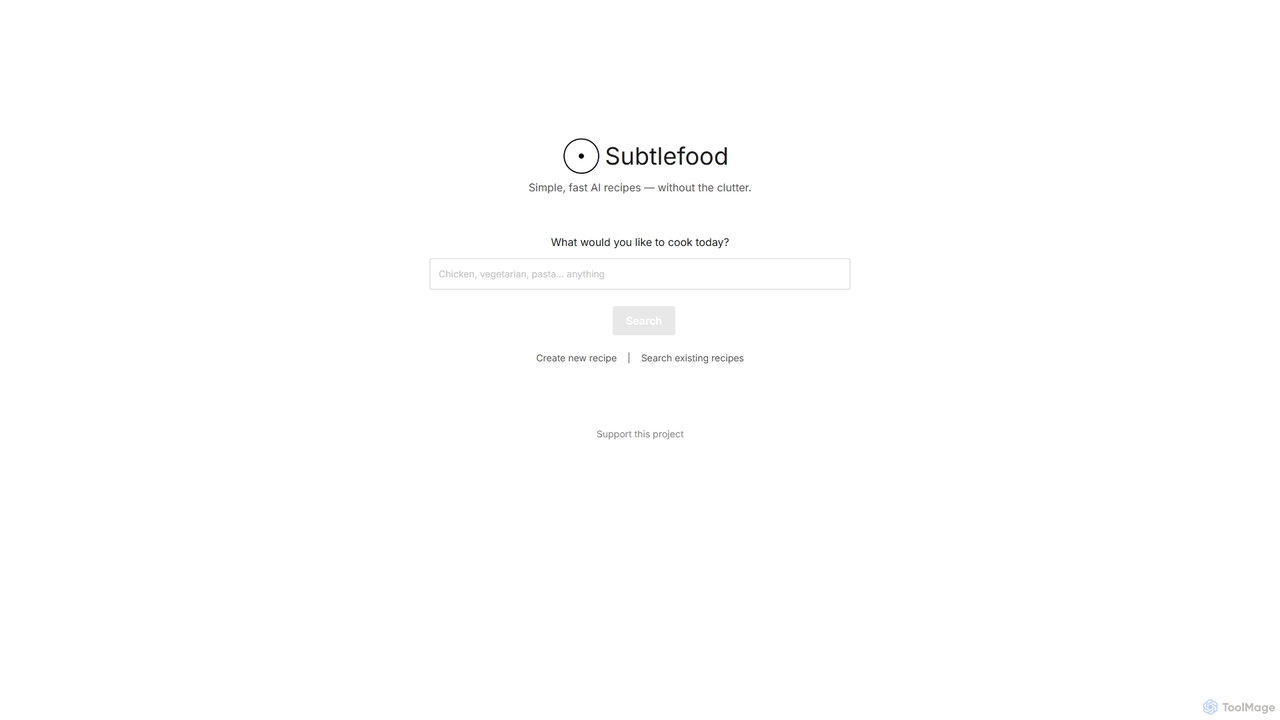
Subtlefood

Subtlefood is an AI-powered recipe generator designed to provide simple, fast, and clutter-free cooking solutions. It allows users to effortlessly create new recipes or search through existing ones, making meal planning and culinary exploration straightforward and enjoyable.

Culinary Creativity
Visits 5.7KFavorites 52Likes 57
ScanMyKitchen
Free

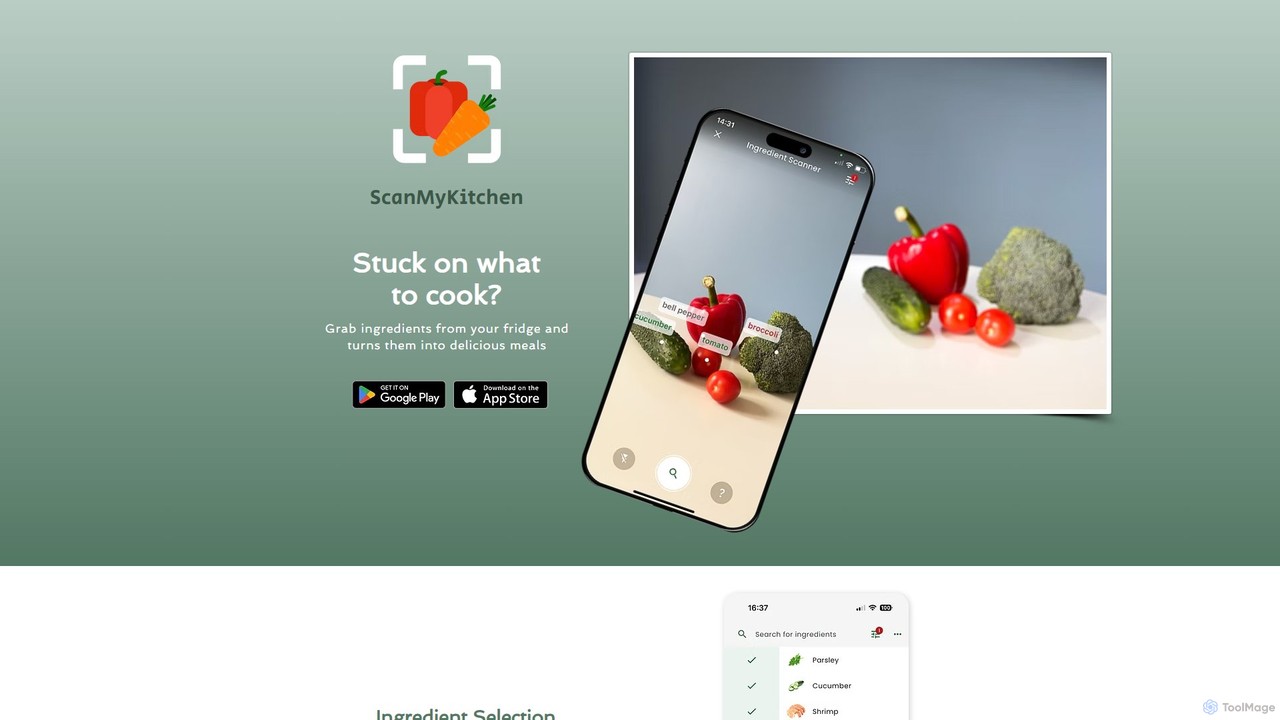
ScanMyKitchen

ScanMyKitchen is an AI-powered recipe generator that transforms your available ingredients into delicious meals. Simply select what you have in your fridge or use the camera scanning feature, and the tool provides traditional and AI-generated recipes. It helps reduce food waste, save money, and inspire your daily cooking.

Recipe Generation
Visits 5.7KFavorites 121Likes 138

About Recipe Generation

Recipe Generation tools are AI-powered platforms that automatically create new recipes based on user inputs. These tools leverage advanced algorithms and extensive food databases to understand ingredient compatibility, cooking techniques, and dietary requirements. They provide innovative culinary inspiration, simplify meal planning, and cater to diverse dietary needs, transforming how individuals and professionals approach cooking and food creation.

Core Features

  • Ingredient-Based Generation: Creates recipes using a list of ingredients provided by the user.
  • Dietary & Allergy Filters: Generates recipes compliant with specific diets (e.g., vegan, keto) or free from allergens.
  • Cuisine & Dish Type Customization: Allows users to specify preferred cuisines (e.g., Italian, Mexican) or dish types (e.g., dessert, main course).
  • Nutritional Analysis: Provides estimated nutritional information for generated recipes.
  • Recipe Customization & Optimization: Modifies existing recipes or optimizes new ones for taste, health, or ingredient availability.

Use Cases

These tools are invaluable for home cooks seeking daily meal inspiration, professional chefs experimenting with new flavor combinations, and dietitians creating personalized meal plans. They also assist food bloggers in generating unique content and food businesses in developing innovative products.

How to Choose

When selecting a recipe generation tool, consider the breadth and quality of its ingredient database, the flexibility of its customization options (dietary, cuisine, skill level), and its ability to provide accurate nutritional information. A user-friendly interface and integration with meal planning features are also key factors for an optimal experience.

Recipe Generation use cases

1

Personalized Meal Planning for Busy Individuals

A busy professional can input their available ingredients, dietary preferences (e.g., low-carb, high-protein), and desired cooking time into an AI recipe generator. The tool then provides a week's worth of customized meal ideas, complete with shopping lists and step-by-step instructions, saving hours of planning and ensuring adherence to health goals.

2

Innovative Dish Creation for Professional Chefs

A chef looking to add a unique dish to their restaurant menu can use a recipe generator to explore novel flavor combinations. By inputting core ingredients and desired cuisine styles, the AI can suggest innovative recipes, cooking methods, and plating ideas, sparking creativity and differentiating the restaurant's offerings without extensive manual experimentation.

3

Recipe Adaptation for Specific Dietary Needs

Individuals with strict dietary requirements, such as those with celiac disease or diabetes, can utilize recipe generation tools to adapt existing recipes or create new ones. By specifying 'gluten-free' or 'low-sugar' filters, the AI can modify ingredients and quantities, ensuring the generated recipes are safe and suitable, significantly expanding their culinary options.

4

Content Creation for Food Bloggers and Influencers

A food blogger constantly needing fresh content can leverage AI recipe generators to quickly brainstorm and develop unique recipes. By inputting trending ingredients or seasonal themes, the AI can generate multiple recipe variations, complete with engaging descriptions and potential serving suggestions, significantly speeding up content production and maintaining audience interest.

5

Reducing Food Waste with Ingredient-Based Recipes

Households aiming to minimize food waste can input leftover ingredients or items nearing their expiration date into a recipe generation tool. The AI then suggests creative and delicious recipes that utilize these specific ingredients, preventing them from being discarded. This not only saves money but also contributes to more sustainable cooking practices.

6

Educational Tool for Culinary Students

Culinary students can use recipe generation tools as an educational aid to understand ingredient pairings, flavor profiles, and cooking techniques. By experimenting with different inputs and observing the AI's suggestions, students can broaden their culinary knowledge, develop their creativity, and learn to innovate within various cuisine frameworks, enhancing their practical skills.

Recipe Generation FAQ

What are AI Recipe Generation tools?

AI Recipe Generation tools are software applications that use artificial intelligence to create new and unique recipes. They analyze vast databases of ingredients, cooking methods, and flavor profiles to generate recipes tailored to specific user inputs, such as available ingredients, dietary restrictions, cuisine preferences, or desired meal types. These tools aim to inspire creativity and simplify meal planning.

How do AI recipe generators differ from traditional recipe websites?

Traditional recipe websites offer a fixed collection of recipes, requiring users to search and filter manually. AI recipe generators, however, actively create new recipes on demand, often from scratch, based on dynamic inputs. This allows for highly personalized and adaptable culinary solutions, such as generating a recipe for 'chicken, broccoli, and sweet potato' with a 'Mediterranean' twist, which a static database might not offer.

What features should I look for in an AI recipe generation tool?

Key features to consider include a robust ingredient database, flexible dietary and allergy filters, and options for customizing cuisine styles or cooking methods. Look for tools that offer nutritional analysis, meal planning capabilities, and the ability to save or share generated recipes. A user-friendly interface and clear, step-by-step instructions are also crucial for a positive experience.

Who can benefit most from using AI recipe generation?

A wide range of users can benefit. Home cooks gain daily inspiration and simplify meal planning, especially those with limited ingredients or time. Professional chefs can explore new culinary ideas and streamline menu development. Individuals with specific dietary needs (allergies, health conditions) find it easier to create suitable meals. Food bloggers and content creators can generate fresh, unique content efficiently. Essentially, anyone looking for creative, personalized, or efficient cooking solutions will find value.

Can AI recipe generators help with specific dietary restrictions like vegan or gluten-free?

Yes, most advanced AI recipe generators are designed with robust filtering capabilities to cater to various dietary restrictions. Users can typically specify preferences such as vegan, vegetarian, gluten-free, dairy-free, keto, low-carb, or allergy-specific requirements. The AI then generates recipes that strictly adhere to these criteria, ensuring safe and suitable meal options without compromising on taste or variety. This is a core strength of these tools.

How accurate is the nutritional information provided by AI recipe generators?

The accuracy of nutritional information from AI recipe generators can vary depending on the tool's underlying database and algorithms. While many tools strive to provide reliable estimates based on standard ingredient data, they should generally be used as a guide rather than a definitive source for precise dietary planning. For critical dietary needs, it's always advisable to consult with a qualified nutritionist or cross-reference with verified nutritional databases.