ToolMage
Sign in

Best 3 For Fun AI tools

Popular For Fun AI tools include Storywizard.ai, StoryBookly, and Makemytale, helping you work more efficiently.

Freemium

Makemytale

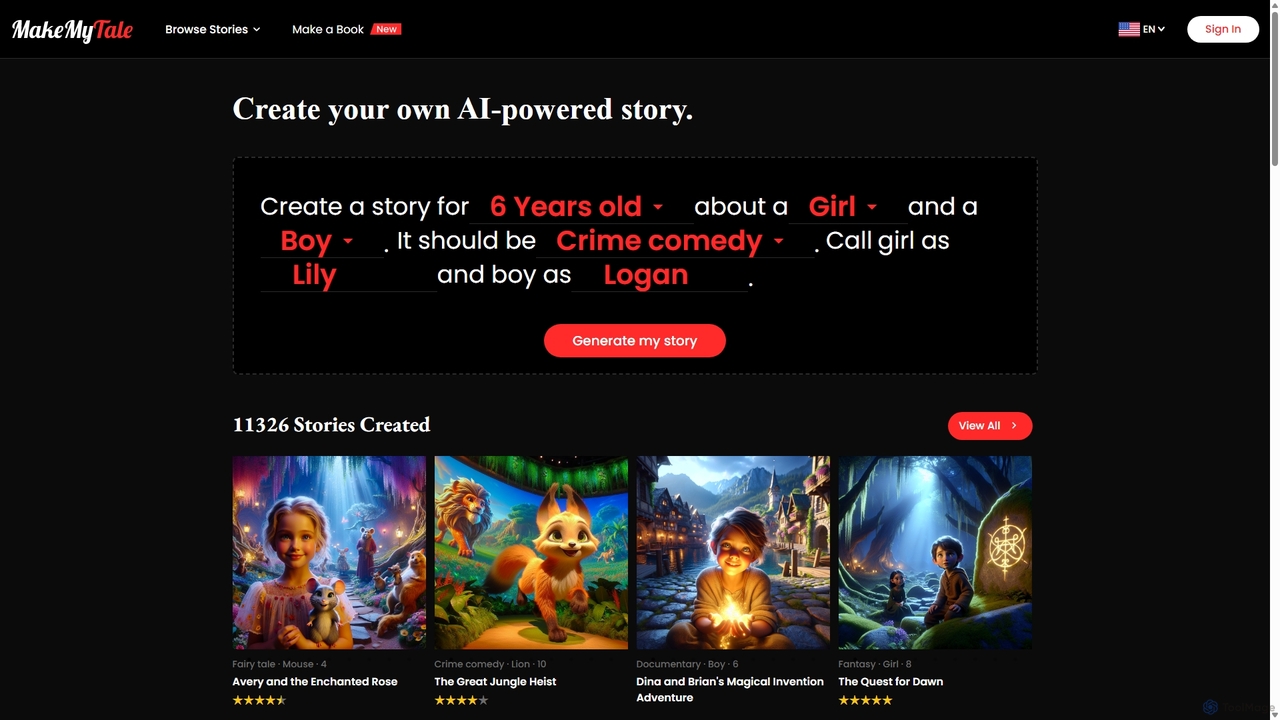
Makemytale is an AI-powered story creation platform designed for children. It allows users to generate unique, personalized stories by selecting characters, themes, and age groups. The platform aims to nurture creativity and imagination in a safe and secure online environment, offering options to turn tales into audio and video formats.

Writing Assistant
Visits 3.5KFavorites 94Likes 104
Freemium

StoryBookly

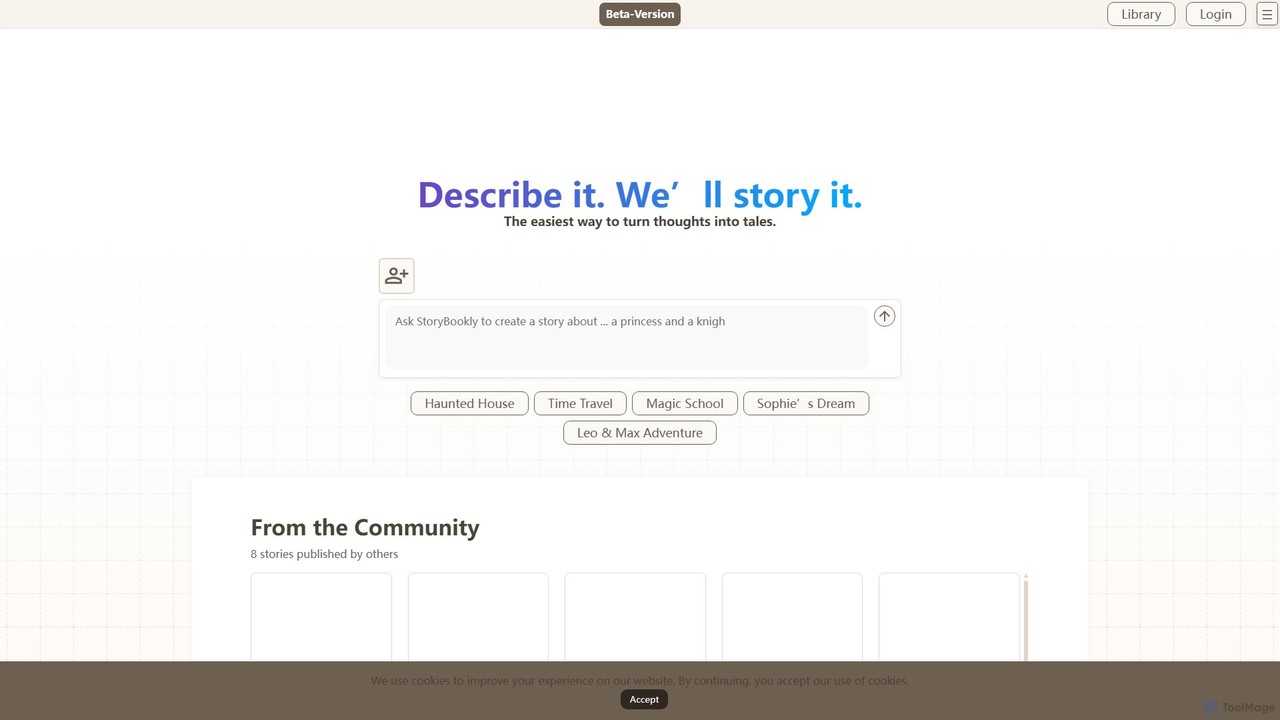
StoryBookly is an AI-powered platform that transforms simple ideas into beautifully illustrated, personalized storybooks for children. It's designed to spark creativity, enhance learning, and make storytelling a magical, interactive experience for both parents and kids.

Writing
Visits 9KFavorites 111Likes 112
Freemium

Storywizard.ai

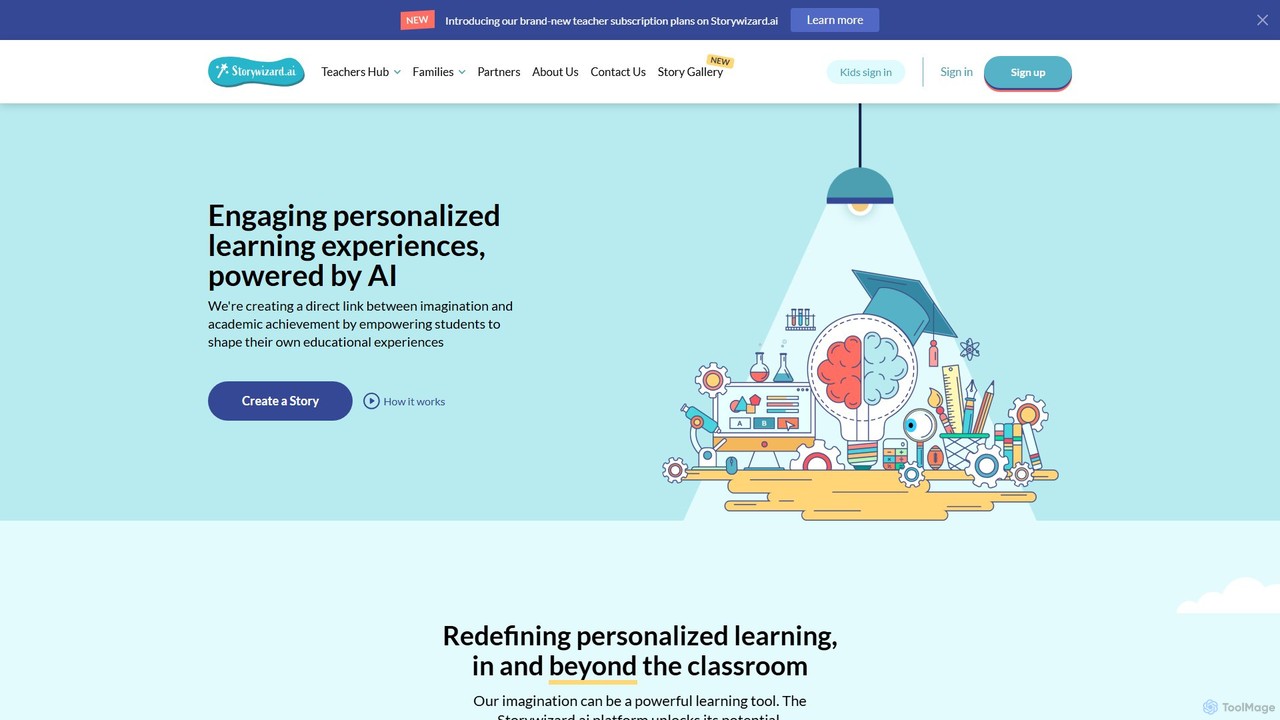
Storywizard.ai is an AI-powered platform designed to create personalized and engaging learning experiences for children. It enables families and educators to generate unique stories with illustrations, turning any child into the hero of their own adventure. The tool supports differentiated learning with customizable assignments, vocabulary controls, and progress tracking, making education both fun and effective.

Generative Ai
Visits 15.6KFavorites 125Likes 119

About For Fun

For Fun AI tools are a diverse category of applications designed to entertain, inspire creativity, and provide amusement through artificial intelligence. They leverage generative models for text, images, and audio to create humorous content, interactive stories, or unique artistic expressions. Users can engage with these tools to generate memes, craft personalized jokes, chat with virtual companions, or simply explore the playful side of AI technology. Unlike productivity tools, their primary goal is user enjoyment and engagement rather than task completion.

Core Features

  • AI Character Chat: Engage in conversations with fictional, historical, or custom AI personalities for role-playing and entertainment.
  • Meme & Joke Generation: Automatically create humorous images, captions, and text-based jokes based on user prompts and trends.
  • Creative Content Generation: Produce poems, song lyrics, short stories, or scripts for purely entertainment purposes.
  • AI-Powered Games: Participate in interactive games where the AI acts as a storyteller, opponent, or dynamic world-builder.
  • Face & Voice Alteration: Apply fun filters, swap faces in photos and videos, or modify voices for comedic effect and social sharing.

Use Cases

These tools are popular among social media users for creating viral content, gamers looking for unique interactive experiences, and individuals seeking a creative outlet. They are also used in informal social settings to generate conversation starters or group entertainment, such as creating funny lyrics for a party or designing a unique avatar.

How to Choose

When selecting a For Fun AI tool, first identify the type of entertainment you seek (e.g., chat, image generation, games). Evaluate the user interface for ease of use, check for content moderation policies and community guidelines to ensure a safe experience, and consider any subscription costs for premium features or unlimited access.

Featured tool rankings

For Fun use cases

1

Creating Viral Social Media Memes

A content creator aims to boost engagement by tapping into a current trend. Using an AI meme generator, they input a keyword related to the trend. The tool instantly suggests popular image templates and generates several witty, relevant captions. The creator can then select the best combination, make minor tweaks, and share a timely, humorous meme across their social platforms in minutes, significantly reducing creative brainstorming time.

2

Chatting with a Fictional Character

A fan of a fantasy novel wants to immerse themselves further in its world. They use an AI character chat platform to start a conversation with the book's main protagonist. The AI, trained on the character's personality and story, responds in a consistent and believable voice. This provides a unique, interactive role-playing experience, allowing the fan to ask questions, explore scenarios, and engage with their favorite character in a personal way.

3

Generating a Personalized Bedtime Story

A parent wants to create a unique bedtime story for their child. Using an AI story generator, they input simple prompts like 'a brave squirrel named Sam,' 'a magical glowing acorn,' and 'a lesson about sharing.' The AI weaves these elements into a short, coherent, and age-appropriate narrative. This process allows the parent to generate a new, personalized adventure every night, making story time more engaging and special for the child.

4

Hosting an AI-Powered Game Night

A group of friends uses an AI Dungeon Master for a spontaneous role-playing game. Instead of one person preparing a campaign for hours, they simply set a scene (e.g., 'explorers in a lost jungle temple'). The AI dynamically generates descriptions, non-player characters, and challenges based on the players' actions. This creates an unpredictable and collaborative storytelling experience where even the host doesn't know what will happen next, making for a fresh and exciting game night.

5

Crafting a Humorous Song for an Event

A user needs to write a funny song for a friend's birthday party. They use an AI song lyric generator, providing key details like the friend's name, a few inside jokes, and a preferred music style like '80s pop.' The AI generates several verses and a catchy chorus that incorporate these elements in a clever, rhyming structure. This gives the user a strong creative foundation, saving them from the struggle of songwriting and allowing them to focus on the performance.

6

Designing a Funny Profile Picture or Avatar

A user wants to update their online profiles with a unique avatar. Instead of using a standard photo, they use an AI art generator. They enter a playful prompt like, 'A photorealistic portrait of a capybara wearing sunglasses and a tiny hat, sitting in a library.' The AI produces several creative and humorous interpretations of this concept. The user can then select their favorite image to use as a memorable and amusing profile picture across different platforms.

For Fun FAQ

What are For Fun AI tools?

For Fun AI tools are applications designed primarily for entertainment, amusement, and casual creativity. Unlike tools focused on productivity, their goal is to provide enjoyable experiences. This includes activities like chatting with AI characters, generating memes and jokes, creating funny images, or playing AI-driven interactive games. They leverage artificial intelligence to produce novel and often unpredictable content for personal enjoyment.

How do I choose a good For Fun AI tool?

To choose a suitable For Fun AI tool, consider these factors:

  • Type of Entertainment: Decide if you prefer text-based fun (chatbots, story generators), visual creation (meme/image generators), or interactive experiences (AI games).
  • Ease of Use: Look for a tool with a simple, intuitive interface that allows you to start creating or playing quickly without a steep learning curve.
  • Content Moderation: Check if the platform has safety features and community guidelines, especially for chat or user-generated content platforms.
  • Cost: Many tools offer free versions with limitations. Determine if the features of a paid plan are worth the cost for your level of use.
Are For Fun AI tools free to use?

Many For Fun AI tools operate on a 'freemium' model. This means they offer a free tier that provides basic functionality, but it may come with limitations such as a daily usage cap, watermarks on generated content, or slower processing speeds. For unlimited access, advanced features, higher quality outputs, or an ad-free experience, a paid subscription or one-time purchase is often required. It's best to check the specific pricing model of each tool before committing.

What's the difference between For Fun AI and creative AI tools?

While there is overlap, the primary difference is intent and complexity. For Fun AI tools are designed for casual entertainment, quick results, and amusement (e.g., making a simple meme). Creative AI tools (like professional image or music generators) are generally more powerful and feature-rich, designed to assist in or produce high-quality artistic or commercial work. The focus of creative tools is on control, quality, and integration into a professional workflow, whereas fun tools prioritize ease of use and immediate enjoyment.

Can I use content from For Fun AI tools commercially?

This depends entirely on the specific tool's terms of service. Generally, content created using free or personal tiers of For Fun AI tools is intended for personal, non-commercial use only. Commercial use, such as for marketing, merchandise, or advertising, often requires a specific commercial license or a subscription to a business-tier plan. Always review the usage rights and licensing agreement of any tool before using its output for business purposes to avoid copyright issues.