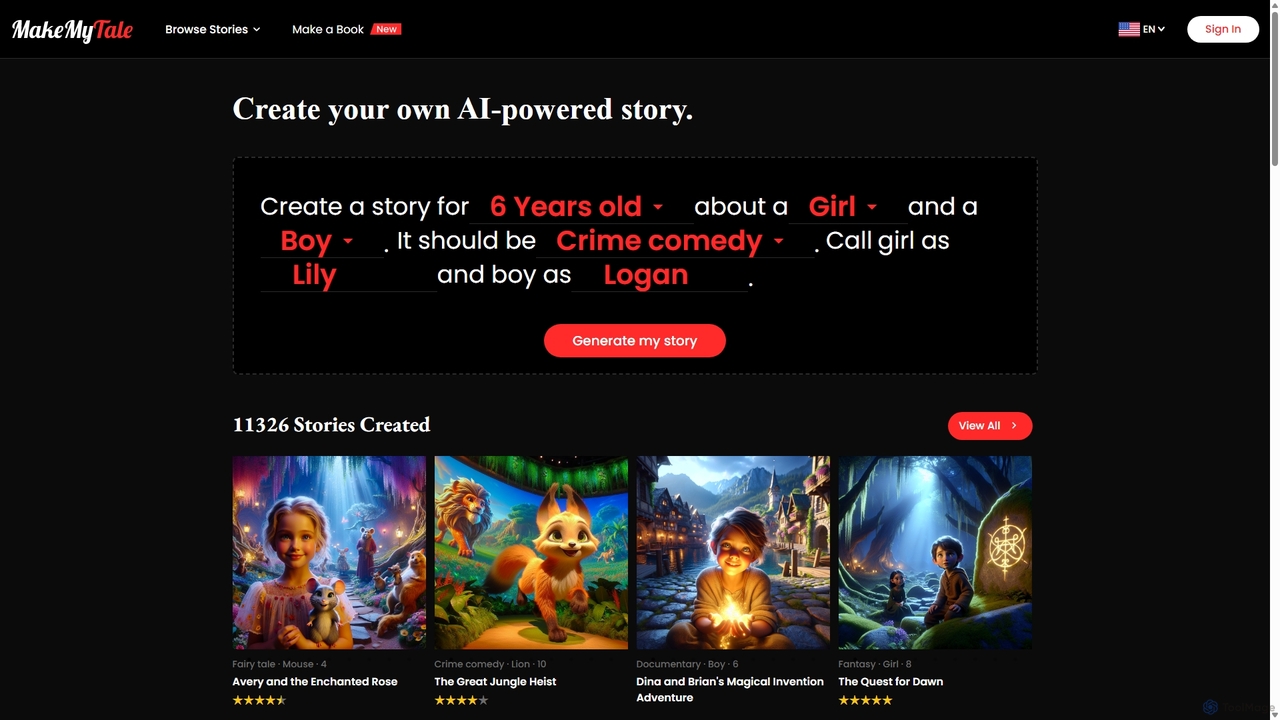
Writing Assistant tools are AI-powered applications designed to enhance the quality, clarity, and efficiency of written content. They leverage advanced Natural Language Processing (NLP) models to analyze text, providing real-time suggestions for grammar, style, tone, and syntax. These assistants act as a co-pilot in the creative process, helping users overcome writer's block, refine their message, and ensure consistency. Unlike basic spell checkers, they understand context to offer meaningful improvements for any writing task.
Core Features
- Grammar and Style Correction: Identifies and corrects complex grammatical errors, punctuation mistakes, and stylistic inconsistencies.
- Tone and Clarity Enhancement: Suggests alternative phrasing to adjust the tone (e.g., formal, confident, friendly) and improve readability.
- Content Generation and Expansion: Helps autocomplete sentences, expand on ideas, or rephrase paragraphs to avoid repetition.
- Plagiarism Detection: Scans text against a vast database of online sources to ensure originality.
- Summarization: Condenses long documents or articles into concise summaries, highlighting key points.
Use Cases
Writing Assistants are widely used by students for academic papers, marketers for creating compelling ad copy and blog posts, and business professionals for drafting clear emails and reports. Technical writers also use them to maintain consistency in documentation, while non-native speakers rely on them to produce fluent, error-free text.
How to Choose
When selecting a Writing Assistant, consider its integration capabilities with your existing workflow (e.g., browser extensions, Google Docs add-ons). Evaluate the depth of its features—do you need basic proofreading or advanced content generation? Also, assess its language support, user interface intuitiveness, and the pricing model's suitability for your needs.