ToolMage
Sign in

Best 8 Brainstorming AI tools for Creativity

Popular Brainstorming AI tools in Creativity include TextFX, Story Generator, Sliiidea, BrimIdea, vienna, aistorygenerator, Automindmap, and MyDreamTeam, helping you work more efficiently.

Automindmap

Automindmap

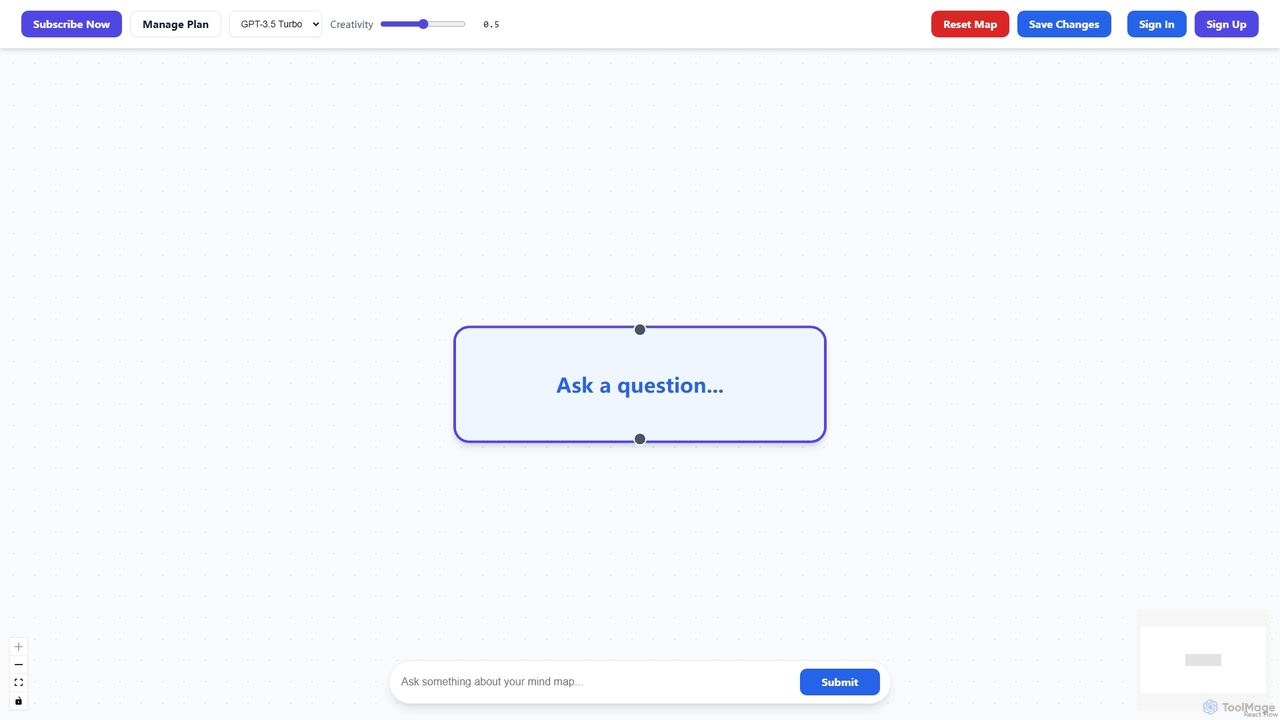
Automindmap is an intelligent web-based tool designed to streamline the creation and organization of visual mind maps. Users can initiate a mind map by asking a question or providing a prompt, and then interactively refine the generated structure by manipulating nodes and edges for clear idea visualization.

Brainstorming
Visits 6.4KFavorites 35Likes 39
BrimIdea
Freemium

BrimIdea

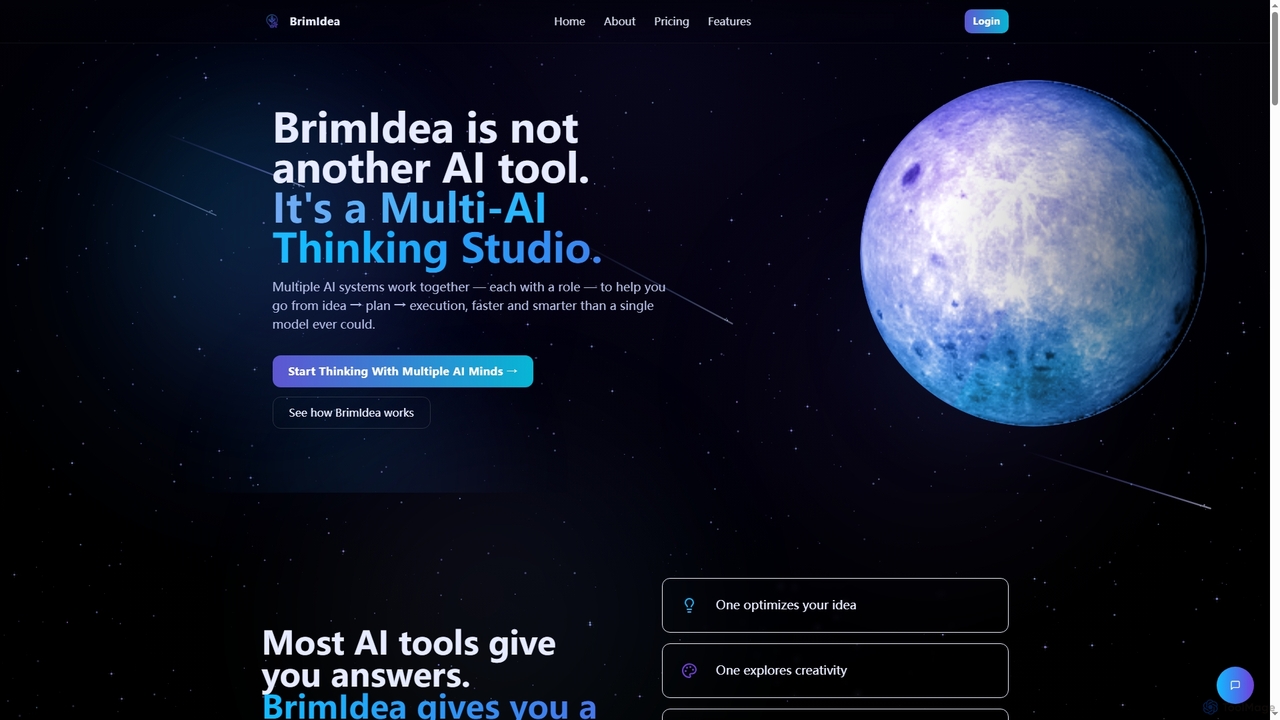
BrimIdea is a Multi-AI Thinking Studio that orchestrates multiple specialized AI models (GPT, DeepSeek, Claude) to transform ideas into actionable plans. It provides a comprehensive thinking system for creative brainstorming, strategic planning, and detailed execution, guiding users from initial concept to refined output faster and smarter.

Strategic Planning
Visits 6.5KFavorites 61Likes 59
Story Generator
Freemium

Story Generator

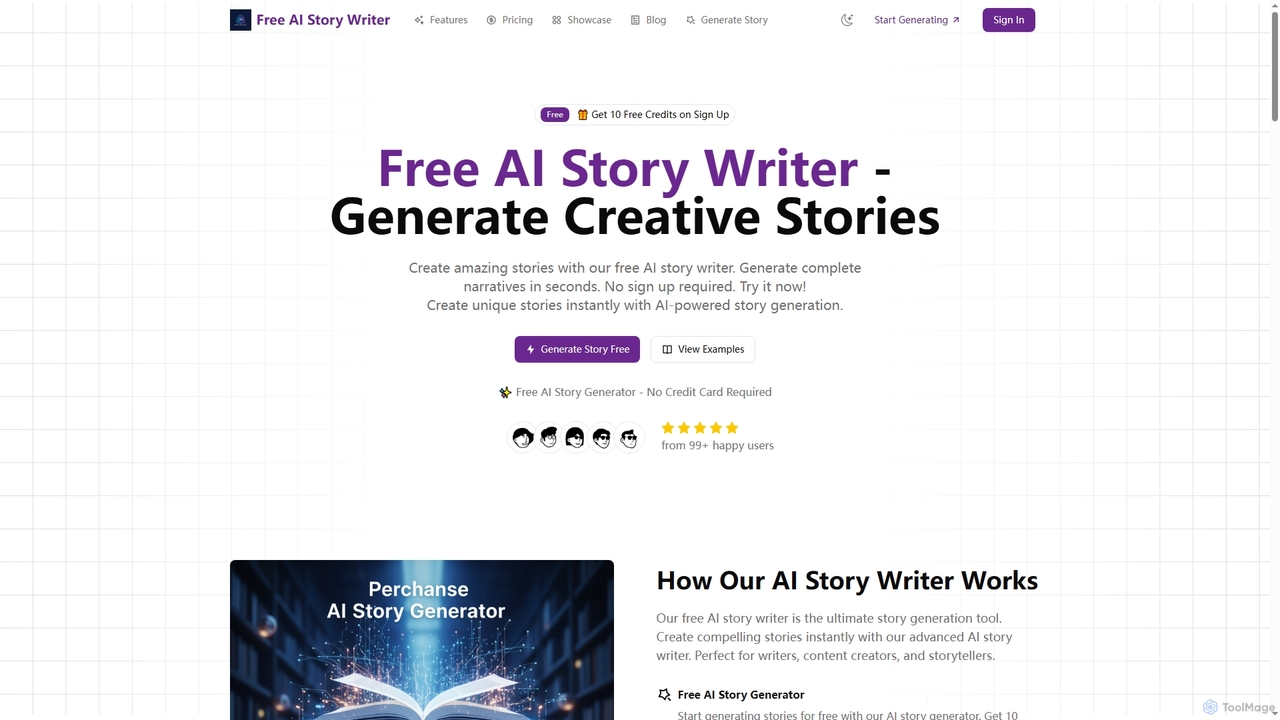
Story Generator is a free AI-powered writing tool that helps users create unique and compelling narratives instantly. It generates three distinct story versions from a single prompt, supports various genres, and offers customization options for characters, plot, and style. Ideal for writers, content creators, and storytellers seeking inspiration or to overcome writer's block.

Brainstorming
Visits 7.4KFavorites 145Likes 132
Sliiidea
Freemium

Sliiidea

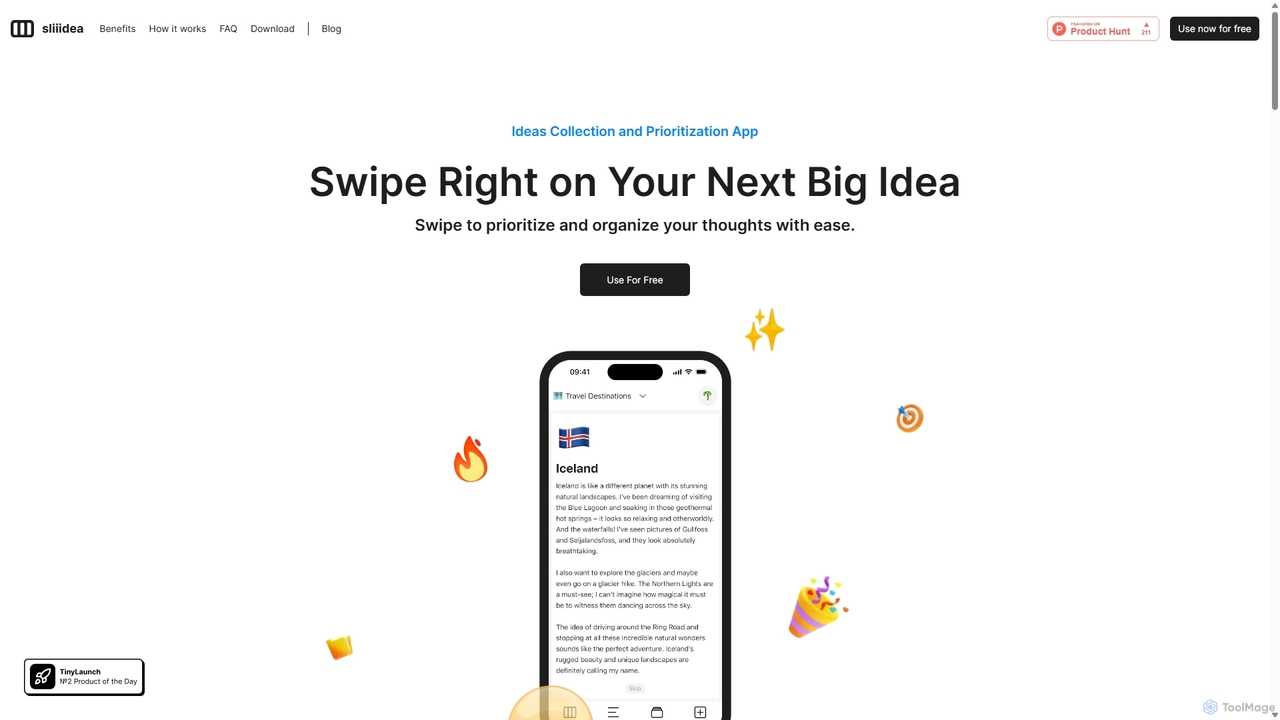
Sliiidea is an innovative idea management and prioritization app designed to help you capture, evaluate, and cultivate your thoughts. Using an intuitive swipe-right/left interface, similar to dating apps, you can regularly review and rank your ideas, ensuring the best ones rise to the top. It focuses on simplicity and continuous reflection, making it easy to organize concepts, track their progress, and make better decisions. With upcoming AI features and collaboration tools, Sliiidea aims to be the ultimate hub for personal and team brainstorming.

Brainstorming
Visits 7.2KFavorites 149Likes 171
vienna

vienna

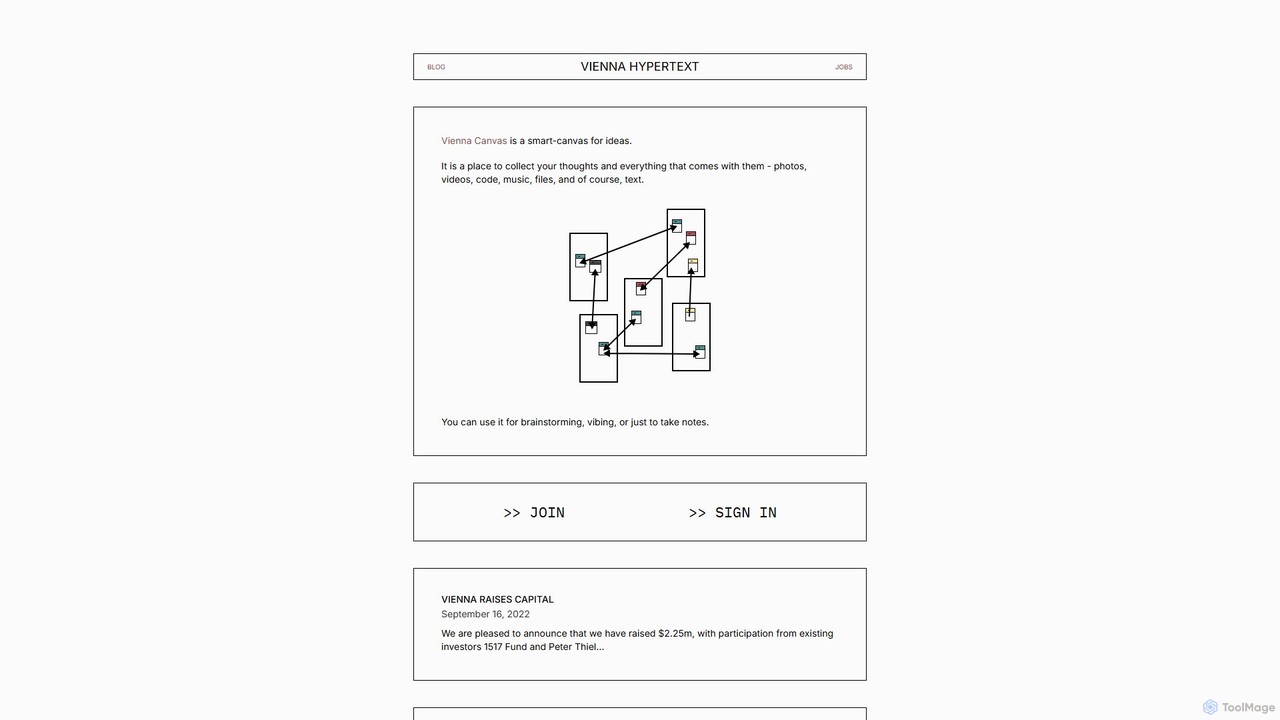
vienna is a networked smart-canvas designed for creative and intellectual work. It provides a freeform space to collect, connect, and develop ideas using text, images, videos, code, and more. Ideal for brainstorming, research, and visual note-taking.

Brainstorming
Visits 6.4KFavorites 115Likes 110
TextFX
Free

TextFX

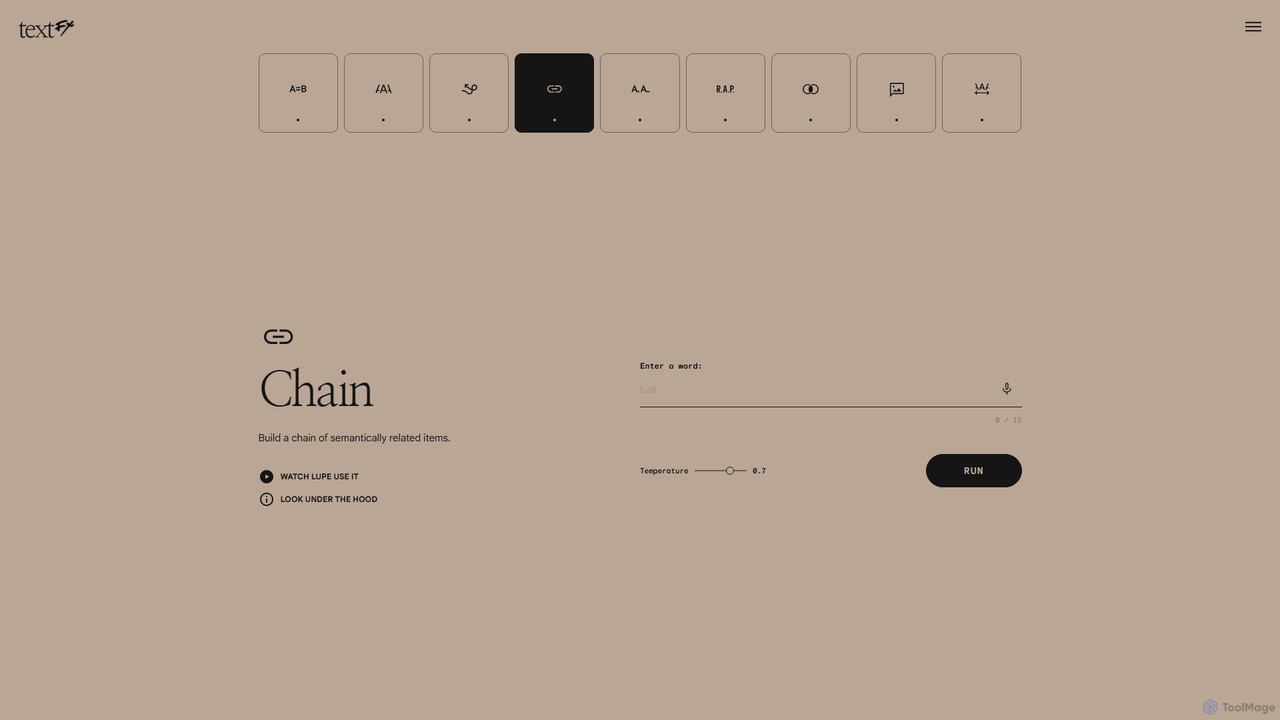
TextFX is a collection of experimental AI-powered writing tools from Google, designed in collaboration with artist Lupe Fiasco. It helps writers, rappers, and creators explore the creative potential of text by generating similes, acronyms, alliterations, and other literary devices. Built on Google's advanced language models, TextFX acts as a creative partner to spark new ideas and overcome writer's block.

Brainstorming
Visits 84.3KFavorites 154Likes 155
aistorygenerator
Freemium

aistorygenerator

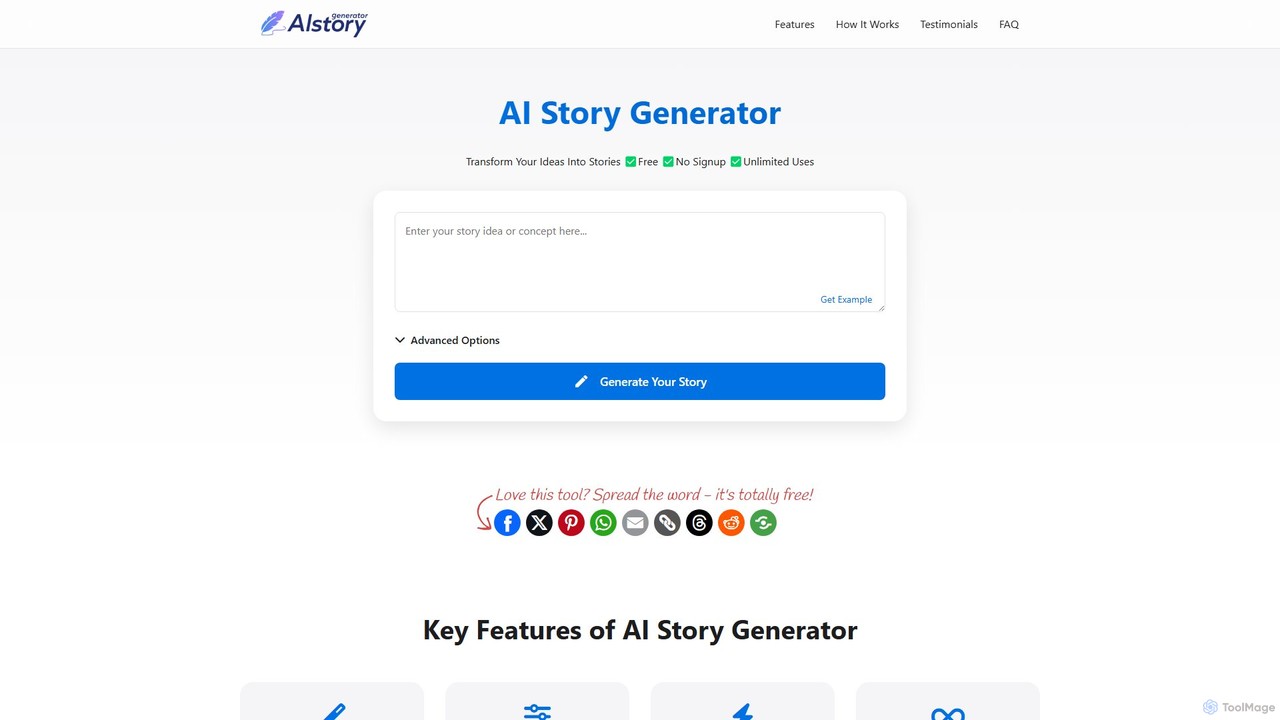
aistorygenerator is an AI-powered creative writing assistant designed to help authors, screenwriters, and hobbyists generate compelling stories. Overcome writer's block by providing simple prompts to create unique plots, dynamic characters, and engaging narratives across various genres. It's the perfect tool for brainstorming ideas, developing plot twists, and accelerating your creative process from concept to completion.

Brainstorming
Visits 6.4KFavorites 107Likes 126
MyDreamTeam
Freemium

MyDreamTeam

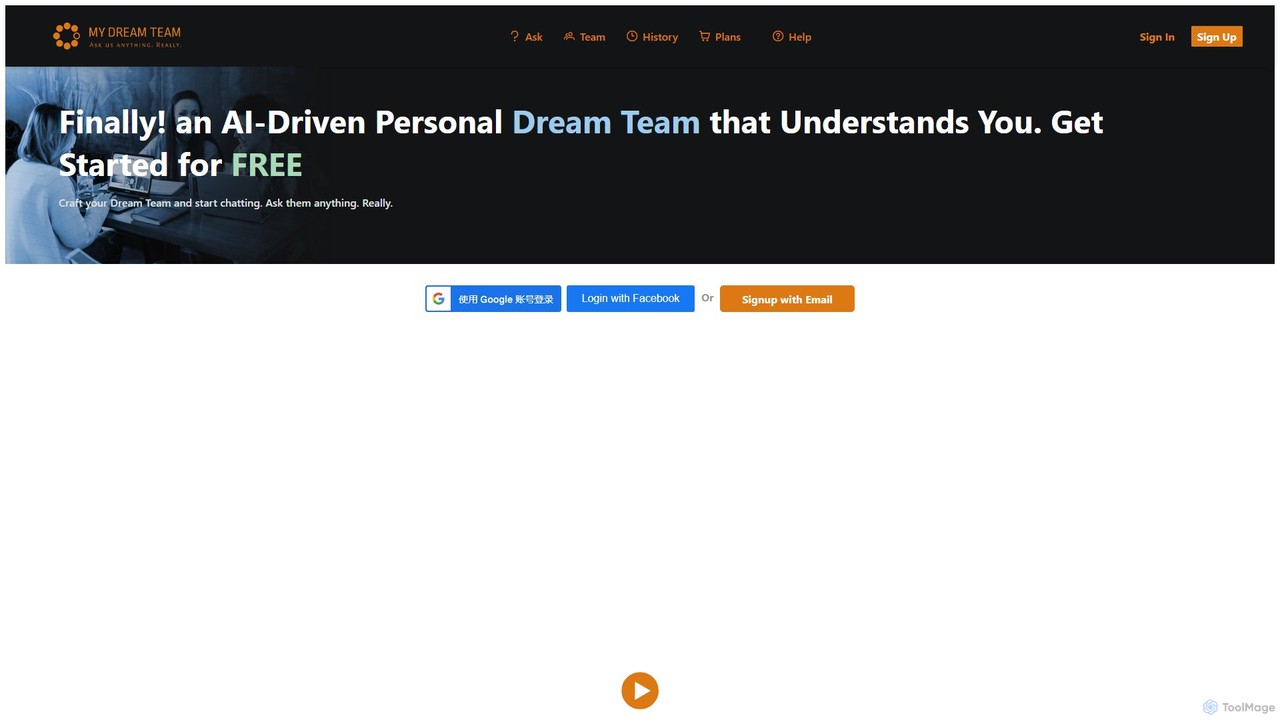
MyDreamTeam is an AI-driven platform that lets you build and chat with a personalized virtual team of experts. Craft advisors with specific expertise, personalities, and backgrounds to get multi-faceted advice, brainstorm ideas, and solve complex problems in a unique conversational experience.

Brainstorming
Visits 6.3KFavorites 123Likes 131

About Brainstorming

AI Brainstorming tools are a class of creative software that uses artificial intelligence to generate, expand, and organize ideas. These tools leverage large language models (LLMs) to produce a high volume of diverse concepts from a simple prompt, moving beyond human cognitive biases. They are designed to accelerate the ideation process, overcome creative blocks, and uncover novel perspectives for any project. By structuring thoughts and suggesting new connections, they serve as powerful partners in innovation.

Core Features

  • Idea Generation: Produces numerous ideas, names, slogans, or topics based on keywords or problem descriptions.
  • Concept Expansion: Takes a single idea and elaborates on it with details, different angles, and potential applications.
  • Perspective Shifting: Generates ideas from various viewpoints, such as a customer, a critic, or an industry expert.
  • Visual Organization: Creates mind maps, concept webs, or flowcharts to visually structure and connect generated ideas.
  • Structured Frameworks: Applies established models like SWOT analysis or the SCAMPER method to guide the brainstorming process.

Use Cases

AI Brainstorming tools are widely used by marketing teams for campaign ideation, product managers for developing new features, and content creators for planning articles or scripts. Entrepreneurs also use them to explore business models and brand names, while corporate teams leverage them for strategic planning and problem-solving sessions.

How to Choose

When selecting an AI Brainstorming tool, consider the output formats it supports (e.g., text, mind maps, diagrams). Evaluate its collaboration features for team-based work. Check for integrations with other software like project management or writing tools. Finally, assess the quality and relevance of the generated ideas and the level of control you have over the creative process.

Brainstorming use cases

1

Developing Marketing Campaign Concepts

A marketing manager for a new sustainable product line needs fresh, impactful ideas. Using an AI Brainstorming tool, they input the target audience ('eco-conscious millennials'), product features, and campaign goals. The AI generates hundreds of potential slogans, social media content pillars, influencer collaboration ideas, and even outlines for promotional videos. This process, which would typically take days of team meetings, is condensed into a single session, providing a diverse pool of creative concepts to refine and execute.

2

Generating Blog Post Topics and Outlines

A content strategist is tasked with creating a three-month content calendar for a tech blog. They use an AI Brainstorming tool and input the core theme, 'The Future of Artificial Intelligence.' The tool generates a structured list of topics, categorized by sub-themes like 'AI in Healthcare,' 'Ethical AI,' and 'AI for Small Business.' For each topic, it suggests a compelling headline, a brief summary, and a bullet-point outline for the article structure, dramatically speeding up the content planning and briefing process for writers.

3

Brainstorming New App Features

A product development team is looking to add innovative features to their productivity app. They use an AI Brainstorming tool to simulate different user personas, such as 'a busy freelancer' or 'a project manager in a large corporation.' For each persona, the AI generates a list of potential pain points and feature ideas designed to solve them. This approach helps the team move beyond their own assumptions and uncover user-centric features they might not have considered, such as automated reporting or AI-powered task prioritization.

4

Creating Business Names and Taglines

An entrepreneur is launching a new direct-to-consumer coffee brand. They need a memorable name and a catchy tagline. Using an AI Brainstorming tool, they input keywords like 'artisan,' 'organic,' 'morning ritual,' and 'bold flavor.' The AI generates hundreds of name combinations, checks for domain availability hints, and suggests taglines that evoke the desired brand feeling. This allows the founder to quickly sift through a vast number of creative options and find a brand identity that resonates with their vision.

5

Facilitating Team Problem-Solving Sessions

A project manager is leading a remote team session to address a decline in user engagement. To avoid groupthink, they use an AI Brainstorming tool as a neutral facilitator. Team members anonymously submit their initial thoughts on the problem. The AI then clusters these ideas into themes, identifies underlying patterns, and generates 'How Might We' questions to spark deeper discussion. This structured, AI-assisted approach ensures all voices are heard and helps the team explore a wider range of potential solutions objectively.

6

Exploring Narrative Arcs for Storytelling

A screenwriter is developing a new TV series but is stuck on the main character's journey. They use an AI Brainstorming tool, inputting the character's profile, initial situation, and desired outcome. The AI generates multiple potential narrative arcs, suggesting key plot points, character conflicts, and thematic developments. It might propose an unexpected betrayal, a hidden mentor, or a moral dilemma that forces the character to evolve. This provides the writer with a rich tapestry of possibilities to weave into their story, breaking through writer's block.

Brainstorming FAQ

What are AI Brainstorming tools?

AI Brainstorming tools are software applications that use artificial intelligence, particularly large language models, to help users generate, develop, and organize ideas. Unlike a blank canvas, they actively participate in the creative process by suggesting concepts, expanding on initial thoughts, and structuring information in formats like mind maps or lists. They are designed to augment human creativity, overcome mental blocks, and accelerate the ideation phase of any project.

How do AI Brainstorming tools differ from traditional mind mapping software?

The key difference lies in content generation. Traditional mind mapping software provides a canvas for you to manually organize your own thoughts. In contrast, AI Brainstorming tools are active partners that generate new ideas for you. You provide a prompt, and the AI creates content, suggests connections, and offers different perspectives. While many AI tools can output a mind map, their primary function is idea creation, not just organization.

How to choose the right AI Brainstorming tool?

To choose the right tool, consider these factors:

  • Idea Quality: Does the tool generate relevant, creative, and non-obvious ideas for your domain?
  • Output Formats: Does it support the formats you need, such as text lists, mind maps, Kanban boards, or presentations?
  • Collaboration: Does it offer real-time collaboration features if you work with a team?
  • Customization and Control: Can you guide the AI with specific constraints, tones, or frameworks (like SWOT or SCAMPER)?
  • Integrations: Does it connect with your existing workflow tools, such as Notion, Slack, or Google Drive?
Who can benefit from using AI Brainstorming tools?

A wide range of professionals and individuals can benefit. This includes:

  • Marketers: For creating campaign slogans, content ideas, and marketing strategies.
  • Writers and Content Creators: For overcoming writer's block, developing plots, and generating article topics.
  • Product Managers: For brainstorming new features and understanding user pain points.
  • Entrepreneurs: For developing business ideas, brand names, and value propositions.
  • Students and Researchers: For exploring research questions and structuring essays or papers.

Essentially, anyone who needs to generate creative ideas quickly and efficiently can find value in these tools.

What are the key features of an effective AI Brainstorming tool?

An effective AI Brainstorming tool typically includes several key features. It should offer diverse idea generation capabilities, allowing you to get different types of creative output. Concept expansion is crucial for digging deeper into a single idea. Visual organization, such as mind mapping, helps in understanding the relationships between ideas. The ability to use structured frameworks like SWOT or 'Six Thinking Hats' can guide the creative process. Finally, easy export options to various formats (text, image, PDF) are essential for integrating the results into your workflow.