Business Best in category 19 results Strategic Planning AI Tool

Popular AI tools in the Strategic Planning field of Business include Trendtracker、empiraa、Skills、SWOT Analysis Generator、scopy、Ritual、Soaring Titan、Planbow、Nimo、myframework, etc., helping you quickly improve efficiency.

Boule

Boule

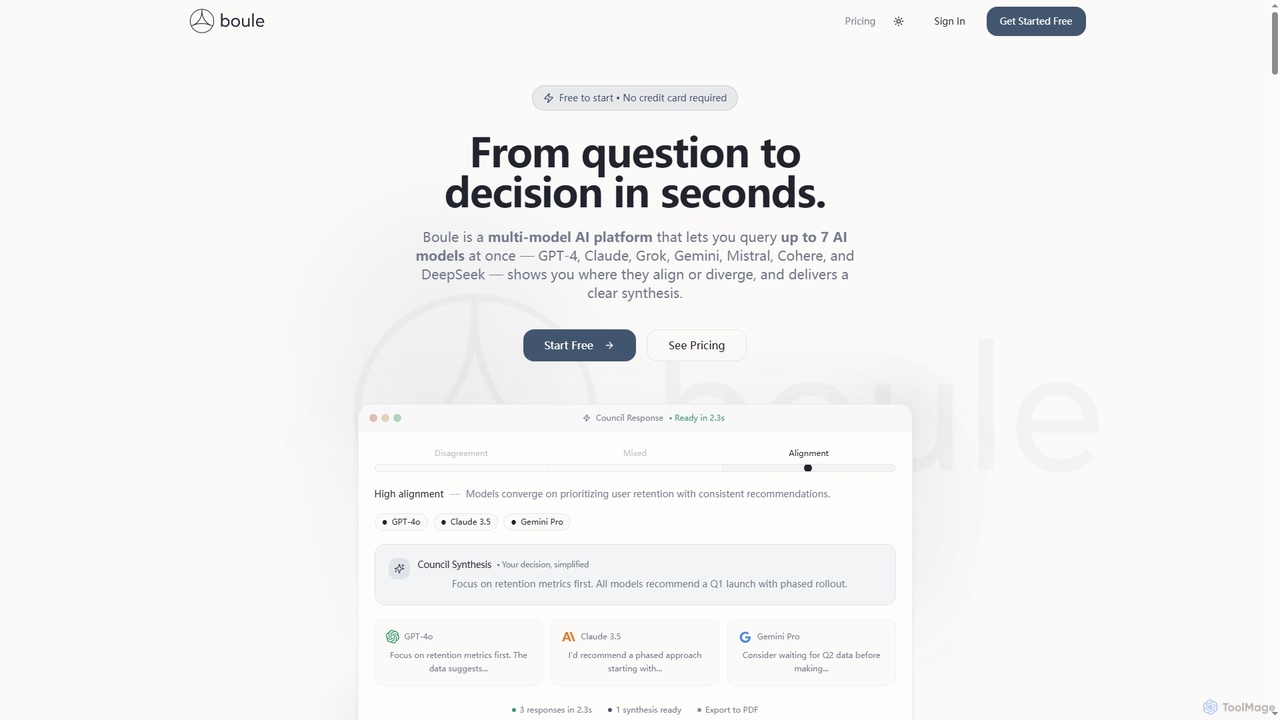
Boule is an innovative multi-model AI platform that queries up to seven leading AI models simultaneously, including GPT-4o, …

3.1K
BrimIdea

BrimIdea

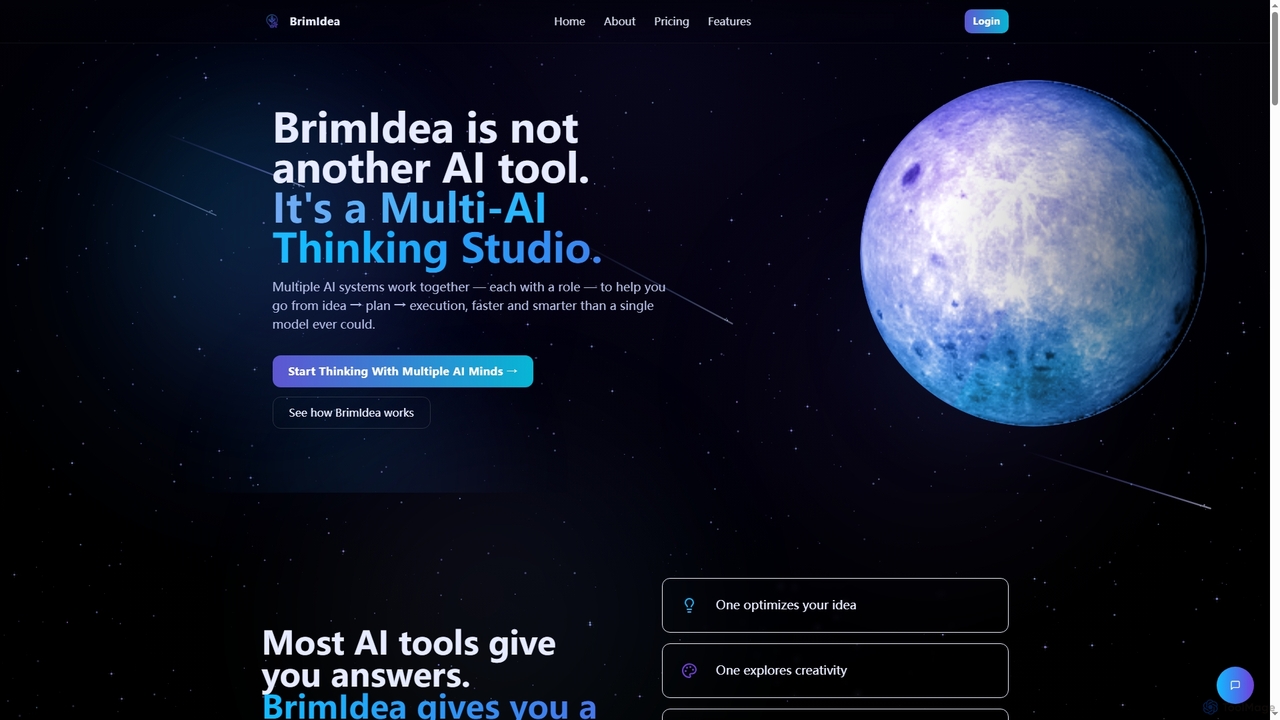
BrimIdea is a Multi-AI Thinking Studio that orchestrates multiple specialized AI models (GPT, DeepSeek, Claude) to transform ideas …

3.2K
Skills

Skills

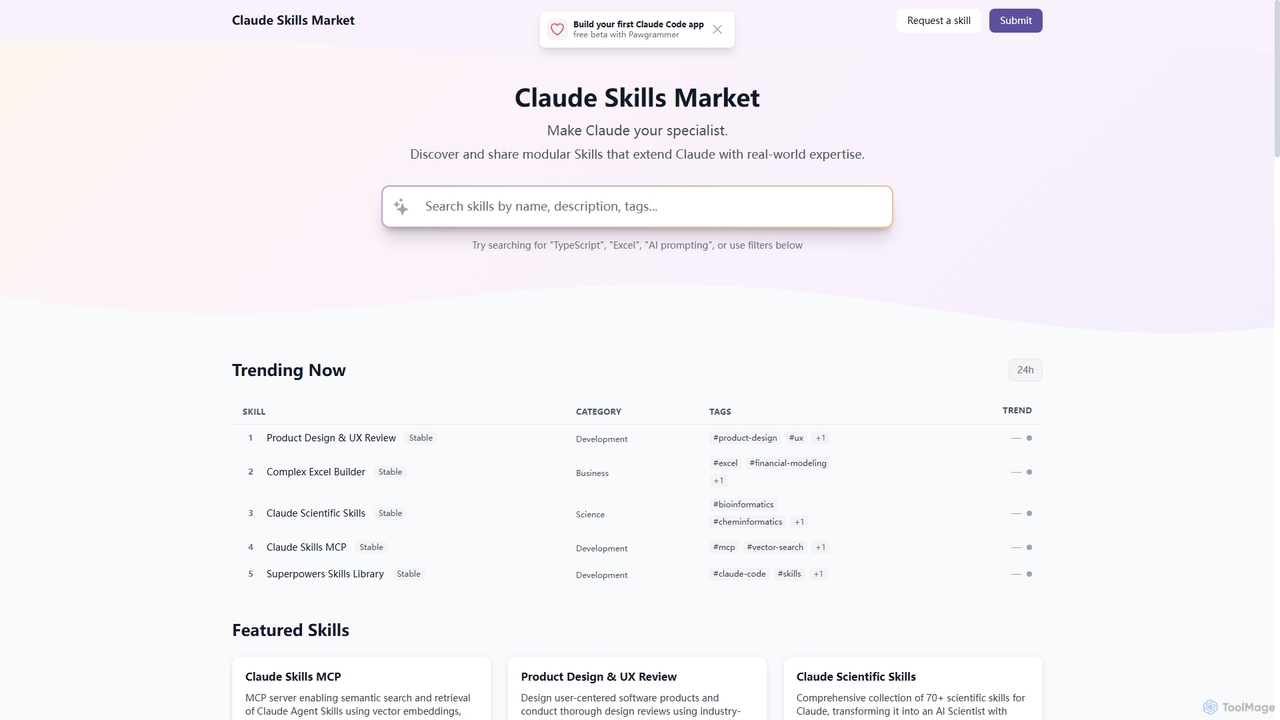
Skills is a dynamic marketplace designed to extend Claude's capabilities with specialized, real-world expertise. It offers a diverse …

9.2K
Nimo

Nimo

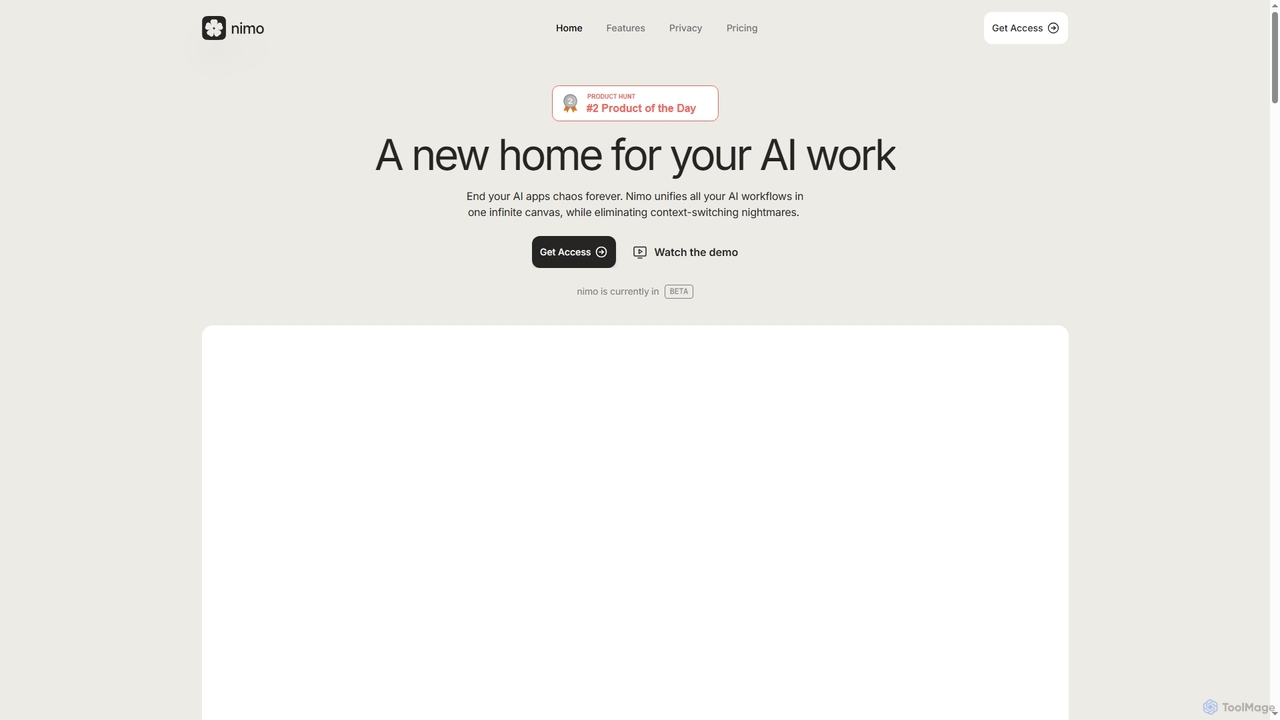
Nimo is an AI orchestrator that unifies all your AI workflows, applications, and agents onto a single, infinite …

4.0K
Ritual

Ritual

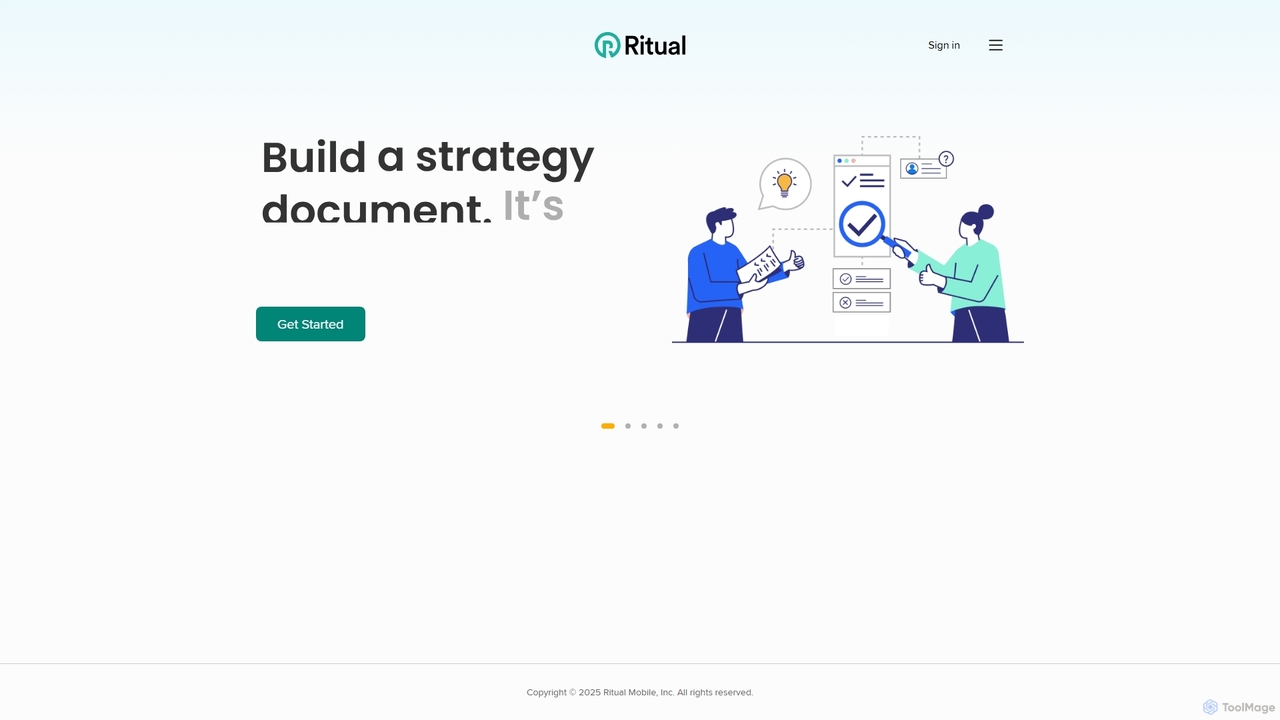
Ritual is an AI-powered collaborative workspace designed to transform ideas into actionable plans. It helps teams brainstorm, refine …

4.6K
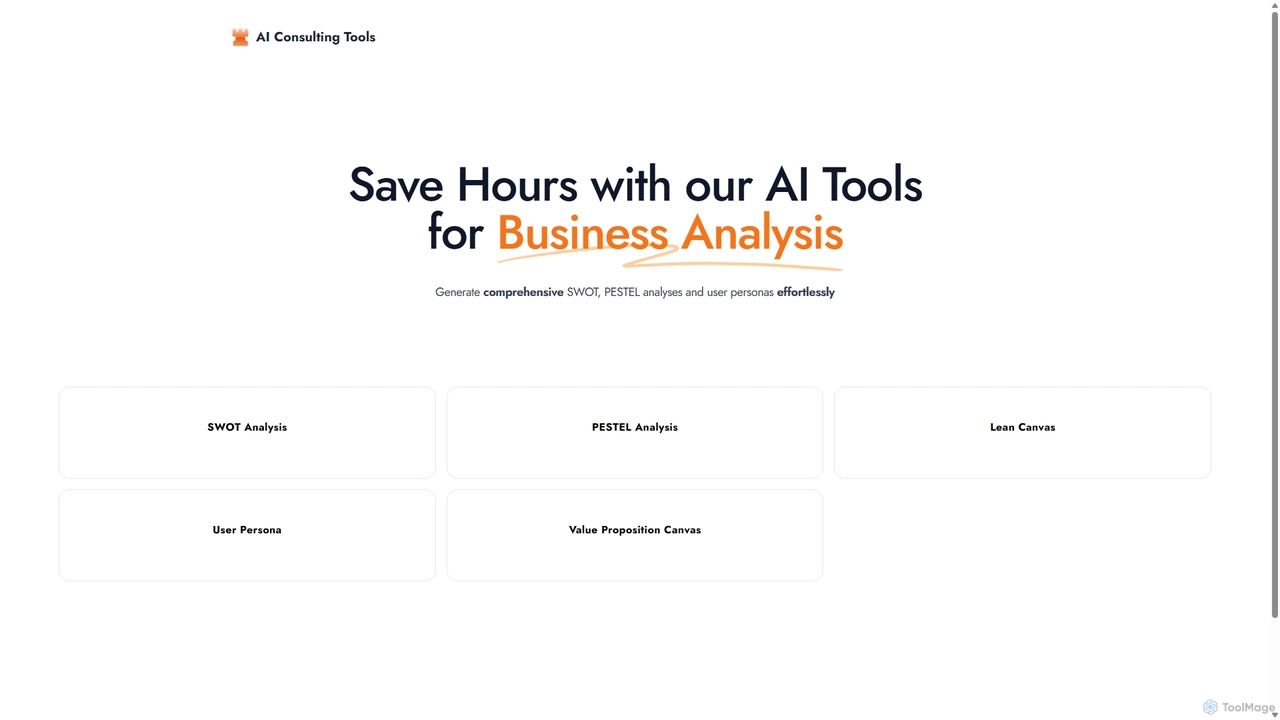
AI Consulting Tools

AI Consulting Tools

An AI-powered platform designed for business analysts, consultants, and strategists. It automates the creation of comprehensive strategic analysis …

3.2K
Free
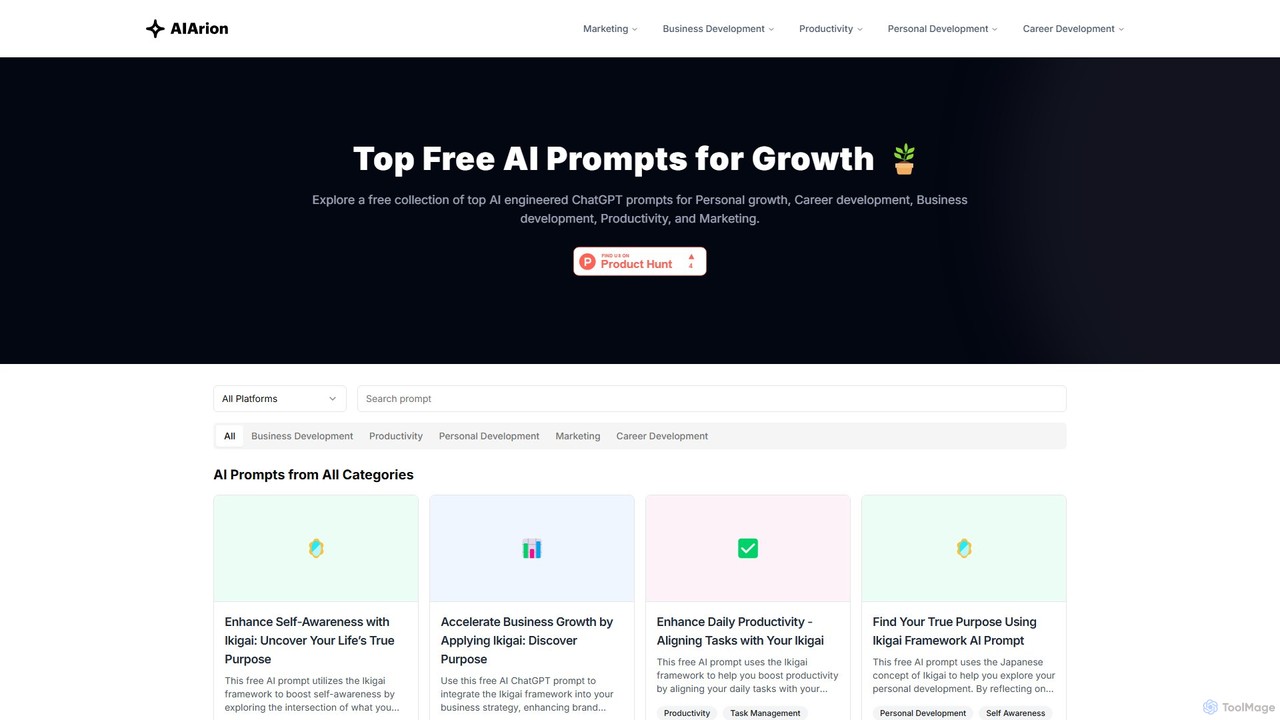
aiarion

aiarion

AIArion offers a vast, free library of expertly engineered AI prompts for ChatGPT, Claude, and other models. It …

3.1K
FlightPlan.ai

FlightPlan.ai

FlightPlan.ai is an AI-powered strategic planning platform that transforms complex business goals into actionable, data-driven roadmaps. It automates …

3.2K
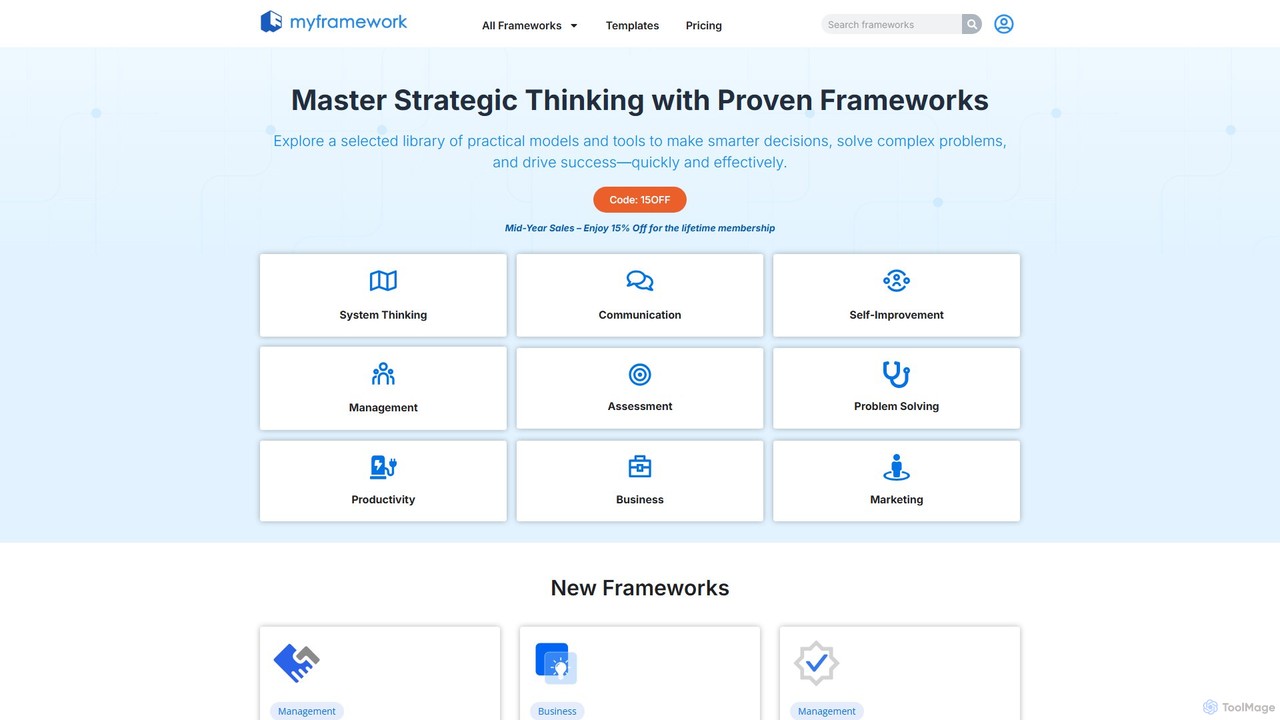
myframework

myframework

Myframework is a curated digital library of proven thinking frameworks and mental models. It helps users make smarter …

3.7K
oppenheimer.app

oppenheimer.app

Oppenheimer.app is an AI-powered strategic planning and decision intelligence platform. It helps teams manage complex projects, simulate future …

3.2K
BrainstormGPT

BrainstormGPT

BrainstormGPT is an AI-powered collaborative platform designed for business teams. It facilitates structured brainstorming sessions, generates creative ideas, …

3.5K
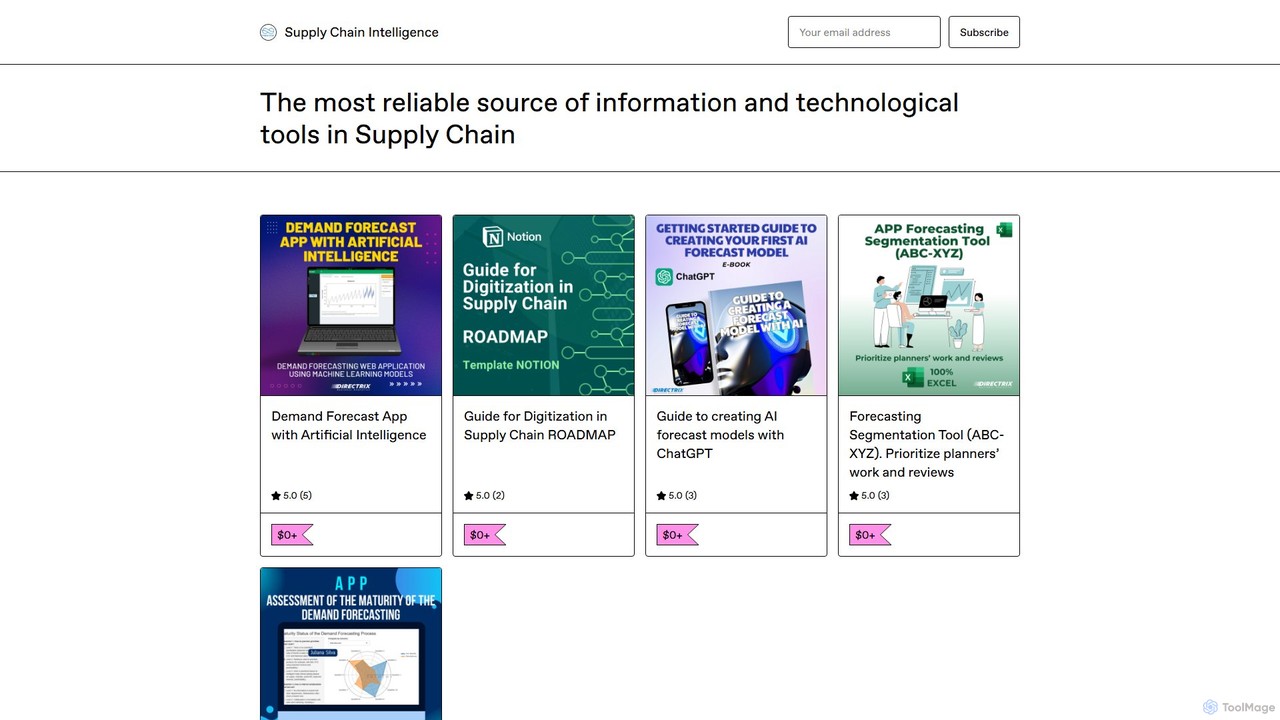
Supply Chain Intelligence

Supply Chain Intelligence

A strategic toolkit and Notion template designed to guide businesses in creating a comprehensive roadmap for supply chain …

3.1K
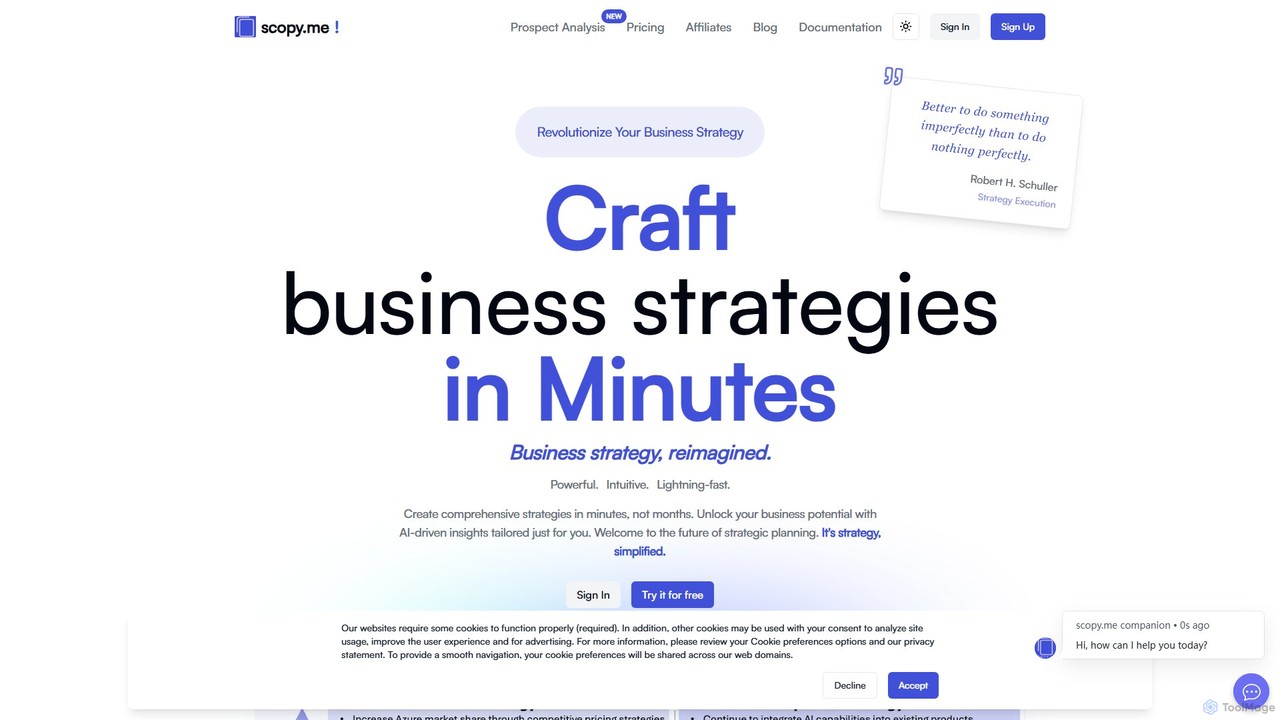
scopy

scopy

scopy is an AI-powered platform that revolutionizes business strategy development. It integrates advanced AI with proven strategic frameworks …

4.6K
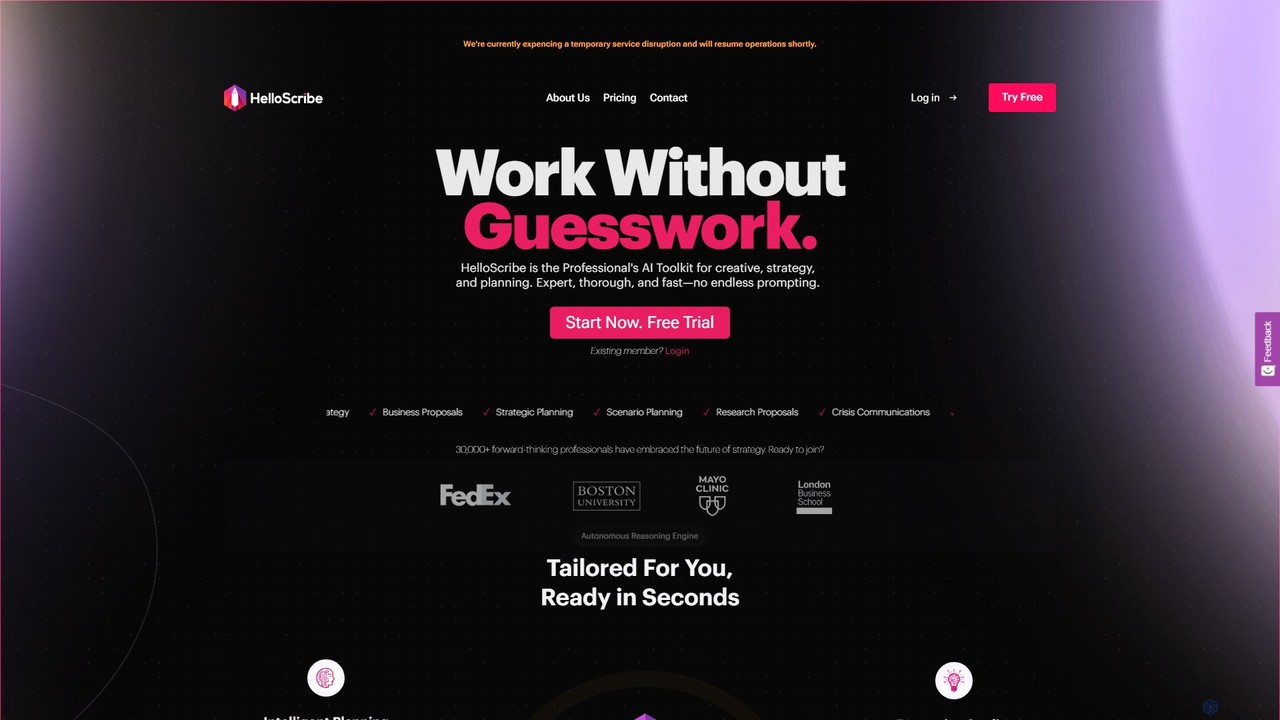
HelloScribe

HelloScribe

HelloScribe is an AI-powered autopilot for strategy and planning. It leverages an Autonomous Reasoning Engine to transform single …

3.1K
Free
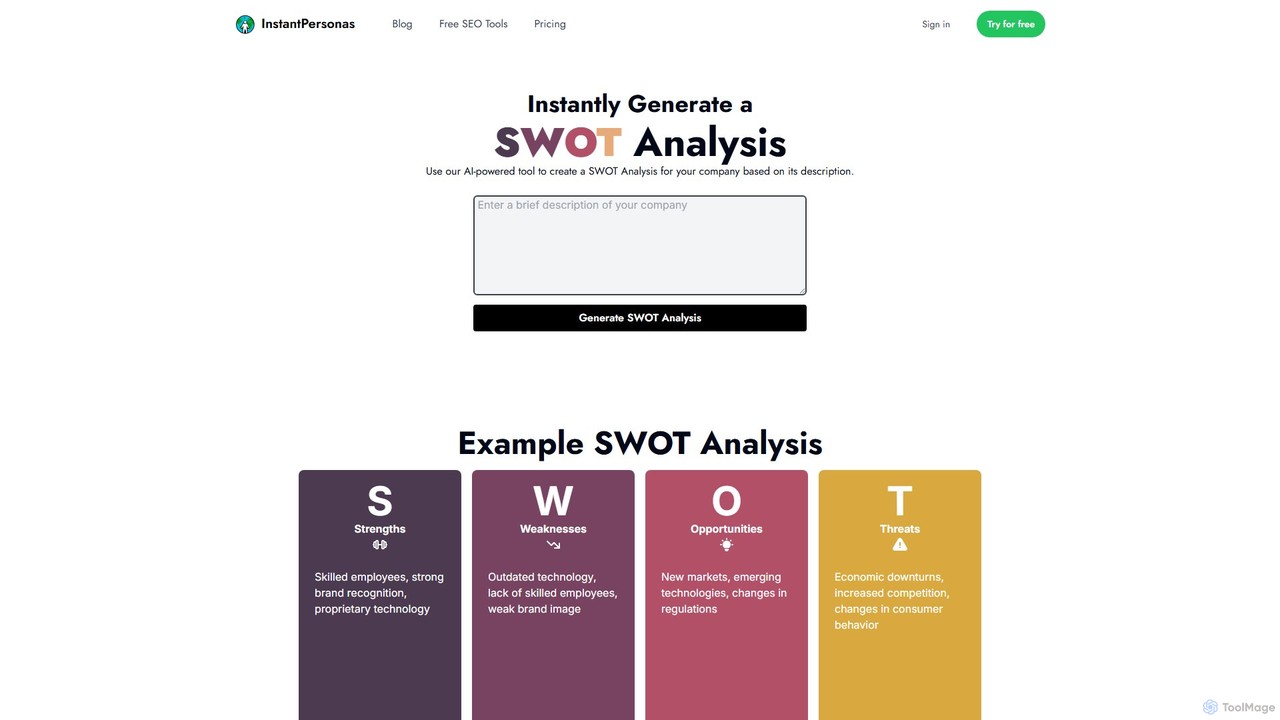
SWOT Analysis Generator

SWOT Analysis Generator

A free AI-powered tool by Instant Personas that instantly creates a comprehensive SWOT analysis (Strengths, Weaknesses, Opportunities, Threats) …

4.9K
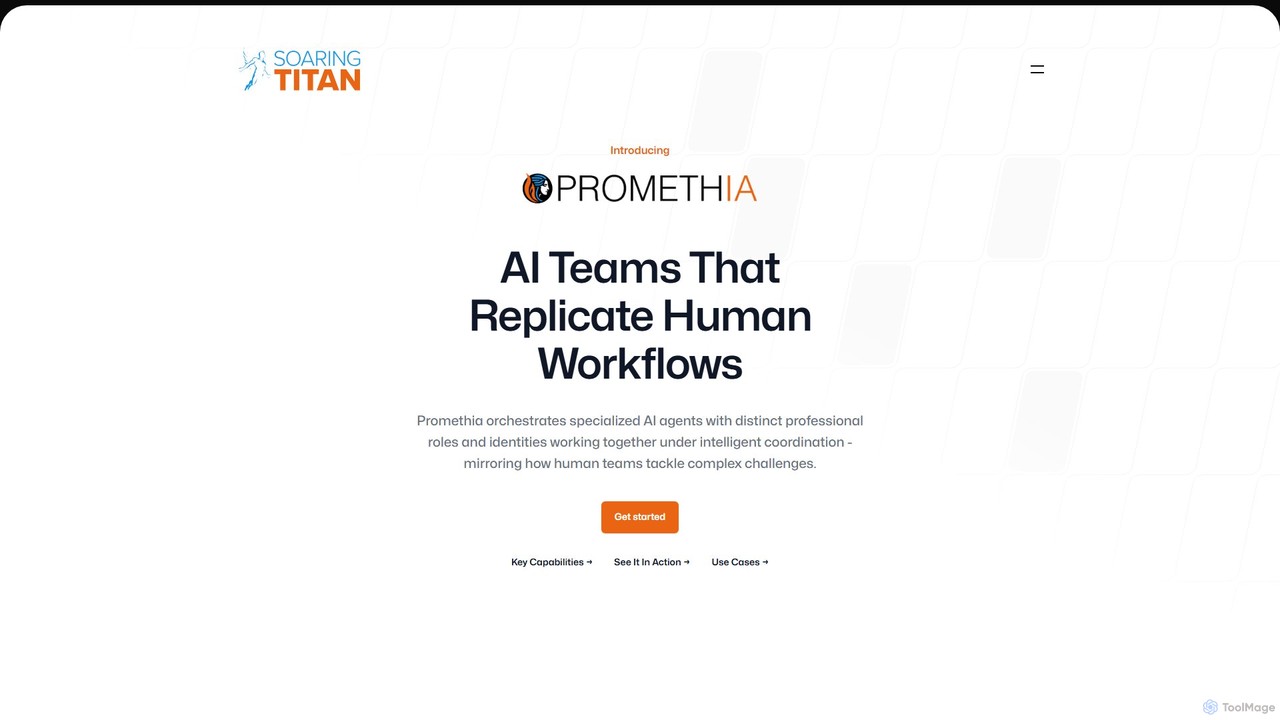
Soaring Titan

Soaring Titan

Soaring Titan introduces Promethia, an advanced AI agent orchestration platform that assembles specialized AI teams to replicate human …

4.5K
Planbow

Planbow

Planbow is an AI-powered strategic planning platform designed to unify strategy, planning, execution, and monitoring. It helps teams …

4.0K
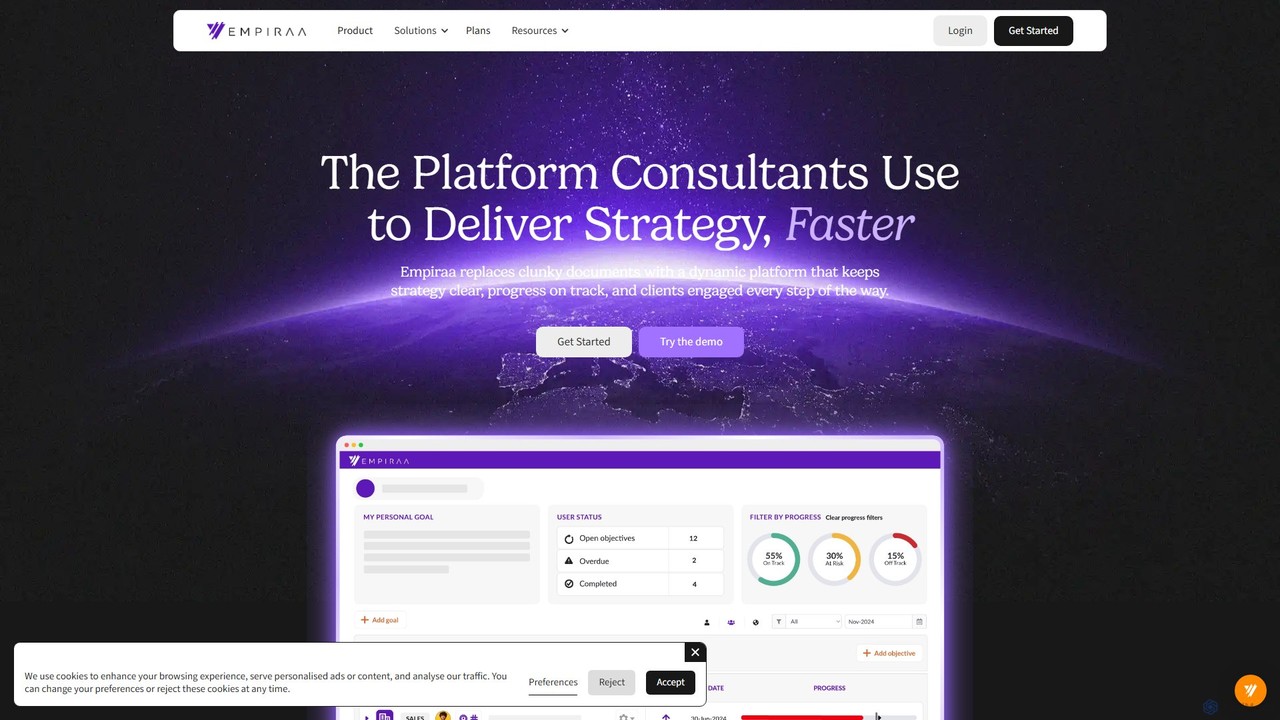
empiraa

empiraa

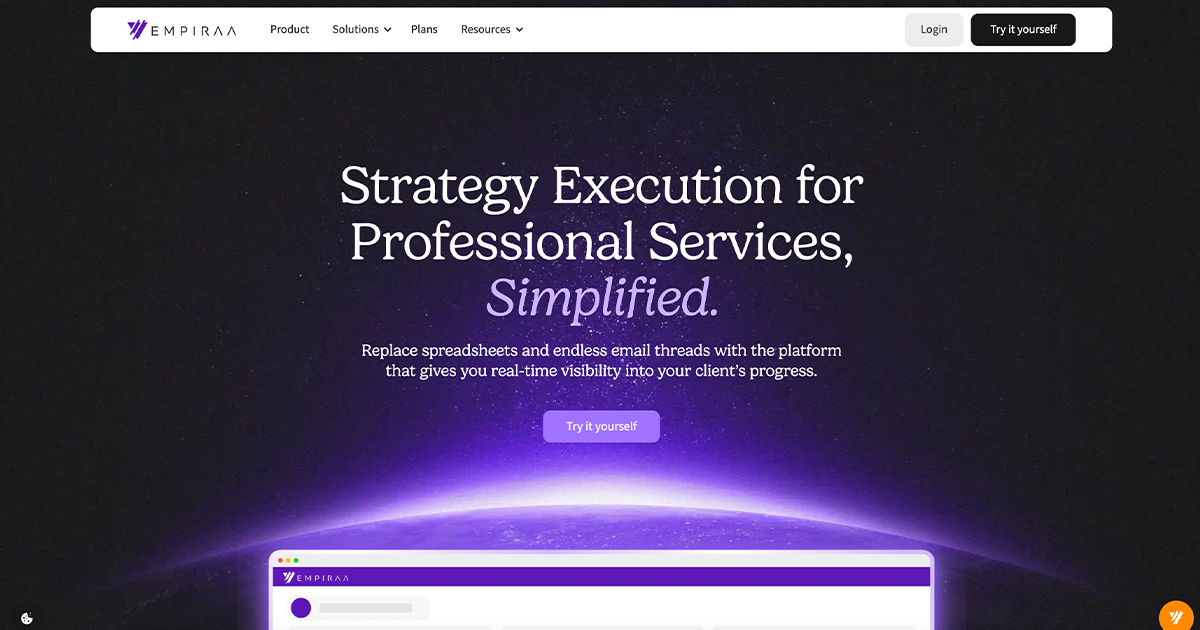
Empiraa is an AI-powered strategy execution platform that simplifies business planning and execution. It helps organizations centralize their …

9.5K
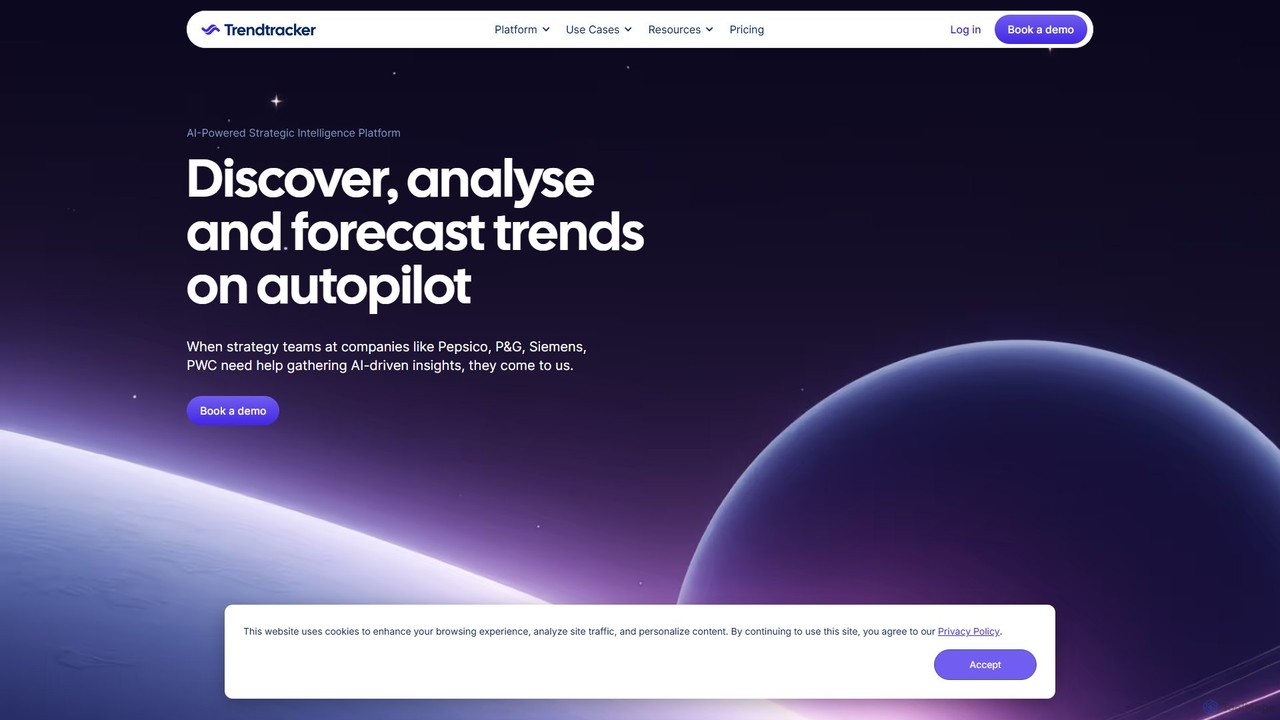
Trendtracker

Trendtracker

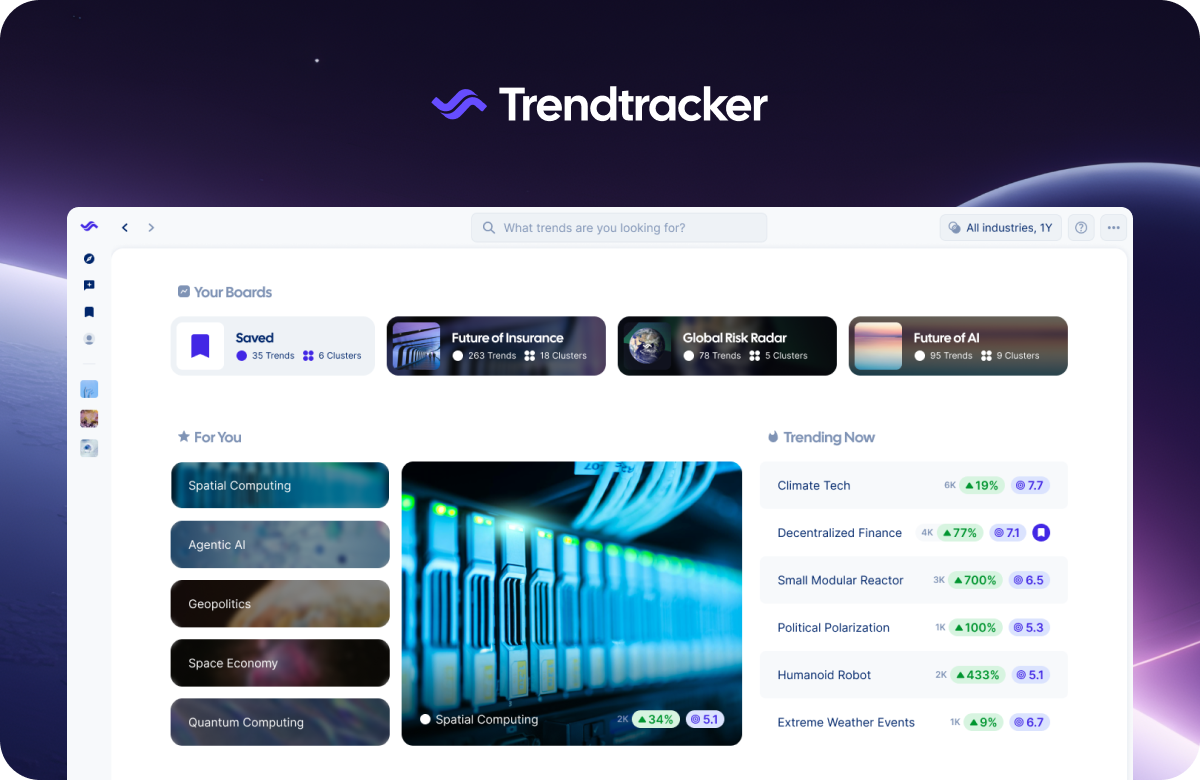
Trendtracker is an AI-powered strategic intelligence platform designed for businesses to discover, analyze, and forecast market trends automatically. …

21.3K

About Strategic Planning

AI Strategic Planning tools are a specialized category of business software that uses machine learning to formulate, analyze, and monitor long-term organizational goals. These tools process vast datasets, including market trends, competitor actions, and internal performance metrics, to generate predictive forecasts and simulate potential outcomes. They empower leaders to make data-driven decisions, anticipate market shifts, and identify hidden growth opportunities with greater accuracy. This moves beyond traditional business intelligence by not just reporting on the past, but actively modeling the future.

Core Features

  • Predictive Forecasting: Utilizes historical data and external factors to project future sales, market trends, and resource requirements.
  • Scenario Modeling: Allows users to simulate the impact of different strategic choices, such as new market entry or pricing changes, before commitment.
  • Competitive Intelligence Analysis: Automatically gathers and analyzes data on competitors to identify their strategies, strengths, and weaknesses.
  • Automated SWOT & PESTLE Analysis: Generates structured strategic frameworks by processing internal documents and external news sources.
  • Goal & KPI Alignment: Helps connect high-level strategic objectives with measurable Key Performance Indicators (KPIs) for progress tracking.

Applicable Scenarios

These tools are primarily used by C-level executives, strategy departments, and business analysts in medium to large enterprises. They are crucial for annual planning cycles, evaluating potential mergers and acquisitions (M&A), formulating market entry strategies, and navigating complex, volatile industries like tech and finance.

Selection Criteria

When choosing an AI Strategic Planning tool, consider its data integration capabilities (can it connect to your CRM, ERP?), the sophistication of its predictive models, the clarity of its data visualizations, and its support for collaborative planning. Also, evaluate the balance between automated insights and user-customizable parameters.

Strategic PlanningUse Cases

1

Formulating a Market Entry Strategy

A consumer electronics company plans to expand into Southeast Asia. A strategy team uses an AI planning tool to analyze market size, consumer spending habits, local competition, and regulatory hurdles across several countries. The tool simulates potential revenue and market share based on different entry strategies (e.g., direct sales vs. local partnerships). Based on the AI's risk-reward analysis, the company decides to launch through a strategic partnership in Vietnam first, projecting a 15% faster path to profitability compared to a direct entry approach.

2

Monitoring Competitive Landscape in Real-Time

A SaaS startup operates in a crowded market. They use an AI strategic tool to continuously monitor competitors' pricing pages, press releases, social media sentiment, and new feature launches. The system sends automated alerts to the product and marketing teams when a key competitor lowers prices or launches a major campaign. This real-time intelligence allows the startup to react swiftly, adjust their own roadmap, and refine their marketing messaging to maintain a competitive edge, rather than being caught off guard by market shifts.

3

Optimizing Product Portfolio for Future Growth

A large consumer goods corporation wants to optimize its diverse product portfolio. An AI planning tool analyzes three years of sales data, production costs, supply chain risks, and emerging consumer trends (e.g., sustainability, wellness). The model identifies underperforming products with low growth potential and highlights product categories with high future demand. The strategic output recommends divesting from two legacy brands and increasing R&D investment in a new line of eco-friendly products, reallocating a projected $5 million in budget towards higher-growth areas.

4

Conducting Due Diligence for Mergers & Acquisitions

An investment firm is evaluating a potential acquisition target. They use an AI strategic planning tool to rapidly analyze the target company's financial health, market position, and operational synergies. The AI processes thousands of documents, including financial reports and industry news, to generate a comprehensive SWOT analysis and identify potential risks that were not immediately apparent. This accelerates the due diligence process from weeks to days and provides the firm with a data-backed valuation and integration plan, leading to more confident investment decisions.

5

Annual Corporate Planning and Resource Allocation

During the annual planning cycle, a multinational corporation's leadership team uses an AI platform to model different budget allocation scenarios. The tool forecasts the potential impact of increasing the marketing budget by 20% versus investing the same amount in R&D. It analyzes historical ROI for each department and market trends to recommend an optimal allocation that aligns with the company's five-year growth objectives. This data-driven approach replaces subjective debates with objective analysis, ensuring resources are directed to initiatives with the highest strategic value.

6

Assessing Strategic Risks and Opportunities

A logistics company uses an AI tool to assess risks associated with geopolitical instability and climate change. The platform analyzes global news, shipping lane data, and weather pattern forecasts to identify potential supply chain disruptions. It also identifies opportunities, such as new, more efficient shipping routes opening up due to changing climate conditions. This proactive analysis allows the company to develop contingency plans, diversify its routes, and invest in more resilient infrastructure, turning potential threats into a competitive advantage.

Strategic PlanningFrequently Asked Questions