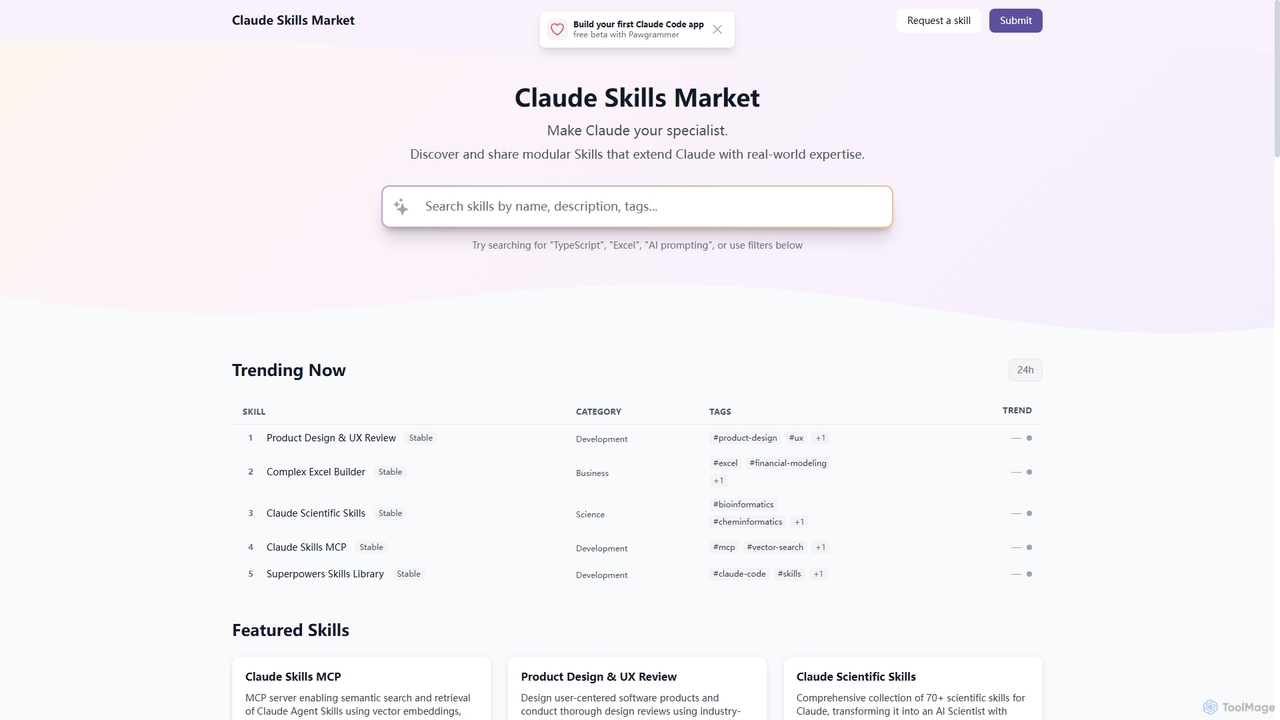
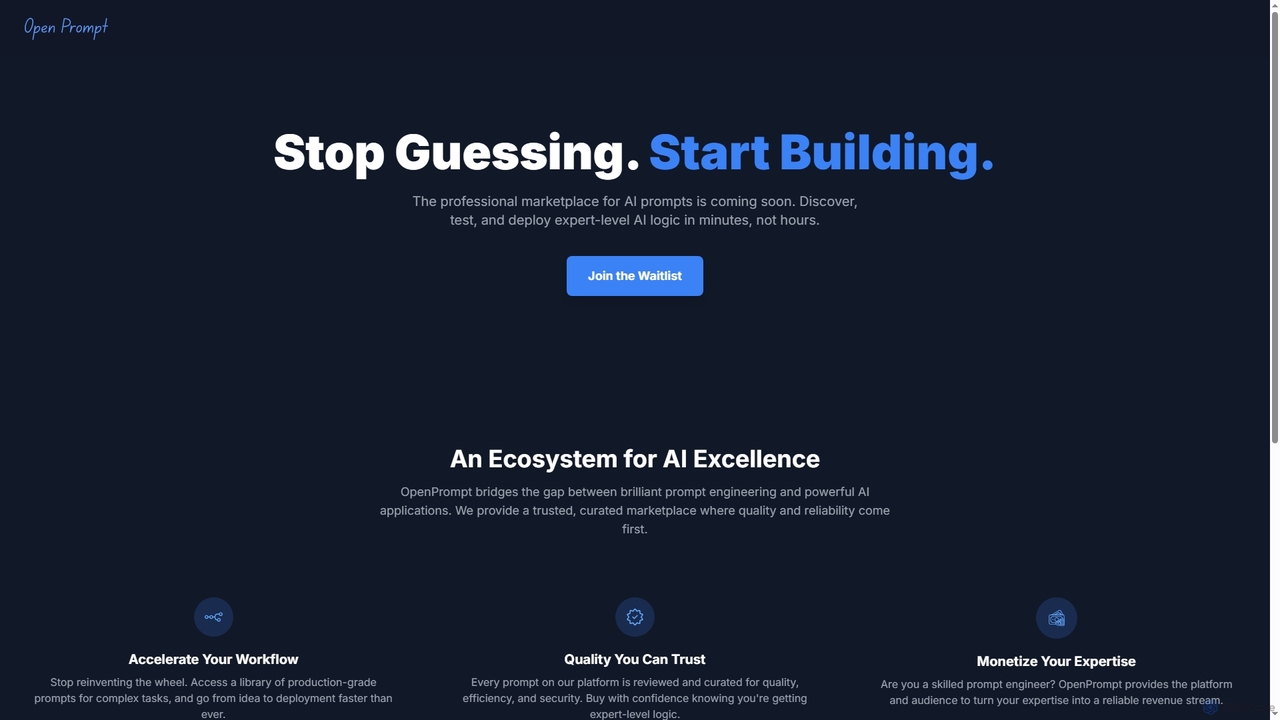
Prompt Engineering tools are specialized platforms for designing, testing, managing, and optimizing prompts for generative AI models. These tools provide a structured environment to move beyond simple trial-and-error, offering features like version control, A/B testing, and performance analytics. They enable users to systematically refine instructions given to AI, resulting in more accurate, consistent, and cost-effective outputs. This discipline is crucial for building reliable AI-powered applications and workflows.
Core Features
- Prompt Versioning: Tracks changes to prompts over time, allowing for rollbacks and comparisons, similar to code version control.
- A/B Testing & Evaluation: Systematically compares the performance of different prompt variations against predefined metrics to find the most effective one.
- Template Libraries: Provides reusable and customizable prompt templates for common tasks, accelerating development and ensuring consistency.
- Collaboration Workspace: Allows teams to work together on creating, reviewing, and managing prompts in a shared environment.
- Performance Analytics: Monitors metrics like cost, latency, and output quality associated with different prompts to optimize resource usage.
Use Cases
Prompt Engineering tools are essential for AI developers, MLOps engineers, and product managers building applications on top of Large Language Models (LLMs). They are also used by content and marketing teams to maintain a consistent brand voice in AI-generated materials, and by customer support teams to fine-tune the behavior of AI chatbots for higher accuracy.
How to Choose
When selecting a Prompt Engineering tool, consider its compatibility with the AI models you use (e.g., GPT-4, Claude, Llama). Evaluate its integration capabilities, such as APIs and SDKs for embedding into your applications. Assess the sophistication of its testing and evaluation features. Finally, consider the collaboration tools and whether the pricing model aligns with your team's scale and usage patterns.