Z-Image
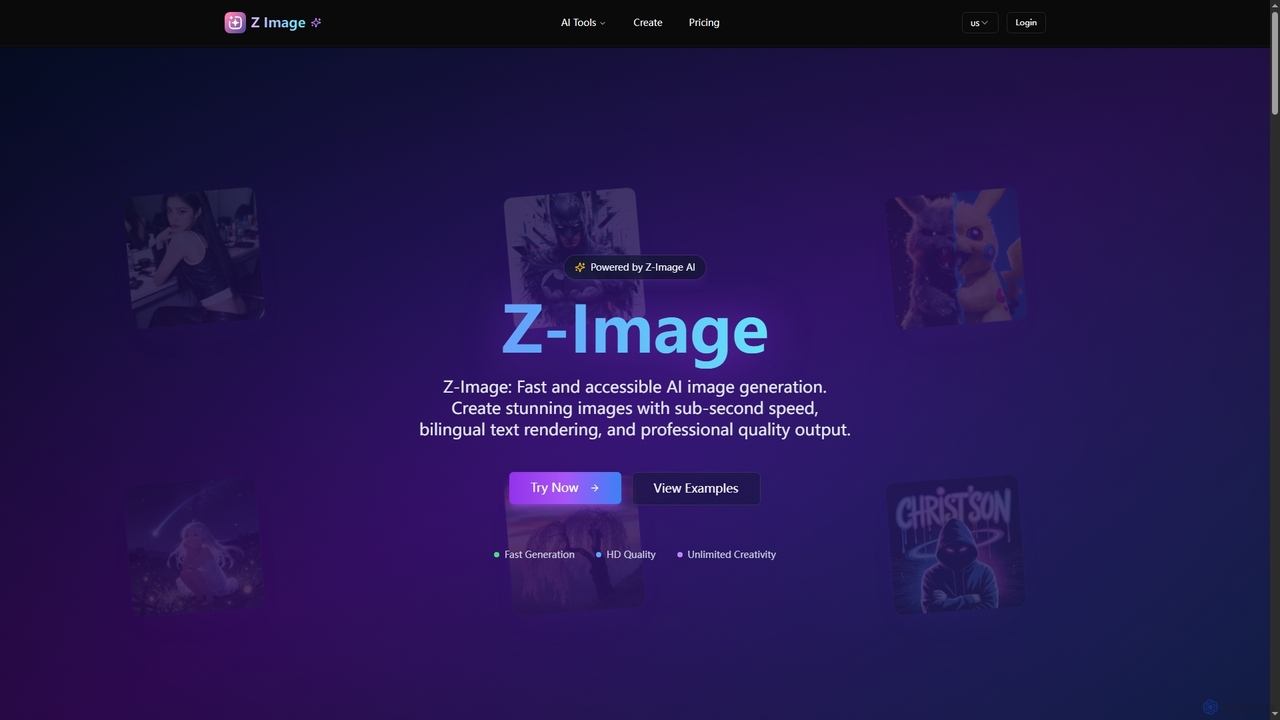
Z-Image is an efficient AI image generation platform offering lightning-fast creation of photorealistic images from text or existing …
Z-Image is an efficient AI image generation platform offering lightning-fast creation of photorealistic images from text or existing visuals. It features sub-second processing, accurate bilingual text rendering (English & Chinese), and runs efficiently on consumer hardware.
StyleShift
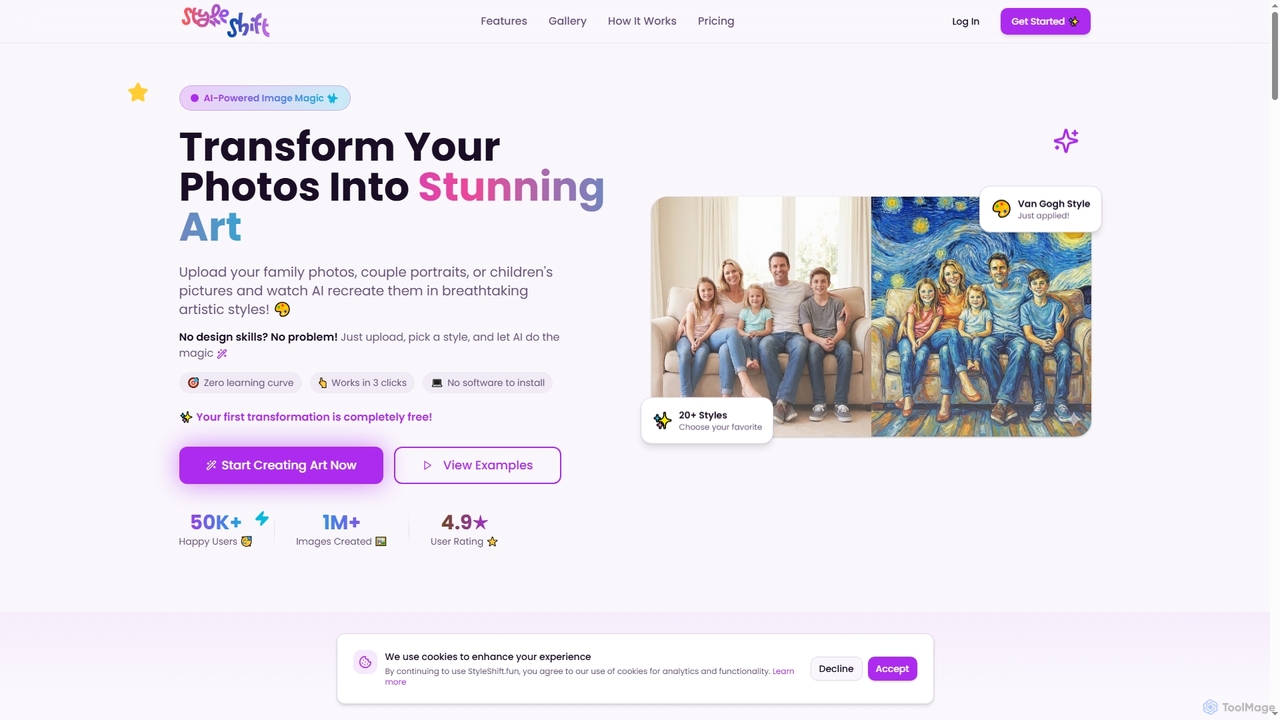
StyleShift is an AI-powered image style transfer tool that transforms ordinary photos into stunning artistic masterpieces. With over …
StyleShift is an AI-powered image style transfer tool that transforms ordinary photos into stunning artistic masterpieces. With over 40 diverse styles, from Van Gogh to anime, users can effortlessly create unique digital art in just three clicks, no design skills required.
CanvAi
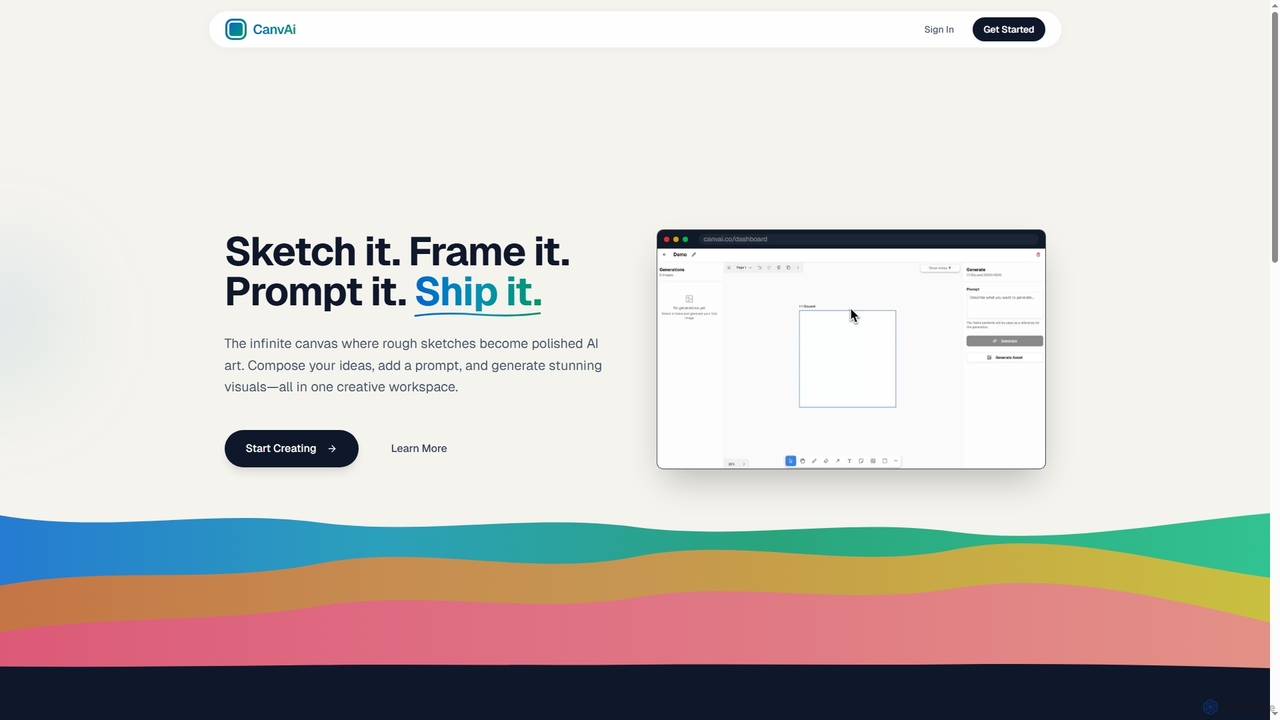
CanvAi is an innovative AI art generator that transforms rough sketches and compositions into polished, high-quality images. It …
CanvAi is an innovative AI art generator that transforms rough sketches and compositions into polished, high-quality images. It offers an infinite digital canvas, powerful generative AI models, and various artistic styles, streamlining the creative process for artists and designers.
Pixelhub
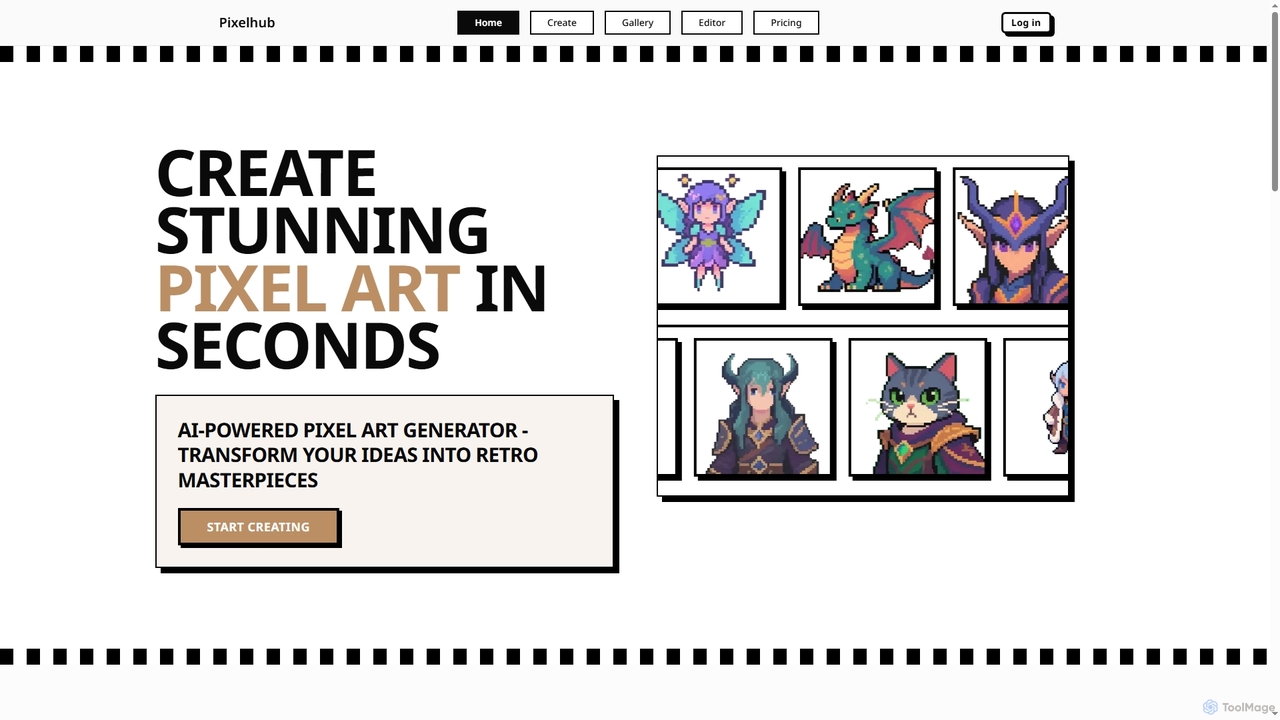
Pixelhub is an AI-powered pixel art generator that transforms your creative ideas into stunning retro masterpieces. It features …
Pixelhub is an AI-powered pixel art generator that transforms your creative ideas into stunning retro masterpieces. It features an intuitive editor for effortless creation, customization options, and a vibrant community for sharing and discovering unique pixel art.
About Digital Art
Digital Art AI tools are a category of AI-powered applications that enable users to create, modify, and enhance visual artworks using artificial intelligence. These tools leverage advanced machine learning models, such as generative adversarial networks (GANs) and diffusion models, to interpret prompts and generate unique artistic outputs. They empower artists, designers, and enthusiasts to explore new creative frontiers, accelerate design processes, and produce stunning visuals with unprecedented speed and flexibility.
Core Features
- Text-to-Image Generation: Transform textual descriptions into diverse visual artworks, from abstract concepts to photorealistic scenes.
- Image-to-Image Transformation: Apply artistic styles, modify existing images, or generate variations based on an input image.
- Style Transfer: Replicate the artistic style of one image onto another, creating unique hybrid visuals.
- Inpainting & Outpainting: Seamlessly fill in missing parts of an image or extend its boundaries with AI-generated content.
- 3D Asset Generation: Create textures, models, or concept art for 3D environments and characters.
Applicable Scenarios
Digital Art AI tools are invaluable for accelerating creative workflows in various fields. Graphic designers use them to quickly generate multiple design concepts for logos or marketing materials. Game developers leverage AI for rapid prototyping of character designs, environmental textures, and concept art, significantly reducing iteration time. Content creators can produce unique visuals for social media, blogs, and videos without extensive manual effort, maintaining a consistent aesthetic.
How to Choose
When selecting a Digital Art AI tool, consider the quality and versatility of its generative models for your specific artistic needs. Evaluate the range of customization options, such as control over style, composition, and detail, to ensure it aligns with your creative vision. Assess the user interface for ease of use and integration with existing creative software. Finally, compare pricing models and community support, as these can significantly impact your long-term experience and learning curve.

Digital ArtUse Cases
Generate Concept Art for Game Development
Game artists and designers utilize Digital Art AI tools to rapidly generate diverse concept art for characters, environments, and props. By inputting textual descriptions or rough sketches, they can produce hundreds of variations in minutes, accelerating the pre-production phase and allowing for more creative exploration before committing to final designs. This significantly reduces the time spent on initial ideation and iteration.
Create Marketing Visuals for Small Businesses
Small business owners and marketing professionals can leverage Digital Art AI tools to generate unique and engaging visuals for social media campaigns, advertisements, and website content. Without needing a professional graphic designer, they can quickly produce eye-catching banners, product mockups, or illustrative graphics that align with their brand identity, saving costs and accelerating content creation cycles for various platforms.
Personalize Digital Avatars and Portraits
Individuals can use Digital Art AI tools to generate highly personalized digital avatars, profile pictures, or artistic portraits from their photos. By applying various artistic styles, filters, and enhancements, users can create unique representations of themselves or their characters for social media, gaming, or personal branding. This offers a creative and accessible way to express identity in the digital realm.
Design Unique Book Covers for Authors
Independent authors and publishers can utilize Digital Art AI tools to design captivating and genre-appropriate book covers. By providing descriptions of their story's themes, characters, and settings, they can generate multiple cover concepts quickly. This allows for rapid experimentation with different visual styles and compositions, helping authors create professional-looking covers that attract readers without incurring high costs for traditional illustration services.
Generate Textures and Assets for 3D Modeling
3D artists and modelers can leverage Digital Art AI tools to generate high-quality textures, material maps, and even basic 3D assets. By inputting simple prompts or reference images, they can quickly create intricate surface details, realistic material properties, or unique environmental elements. This significantly speeds up the texturing and asset creation pipeline, allowing artists to focus more on complex modeling and animation tasks, enhancing overall production efficiency.
Explore Architectural Visualization Styles
Architects and interior designers can use Digital Art AI tools to quickly visualize design concepts in various architectural styles or material finishes. By inputting existing blueprints or 3D models, they can generate realistic renderings of buildings, rooms, or landscapes with different aesthetic treatments. This facilitates rapid client presentations and design iterations, allowing for a more dynamic and exploratory approach to architectural visualization and interior design projects.