whatbreedismydog
whatbreedismydog is a free AI-powered tool that identifies your dog's breed from a single photo. Simply upload a …
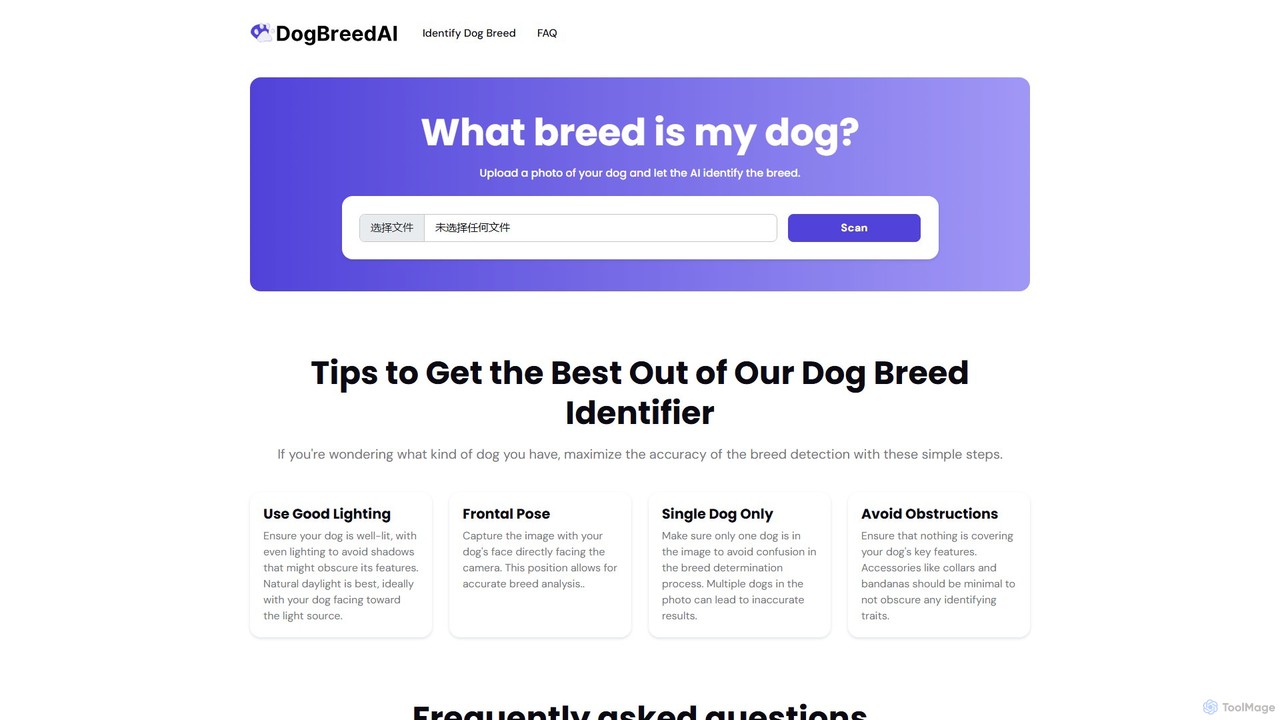
whatbreedismydog is a free AI-powered tool that identifies your dog's breed from a single photo. Simply upload a clear picture of your dog, and the advanced image recognition technology will provide an instant analysis of its potential breed composition. It's a fast, fun, and easy way for dog owners, especially those with mixed-breed rescues, to discover more about their furry friends' heritage.
About Animals
AI Animal tools are a category of fun applications using artificial intelligence to identify, interpret, or generate content related to the animal kingdom. These tools leverage technologies like computer vision to recognize species from images, audio analysis to interpret animal sounds, and generative models to create unique animal-themed art. They offer an engaging blend of entertainment and education, allowing users to learn about wildlife, playfully interact with their pets, or unleash their creativity. As a specific niche within Fun Tools, they connect our curiosity about nature with the power of AI.
Core Features
- Species Identification: Instantly identify animals, birds, insects, or plants from a photo or sound recording.
- Pet Sound Analysis: Playfully interpret the potential meanings behind a cat's meow or a dog's bark based on acoustic patterns.
- Generative Animal Art: Create novel or stylized images of real or fantastical creatures from text descriptions or existing photos.
- Educational Content: Provide detailed information, such as habitat, diet, and conservation status, for identified species.
Use Cases
These tools are popular among nature enthusiasts, families, pet owners, educators, and digital artists. For example, a hiker can identify an unknown bird on a trail, a pet owner can have fun guessing their cat's 'mood,' and a writer can generate concept art for a mythical beast in their story. They serve as excellent educational aids in classrooms and for personal learning.
How to Choose
When selecting an AI Animal tool, consider its primary function: do you need a highly accurate species identifier or a creative image generator? Evaluate the size and accuracy of its database for identification tools. For pet-focused apps, check the supported animals and the variety of interpretations offered. Finally, consider the user interface's simplicity and whether the tool is designed for educational purposes or pure entertainment.

AnimalsUse Cases
Identifying Wildlife on a Nature Hike
A nature enthusiast or a family on a hike encounters an unfamiliar bird or plant. Instead of flipping through a field guide, they use their smartphone to take a photo. An AI animal identification app analyzes the image, cross-references it with a vast database, and provides an instant identification, often within seconds. The result includes the species' common and scientific names, habitat, diet, and interesting facts. This transforms a casual walk into an interactive and educational experience, fostering a deeper appreciation for local biodiversity.
Playful 'Translation' of Pet Sounds
A pet owner is curious about what their cat's various meows or their dog's barks might mean. They use an AI pet translator app to record the vocalizations. The tool analyzes the audio's pitch, tone, and duration, comparing it to a database of sounds associated with common behaviors or needs (like 'hungry,' 'playful,' or 'lonely'). While not a scientific translation, the app provides fun, context-based interpretations that can enhance the bond between the owner and their pet, encouraging them to pay closer attention to their animal's communication cues in an entertaining way.
Creating Fantasy Creatures for Creative Projects
A fantasy author, game developer, or artist needs to visualize a unique creature for their project. Using a generative AI animal tool, they can input a text prompt like 'a majestic lion with crystalline wings and a peacock's tail.' The AI generates multiple visual interpretations of this concept. They can then refine the results by adding more details, changing the art style, or merging features from different animals. This process significantly speeds up concept art creation, providing a rich source of inspiration and helping to establish a consistent visual identity for fictional worlds.
Generating Unique Pet Portraits
A pet owner wants a unique, stylized portrait of their dog or cat. Instead of hiring an artist, they upload a few photos of their pet to an AI animal art generator. They can then choose from various artistic styles, such as 'cartoon,' 'oil painting,' or 'sci-fi character.' The AI re-imagines the pet in the chosen style, creating a one-of-a-kind piece of art. This allows for endless creative possibilities, from turning a golden retriever into an astronaut to depicting a cat as a Renaissance noble, providing a fun and affordable way to celebrate a beloved pet.
Enhancing Classroom Learning about Ecosystems
An educator teaching biology or environmental science uses an AI animal identification tool as an interactive classroom resource. During a lesson on local ecosystems, students can use tablets to identify images of animals and plants native to their region. The tool provides immediate information about each species' role in the food web, its habitat, and conservation status. This hands-on approach makes learning more engaging than traditional textbooks, helping students to visualize and better understand complex ecological relationships and the importance of biodiversity.
Checking Plant Safety for Pets
A new pet owner brings home a houseplant but is unsure if it's toxic to their cat or dog. They use an AI identification tool, which often includes plants, to snap a picture of the plant. The app quickly identifies it and, in many cases, provides information on its toxicity to various pets. This provides immediate peace of mind and helps create a safer home environment for their animal companion. It's a practical, everyday application that leverages advanced species recognition for a common household concern, preventing potential accidental poisonings.