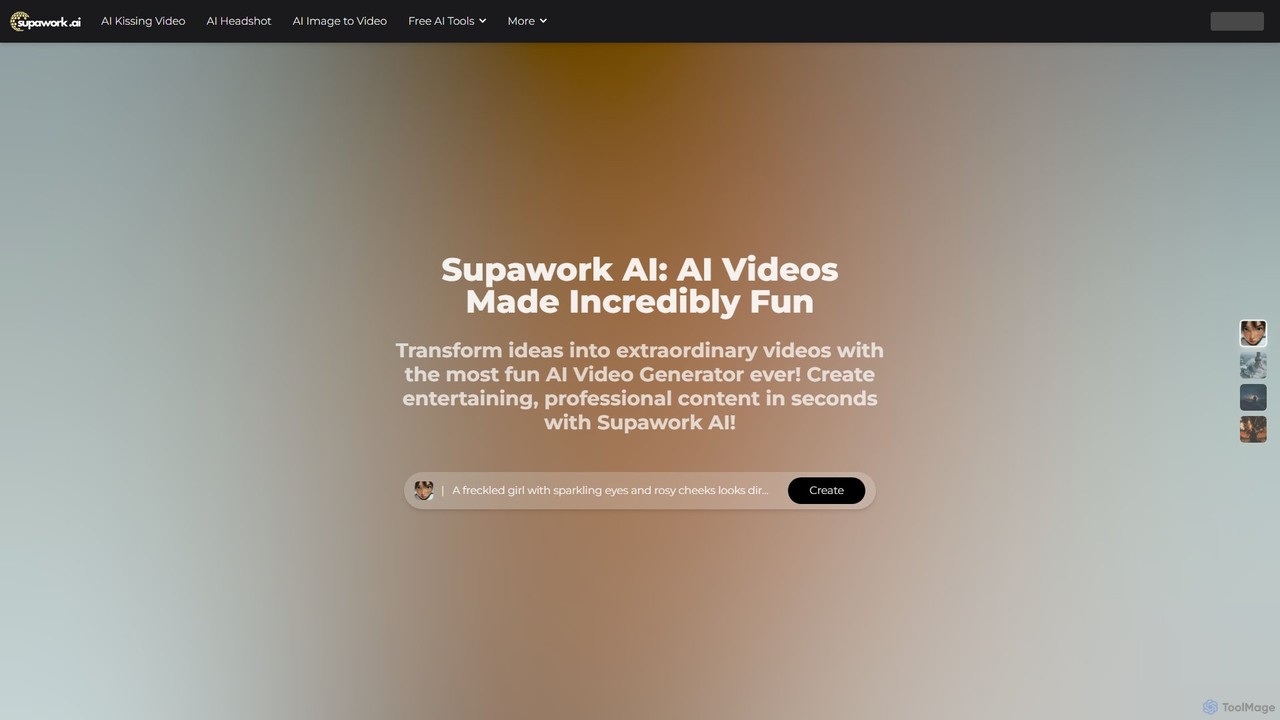
AI Avatar & Face tools are a specialized category of applications designed to create, customize, and animate digital representations of human faces and characters. These tools leverage generative AI models, such as GANs and diffusion models, to transform photos or text descriptions into unique avatars. Their primary value lies in enabling users to generate personalized digital identities, create virtual spokespeople for marketing, or produce engaging animated content without complex 3D modeling skills. As a key part of the Fun Tools ecosystem, they offer a powerful yet accessible way to explore digital expression and visual communication.
Core Features
- Photo-to-Avatar Conversion: Instantly transforms a user's photograph into various artistic styles, such as cartoon, anime, 3D models, or sketches.
- Facial Animation & Lip Sync: Animates a static portrait to speak, blink, and show emotion based on an audio file or text input, creating realistic talking heads.
- Face Swapping: Realistically replaces a face in a video or image with another, while preserving expressions, lighting, and head movements.
- Text-to-Avatar Generation: Creates a unique avatar character from scratch based on a detailed text description of their appearance, clothing, and style.
Use Cases
These tools are widely used by social media users for creating unique profile pictures, by marketers for producing cost-effective AI spokesperson videos, and by content creators for generating animated characters for their channels. They also serve professionals who wish to use an avatar in virtual meetings for privacy or to reduce video call fatigue, as well as game developers for rapid character prototyping.
How to Choose
When selecting an AI Avatar & Face tool, consider the desired output style (realistic vs. stylized), whether you need static images or animated video, and the level of customization offered. It is also important to evaluate the platform's policy on commercial usage rights for the generated content, the quality of the final output, and the ease of use of the interface.