ToolMage
Sign in

Best 81 Entertainment AI tools for Fun Tools

Popular Entertainment AI tools in Fun Tools include FaceApp, Undressbaby, dippy, LemonChat, Youka, righthair, Nudefusion, Picsi, songmeaning, and babyfacegenerator, helping you work more efficiently.

Character Cafe
Freemium

Character Cafe

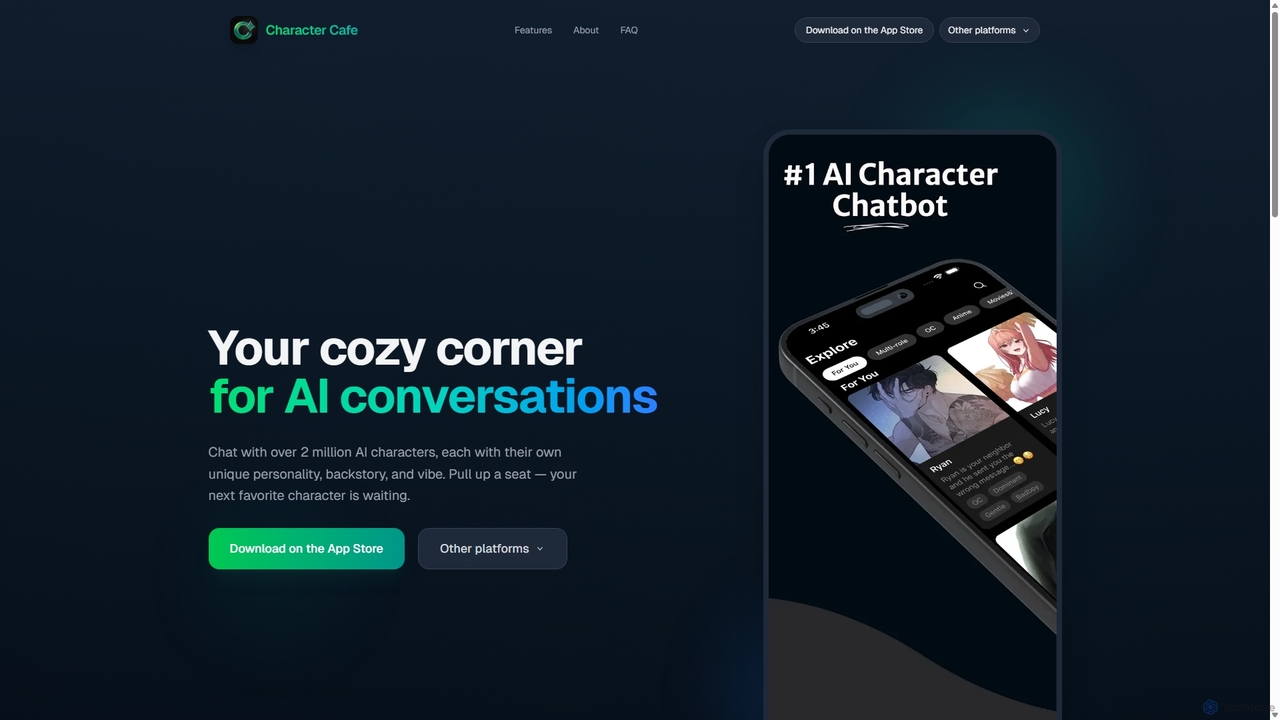
An AI chat platform offering immersive conversations with over 2 million unique AI characters. Explore diverse personalities, engage in natural dialogues and roleplay, or create and customize your own AI companions in a private, judgment-free environment.

Character Ai
Visits 5.6KFavorites 112Likes 134
FaceApp
Freemium

FaceApp

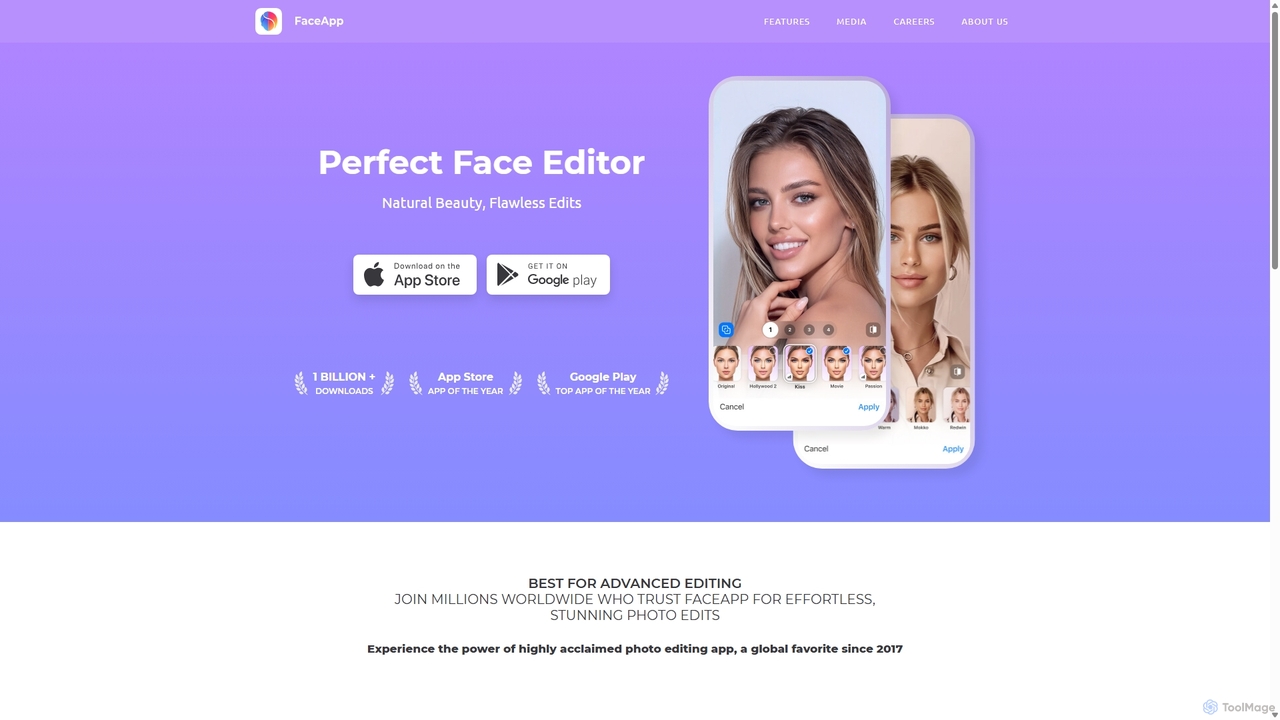
FaceApp is a leading AI-powered photo and selfie editor for iOS and Android. With over a billion downloads, it uses advanced neural networks to offer hyper-realistic transformations. Effortlessly apply filters for aging, gender swap, makeup, hairstyles, and beauty retouching. Perfect for creating stunning, shareable content for social media or simply for fun.

Entertainment
Visits 354.9KFavorites 121Likes 139
GoatChat
Freemium

GoatChat

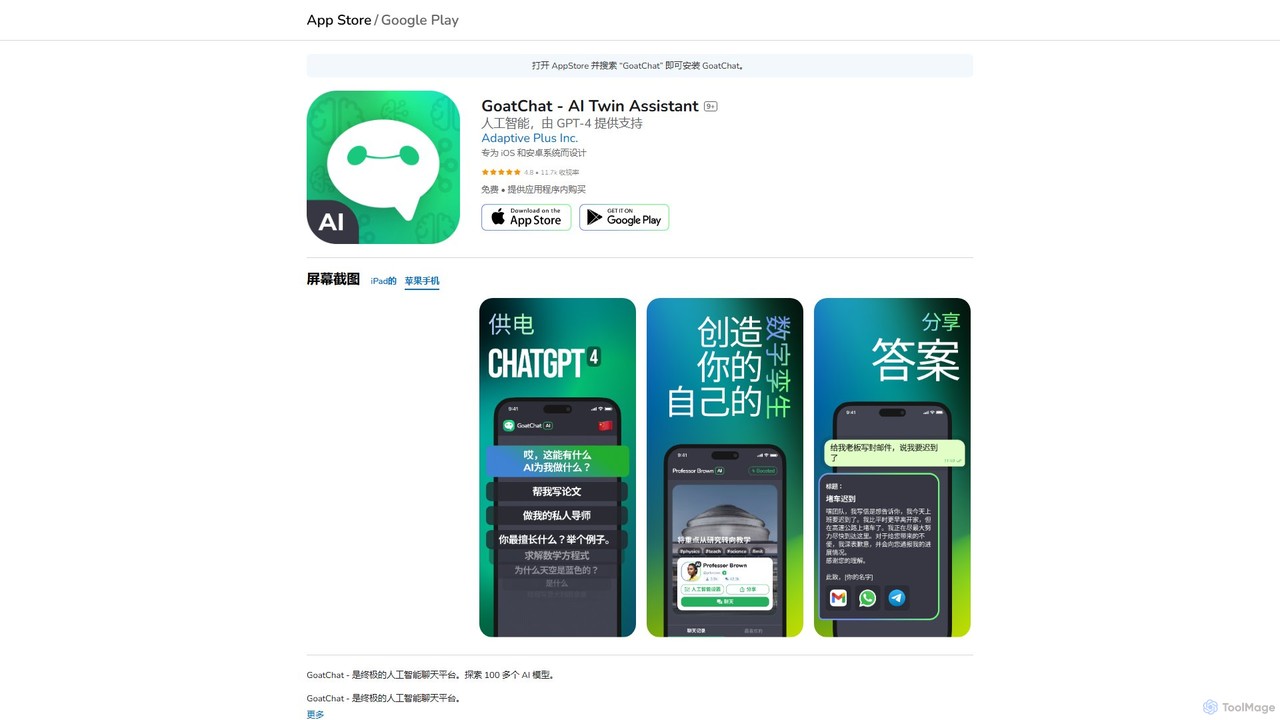
GoatChat is an all-in-one AI character platform powered by GPT-4. Create your own personal AI twin, customize its personality, and chat with AI versions of historical figures. It also offers over 100 AI tools, including writers, translators, image generators, and task automators, all within a single mobile app.

Character Ai
Visits 9.3KFavorites 115Likes 122
karaok_ai
Free

karaok_ai

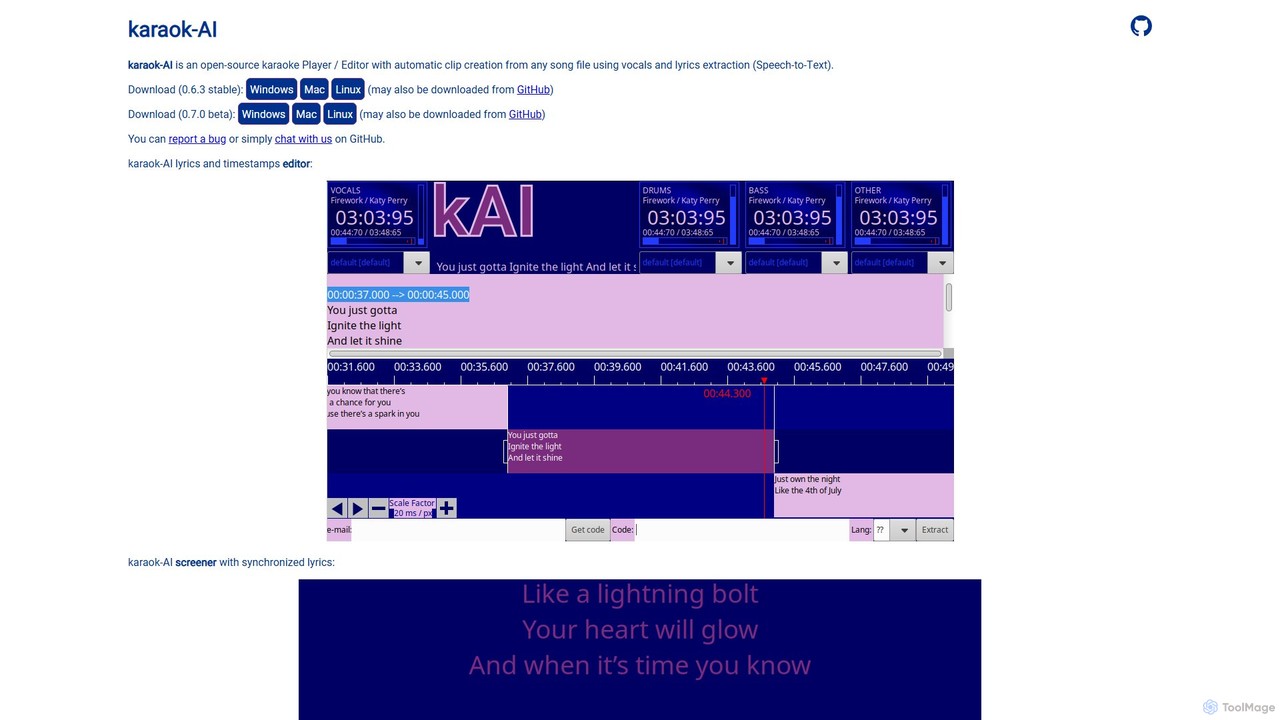
karaok_ai is a free, open-source AI-powered application that automatically creates karaoke tracks from any song. It separates vocals, generates synchronized lyrics using speech-to-text, and includes a full-featured editor. It also comes bundled with kaiDJ, a versatile DJ party player.

Music
Visits 5.5KFavorites 144Likes 143
Magicam
Freemium

Magicam

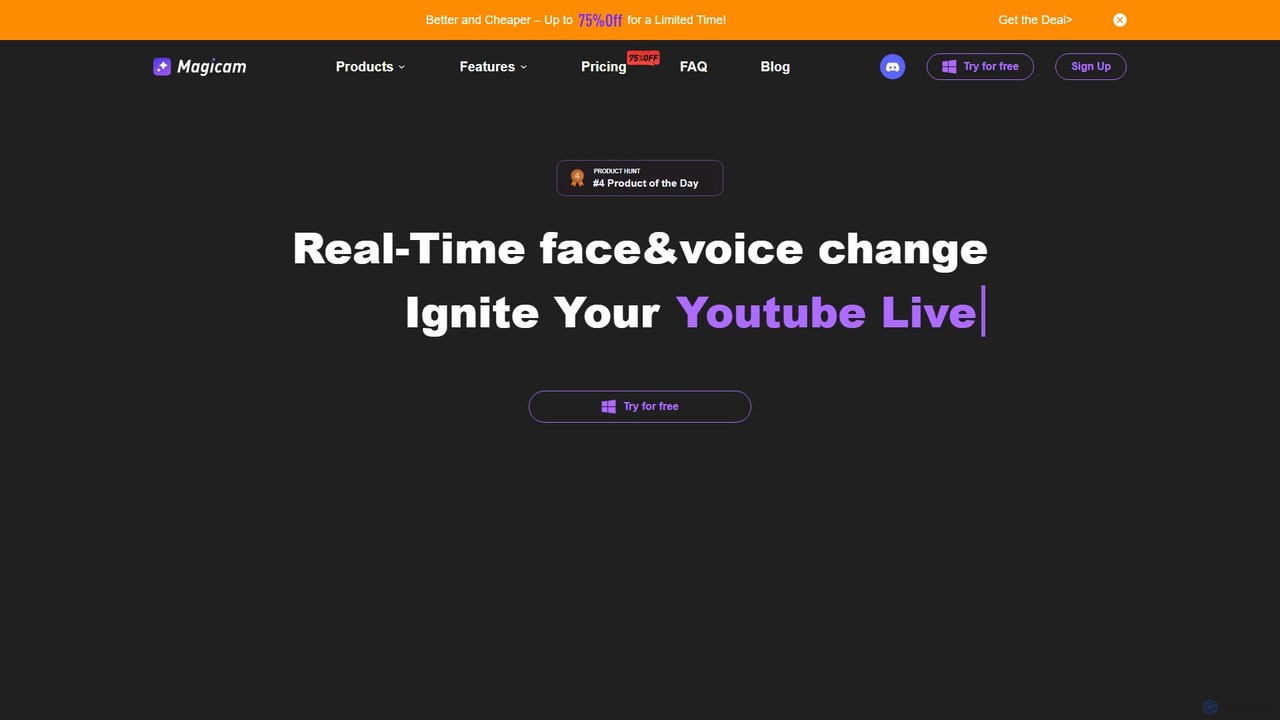
Magicam is a powerful real-time face and voice swapping application. It allows users to change their appearance and voice simultaneously during live streams, video calls, or recordings with high-quality results. It features one-click operation, local data processing for privacy, and seamless integration with platforms like Twitch and Zoom.

Entertainment
Visits 14.6KFavorites 106Likes 124
Dollme.app
Freemium

Dollme.app

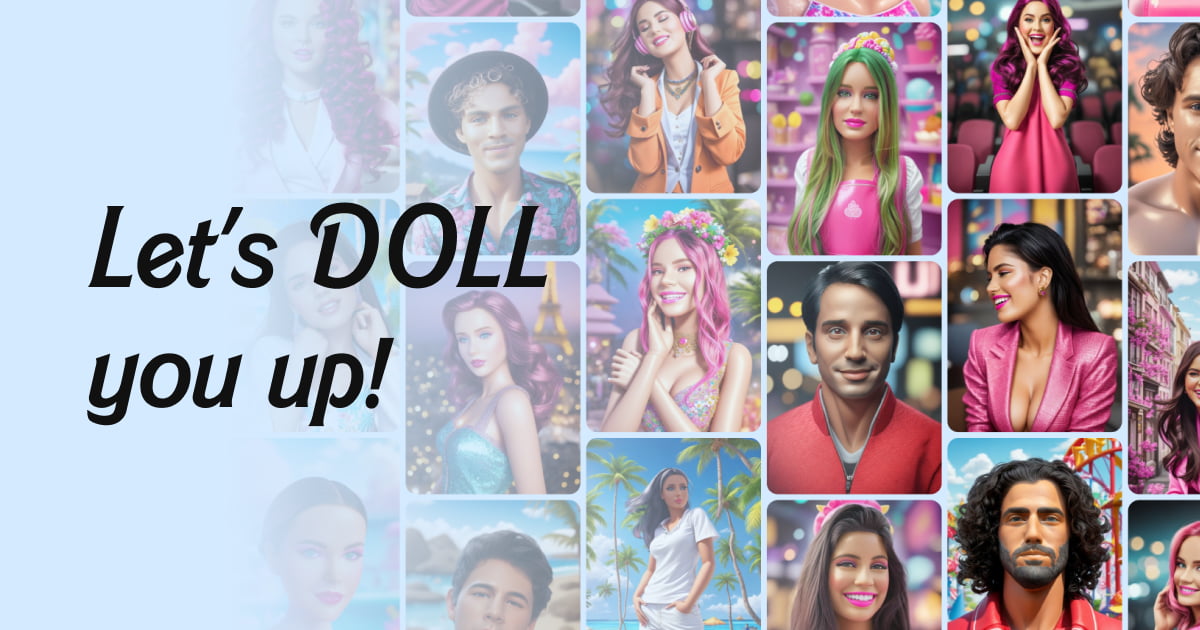
Dollme.app is an AI-powered mobile application that transforms your selfies into stunning, picture-perfect doll avatars. Explore a wide variety of doll styles, from classic to modern, and create unique, iconic profile pictures for your social media. Simply upload a photo and let the AI work its magic to 'doll you up' instantly.

Entertainment
Visits 7.9KFavorites 120Likes 133
ifshot
Freemium

ifshot

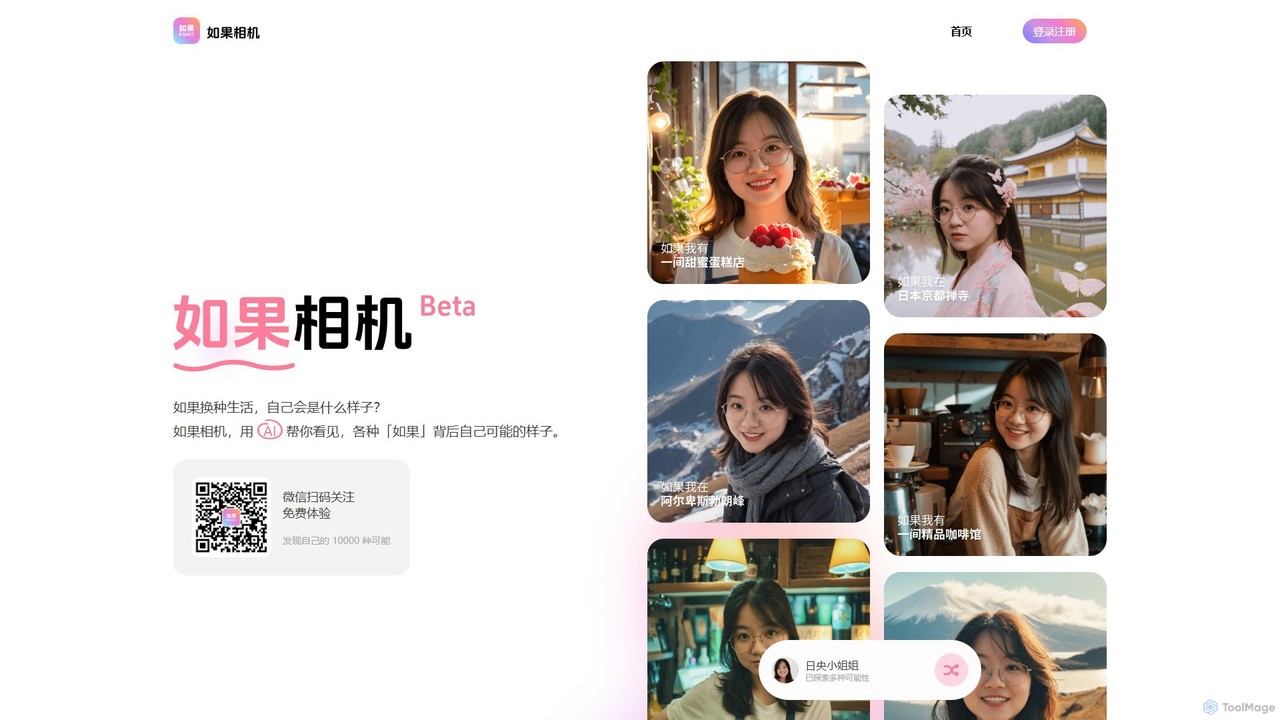
ifshot is an AI-powered camera app that transforms your photos into countless "what if" scenarios. Explore thousands of potential versions of yourself in different lifestyles, professions, and artistic styles, and see your alternate realities come to life.

Entertainment
Visits 5.5KFavorites 131Likes 133

About Entertainment

AI Entertainment tools are a fascinating subset of AI applications designed to enrich leisure, creativity, and interactive experiences. These tools leverage advanced algorithms in areas like natural language processing, generative AI, and machine learning to create personalized content, interactive games, and immersive digital environments. They offer users novel ways to engage with media, explore creative possibilities, and find new forms of amusement, moving beyond traditional entertainment by adapting to individual preferences and generating dynamic content.

Core Features

  • Personalized Content Generation: Creates unique stories, music, or visual art tailored to user input and preferences.
  • Interactive Experiences: Develops AI-driven games, virtual companions, or conversational agents that respond dynamically to user actions.
  • Creative Assistance: Aids users in generating ideas, refining concepts, or producing elements for their own entertainment projects, such as game design or storytelling.
  • Immersive Environments: Constructs virtual worlds or scenarios for exploration and engagement, often with adaptive narratives.

Use Cases

AI Entertainment tools are utilized by individuals seeking novel forms of leisure, content creators looking for inspiration, and developers prototyping new interactive experiences. They can transform passive consumption into active participation, offering endless variations of content and personalized engagement across various digital hobbies.

How to Choose

When selecting AI Entertainment tools, consider the type of entertainment desired (e.g., games, music, storytelling), the level of interactivity and personalization offered, the ease of use for your technical skill level, and the platform compatibility. Evaluate the quality of AI-generated output and the community support for ongoing development and content sharing to ensure a fulfilling experience.

Featured tool rankings

Entertainment use cases

1

Creating Personalized Interactive Stories

A hobbyist writer uses an AI storytelling tool to generate unique narrative branches and character dialogues based on their initial plot ideas. This allows for rapid prototyping of story concepts and exploring multiple outcomes, providing endless personalized reading experiences for themselves or friends, fostering creativity and engagement in narrative development.

2

Generating Unique Music for Personal Playlists

A music enthusiast inputs mood descriptions or genre preferences into an AI music generator to create custom soundtracks for relaxation, study, or workouts. This provides a constant stream of fresh, personalized audio content that perfectly matches their current needs without relying on existing libraries, enhancing their daily activities with tailored soundscapes.

3

Designing Custom Game Levels and Scenarios

An indie game developer or hobbyist gamer utilizes AI tools to automatically generate diverse game levels, puzzles, or quest lines for their favorite sandbox games or personal projects. This significantly reduces manual design time and introduces unexpected challenges, enhancing replayability and creative exploration within their gaming experiences.

4

Developing Virtual Companions for Social Interaction

Individuals seeking companionship or conversational practice engage with AI virtual companions that learn their communication style and preferences. These AI entities offer dynamic, personalized conversations, providing a unique form of social entertainment and emotional support without requiring human interaction, fostering a sense of connection and engagement.

5

Producing AI-Enhanced Art for Digital Hobbies

A digital artist or hobbyist uses AI art generators to create unique visual assets, character designs, or abstract art pieces for personal enjoyment or non-commercial projects. The AI acts as a creative partner, offering unexpected interpretations and styles that spark new artistic directions and expand their creative output without extensive manual effort.

6

Simulating Historical or Fictional Scenarios for Fun

History buffs or fantasy fans use AI simulation tools to create and interact with dynamic historical events or fictional worlds. They can influence outcomes, role-play characters, and explore "what-if" scenarios, turning learning or world-building into an engaging, interactive entertainment experience that offers endless possibilities for exploration.

Entertainment FAQ

What are AI Entertainment tools?

AI Entertainment tools are applications that use artificial intelligence to create, enhance, or personalize leisure and recreational experiences. They leverage generative AI, natural language processing, and machine learning to produce dynamic content like interactive stories, custom music, unique games, or virtual companions, offering novel forms of engagement beyond traditional media.

How do AI Entertainment tools differ from general "Fun Tools"?

While both aim to provide enjoyment, AI Entertainment tools specifically utilize advanced AI to generate or adapt content dynamically, offering personalized and often interactive experiences. General "Fun Tools" might include simpler novelty apps or utilities that don't necessarily rely on complex AI generation or deep personalization, focusing more on simple amusement or utility without the adaptive intelligence.

What are the main types of content AI Entertainment tools can generate?

AI Entertainment tools can generate a wide array of content, including:

  • Interactive Narratives: Personalized stories, choose-your-own-adventure games, or dynamic dialogues.
  • Music and Audio: Custom soundtracks, ambient soundscapes, or song compositions based on mood or genre.
  • Visual Art and Graphics: Unique images, character designs, or abstract art for personal projects.
  • Game Elements: Procedurally generated levels, quests, or non-player character behaviors.
  • Virtual Companions: AI entities for conversation, role-playing, or companionship.
Who can benefit most from using AI Entertainment tools?

AI Entertainment tools are particularly beneficial for:

  • Hobbyists and Creators: Seeking inspiration, rapid prototyping, or unique assets for personal projects (e.g., writers, artists, game designers).
  • Individuals Seeking Personalized Leisure: Users looking for custom music, interactive stories, or virtual companions tailored to their preferences.
  • Educators and Learners: For creating engaging, interactive simulations or educational games.
  • Developers: Prototyping new interactive experiences or adding dynamic content to their applications.
What should I consider when choosing an AI Entertainment tool?

When selecting an AI Entertainment tool, evaluate:

  • Content Type: Does it generate the specific type of entertainment you're looking for (e.g., text, audio, visuals, interactive)?
  • Personalization Level: How deeply can you customize the output to your preferences?
  • Interactivity: Is it a passive content generator or does it offer dynamic, responsive engagement?
  • Ease of Use: Is the interface intuitive for your technical skill level?
  • Output Quality: Assess the realism, creativity, and coherence of the AI-generated content.
  • Cost and Licensing: Understand the pricing model and usage rights for generated content.