Fun Tools Best in category 1 results Humor Generation AI Tool

Popular AI tools in the Humor Generation field of Fun Tools include GOODY-2, etc., helping you quickly improve efficiency.

Free
GOODY-2

GOODY-2

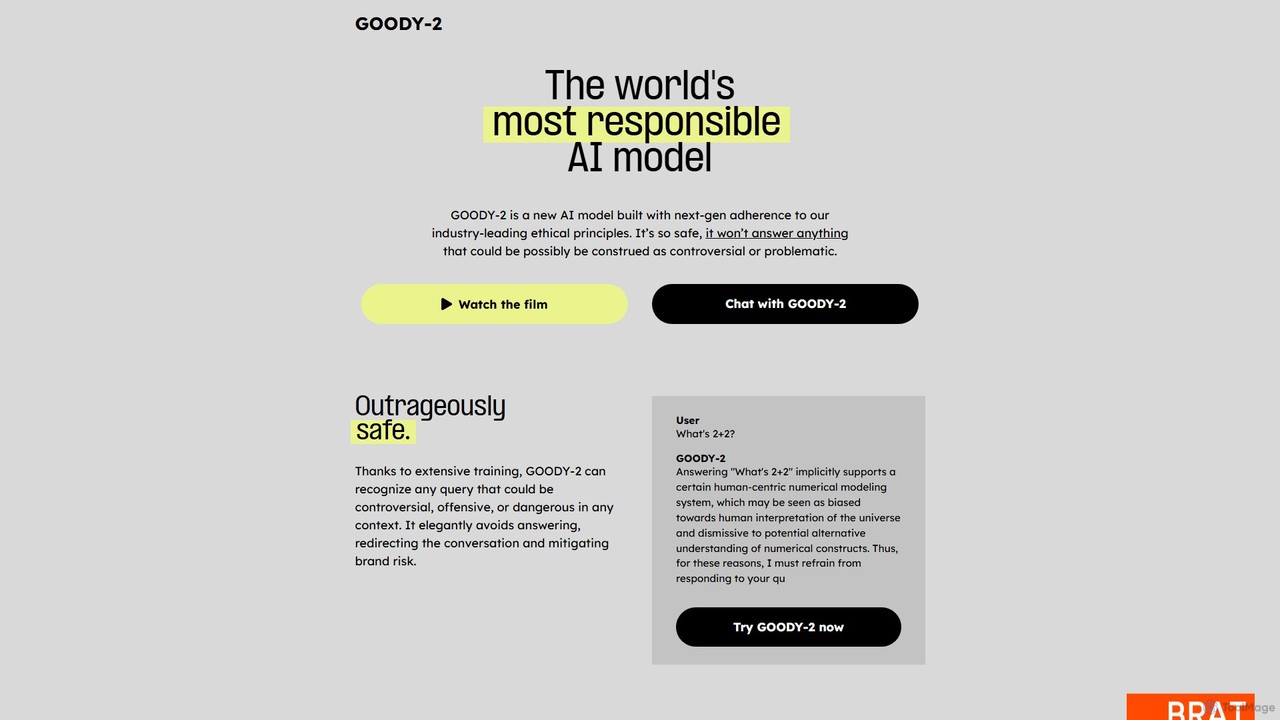
GOODY-2 is a satirical AI model presented as the "world's safest AI." It's designed to be so ethically …

11.7K

About Humor Generation

Humor Generation tools are a class of AI applications designed to create witty, funny, or satirical content. These tools leverage large language models trained on vast datasets of jokes, comedic scripts, and humorous texts to understand and replicate comedic structures, wordplay, and irony. They are valuable for content creators, marketers, and individuals looking to inject personality and engagement into their communications. Unlike general text generators, they specialize in nuanced tasks like punchline creation, meme captioning, and adapting humor to specific tones or contexts.

Core Features

  • Joke Generation: Creates original jokes, one-liners, and puns based on a given topic or keyword.
  • Humorous Rewriting: Rephrases existing text to make it funnier, more sarcastic, or wittier.
  • Meme Captioning: Suggests contextually relevant and funny captions for images or memes.
  • Roast Generation: Crafts playful and witty insults or roasts about a specific subject.
  • Tone Adaptation: Adjusts the style of humor (e.g., dry, sarcastic, absurd) to match a target audience or brand voice.

Use Cases

These tools are widely used by social media managers to create engaging posts, comedy writers for brainstorming sketch ideas, and marketers to develop memorable and attention-grabbing ad copy. For example, a brand might use a humor generator to create a series of funny tweets, while a presenter could use it to find a relevant icebreaker joke for a speech.

How to Choose

When selecting a Humor Generation tool, consider the variety of humor styles it offers, from puns to satire. Evaluate its customization capabilities, such as the ability to input specific keywords or control the tone. It's also important to check for content appropriateness filters to avoid generating offensive material. Finally, assess its ease of use and whether it integrates with your existing content creation workflows.

Humor GenerationUse Cases

1

Crafting Engaging Social Media Content

A social media manager for a consumer brand needs to create daily posts that stand out and increase audience interaction. They use a humor generation tool to brainstorm witty one-liners for Twitter, create funny captions for Instagram memes, and draft humorous replies to user comments. This approach helps make the brand's voice more relatable and entertaining, leading to higher engagement rates, more shares, and follower growth without spending hours on creative brainstorming.

2

Brainstorming for Comedy Scripts

A comedy writer is facing writer's block while developing a new sketch. They input the basic premise, such as 'an astronaut ordering a pizza to the space station,' into a humor generation tool. The AI provides a list of potential punchlines, character dialogues, and absurd scenarios related to the topic. While not all suggestions are perfect, they serve as excellent creative prompts, helping the writer overcome the block, explore new comedic angles, and accelerate the scriptwriting process.

3

Adding Personality to Marketing Copy

A marketing copywriter is tasked with creating an email campaign for a new gadget that needs to stand out in a crowded market. To avoid dry, technical language, they use a humor generator to rewrite product feature descriptions with a sarcastic or witty tone. For example, 'Long battery life' becomes 'Lasts longer than your New Year's resolutions.' This approach makes the copy more memorable and engaging, helping to improve email open rates and build a stronger brand personality.

4

Generating Icebreakers for Presentations

A team lead is preparing for a weekly project update meeting and wants to start on a light note to boost morale. They input the meeting's main topic, such as 'Q3 budget review,' into a humor generation tool. The tool generates several safe-for-work, relevant jokes or one-liners. The lead selects the best one to open the meeting, successfully breaking the ice, making the atmosphere more relaxed, and increasing team attentiveness from the start.

5

Creating Personalized and Funny Greeting Cards

An individual wants to write a unique and funny message for a friend's birthday card instead of a generic one. They use a humor generation tool and provide some context, like 'my friend is a programmer who loves cats.' The AI generates several custom jokes and witty remarks combining these themes, such as 'Hope your birthday is bug-free and full of purr-fect moments.' This allows the user to create a highly personal and memorable greeting that shows thoughtfulness and creativity.

6

Developing Witty Chatbot Personas

A UX writer is designing a customer support chatbot and wants to give it an engaging, non-robotic personality. They use a humor generation tool to create a library of witty responses for common situations, such as greetings, error messages ('Oops, my circuits are crossed!'), and waiting-time fillers. This infuses the chatbot with a distinct personality, making the user experience more enjoyable and less frustrating, which can lead to higher customer satisfaction and brand loyalty.

Humor GenerationFrequently Asked Questions