Fun Tools Best in category 2 results Random AI Tool

Popular AI tools in the Random field of Fun Tools include thundr、RandomGenerator.ai, etc., helping you quickly improve efficiency.

Free
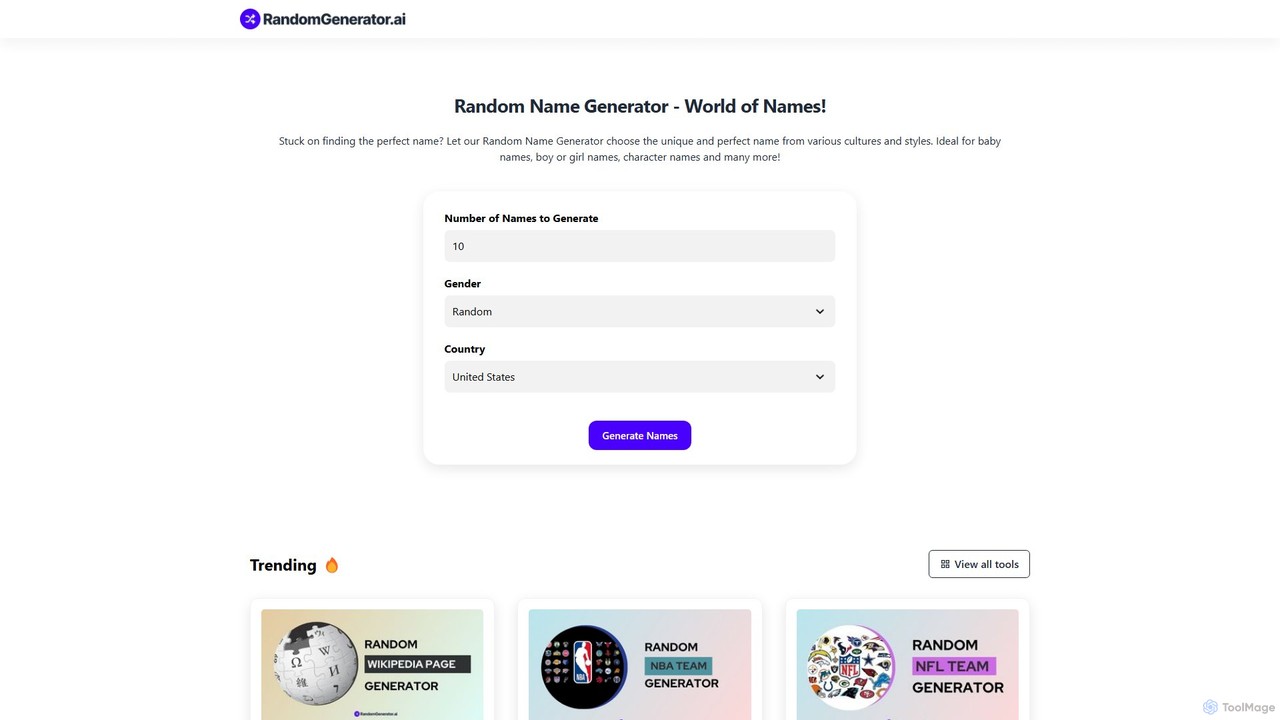
RandomGenerator.ai

RandomGenerator.ai

RandomGenerator.ai is a comprehensive suite of free tools designed to inject creativity and randomness into daily life. It …

2.1K
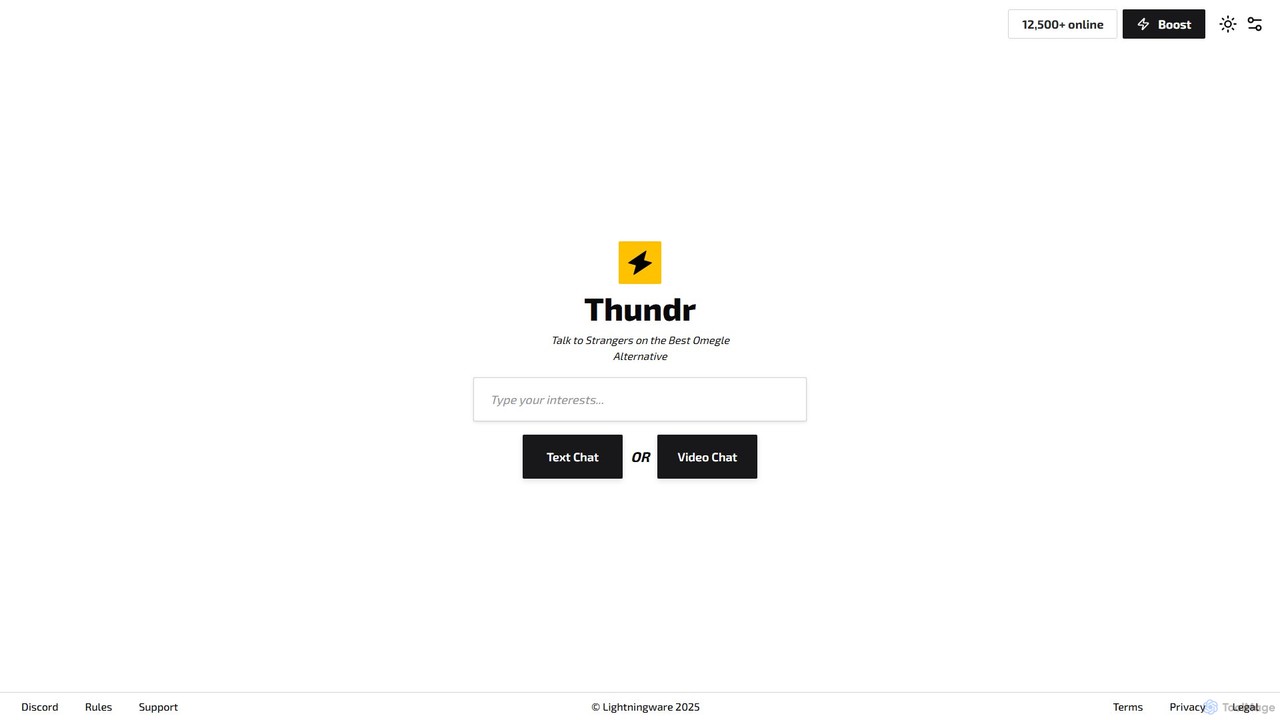
thundr

thundr

thundr is an AI-powered platform offering a safe and modern alternative to Omegle for random video and text …

9.9M

About Random

Random AI tools are a class of applications designed to generate unpredictable and novel outputs, serving as a source of inspiration and entertainment. These tools leverage generative algorithms and large language models with high variability settings to produce unexpected results, from text and ideas to numbers and names. Their primary value lies in breaking creative blocks, facilitating brainstorming, and introducing an element of serendipity into various processes. As a unique category within Fun Tools, they specialize in harnessing controlled chaos to spark new connections and possibilities.

Core Features

  • Idea Generation: Creates novel concepts, story prompts, or business names from minimal input.
  • Data Synthesis: Produces random sets of data, such as names, numbers, passwords, or character profiles.
  • Creative Combination: Merges unrelated concepts or elements to form unique and surprising hybrids.
  • Parameter-driven Randomness: Allows users to set constraints or themes to guide the random generation process while maintaining unpredictability.

Use Cases

These tools are widely used by content creators, writers, game developers, and designers seeking fresh inspiration. For instance, a novelist might use a random plot generator to overcome writer's block, while a game designer could use it to create unique character backstories. Marketing teams also utilize them for brainstorming unconventional campaign slogans or product names.

How to Choose

When selecting a Random AI tool, consider the type of output you need (text, numbers, images). Evaluate the level of customization available—can you influence the results with keywords or parameters? For developers, the availability of an API for integration is crucial. Finally, consider whether you need a general-purpose randomizer or a tool specialized for a specific niche, such as fantasy world-building or technical data generation.

RandomUse Cases

1

Overcoming Writer's Block with Plot Twists

A fiction author is struggling with the midpoint of their novel, feeling the plot has become predictable. They use a random story prompt generator, inputting their main character's traits and the current setting. The tool generates several unexpected events, such as 'a long-lost rival returns with a surprising offer' or 'a natural disaster reveals a hidden secret'. By integrating one of these random prompts, the author introduces a fresh conflict, revitalizes the narrative, and successfully moves the story forward in an exciting new direction.

2

Generating Unique Game Characters

A solo indie game developer needs to create dozens of non-player characters (NPCs) for their fantasy RPG. To save time and ensure variety, they use a random character generator. They set parameters like 'elf', 'merchant', and 'cynical'. The tool outputs unique combinations of names, personality traits, and short backstories, such as 'Elara, a cynical elven merchant who secretly funds a rebellion'. This process allows the developer to quickly populate their game world with memorable characters, each feeling distinct without days of manual brainstorming.

3

Brainstorming Unconventional Marketing Angles

A marketing team is launching a new eco-friendly water bottle but is stuck with generic slogans. They use a random idea combination tool, inputting keywords like 'hydration', 'planet', 'adventure', and 'technology'. The tool generates unexpected pairings like 'Hydration for Martian Colonists' or 'The Planet's Smartest Sip'. While not used directly, these random ideas spark a new creative direction, leading them to a final, innovative campaign theme focused on 'future-proof hydration', setting them apart from competitors.

4

Creating Fair and Varied Classroom Activities

A high school teacher wants to assign debate topics for their history class. To ensure fairness and prevent students from always choosing the easiest subjects, the teacher uses a random topic generator. They preload it with a list of relevant historical events and figures. In class, they project the tool and generate a unique topic for each student group live. This method not only makes the topic selection process transparent and unbiased but also adds an element of excitement and challenge, encouraging students to engage with a wider range of material.

5

Generating Daily Social Media Content Ideas

A social media manager for a coffee brand needs to post engaging content daily but often runs out of fresh ideas. They use a random content idea generator tailored for social media. By inputting 'coffee', 'morning', and 'productivity', the tool suggests prompts like 'Create a poll: Espresso or Cold Brew for Monday motivation?' or 'Share a user-generated photo of coffee in a beautiful location'. This provides a steady stream of varied and creative prompts, saving hours of brainstorming and preventing content fatigue for their audience.

6

Unbiased Decision Making for Teams

A design team needs to decide which of three strong concepts to present to a client. To avoid personal bias or lengthy debates over subjective preferences, the project manager uses a random choice generator. Each concept is assigned a number, and the tool randomly selects one. While this method isn't used for critical, data-driven decisions, it's an effective and fair way to resolve low-stakes deadlocks, maintain team morale, and quickly move forward, ensuring all ideas were given an equal chance.

RandomFrequently Asked Questions