HP IQ
HP IQ is an advanced AI ecosystem, born from the acquisition of Humane, featuring the Ai Pin wearable …
HP IQ is an advanced AI ecosystem, born from the acquisition of Humane, featuring the Ai Pin wearable and the intelligent CosmOS. It offers a screen-free, context-aware computing experience through voice, gestures, and a laser-projected display. Designed for both personal and enterprise use, it aims to enhance productivity and integrate AI seamlessly into daily life, prioritizing intuitive interaction and user privacy.
OHMNI
OHMNI is a revolutionary fashion brand offering 'Silver Street Shield' apparel. These garments, made with pure silver, are …
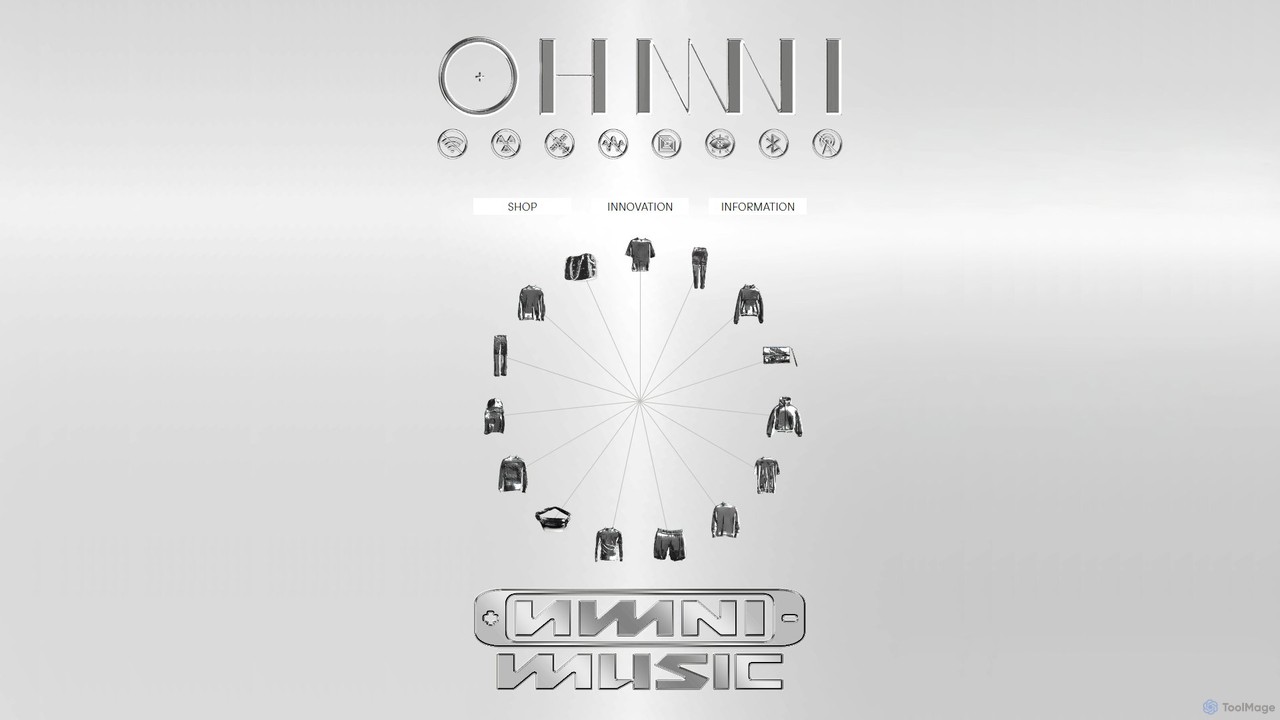
OHMNI is a revolutionary fashion brand offering 'Silver Street Shield' apparel. These garments, made with pure silver, are designed as modern-day armor to protect against digital surveillance, data harvesting, and electromagnetic fields (EMF), providing a physical barrier for privacy and autonomy.
Omi
Omi is an open-source, wearable AI hardware device designed to capture your thoughts and conversations 24/7. It transforms …
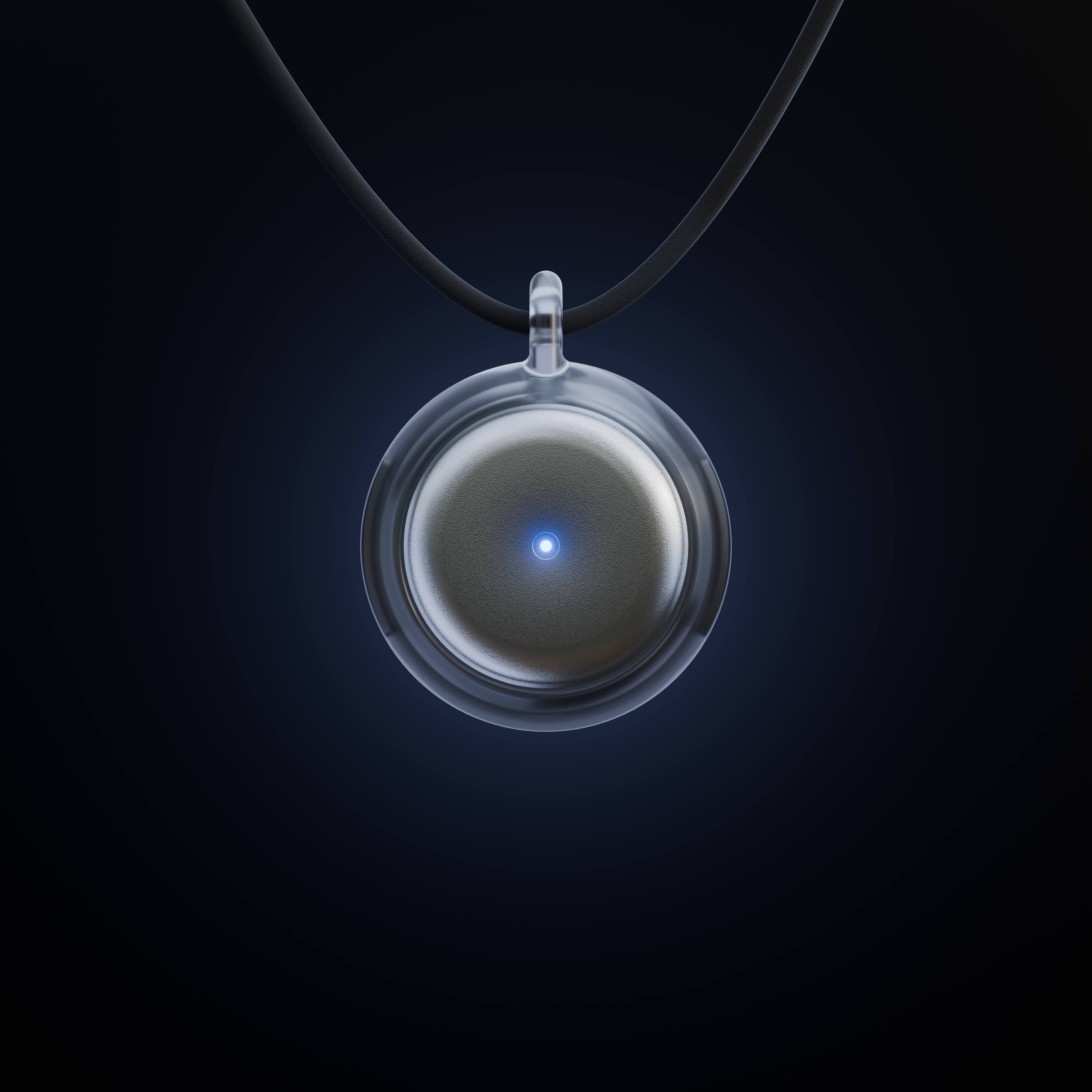
Omi is an open-source, wearable AI hardware device designed to capture your thoughts and conversations 24/7. It transforms spoken words into actionable insights, notes, and tasks through a rich ecosystem of apps. Available as a necklace or glasses, Omi serves individuals, developers, and enterprises with its customizable, white-label solutions.
About Wearable Tech
Wearable Tech refers to electronic devices worn on the body, a specialized segment of hardware, integrating advanced sensors and AI to collect and analyze data. These devices enhance daily life by monitoring health, facilitating communication, and providing real-time information. They offer seamless, on-the-go interaction, transforming how we engage with technology and our environment.
Core Features
- Biometric Tracking: Continuously monitors vital signs like heart rate, sleep patterns, activity levels, and blood oxygen, often with AI-driven insights.
- Smart Notifications: Delivers alerts for calls, messages, and app updates directly to the wrist or other body parts, reducing reliance on smartphones.
- AI-Powered Insights: Utilizes artificial intelligence to process collected data, offering personalized recommendations for health, fitness, and productivity.
- Gesture and Voice Control: Enables hands-free interaction with devices and connected systems through intuitive movements or spoken commands.
- Location and Safety Features: Incorporates GPS for tracking, fall detection, and emergency alerts, enhancing personal safety and peace of mind.
Use Cases
Wearable tech is widely adopted across various sectors, from personal wellness to professional applications. Fitness enthusiasts use smartwatches and trackers to optimize workouts and monitor recovery. Healthcare providers leverage medical wearables for remote patient monitoring and early detection of health issues. Industrial workers benefit from smart glasses and vests for enhanced safety and augmented reality assistance.
How to Choose
Selecting the right wearable tech involves considering several factors. Evaluate the device's primary function (e.g., fitness, health, communication) and ensure its sensor accuracy meets your needs. Assess battery life for convenience and check compatibility with your existing smartphone ecosystem. Prioritize comfort and design for daily wear, and review data privacy policies to understand how your personal information is handled.
Wearable TechUse Cases
Real-time Health Monitoring for Athletes
Athletes and fitness enthusiasts utilize AI-powered wearable tech, such as smartwatches and fitness trackers, to continuously monitor vital signs like heart rate, blood oxygen, and sleep quality during training and recovery. These devices provide real-time performance metrics and AI-driven insights into training load and recovery needs, helping users optimize their regimens, prevent overtraining, and achieve peak physical condition more effectively.
Enhancing Worker Safety in Industrial Settings
In hazardous industrial environments, workers wear smart helmets, vests, or wristbands equipped with sensors and AI. These wearables can detect dangerous gases, monitor body temperature, track location, and identify falls or impacts. AI algorithms analyze this data to provide real-time alerts to both the worker and supervisors, significantly reducing accident risks and enabling rapid response in emergencies, thereby enhancing overall workplace safety.
Seamless Personal Communication and Productivity
Professionals and busy individuals leverage smartwatches and smart rings for discreet and efficient communication. These devices allow users to receive notifications, answer calls, send quick replies, and manage calendars without needing to constantly check their smartphones. AI-powered voice assistants integrated into wearables enable hands-free task management, scheduling, and information retrieval, significantly boosting personal productivity and convenience throughout the day.
Elderly Care and Independent Living Support
Wearable tech plays a crucial role in supporting independent living for the elderly and vulnerable. Devices like smart pendants, watches, or fall-detection belts can automatically alert caregivers or emergency services in case of a fall or unusual activity. AI algorithms learn user patterns to identify deviations, providing peace of mind for families and enabling seniors to maintain their independence longer while ensuring their safety and well-being through continuous monitoring.
Immersive Gaming and Entertainment Experiences
Gamers and entertainment enthusiasts utilize advanced wearable tech like VR/AR headsets, haptic feedback suits, and smart gloves to create deeply immersive experiences. These devices track head movements, eye gaze, and body gestures, translating them into virtual actions. AI enhances realism by adapting virtual environments and character responses based on user input, offering unparalleled levels of engagement and interaction in gaming, virtual tourism, and interactive storytelling.
Personalized Wellness and Mental Health Support
Wearable devices are increasingly used for personalized wellness and mental health management. Smart rings and patches can monitor stress levels through heart rate variability and skin conductance, providing real-time biofeedback. AI algorithms analyze these patterns to suggest mindfulness exercises, breathing techniques, or sleep improvements. This proactive approach helps users manage stress, improve sleep quality, and foster overall mental well-being by offering tailored interventions based on their physiological data.