Aidiagme
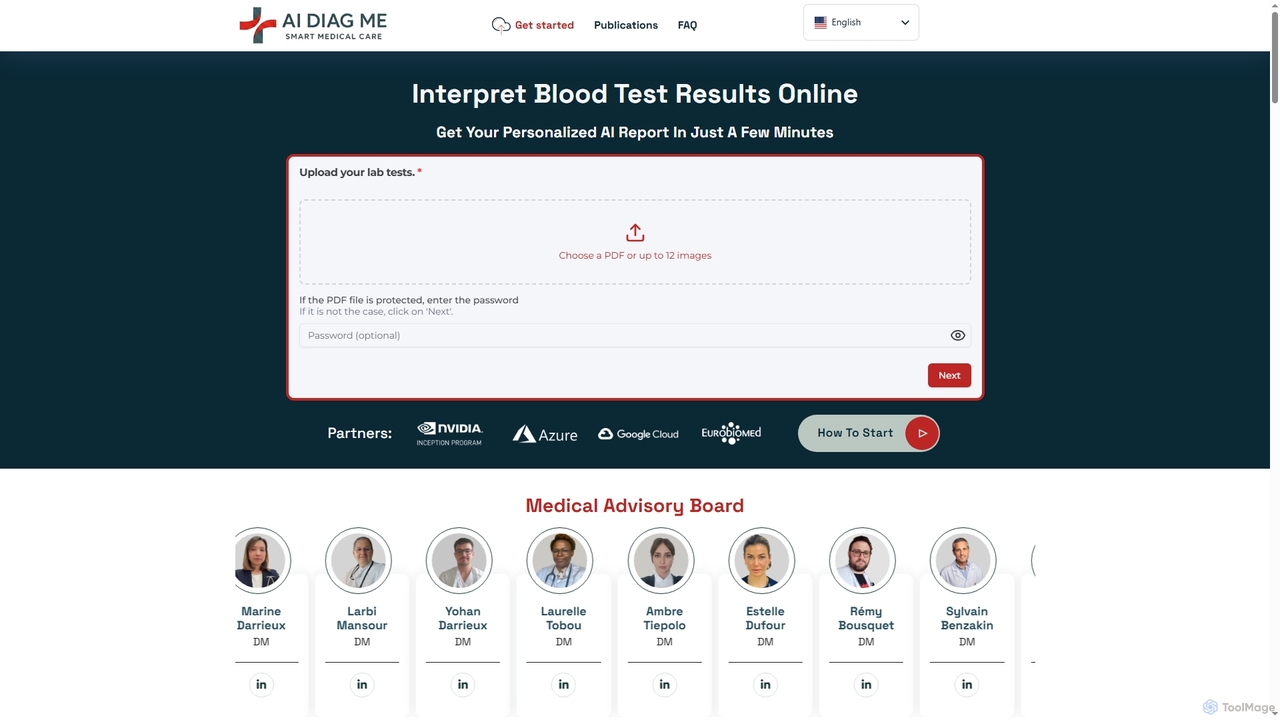
Aidiagme is an AI-powered platform that interprets lab test results (blood, urine, stool) in minutes. It transforms complex …
Aidiagme is an AI-powered platform that interprets lab test results (blood, urine, stool) in minutes. It transforms complex medical reports into clear, easy-to-understand summaries, providing personalized insights, wellness tips, and questions to ask your doctor. It prioritizes data security with full anonymization and encryption, complying with HIPAA and GDPR standards.
Bloodgpt
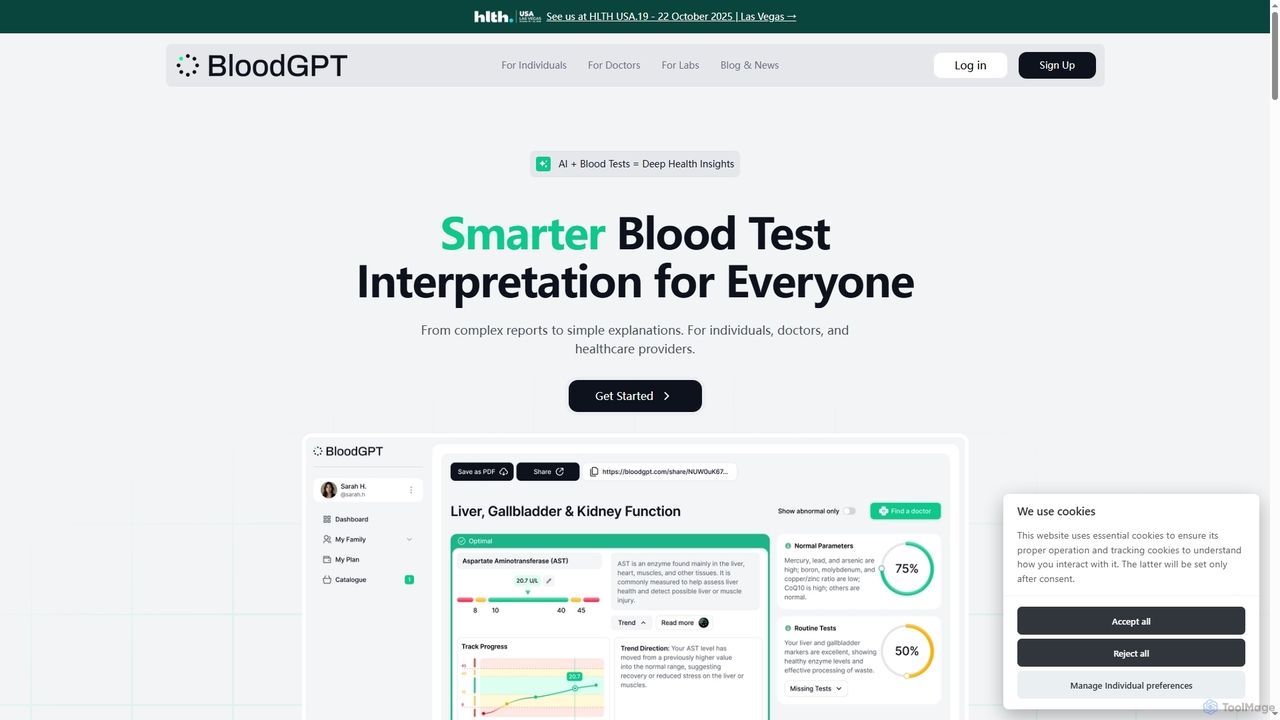
An AI-powered platform that analyzes complex blood test reports, transforming them into easy-to-understand insights. It provides personalized health …
An AI-powered platform that analyzes complex blood test reports, transforming them into easy-to-understand insights. It provides personalized health recommendations, diet plans, and biomarker trend tracking for individuals, families, and healthcare professionals.
0xmd
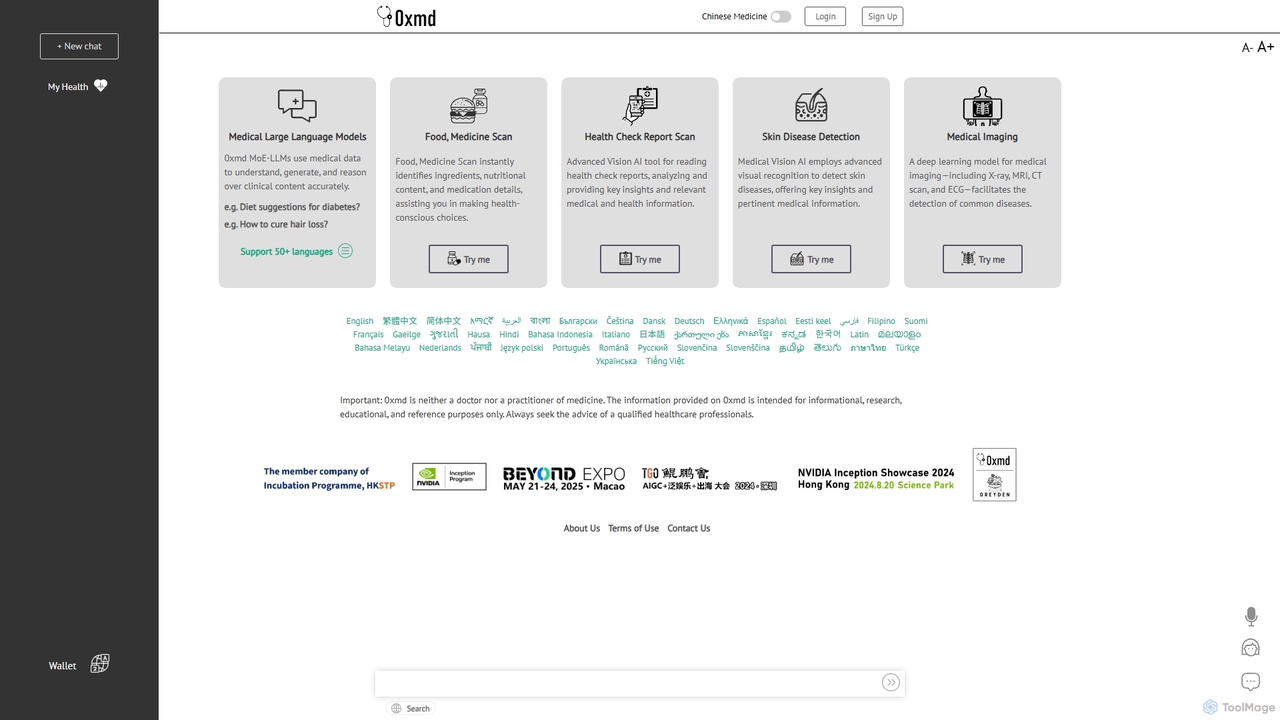
0xmd is an advanced generative AI platform for medicine and healthcare. It utilizes specialized Large Language Models (LLMs) …
0xmd is an advanced generative AI platform for medicine and healthcare. It utilizes specialized Large Language Models (LLMs) and Vision AI to understand clinical content, analyze health reports, scan medical images like X-rays and MRIs, detect skin diseases, and provide health information in over 50 languages. It serves as an intelligent assistant for both individuals and healthcare professionals.
Yesil Health
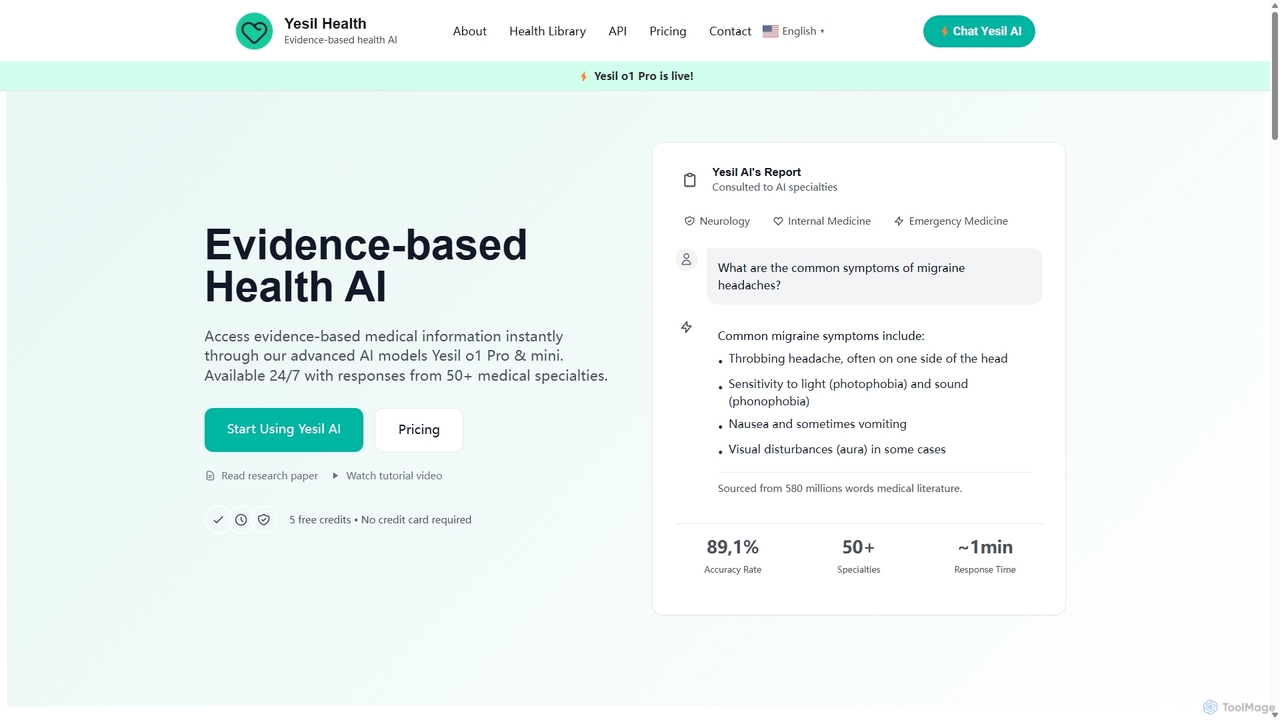
Yesil Health is an evidence-based medical AI assistant providing instant access to reliable health information. Powered by advanced …
Yesil Health is an evidence-based medical AI assistant providing instant access to reliable health information. Powered by advanced AI models trained on peer-reviewed literature, it covers over 50 medical specialties. Users can ask health-related questions 24/7 and receive accurate, data-backed responses, making medical knowledge more accessible for everyone.
Docus
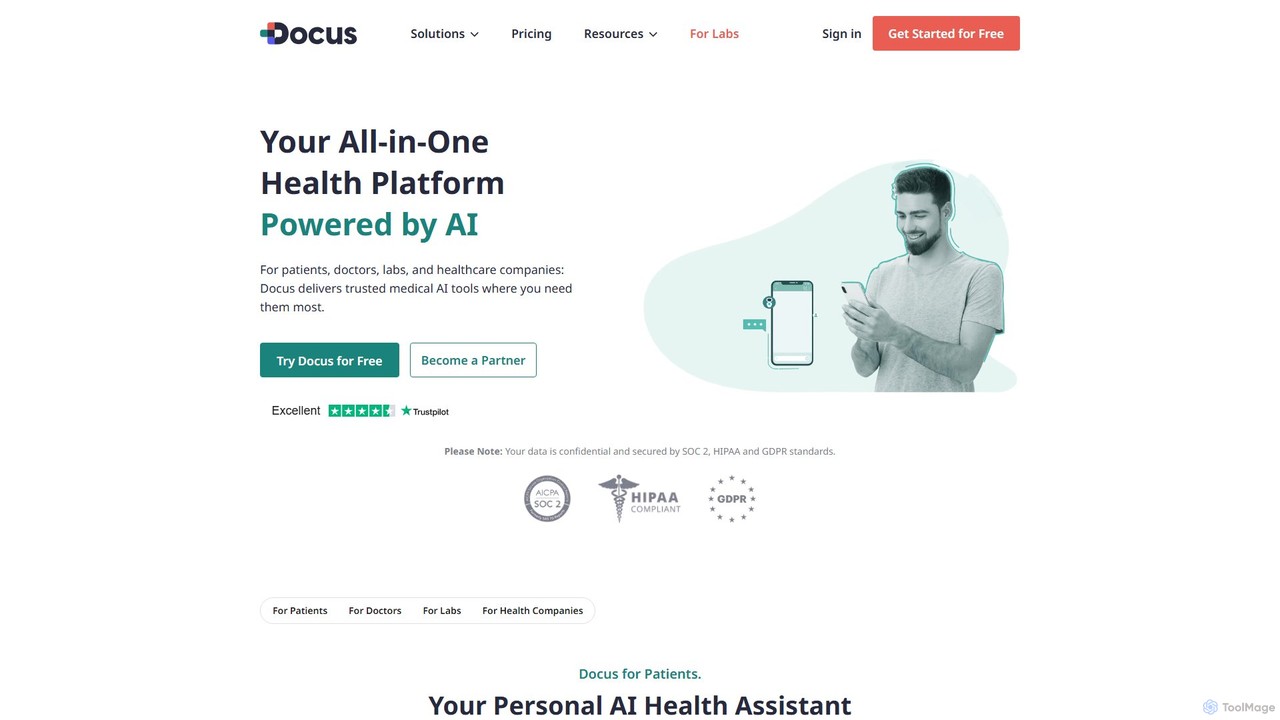
Docus is an AI-powered health platform offering personalized medical insights. It provides tools like an AI Doctor for …
Docus is an AI-powered health platform offering personalized medical insights. It provides tools like an AI Doctor for answering health questions, a symptom checker, and lab test interpretation. It also offers second opinions from top doctors and solutions for healthcare professionals to improve diagnostics and streamline workflows.
Medical Chat
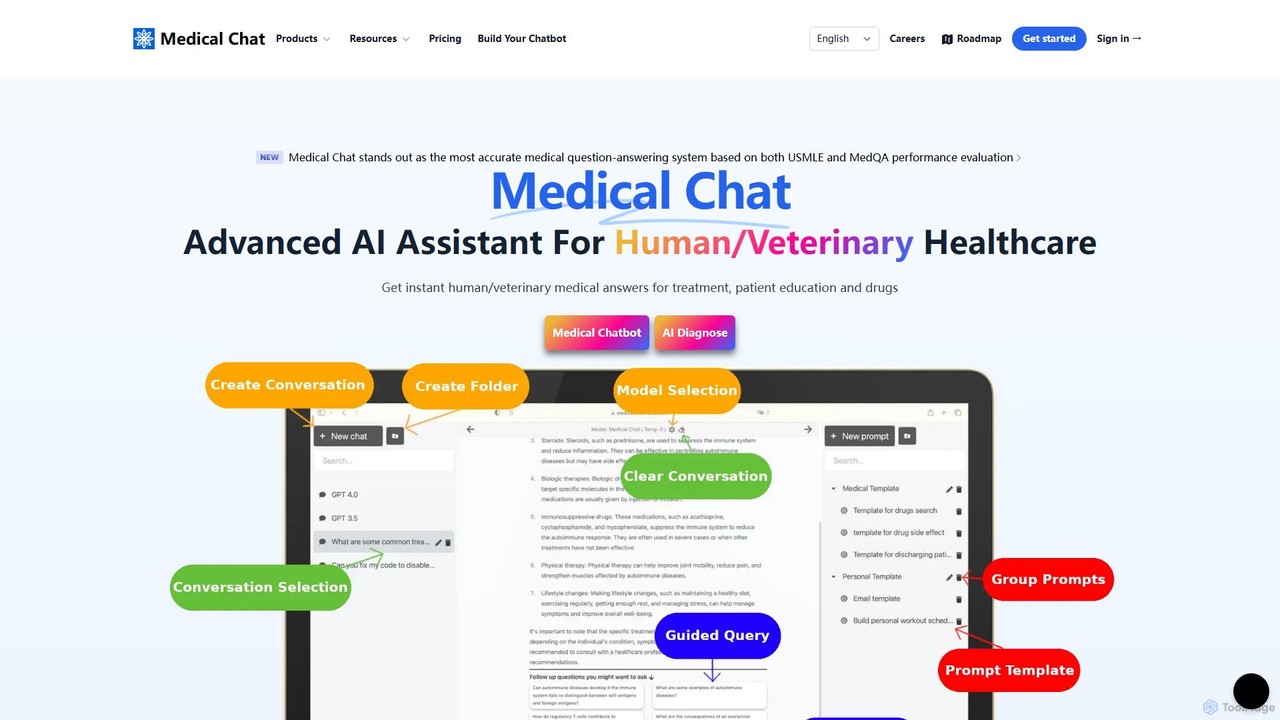
Medical Chat is an advanced, HIPAA-compliant AI assistant for human and veterinary healthcare professionals. It provides instant, evidence-based …
Medical Chat is an advanced, HIPAA-compliant AI assistant for human and veterinary healthcare professionals. It provides instant, evidence-based answers, generates differential diagnosis reports, creates clinical plans, and integrates with PubMed. Its high accuracy is validated by USMLE and MedQA performance evaluations.
DotScript
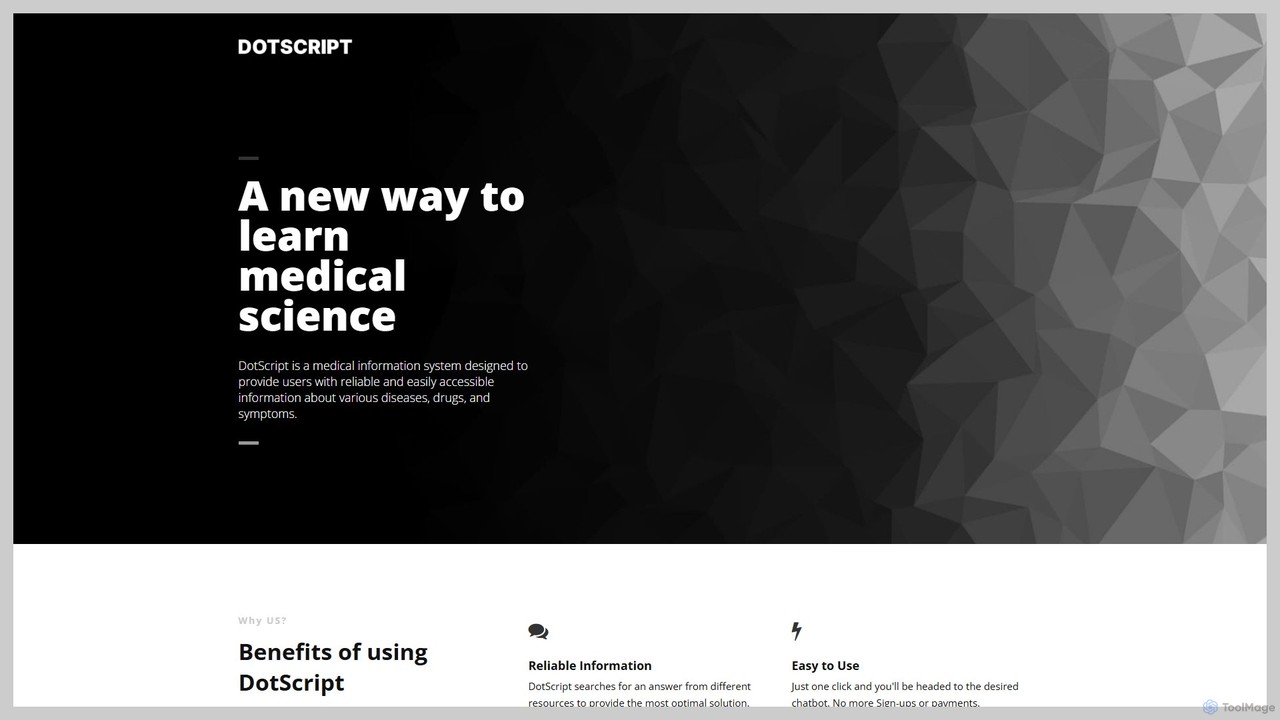
DotScript is a free, specialized AI chatbot designed for medical and genetic inquiries. It features two distinct bots: …
DotScript is a free, specialized AI chatbot designed for medical and genetic inquiries. It features two distinct bots: a Generic Bot for daily health and medicine questions, and a Genetic Bot for advanced queries about diseases, syndromes, and genetics. It's fast, reliable, and requires no sign-ups, offering instant access to medical information across any device.
Consensus
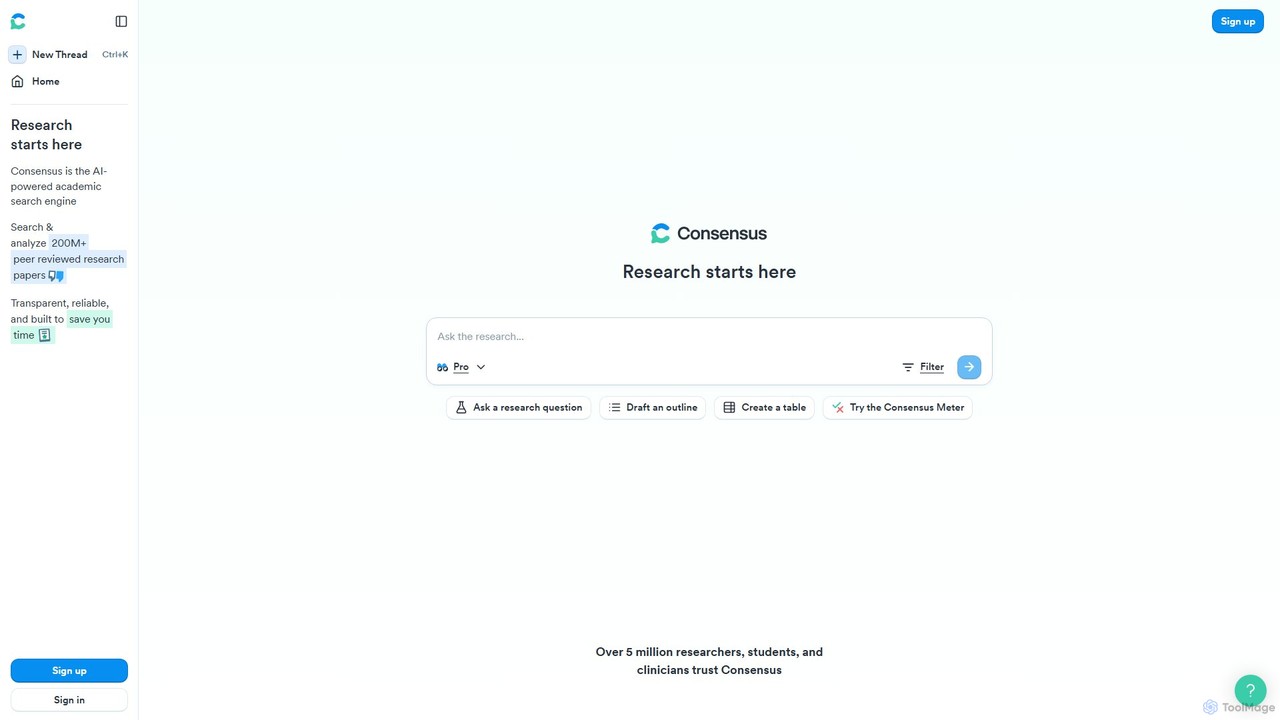
Consensus is an AI-powered search engine designed for scientific research. It searches over 200 million peer-reviewed papers to …
Consensus is an AI-powered search engine designed for scientific research. It searches over 200 million peer-reviewed papers to provide evidence-based, synthesized answers to user questions, saving time for researchers, students, and professionals by extracting key findings directly from scientific literature.
YourDoctor AI
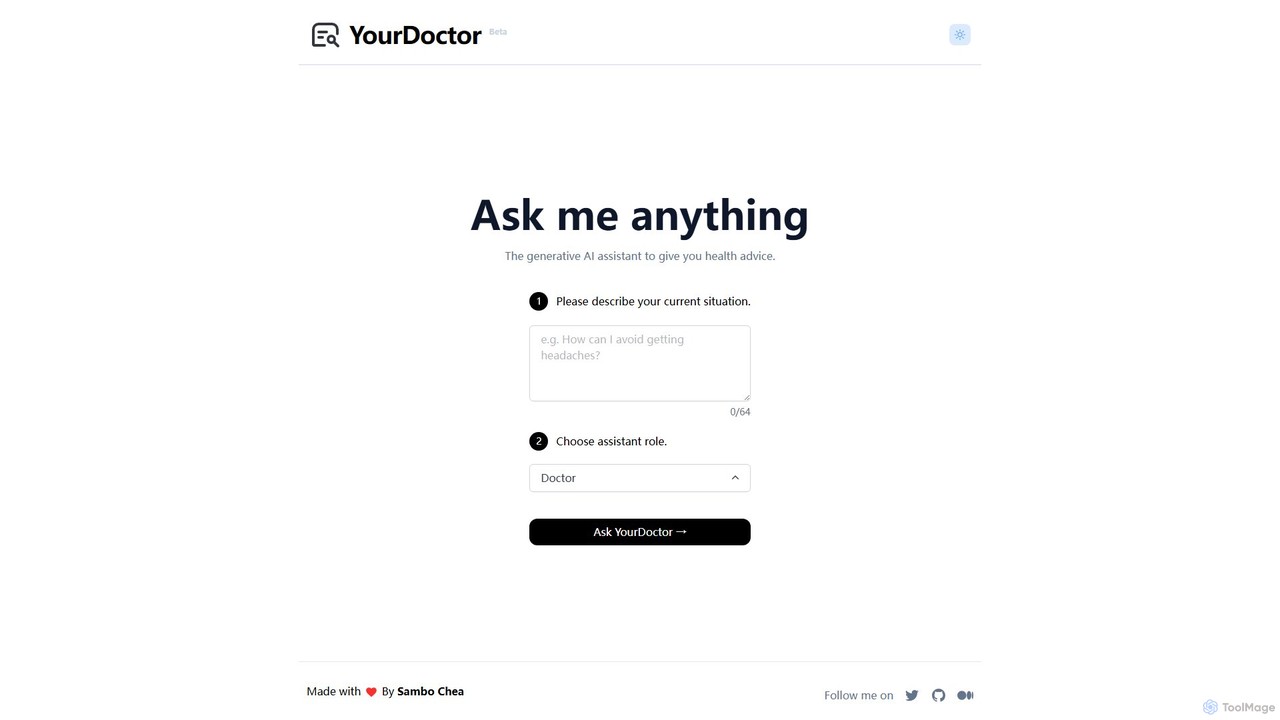
YourDoctor AI is a generative AI assistant designed to provide health advice and information. Users can describe their …
YourDoctor AI is a generative AI assistant designed to provide health advice and information. Users can describe their symptoms or ask health-related questions in natural language to receive instant, AI-generated insights. It serves as a preliminary information source before consulting a medical professional.
Eka Care
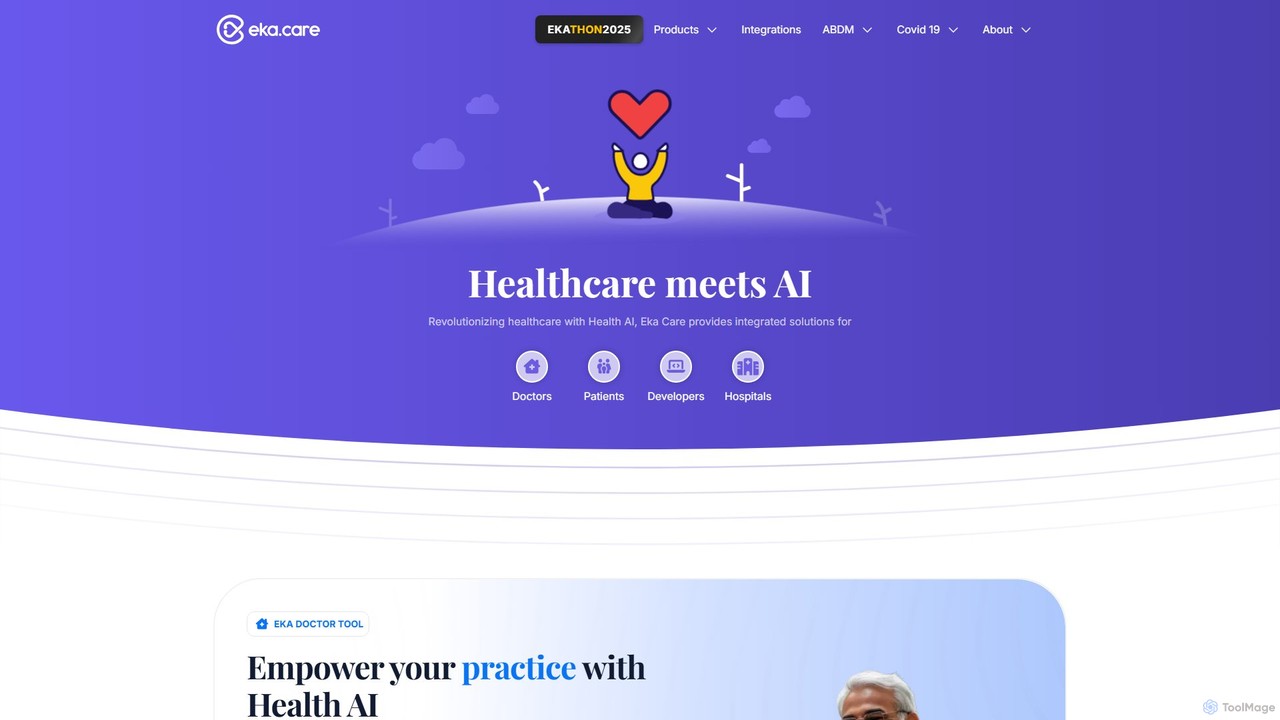
Eka Care is an integrated AI-powered healthcare platform designed for patients, doctors, hospitals, and developers. It offers an …
Eka Care is an integrated AI-powered healthcare platform designed for patients, doctors, hospitals, and developers. It offers an EMR for doctors, a personal health management app for patients with AI insights and vitals tracking, and a robust API for developers to build innovative health solutions.
Glass
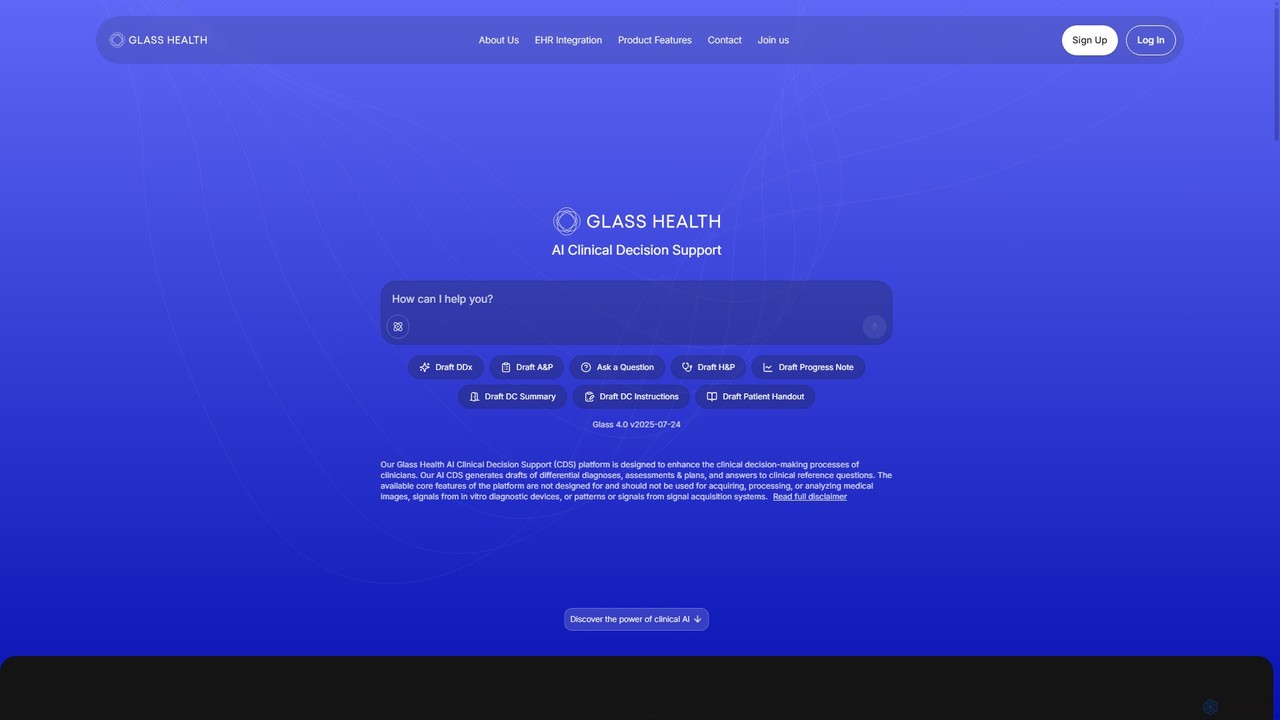
Glass is an AI-powered clinical decision support (CDS) platform designed by clinicians for clinicians. It assists medical professionals …
Glass is an AI-powered clinical decision support (CDS) platform designed by clinicians for clinicians. It assists medical professionals in generating differential diagnoses, drafting evidence-based clinical plans, and automating comprehensive medical documentation to enhance diagnostic accuracy and streamline workflows.
blabladoc
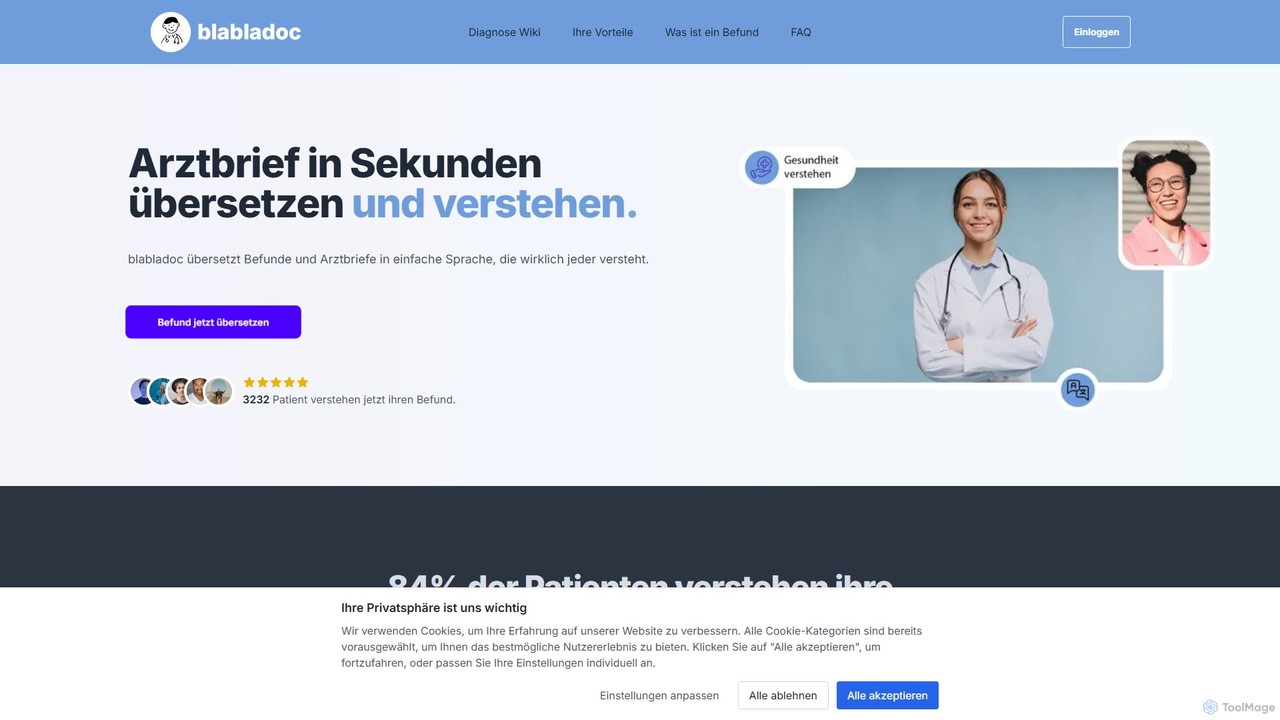
blabladoc is an AI-powered tool that translates complex medical reports, doctor's letters, and diagnoses into simple, easy-to-understand language. …
blabladoc is an AI-powered tool that translates complex medical reports, doctor's letters, and diagnoses into simple, easy-to-understand language. It helps patients demystify medical jargon, understand their health status, and make informed decisions.
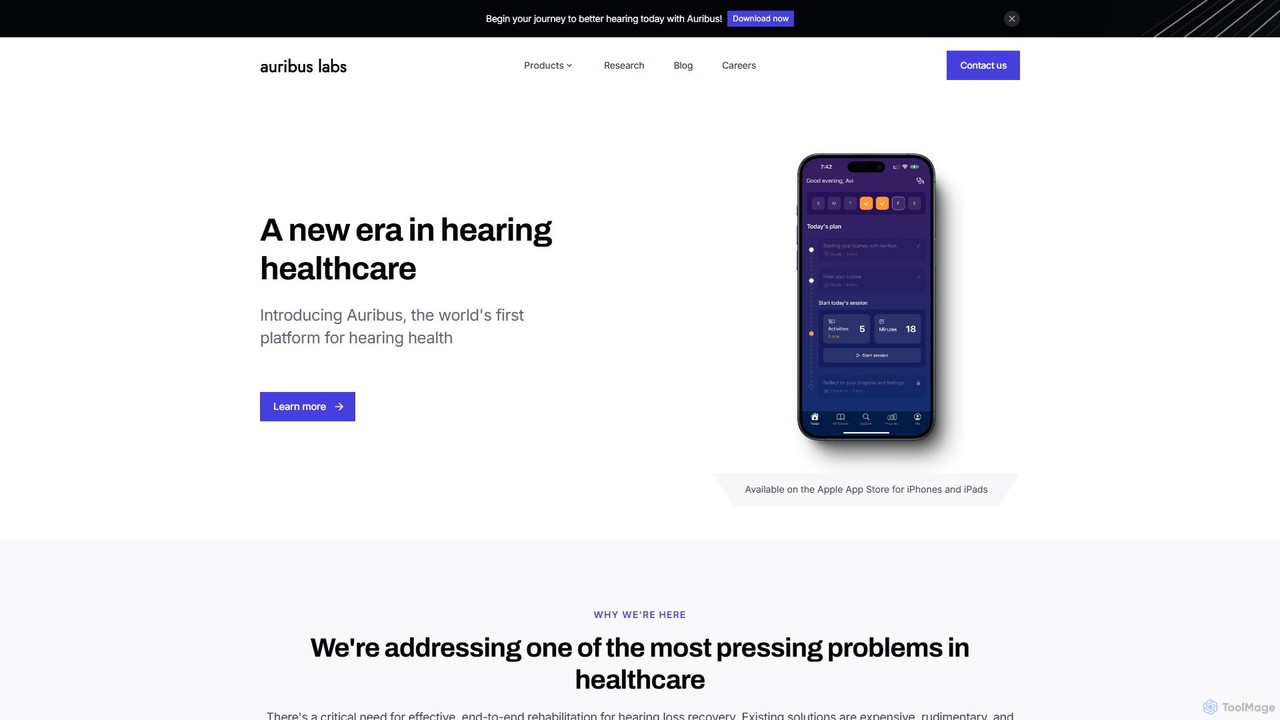
Auribus Labs
Auribus Labs offers a pioneering digital platform for hearing health, providing science-backed auditory training and aural rehabilitation. Designed …
Auribus Labs offers a pioneering digital platform for hearing health, providing science-backed auditory training and aural rehabilitation. Designed for users of cochlear implants and hearing aids, as well as individuals with aphasia or APD, the platform delivers personalized exercises and content through a convenient mobile app. It also features a remote monitoring tool for healthcare practitioners to track patient progress and adjust treatments.
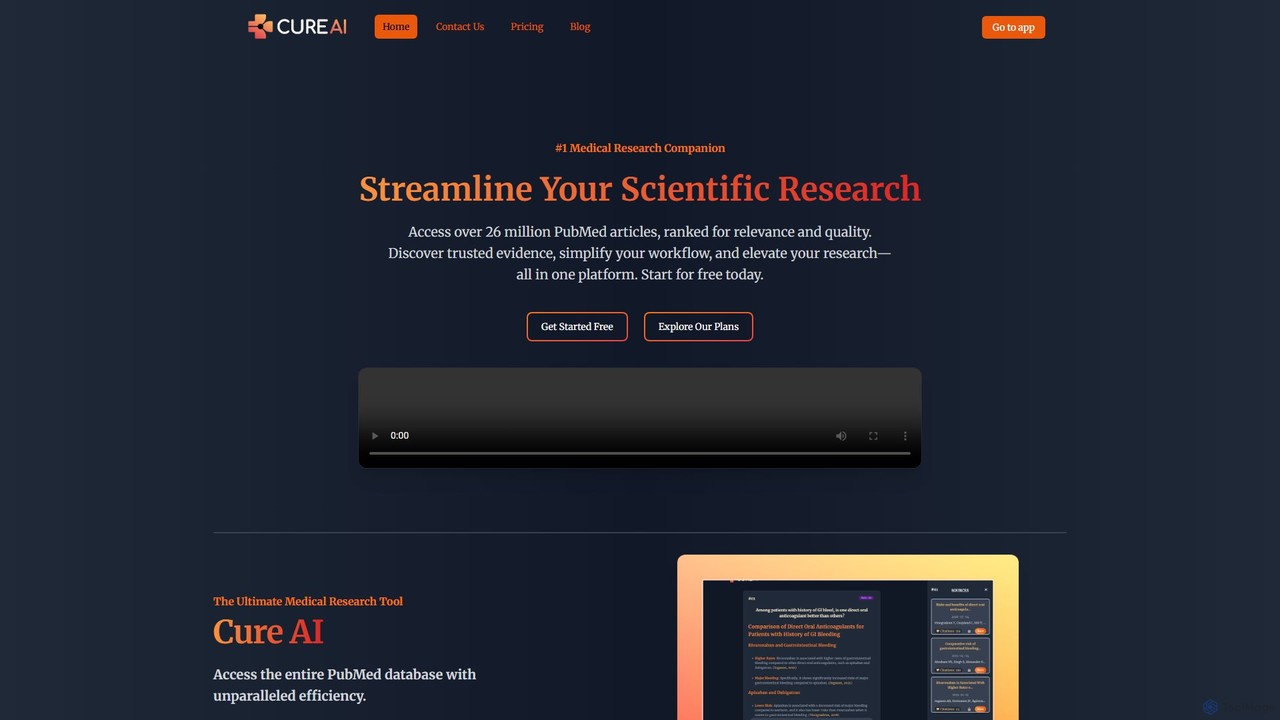
Cure AI
Cure AI is an AI-powered medical research companion that streamlines scientific literature review. It provides access to over …
Cure AI is an AI-powered medical research companion that streamlines scientific literature review. It provides access to over 26 million PubMed articles, using AI to rank evidence, generate insights, and simplify the research workflow from query to citation.
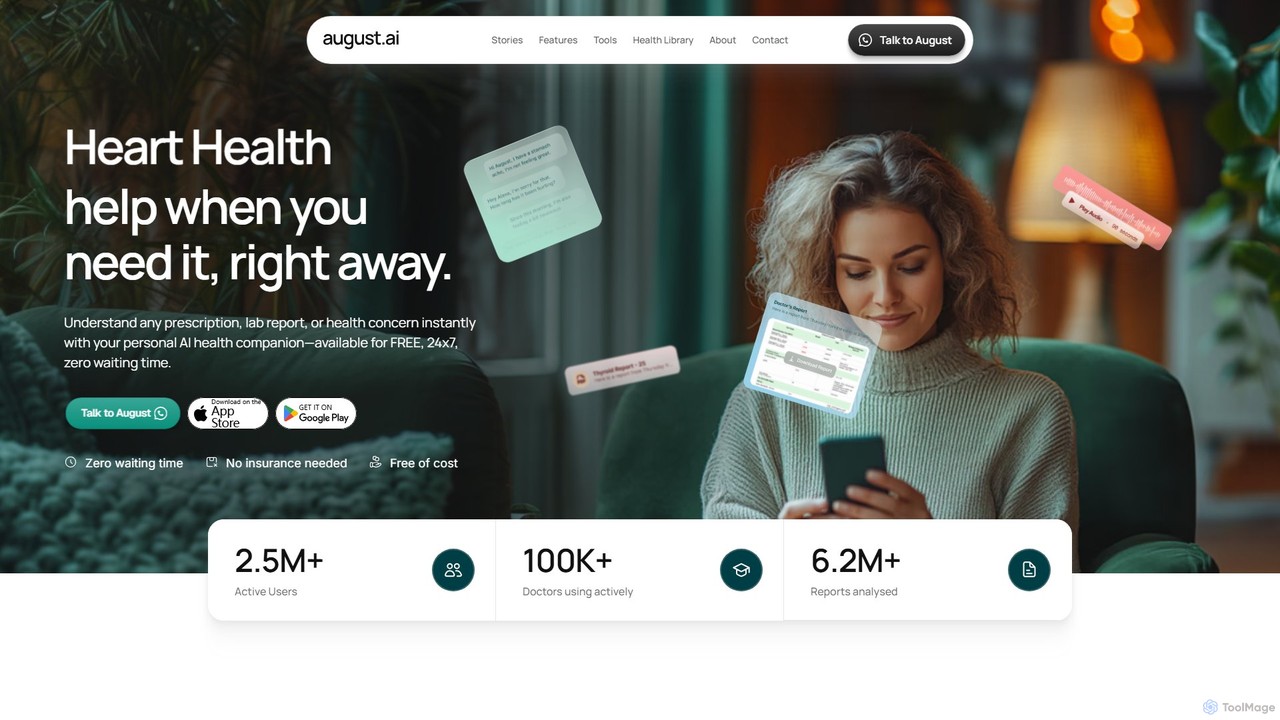
meetaugust
August is a free, 24/7 AI health assistant designed to provide instant medical guidance. It helps users understand …
August is a free, 24/7 AI health assistant designed to provide instant medical guidance. It helps users understand lab reports, check symptoms, analyze prescriptions, and receive personalized wellness plans. Accessible via app and WhatsApp, it offers a secure, private, and immediate way to manage your health without appointments or insurance.
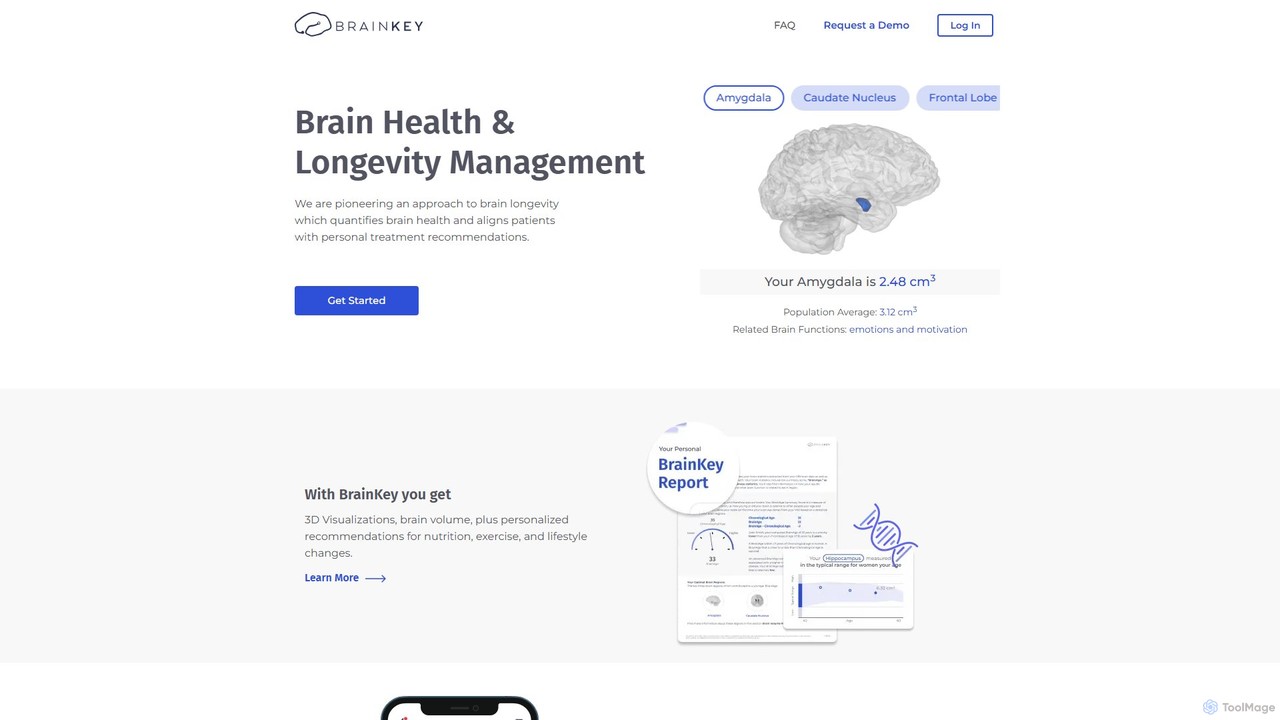
BrainKey
BrainKey is an AI-powered platform that transforms brain MRI scans into interactive 3D visualizations and actionable health insights. …
BrainKey is an AI-powered platform that transforms brain MRI scans into interactive 3D visualizations and actionable health insights. It quantifies brain volume, calculates your BrainAge, and provides personalized recommendations for nutrition, exercise, and lifestyle to promote brain health and longevity. It empowers individuals and clinicians to proactively monitor and manage brain health.

BioGPT
BioGPT is an AI-powered research assistant designed for the biology and life sciences community. It helps researchers, students, …
BioGPT is an AI-powered research assistant designed for the biology and life sciences community. It helps researchers, students, and professionals solve complex biological problems by analyzing scientific papers, designing experiments, interpreting data, generating hypotheses, and creating lab protocols, all based on cutting-edge research.
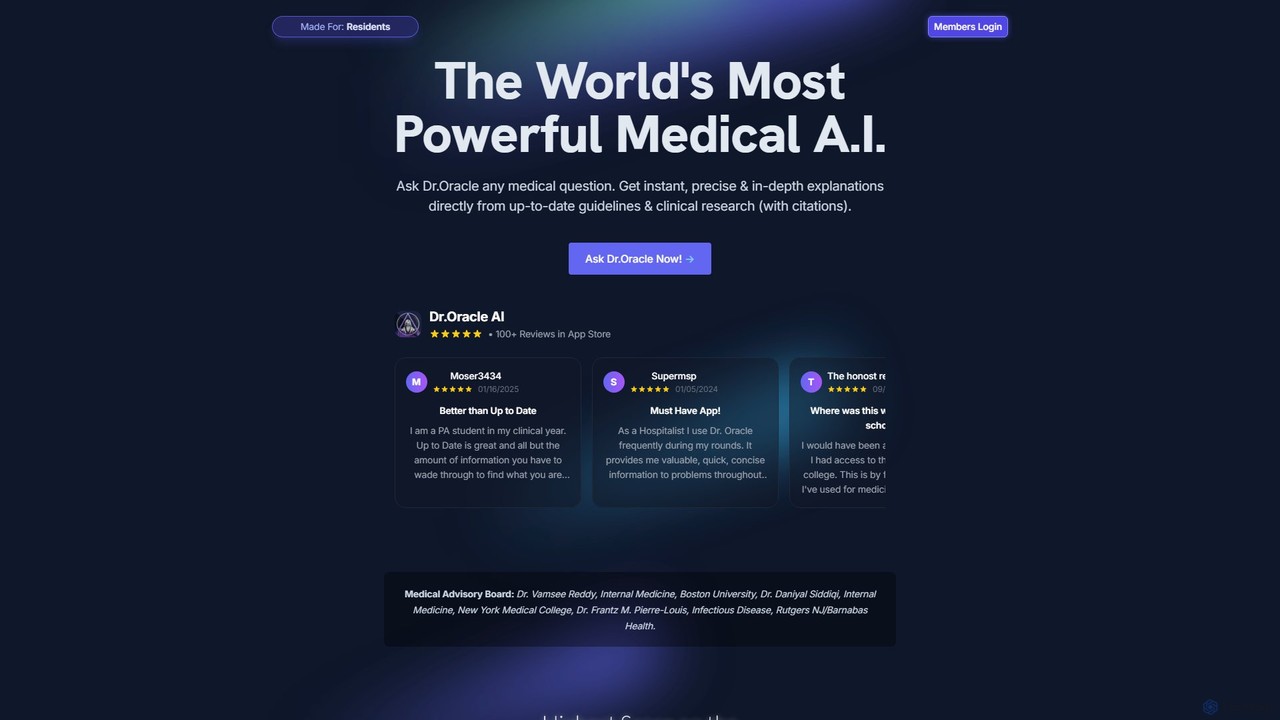
droracle
Dr.Oracle is an advanced medical AI platform designed for healthcare professionals. It provides instant, evidence-based answers to complex …
Dr.Oracle is an advanced medical AI platform designed for healthcare professionals. It provides instant, evidence-based answers to complex medical questions, drawing from up-to-date clinical guidelines and research. It helps clinicians double-check decisions, reduce errors, and stay current with medical literature.
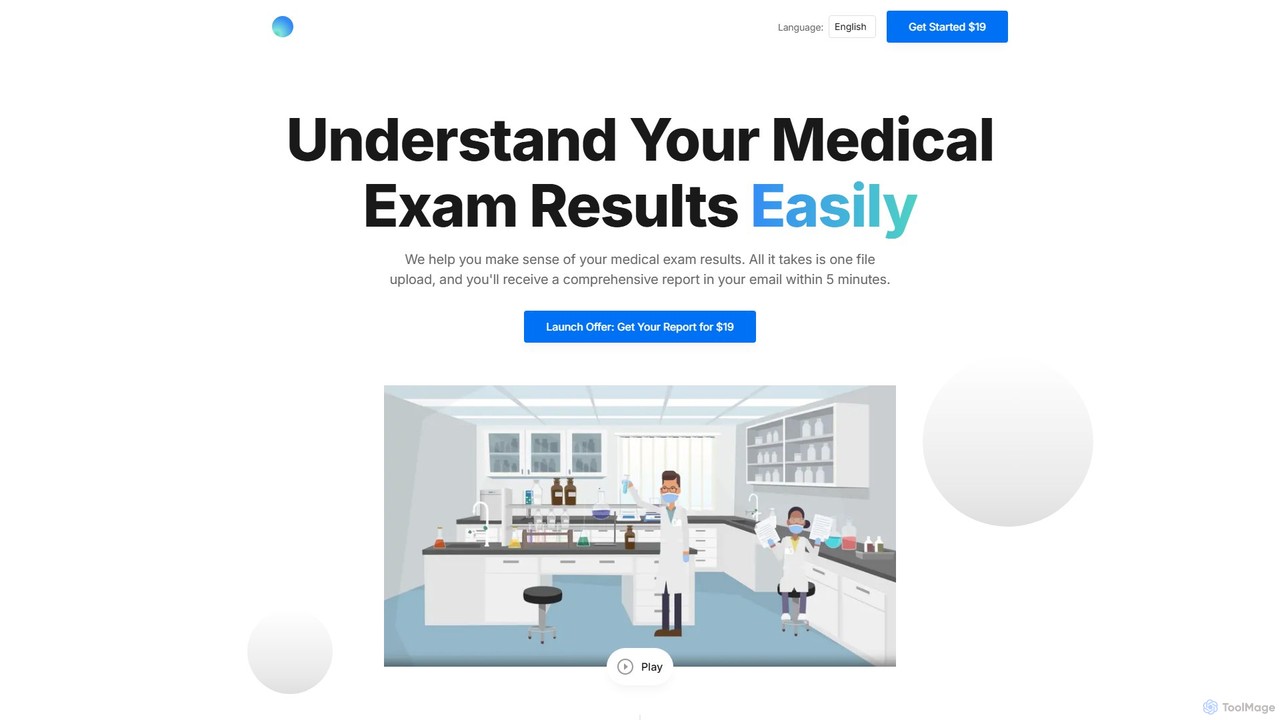
Medlabreport.com
Medlabreport.com is an AI-powered tool that transforms complex medical lab results into easy-to-understand reports. Simply upload your file—such …
Medlabreport.com is an AI-powered tool that transforms complex medical lab results into easy-to-understand reports. Simply upload your file—such as a blood test, biopsy, or urine test—and receive a personalized, detailed analysis in your email within 5 minutes. It helps you understand your health data, prepare for doctor appointments, and gain a quick second opinion.
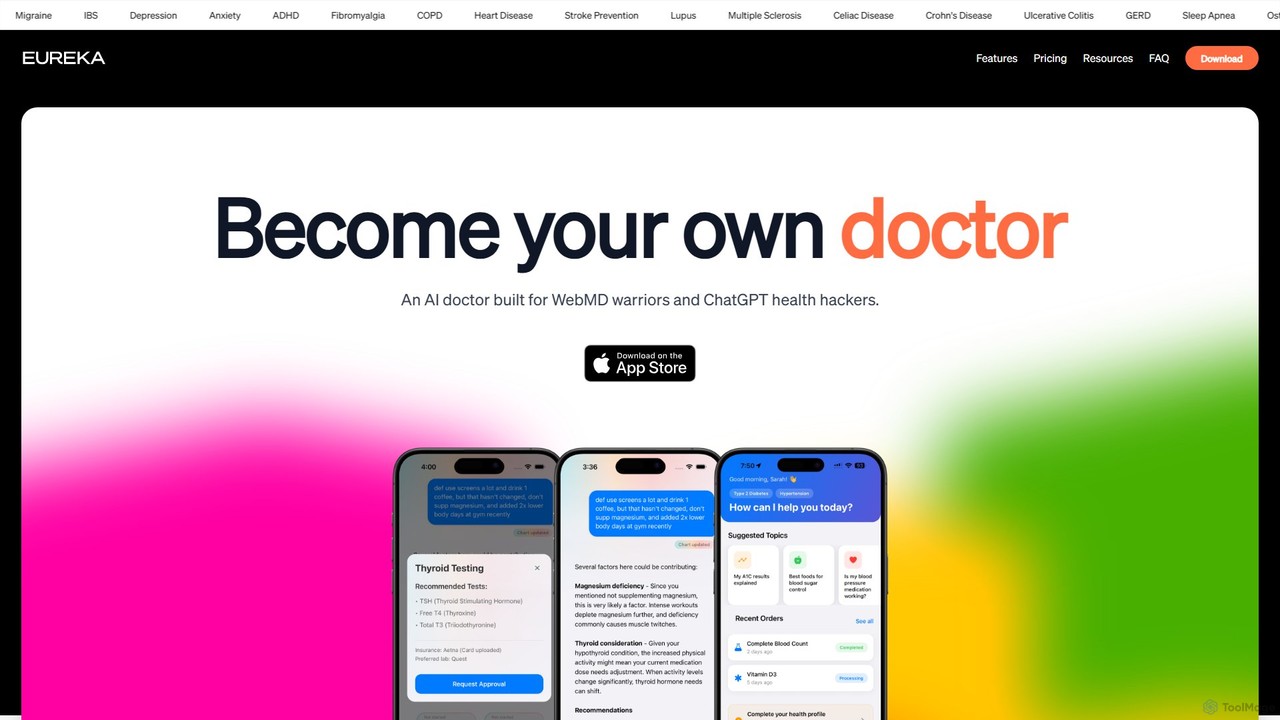
eurekahealth
Eureka Health is an AI-powered doctor that provides personalized medical advice, diagnoses conditions through intelligent chat, and connects …
Eureka Health is an AI-powered doctor that provides personalized medical advice, diagnoses conditions through intelligent chat, and connects you to real-world care. It can order lab tests, send prescriptions for physician review, and create a persistent, learning health profile to help you proactively manage your well-being.
About Medical
Medical AI tools are advanced artificial intelligence applications specifically designed to assist and enhance various aspects of healthcare, from diagnosis and treatment to research and administration. Leveraging machine learning, natural language processing, and computer vision, these tools analyze vast amounts of medical data to provide insights, automate tasks, and support clinical decision-making. They play a crucial role in improving patient outcomes, accelerating medical discoveries, and optimizing healthcare operations within the broader health technology landscape.
Core Features
- Diagnostic Assistance: AI algorithms analyze medical images (X-rays, MRIs, CT scans) and patient data to detect anomalies and assist clinicians in early and accurate disease diagnosis.
- Drug Discovery & Development: AI accelerates the identification of potential drug candidates, predicts molecular interactions, and optimizes clinical trial design, significantly reducing R&D timelines.
- Personalized Treatment Plans: Based on individual patient genomics, medical history, and real-time data, AI generates tailored treatment recommendations for conditions like cancer or chronic diseases.
- Predictive Analytics: AI models forecast disease outbreaks, patient deterioration, or hospital readmission risks, enabling proactive interventions and resource allocation.
- Medical Record Analysis: Natural Language Processing (NLP) extracts structured information from unstructured clinical notes, facilitating research, billing, and administrative tasks.
Applicable Scenarios
Medical AI tools are indispensable in clinical settings, pharmaceutical research, and public health. They are used by radiologists for faster image interpretation, by oncologists for precision medicine, and by researchers to uncover new therapeutic targets. Hospitals deploy them for operational efficiency and patient risk management, while pharmaceutical companies leverage them for accelerated drug development and clinical trial optimization.
How to Choose
Selecting a Medical AI tool requires careful consideration of several factors. Prioritize solutions with proven accuracy and validation through clinical trials. Ensure strict compliance with healthcare regulations (e.g., HIPAA, GDPR) and robust data security measures. Evaluate integration capabilities with existing Electronic Health Record (EHR) systems and the tool's explainability, allowing clinicians to understand AI-driven recommendations. Finally, assess the vendor's expertise, support, and scalability to meet evolving healthcare needs.
MedicalUse Cases
AI-Assisted Medical Image Diagnosis
Radiologists utilize AI tools to analyze complex medical images such as X-rays, MRIs, and CT scans. The AI can highlight subtle anomalies, identify potential tumors, or detect early signs of diseases like pneumonia or diabetic retinopathy, significantly reducing diagnostic time and improving accuracy by providing a second, objective opinion.
Accelerating Pharmaceutical Drug Discovery
Pharmaceutical researchers employ AI platforms to sift through vast chemical databases, predict molecular properties, and simulate drug-target interactions. This capability allows for rapid identification of promising drug candidates, optimization of compound structures, and a more efficient preclinical development phase, drastically cutting down the time and cost of bringing new medicines to market.
Generating Personalized Cancer Treatment Plans
Oncologists leverage AI to create highly personalized treatment strategies for cancer patients. By analyzing a patient's unique genomic profile, tumor characteristics, medical history, and response to previous therapies, AI can recommend optimal drug combinations, radiation dosages, or surgical approaches, leading to more effective and less toxic treatments.
Enhancing Clinical Decision Support for Doctors
Physicians use AI-powered clinical decision support systems to access up-to-date medical knowledge and patient-specific insights at the point of care. These tools can cross-reference symptoms, lab results, and patient history with extensive medical literature, suggesting differential diagnoses, appropriate tests, and evidence-based treatment guidelines, thereby improving diagnostic precision and reducing medical errors.
Predictive Analytics for Patient Risk Management
Hospital administrators and care teams deploy AI models to predict patient outcomes, such as the likelihood of readmission, sepsis development, or adverse events. By continuously monitoring real-time patient data, AI can alert staff to high-risk individuals, enabling proactive interventions, optimizing resource allocation, and ultimately improving patient safety and hospital efficiency.
Automating Medical Record Data Extraction
Healthcare providers and researchers use AI with Natural Language Processing (NLP) to automatically extract structured data from unstructured clinical notes, discharge summaries, and pathology reports. This automation streamlines tasks like coding for billing, populating research databases, and identifying patient cohorts for clinical studies, saving countless hours of manual data entry and improving data quality.