
Synic AI
Synic AI is a premier medical AI platform designed for clinicians, offering real-time AI assistance, comprehensive clinical documentation, …
Synic AI is a premier medical AI platform designed for clinicians, offering real-time AI assistance, comprehensive clinical documentation, and intelligent medical coding. It streamlines healthcare workflows, enhances patient care, and ensures HIPAA compliance.
Vrain
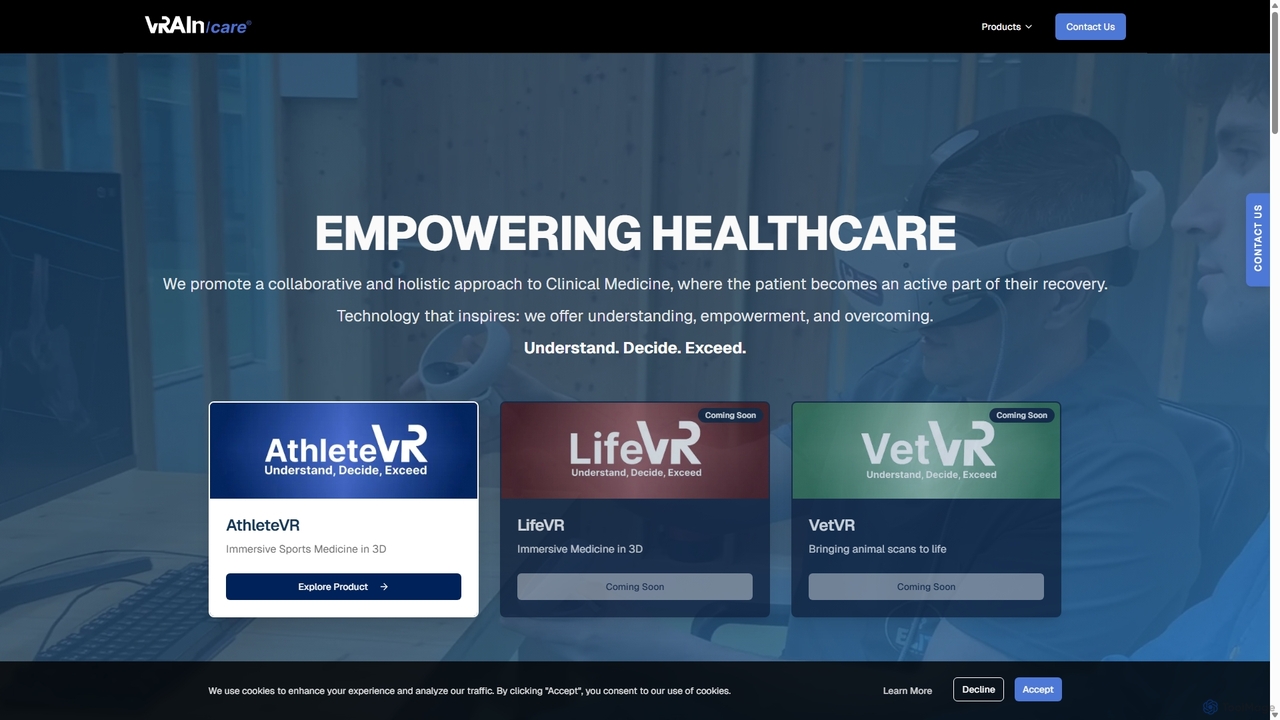
Vrain is an AI-powered bioimaging platform that uses VR, AR, and XR to transform 2D medical scans into …
Vrain is an AI-powered bioimaging platform that uses VR, AR, and XR to transform 2D medical scans into immersive 3D models. It enhances diagnosis, surgical planning, and medical training for professionals in oncology, neurology, and cardiology, aiming to improve patient outcomes through faster, more accurate insights.
MD.ai
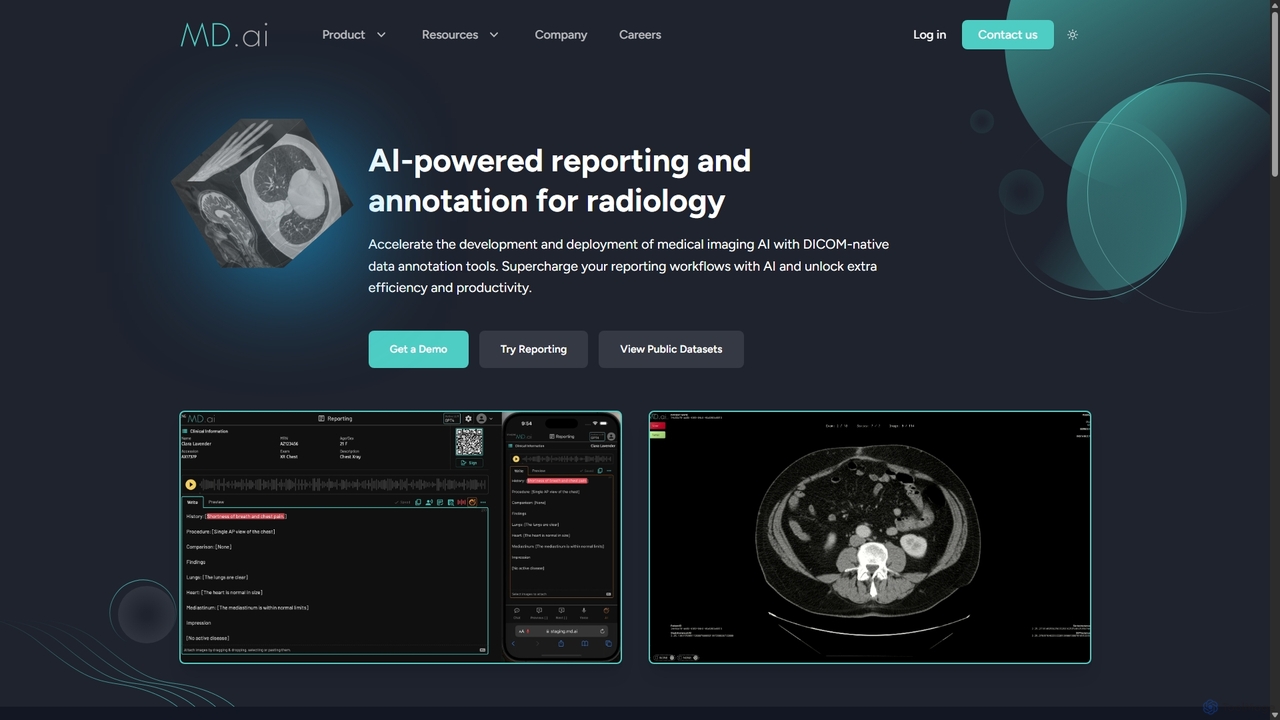
MD.ai is a comprehensive AI platform for radiology, offering DICOM-native data annotation tools to build and validate medical …
MD.ai is a comprehensive AI platform for radiology, offering DICOM-native data annotation tools to build and validate medical imaging AI models, and an LLM-powered reporting system to supercharge clinical workflows for radiologists, ensuring efficiency, accuracy, and compliance.
Jiva.ai
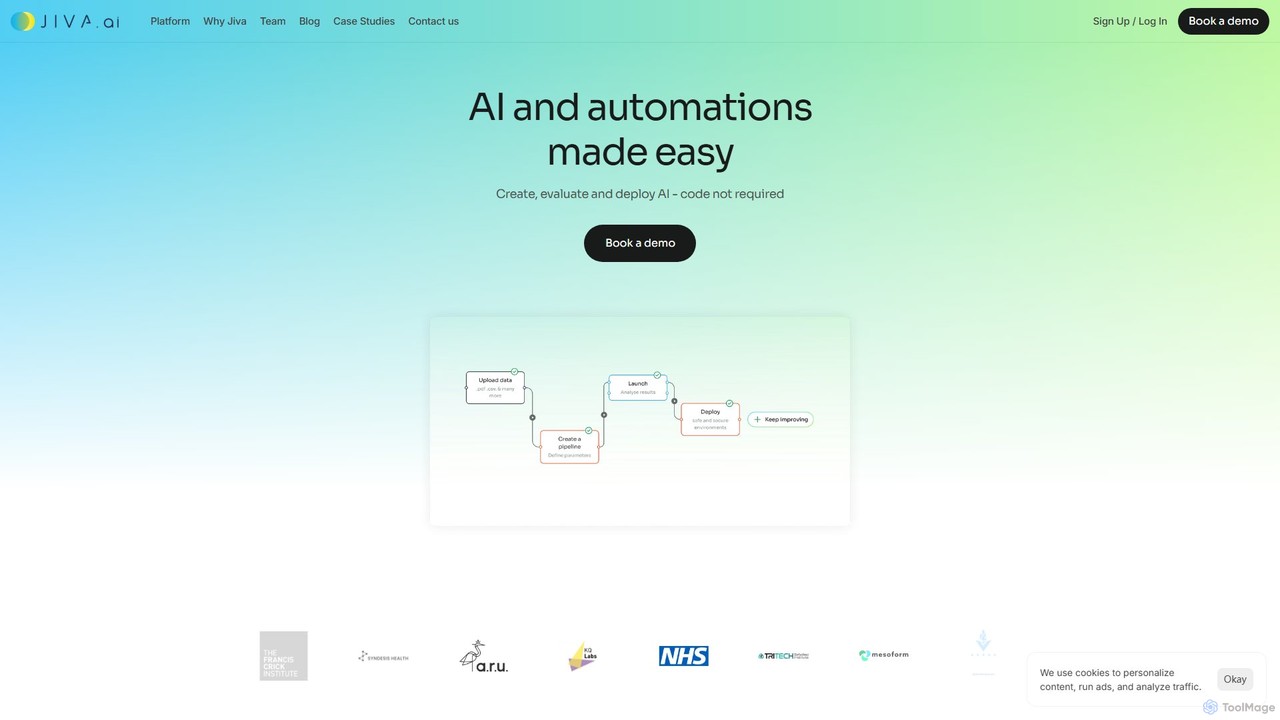
Jiva.ai is a zero-code, end-to-end platform for rapid multimodal AI development. It empowers organizations to build, train, and …
Jiva.ai is a zero-code, end-to-end platform for rapid multimodal AI development. It empowers organizations to build, train, and deploy complex AI models using imaging, video, text, audio, and structured data, without needing extensive data science expertise.
Sinkove
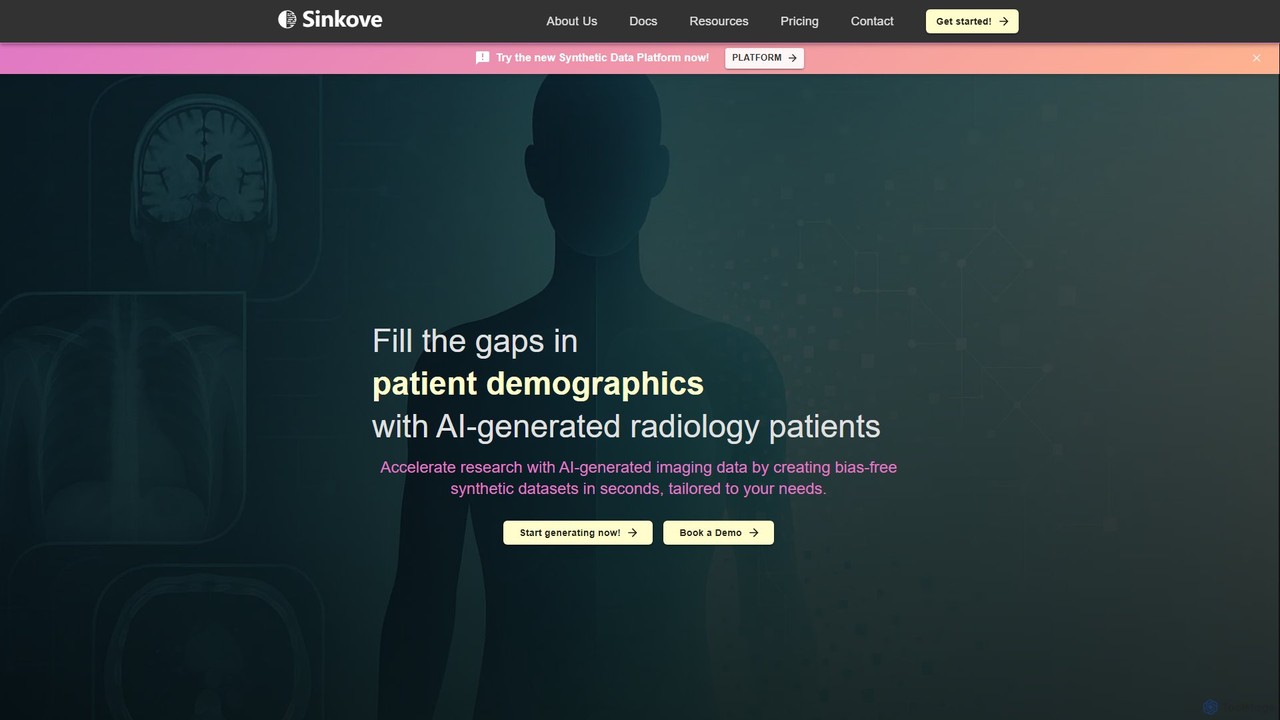
Sinkove is an AI platform that generates high-quality, synthetic radiology data. It helps medical researchers and clinicians accelerate …
Sinkove is an AI platform that generates high-quality, synthetic radiology data. It helps medical researchers and clinicians accelerate research, eliminate data bias, and reduce costs by creating customized, diverse, and regulatory-grade imaging datasets in seconds.
RapidAI
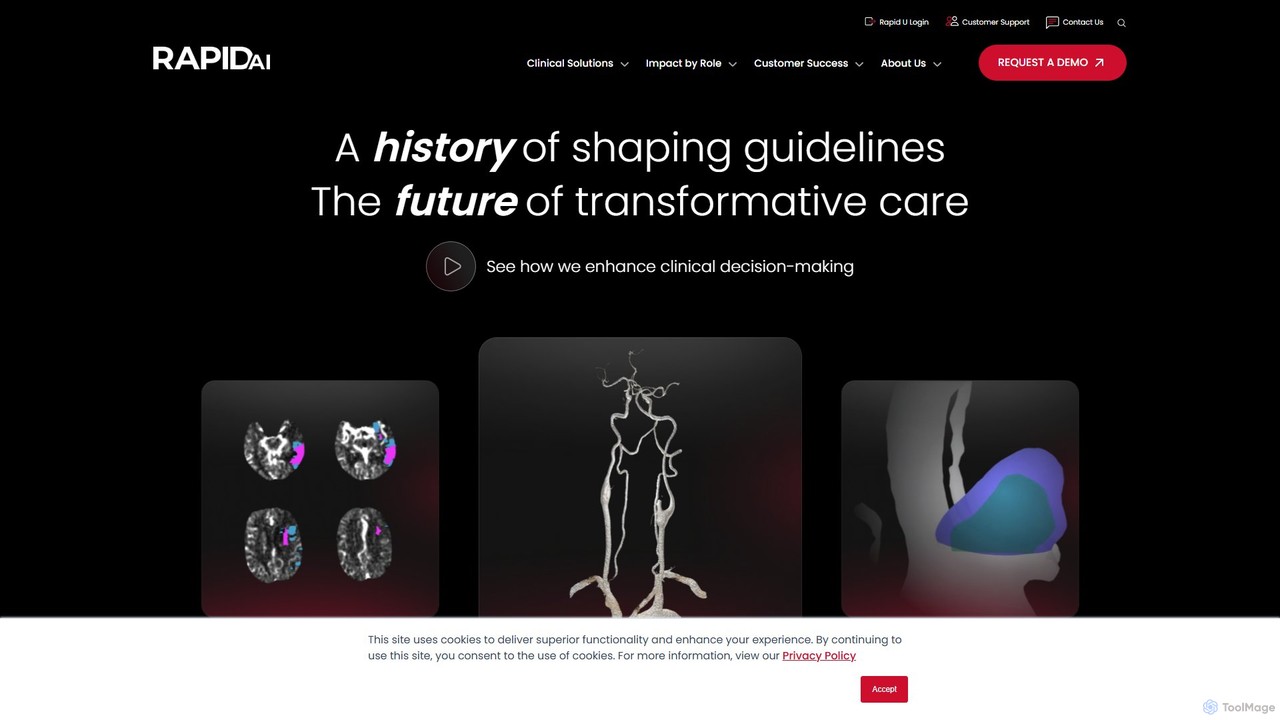
RapidAI is a leading clinical AI platform that enhances medical imaging analysis for life-threatening conditions like stroke and …
RapidAI is a leading clinical AI platform that enhances medical imaging analysis for life-threatening conditions like stroke and aneurysm. It provides healthcare professionals with real-time, actionable insights to accelerate diagnosis, inform treatment decisions, and improve patient outcomes. The platform is backed by extensive clinical validation and multiple FDA clearances.
edenmed
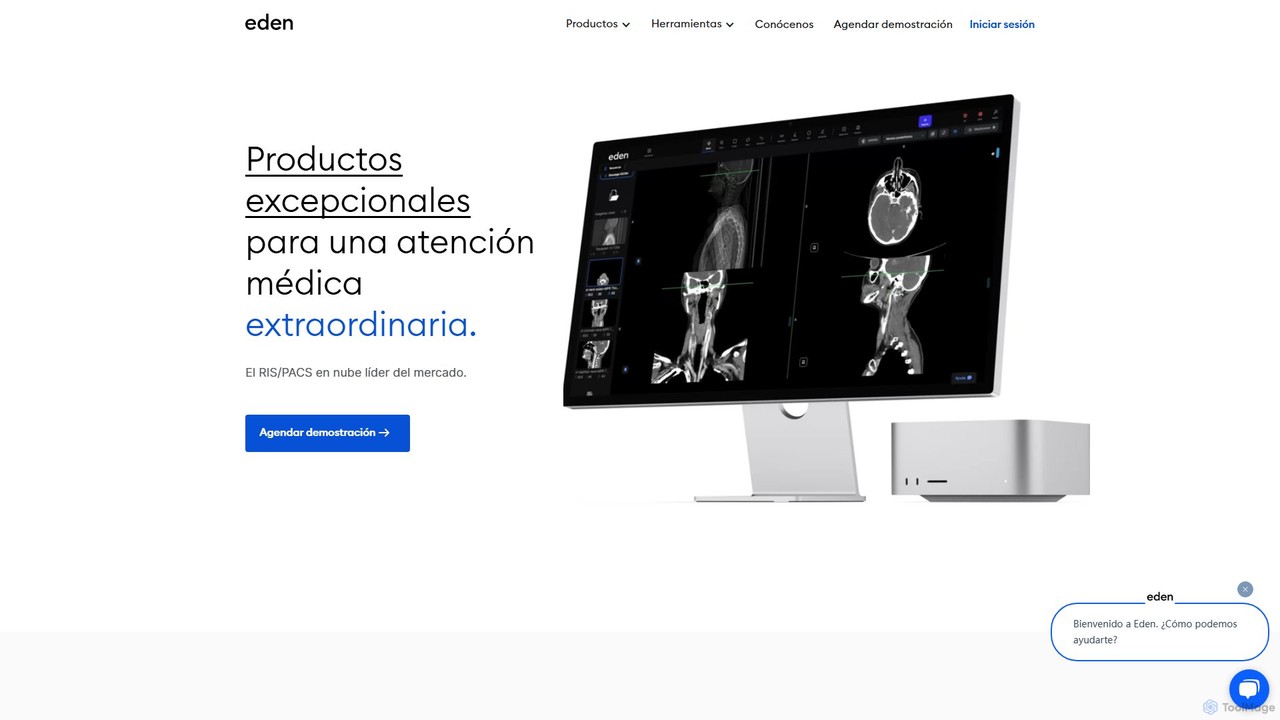
edenmed is an AI-powered, cloud-native healthcare platform designed for medical institutions. It offers an integrated suite of tools …
edenmed is an AI-powered, cloud-native healthcare platform designed for medical institutions. It offers an integrated suite of tools including an ultra-fast PACS for medical imaging, an AI diagnostic assistant, a comprehensive management system (RIS), and business intelligence analytics to streamline operations, enhance diagnostic accuracy, and improve the patient experience.
Azyri
Azyri is an AI-powered medical assistant designed for healthcare professionals, students, and researchers. It functions as a copilot, …
Azyri is an AI-powered medical assistant designed for healthcare professionals, students, and researchers. It functions as a copilot, offering advanced analysis of medical images, such as fracture detection and pediatric bone age assessment, to enhance diagnostic accuracy and efficiency. Accessible via a web platform and API, Azyri aims to make high-quality healthcare technology affordable and universally available.

RSIP Vision
RSIP Vision is a world-class leader in providing custom AI and computer vision R&D solutions for medical imaging. …
RSIP Vision is a world-class leader in providing custom AI and computer vision R&D solutions for medical imaging. With over 25 years of experience, they partner with medical device companies to develop innovative, clinically-proven software for diagnostics, surgical guidance, and image analysis across various medical fields.
MONAI
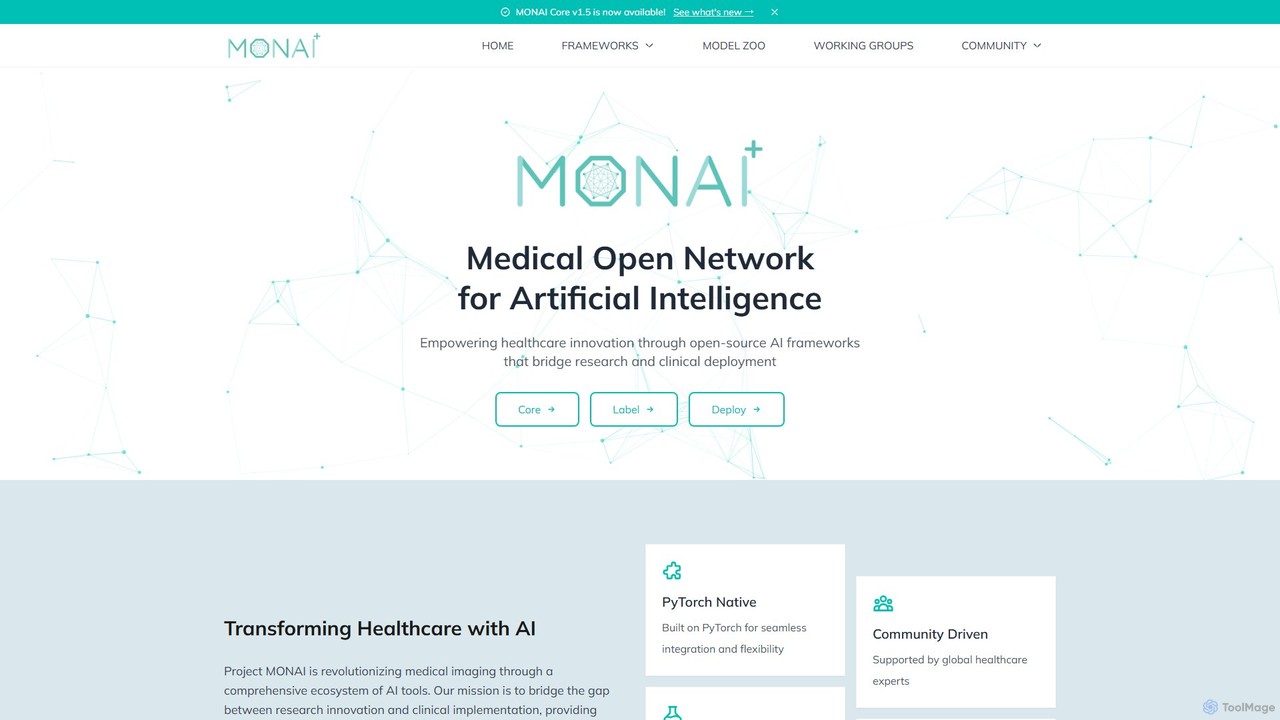
MONAI (Medical Open Network for AI) is a free, open-source, PyTorch-based framework designed to accelerate AI in healthcare. …
MONAI (Medical Open Network for AI) is a free, open-source, PyTorch-based framework designed to accelerate AI in healthcare. It provides a comprehensive ecosystem of tools for researchers and clinicians, covering the entire AI lifecycle from data annotation and model training (MONAI Core, MONAI Label) to clinical deployment (MONAI Deploy), bridging the gap between research and real-world application.
Rayscape
An AI-powered radiology platform designed to assist medical professionals in analyzing chest X-rays (CXR) and lung CT scans. …
An AI-powered radiology platform designed to assist medical professionals in analyzing chest X-rays (CXR) and lung CT scans. It enhances diagnostic accuracy and efficiency by automatically detecting up to 148 pathologies, including lung nodules and tuberculosis, and seamlessly integrating into existing clinical workflows.
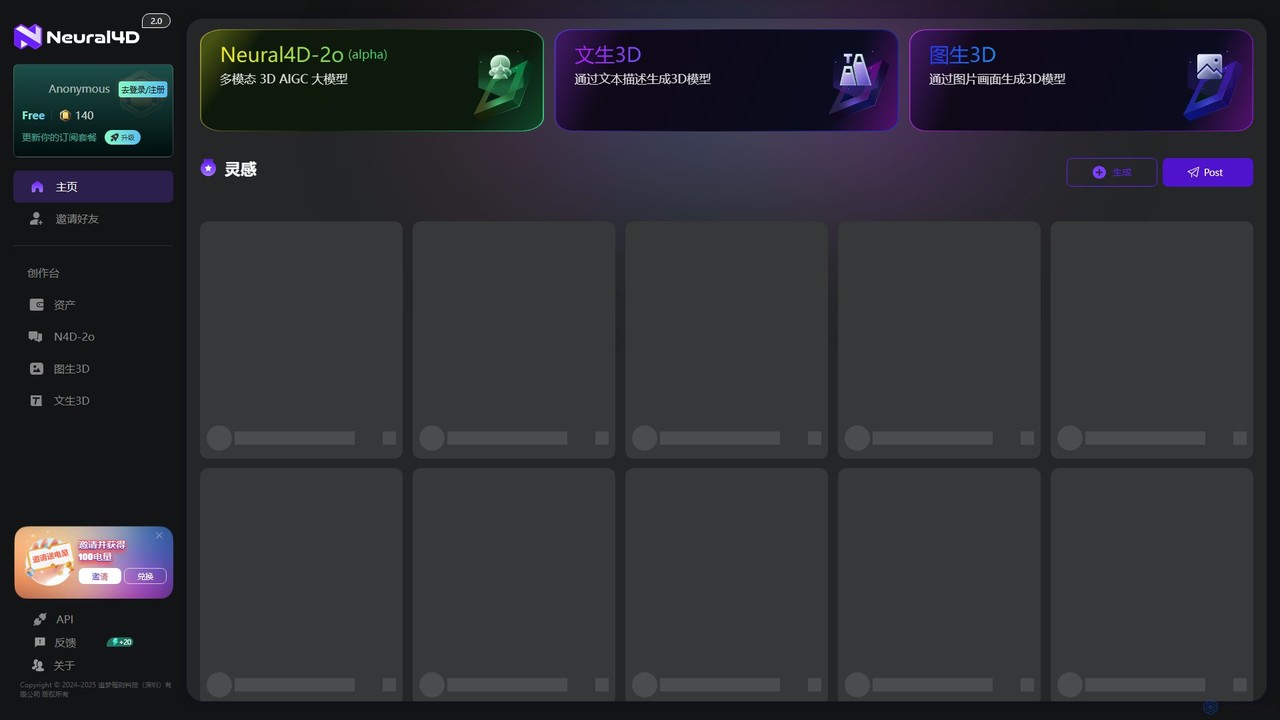
Neural4D
Neural4D is an advanced AI platform for 4D medical imaging analysis. It leverages deep learning to process spatio-temporal …
Neural4D is an advanced AI platform for 4D medical imaging analysis. It leverages deep learning to process spatio-temporal data from dynamic CT, MRI, and PET scans, enabling faster diagnostics, precise tumor tracking, and quantitative analysis of physiological functions for healthcare professionals and researchers.

Lunit
Lunit is a medical AI company dedicated to conquering cancer. It provides AI-powered solutions for cancer diagnostics and …
Lunit is a medical AI company dedicated to conquering cancer. It provides AI-powered solutions for cancer diagnostics and therapeutics, helping clinicians detect early-stage cancer with greater accuracy and predict patient response to treatment. Its products analyze medical images and tissue data to improve clinical outcomes.
About Medical Imaging
Medical Imaging AI tools are specialized solutions that leverage artificial intelligence to analyze, process, and enhance medical images. These tools utilize advanced algorithms, including deep learning, to assist in the interpretation of X-rays, MRIs, CT scans, and ultrasounds. Their primary value lies in improving diagnostic accuracy, accelerating image analysis workflows, and supporting clinical decision-making. They offer enhanced precision and efficiency in detecting anomalies and quantifying disease progression within the broader healthcare domain.
Core Features
- Automated Anomaly Detection: Identifies potential abnormalities like tumors, lesions, or fractures in medical scans with high accuracy.
- Image Segmentation: Precisely delineates organs, tissues, and pathologies within complex images for quantitative analysis and treatment planning.
- Quantitative Analysis: Measures volumes, densities, and other metrics from images, aiding in disease staging and treatment response assessment.
- Workflow Optimization: Automates routine tasks such as image sorting, prioritization, and reporting, reducing radiologist workload.
- Image Enhancement: Improves image quality, reduces noise, and reconstructs clearer views from raw scan data.
Use Cases
These tools are crucial for radiologists, oncologists, and neurologists in hospitals and diagnostic centers. They are used for early disease detection, precise surgical planning, and monitoring patient response to therapy. For instance, AI can quickly flag suspicious areas in mammograms for further review, or segment brain tumors for radiation therapy planning.
How to Choose
When selecting Medical Imaging AI tools, consider the specific imaging modalities supported (e.g., MRI, CT, X-ray), the clinical applications (e.g., oncology, cardiology, neurology), and the level of regulatory approval (e.g., FDA, CE Mark). Evaluate integration capabilities with existing PACS/RIS systems, the accuracy and validation of AI models, and the vendor's commitment to data privacy and security.
Medical ImagingUse Cases
Early Detection of Lung Nodules
Radiologists use Medical Imaging AI to automatically screen CT scans for subtle lung nodules, improving the chances of early cancer diagnosis and reducing false negatives. The AI highlights suspicious areas, allowing radiologists to focus their attention and make more timely and accurate assessments, potentially saving lives through earlier intervention.
Automated Brain Tumor Segmentation
Neuro-oncologists employ Medical Imaging AI to precisely segment brain tumors from MRI scans, providing accurate volume measurements and aiding in radiation therapy planning and surgical guidance. This automation significantly reduces manual segmentation time, enhances consistency, and allows for more personalized and effective treatment strategies.
Diabetic Retinopathy Screening
Ophthalmologists leverage Medical Imaging AI systems to analyze retinal images for signs of diabetic retinopathy, enabling rapid, large-scale screening and timely intervention to prevent vision loss. The AI can quickly identify microaneurysms, hemorrhages, and exudates, facilitating early diagnosis and management for a high volume of patients.
Cardiac MRI Analysis for Heart Disease
Cardiologists utilize Medical Imaging AI to quantify cardiac function and morphology from MRI images, assessing ejection fraction, ventricular volumes, and myocardial scarring for heart disease diagnosis and prognosis. This provides objective, reproducible measurements that are critical for monitoring disease progression and evaluating treatment efficacy over time.
Fracture Detection in X-rays
Emergency room physicians and orthopedic specialists use Medical Imaging AI to quickly identify fractures in X-ray images, especially in complex cases or high-volume settings, reducing diagnostic delays. The AI acts as a second pair of eyes, improving the accuracy of initial reads and ensuring that critical injuries are not overlooked, leading to faster patient care.
Prostate Cancer Lesion Identification
Urologists and radiologists apply Medical Imaging AI to multi-parametric MRI scans to highlight suspicious prostate lesions, guiding targeted biopsies and improving diagnostic accuracy for prostate cancer. This technology helps differentiate between benign and malignant lesions, reducing unnecessary biopsies and enhancing the precision of cancer detection.