ToolMage
Sign in

Best 2 Interior Design AI tools for Home Improvement

Popular Interior Design AI tools in Home Improvement include Vibe and Renovate AI, helping you work more efficiently.

Vibe

Vibe

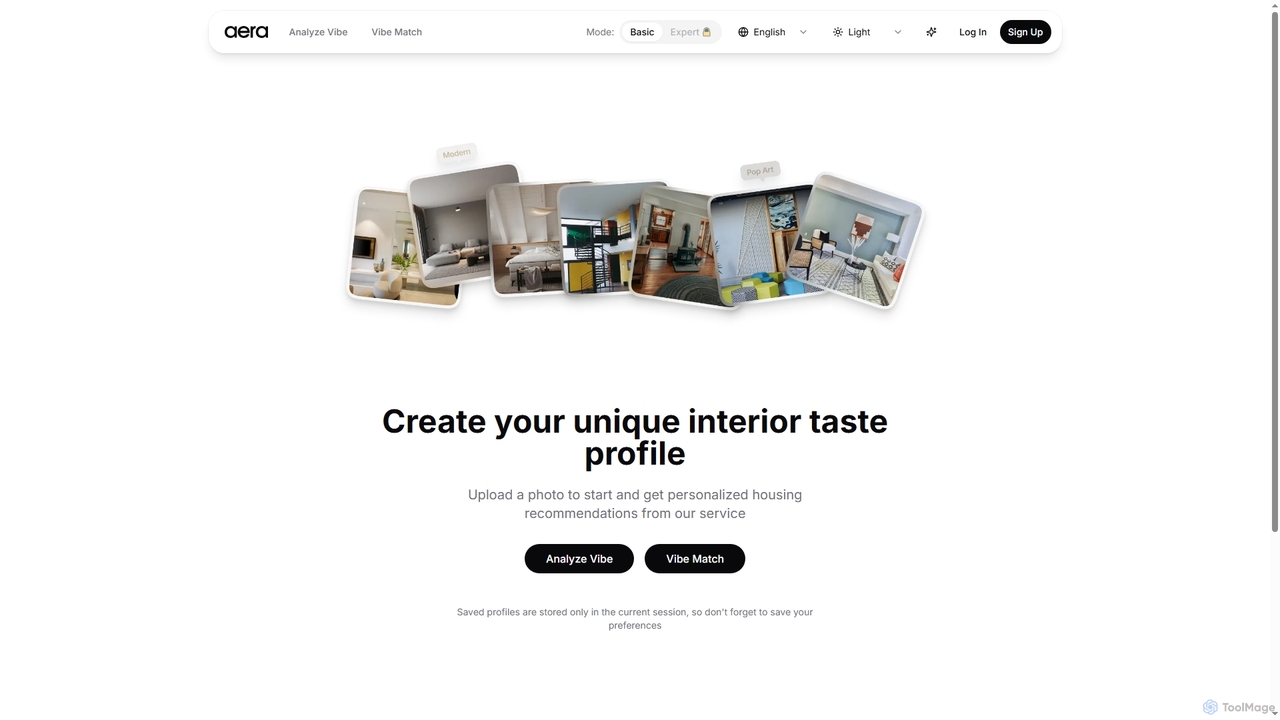
Vibe is an AI-powered tool that helps users create unique interior design taste profiles by analyzing uploaded photos or Pinterest boards. It provides personalized housing recommendations and property compatibility analysis, streamlining the process of finding homes that match individual aesthetic preferences.

Interior Design
Visits 5.5KFavorites 132Likes 141
Renovate AI
Freemium

Renovate AI

Renovate AI is an innovative AI-powered tool that instantly transforms interior and exterior spaces. Users can upload a photo, select a design style, and visualize stunning renovations, virtual staging, and design concepts in seconds, making home improvement and property visualization effortless.

Architectural Visualization
Visits 5.5KFavorites 107Likes 126

About Interior Design

Interior Design AI tools are a category of software leveraging artificial intelligence to assist in the planning, visualization, and optimization of interior spaces. These tools utilize generative AI, computer vision, and advanced rendering technologies to transform design concepts into realistic visual representations. They empower designers, homeowners, and real estate professionals to explore diverse styles, optimize layouts, and make informed decisions more efficiently. This innovation streamlines the design process, making professional-grade interior design more accessible and personalized within the broader Home Improvement context.

Core Features

  • AI-Powered Layout Generation: Automatically suggests optimal furniture arrangements and room layouts based on space dimensions and user preferences.
  • Style & Palette Recommendation: Analyzes user input or existing images to recommend cohesive design styles, color schemes, and material combinations.
  • 3D Visualization & Rendering: Creates high-fidelity 3D models and photorealistic renderings of proposed designs, allowing virtual walkthroughs.
  • Virtual Staging: Digitally furnishes and decorates empty rooms in photographs, ideal for real estate marketing.
  • Furniture & Decor Placement: Enables drag-and-drop placement of virtual furniture and decor items from extensive libraries, with smart snapping and collision detection.

Use Cases

Interior designers use these tools to rapidly iterate on client proposals, presenting multiple design options with photorealistic visuals. Homeowners can experiment with different decor styles and furniture layouts before making purchases, ensuring their vision comes to life. Real estate agents leverage virtual staging to enhance property listings, making empty spaces more appealing to potential buyers.

How to Choose

When selecting Interior Design AI tools, consider the breadth of their design library, the realism of their rendering capabilities, and the ease of their user interface. Evaluate integration options with existing CAD software or e-commerce platforms, and assess the level of customization offered for materials and finishes. Finally, compare pricing models and ensure the tool supports your specific project scale, from single-room makeovers to large-scale commercial designs.

Interior Design use cases

1

Rapidly Generate Multiple Design Concepts for Clients

Interior designers can input client preferences, room dimensions, and desired styles into an AI tool to instantly generate several unique design concepts. This allows them to present diverse options to clients during initial consultations, significantly reducing the time spent on manual drafting and ideation, and accelerating the client approval process for residential or commercial projects.

2

Visualize Furniture Placement and Room Layouts

Homeowners planning a renovation or redecoration can use AI interior design tools to virtually place furniture, change wall colors, and experiment with different layouts. By uploading photos of their existing space, they can see how new items or structural changes would look in real-time 3D, preventing costly mistakes and ensuring aesthetic coherence before making any physical changes.

3

Enhance Real Estate Listings with Virtual Staging

Real estate agents can transform empty or outdated property photos into appealing, virtually staged images using AI interior design tools. This process involves digitally adding stylish furniture, decor, and lighting, making properties more attractive to potential buyers online. Virtual staging helps buyers visualize the potential of a space, leading to faster sales and higher offers without the cost of physical staging.

4

Personalize Design Recommendations for E-commerce Customers

Online furniture and decor retailers can integrate AI interior design tools into their platforms to offer personalized recommendations to customers. Based on a customer's browsing history, style preferences, or uploaded room photos, the AI can suggest complementary products, create virtual room setups, and even generate mood boards, enhancing the shopping experience and increasing conversion rates by showing how products fit into a home.

5

Optimize Commercial Space Planning for Businesses

Businesses, such as restaurants, offices, or retail stores, can leverage AI interior design tools to optimize their commercial spaces for functionality, aesthetics, and customer flow. The AI can analyze foot traffic patterns, seating arrangements, or product display layouts to suggest improvements that enhance operational efficiency, customer experience, and ultimately, profitability, ensuring the space serves its business purpose effectively.

6

Generate Mood Boards and Style Guides for Projects

Design professionals and enthusiasts can use AI interior design tools to quickly generate comprehensive mood boards and style guides. By inputting keywords, image references, or desired aesthetics, the AI compiles visual collages of colors, textures, furniture, and decor elements. This helps in defining the overall look and feel of a project, ensuring consistency and providing a clear visual direction for clients or personal projects.

Interior Design FAQ

What are Interior Design AI tools?

Interior Design AI tools are software applications that use artificial intelligence to assist in various aspects of interior space planning and visualization. They typically feature generative AI for layout suggestions, 3D rendering for realistic visuals, and style recommendation engines. Common use cases include generating design concepts, virtual staging for real estate, and personalizing decor choices for homeowners, streamlining the entire design process.

How do Interior Design AI tools differ from traditional CAD software?

Interior Design AI tools differ from traditional CAD software primarily in their automation and generative capabilities. While CAD focuses on precise manual drafting and technical drawings, AI tools can automatically generate design concepts, suggest styles, and create photorealistic renderings with minimal input. AI tools prioritize ease of use and creative exploration, whereas CAD requires specialized skills for detailed technical execution, making AI more accessible for rapid prototyping and visualization.

Who can benefit most from using Interior Design AI tools?

A wide range of users can benefit from Interior Design AI tools. Professional interior designers can accelerate their workflow and client presentations. Homeowners planning renovations or redecorations gain confidence in their choices. Real estate agents can enhance property listings with virtual staging. Furniture retailers can offer personalized shopping experiences. Essentially, anyone involved in visualizing, planning, or marketing interior spaces can find significant value in these AI-powered solutions.

What are the key features to look for in Interior Design AI tools?

When choosing Interior Design AI tools, prioritize features like AI-powered layout generation for efficient space planning, high-fidelity 3D visualization and rendering for realistic previews, and robust style and palette recommendation engines. Also, look for virtual staging capabilities for real estate, extensive libraries of furniture and decor, and intuitive drag-and-drop interfaces. Integration with existing design software or e-commerce platforms can also be a significant advantage for seamless workflows.

Can Interior Design AI tools help with material and color selection?

Yes, many Interior Design AI tools are highly effective in assisting with material and color selection. They can analyze your existing space, desired aesthetic, or even a mood board to suggest complementary color palettes, textures, and material finishes. Some advanced tools can simulate how different materials and colors would appear under various lighting conditions, helping users make informed decisions that align with their overall design vision and functional requirements.