ToolMage
Sign in

Best 2 Energy AI tools for Industry Specific

Popular Energy AI tools in Industry Specific include Aurora Solar and Coperniq, helping you work more efficiently.

Aurora Solar
Paid

Aurora Solar

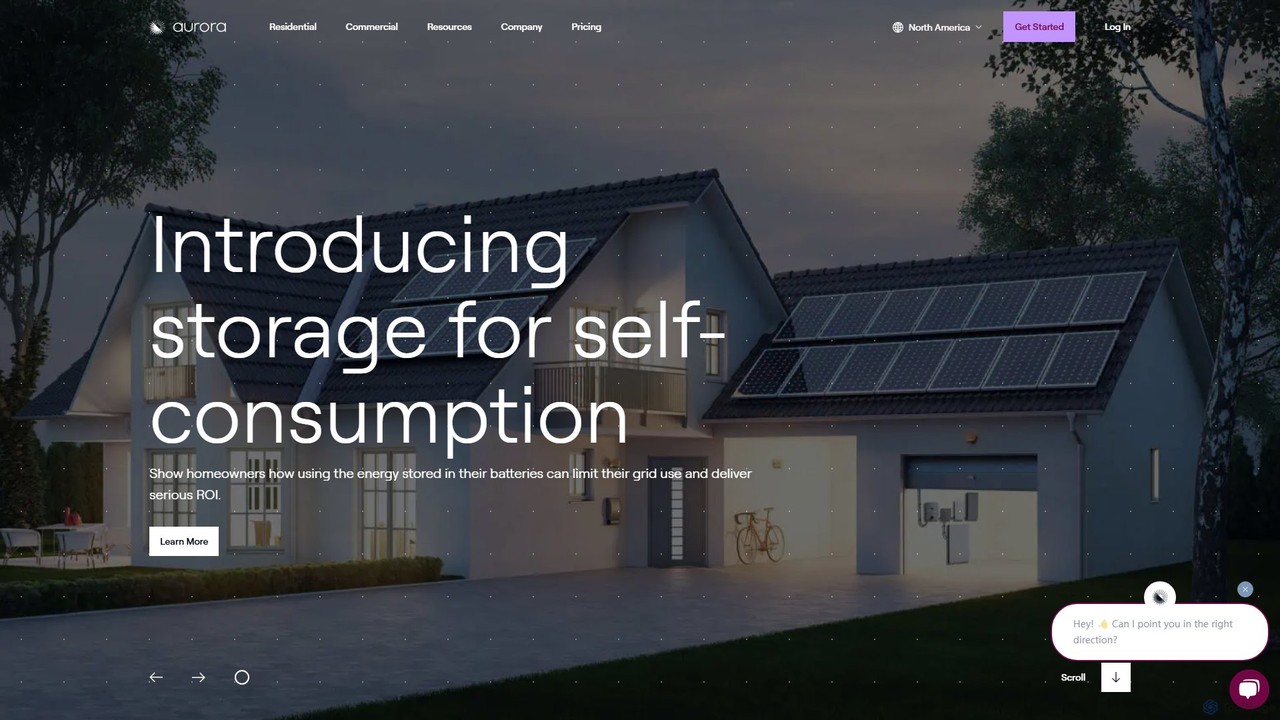
Aurora Solar is an all-in-one software platform for solar professionals, streamlining the entire project lifecycle from sales and design to delivery. Using AI-powered 3D modeling, LIDAR data, and precise shading analysis, it enables users to create accurate, permit-ready solar designs and compelling sales proposals in minutes, without site visits. This accelerates the sales process, reduces change orders, and improves operational efficiency for solar companies.

Sales
Visits 358.6KFavorites 127Likes 119
Coperniq
Paid

Coperniq

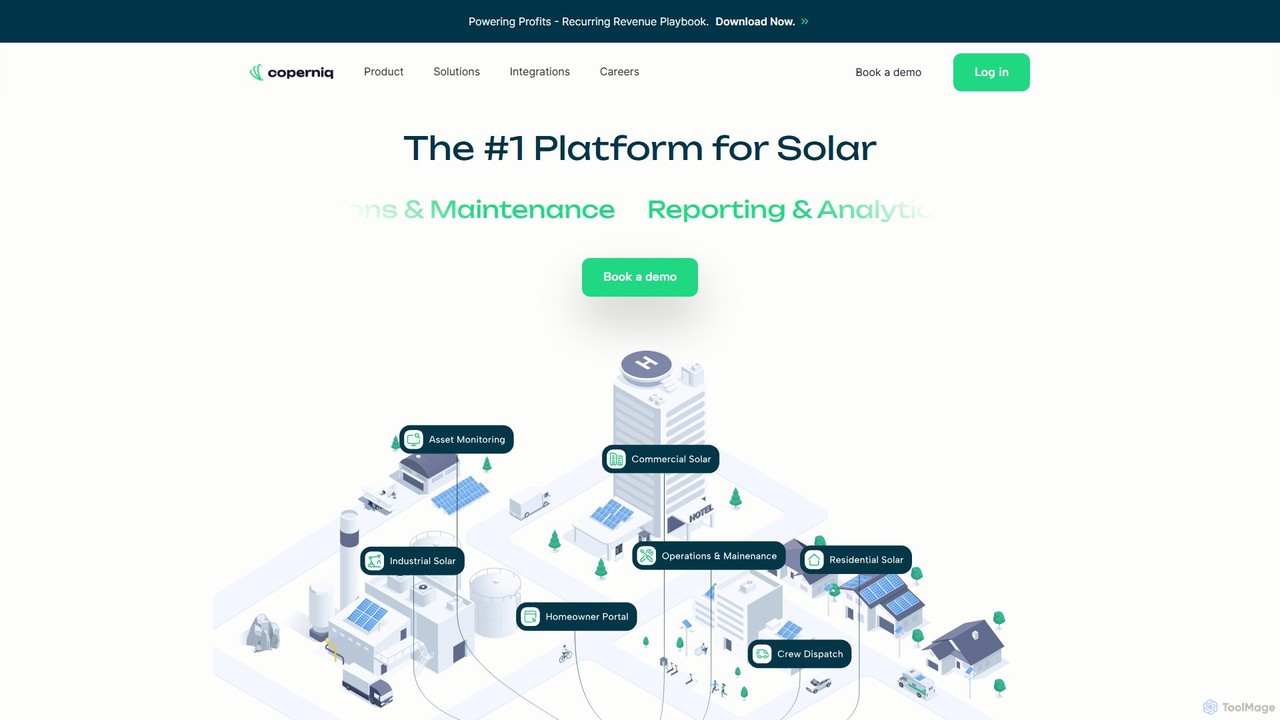
Coperniq is the #1 all-in-one platform for solar installers, providing a comprehensive suite of tools for project management, CRM, operations & maintenance (O&M), and automation. It's designed to streamline workflows, reduce costs, and increase profitability for residential and commercial solar businesses.

Crm
Visits 26.6KFavorites 124Likes 132

About Energy

Energy AI tools are a specialized category within Industry Specific AI, leveraging artificial intelligence to optimize the generation, distribution, and consumption of energy. These advanced solutions utilize machine learning, predictive analytics, and data processing to enhance operational efficiency, reduce costs, and promote sustainability across the entire energy value chain. They are crucial for modernizing grids, integrating renewables, and managing complex energy systems more effectively.

Core Features

  • Predictive Maintenance: Forecast equipment failures in power plants or grid infrastructure to prevent outages.
  • Demand Forecasting: Accurately predict energy consumption patterns for optimized supply management.
  • Renewable Energy Optimization: Maximize output from solar and wind farms by adapting to weather conditions.
  • Grid Management & Optimization: Enhance stability and efficiency of electricity grids through real-time data analysis.
  • Energy Trading & Risk Management: Analyze market data to inform trading strategies and mitigate financial risks.

Use Cases

Energy companies use these tools for smart grid management, optimizing power plant operations, and integrating intermittent renewable sources. They also assist in identifying energy waste in industrial facilities and forecasting market prices for trading.

How to Choose

When selecting Energy AI tools, consider the specific energy sector (e.g., oil & gas, renewables, utilities), the scale of operations, data integration capabilities with existing infrastructure, and the level of predictive accuracy required. Evaluate vendor expertise in energy-specific challenges and compliance with industry regulations.

Energy use cases

1

Optimizing Wind Farm Output

Wind farm operators use AI to analyze real-time weather data, turbine performance, and grid demand to adjust turbine angles and speeds. This maximizes electricity generation and minimizes wear, leading to a 10-15% increase in annual energy production and extended equipment lifespan.

2

Predictive Maintenance for Power Plants

Utility companies deploy AI to monitor sensor data from critical power generation equipment (turbines, generators). The AI identifies subtle anomalies and predicts potential failures weeks in advance, allowing for scheduled maintenance and preventing costly unplanned outages, saving millions in repair and downtime.

3

Smart Grid Load Balancing

Grid operators leverage AI to forecast electricity demand and supply fluctuations across a region. The AI dynamically reroutes power, balances loads, and integrates distributed energy resources (like rooftop solar) to maintain grid stability, prevent blackouts, and reduce transmission losses by up to 5%.

4

Energy Consumption Optimization in Buildings

Facility managers in commercial buildings use AI-powered systems to analyze occupancy, weather, and historical energy usage. The AI automatically adjusts HVAC, lighting, and other systems to maintain comfort while reducing energy consumption by 20-30%, lowering operational costs significantly.

5

Oil & Gas Well Production Optimization

Exploration and production companies apply AI to analyze geological data, drilling parameters, and production history from oil and gas wells. The AI identifies optimal drilling paths and production strategies, increasing extraction efficiency and extending well lifespan, boosting output by 5-10%.

6

Forecasting Energy Market Prices

Energy traders and analysts use AI to process vast amounts of data, including geopolitical events, weather forecasts, supply chain disruptions, and historical price trends. The AI generates highly accurate price predictions for electricity, oil, and gas, enabling more profitable trading decisions and risk management.

Energy FAQ

What are Energy AI tools?

Energy AI tools are advanced software solutions that apply artificial intelligence, such as machine learning and predictive analytics, to various aspects of the energy sector. They are designed to enhance efficiency, optimize operations, improve decision-making, and promote sustainability in areas like power generation, grid management, renewable energy integration, and consumption.

How do Energy AI tools improve grid stability?

Energy AI tools improve grid stability by providing real-time monitoring and predictive capabilities. They analyze vast amounts of data from sensors across the grid to forecast demand fluctuations, detect anomalies, and predict potential equipment failures. This allows operators to proactively balance loads, manage distributed energy resources, and prevent outages, ensuring a more reliable and resilient power supply.

What are the main benefits of using AI in renewable energy?

AI significantly benefits renewable energy by optimizing generation and integration. It forecasts solar and wind output based on weather patterns, enabling better grid integration. AI also optimizes the performance of renewable assets, predicts maintenance needs for turbines and solar panels, and helps manage energy storage systems, maximizing clean energy utilization and reducing waste.

Who uses Energy AI tools?

Energy AI tools are used by a wide range of stakeholders in the energy sector. This includes utility companies for grid management and power plant optimization, renewable energy developers for maximizing asset performance, oil and gas companies for exploration and production efficiency, industrial facilities for energy consumption management, and energy traders for market analysis and risk management.

How do Energy AI tools differ from general industrial AI solutions?

While general industrial AI solutions focus on broad operational efficiency across various industries, Energy AI tools are specifically tailored to the unique challenges and complexities of the energy sector. They incorporate specialized models for power generation, grid dynamics, renewable intermittency, and energy market volatility, addressing industry-specific regulations and infrastructure requirements that general solutions might overlook.