Best of the Year 3 results Information Management AI Tools

Popular AI tools in the Information Management field include Aistant、Heyscottie、WheelAir, etc., helping you quickly improve efficiency.

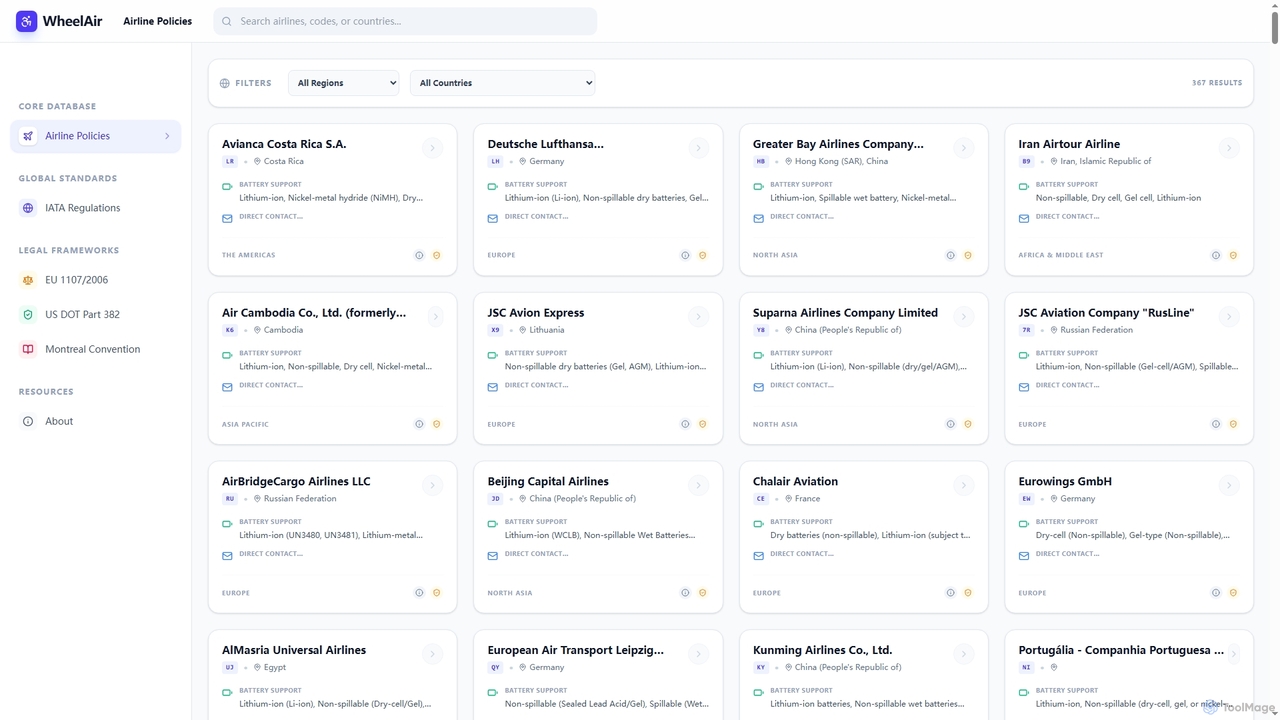
WheelAir

WheelAir

WheelAir is an AI-powered global database that centralizes and simplifies access to airline policies and regulations concerning wheelchair …

2.4K
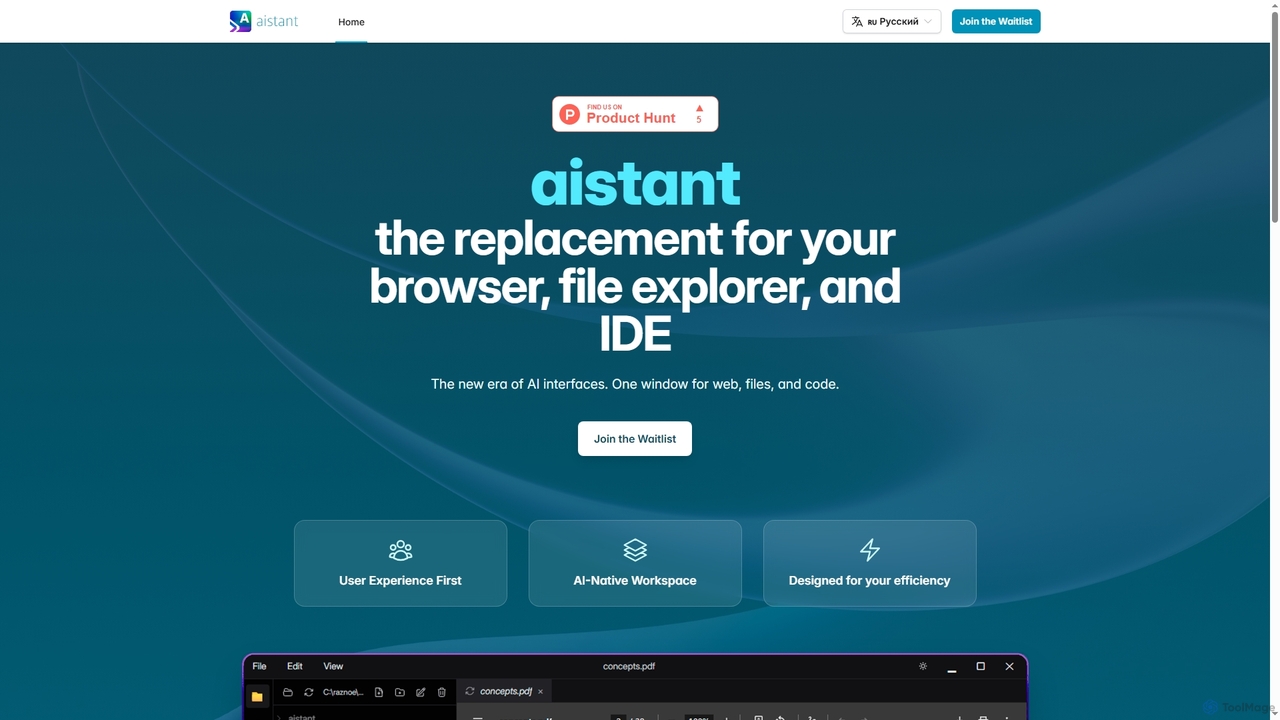
Aistant

Aistant

Aistant is an AI-native workspace designed to replace your browser, file explorer, and IDE with a single, unified …

2.7K
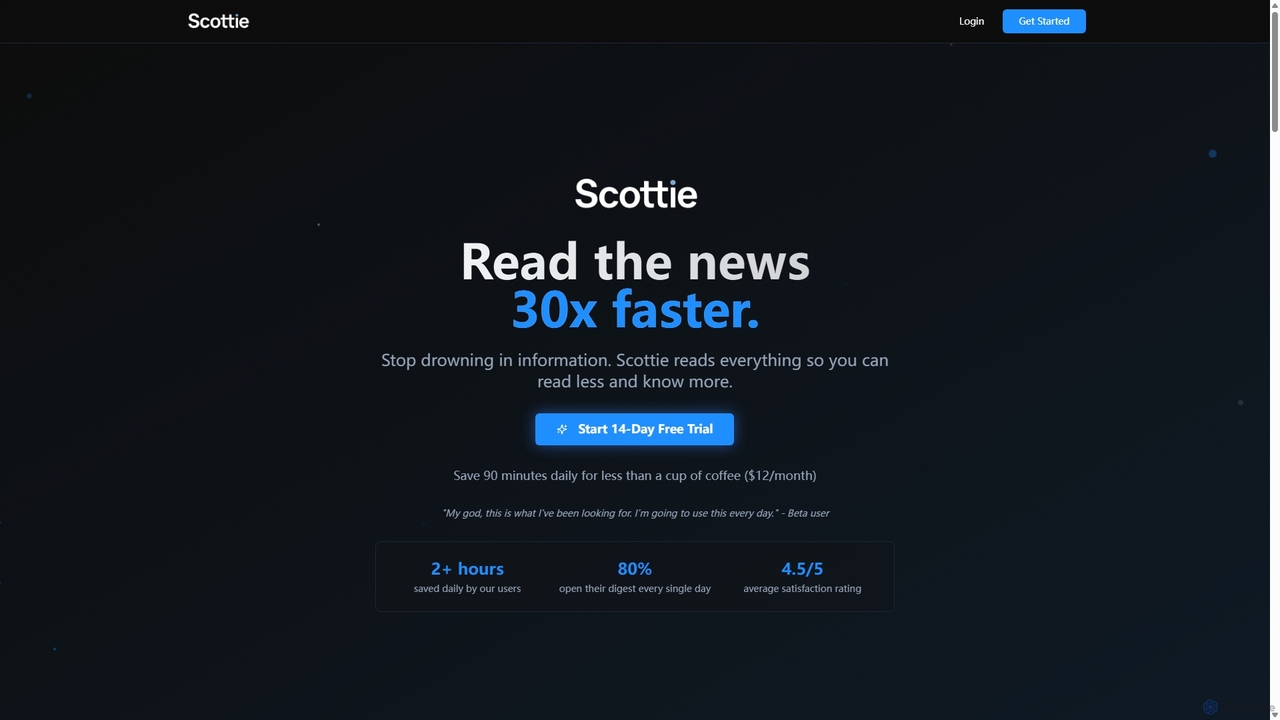
Heyscottie

Heyscottie

Heyscottie is an AI-powered service that transforms your cluttered newsletter inbox into a concise, 5-minute daily brief. It …

2.4K

About Information Management

Information Management tools are AI-powered solutions designed to efficiently organize, process, and leverage vast amounts of data and knowledge. These tools utilize artificial intelligence to automate tasks such as data classification, extraction, summarization, and intelligent search, transforming raw information into actionable insights. They enhance decision-making, streamline workflows, and improve accessibility to critical organizational knowledge, making complex data manageable and useful.

Core Features

  • Automated Data Classification: AI algorithms categorize unstructured and semi-structured data into predefined or learned schemas.
  • Intelligent Document Processing: Extract key information from documents, forms, and invoices using natural language processing and computer vision.
  • Knowledge Graph Creation: Build interconnected networks of entities and relationships to represent complex organizational knowledge.
  • Semantic Search & Retrieval: Understand user intent to deliver highly relevant information from large datasets, beyond keyword matching.
  • Content Summarization: Automatically generate concise summaries of long documents, articles, or reports.

Applicable Scenarios

Information Management tools are crucial for enterprises dealing with large volumes of data, such as legal firms managing case documents, financial institutions processing customer records, or research organizations organizing scientific literature. They are also valuable for content creators needing to manage research materials and for IT departments aiming to centralize and secure organizational knowledge bases.

How to Choose

When selecting an Information Management tool, consider its data ingestion capabilities for various formats, the accuracy of its AI models for classification and extraction, and its integration potential with existing enterprise systems. Evaluate the scalability to handle growing data volumes, the security features for sensitive information, and the user-friendliness of its interface for different team members. Also, assess the customization options to tailor it to specific industry or organizational needs.

Information ManagementUse Cases

1

Automating Legal Document Review

Legal professionals use AI-powered information management to quickly classify, extract key clauses, and summarize thousands of legal documents, significantly reducing manual review time for due diligence or litigation preparation.

2

Centralizing Enterprise Knowledge Base

Large corporations deploy these tools to aggregate internal documents, reports, and communications into a unified, searchable knowledge base, enabling employees to rapidly find relevant information and reduce redundant work.

3

Enhancing Customer Support with Intelligent FAQs

Customer service departments utilize AI to process vast amounts of customer queries and support articles, automatically generating and updating intelligent FAQs or providing agents with instant, accurate answers.

4

Streamlining Research Data Organization

Researchers and academics employ information management tools to classify, tag, and cross-reference scientific papers, experimental data, and literature reviews, making it easier to discover connections and synthesize new insights.

5

Optimizing Financial Document Processing

Financial institutions use AI to automatically extract critical data from invoices, contracts, and financial statements, accelerating reconciliation, auditing, and compliance checks while minimizing human error.

6

Personalized Content Curation for Marketing

Marketing teams leverage these tools to analyze vast amounts of web content, news, and social media data, identifying trends and curating highly relevant information for targeted content creation and campaign planning.

Information ManagementFrequently Asked Questions