MCPeasy
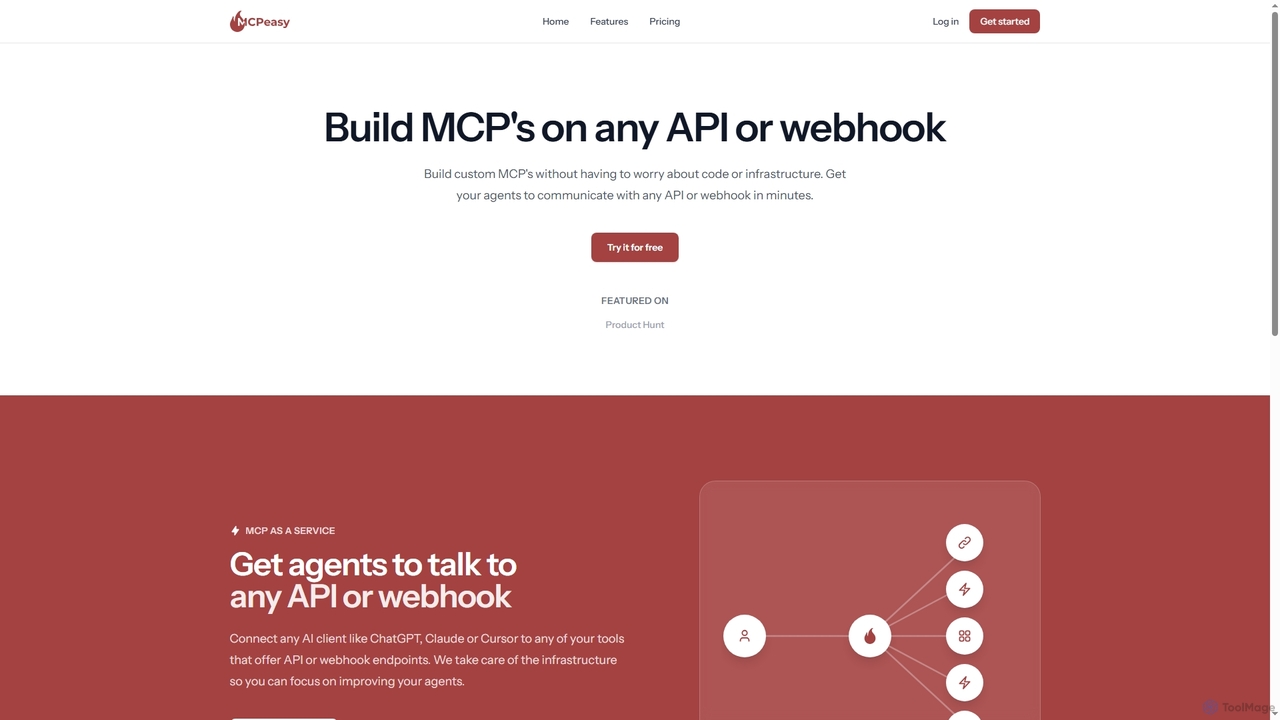
MCPeasy is a service that enables users to build custom AI agents, known as MCPs, without writing code …
MCPeasy is a service that enables users to build custom AI agents, known as MCPs, without writing code or managing infrastructure. It allows these agents to seamlessly communicate with any API or webhook, connecting popular AI clients like ChatGPT, Claude, or Cursor to various tools and services in minutes.
Metorial
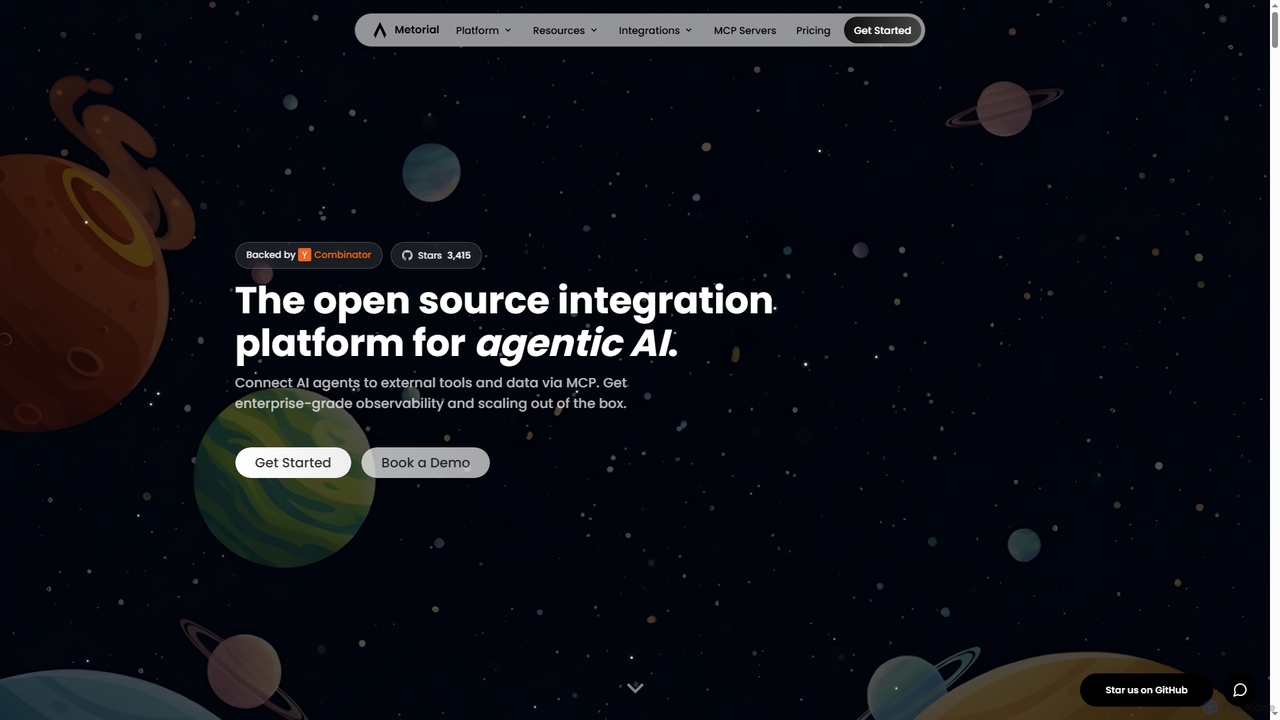
Metorial is an integration platform for AI agents, enabling developers to quickly build, deploy, and monitor powerful agentic …
Metorial is an integration platform for AI agents, enabling developers to quickly build, deploy, and monitor powerful agentic AI applications. It provides seamless connections to hundreds of tools, data sources, and APIs via its serverless Model Context Protocol (MCP) platform, offering robust SDKs, observability, and enterprise-grade security for scalable AI solutions.
About Api Management
API Management tools are specialized platforms designed to oversee the entire lifecycle of Application Programming Interfaces (APIs), from design and publication to security, monitoring, and versioning. These solutions provide a centralized system to manage how APIs are consumed and exposed, ensuring their reliability, performance, and secure access for developers and consumers. As a critical component within the broader Integration category, API Management facilitates seamless communication between diverse systems and applications, enabling organizations to build robust digital ecosystems and unlock new business opportunities.
Core Features
- API Gateway: Acts as a single entry point for all API calls, handling traffic routing, request/response transformation, and policy enforcement.
- Developer Portal: Offers a self-service platform for developers to discover, subscribe to, test, and access API documentation and SDKs.
- Lifecycle Management: Supports the entire API journey, including design, development, testing, deployment, versioning, and eventual deprecation.
- Security & Access Control: Implements robust authentication, authorization, threat protection, and data encryption to safeguard APIs from misuse.
- Analytics & Monitoring: Provides insights into API usage, performance metrics, error rates, and user behavior to optimize API strategies.
Use Cases
API Management platforms are essential for organizations looking to efficiently manage their digital assets. They are used by enterprises to expose internal microservices securely, by SaaS providers to monetize their data and functionalities, and by mobile app developers to ensure reliable backend connectivity. These tools streamline the process of integrating disparate systems, fostering innovation and accelerating digital transformation initiatives across various industries.
How to Choose
Selecting an API Management solution requires evaluating several key factors. Consider the platform's scalability to handle growing API traffic, its security features for protecting sensitive data, and its integration capabilities with existing IT infrastructure and development tools. Assess the quality of the developer portal for ease of use, the depth of analytics provided, and the flexibility of its pricing model to align with your business needs and future growth plans.

Api ManagementUse Cases
Securely Exposing Enterprise Data to External Partners
A large enterprise needs to share specific customer data with trusted third-party partners for joint marketing campaigns, but must ensure strict compliance and data security. An API Management platform allows the enterprise to create controlled APIs, apply granular access policies, enforce authentication, and monitor partner usage, ensuring data integrity and regulatory adherence while facilitating collaboration.
Managing Internal Microservices Communication
A software development team is building a complex application using a microservices architecture, where dozens of services need to communicate with each other. An API Management solution provides an internal API Gateway to route requests, apply rate limits, and centralize authentication for these services, simplifying inter-service communication, improving performance, and enhancing overall system resilience.
Monetizing Digital Services via Public APIs
A SaaS company offers a unique data processing service and wants to allow other developers to integrate it into their own applications, creating a new revenue stream. By leveraging API Management, the company can package its service as public APIs, set up tiered access plans, manage subscriptions through a developer portal, and track usage for billing, effectively turning its service into a product.
Ensuring High Performance and Reliability for Mobile Applications
A popular mobile application relies heavily on backend APIs for real-time data updates and user interactions. An API Management platform helps optimize API performance by caching responses, load balancing traffic, and providing detailed monitoring dashboards to quickly identify and resolve latency issues or errors, ensuring a smooth and responsive user experience even during peak usage.
Streamlining API Development and Versioning
A large organization with multiple development teams frequently updates and releases new versions of its APIs. An API Management system provides tools for consistent API design, automated testing, and seamless versioning, allowing developers to iterate quickly without breaking existing integrations. It ensures that consumers can easily migrate to newer API versions or continue using older ones as needed.
Implementing Robust API Security Policies
A financial institution processes sensitive transactions via APIs and requires stringent security measures to prevent fraud and unauthorized access. An API Management solution enables the institution to enforce advanced security policies such as OAuth 2.0, JWT validation, IP whitelisting, and threat detection. It provides a centralized control plane to protect all APIs from common vulnerabilities and cyber threats.