Best of the Year 3 results Internet Of Things AI Tools

Popular AI tools in the Internet Of Things field include Hailo、YiIotCloud、Estimote, etc., helping you quickly improve efficiency.

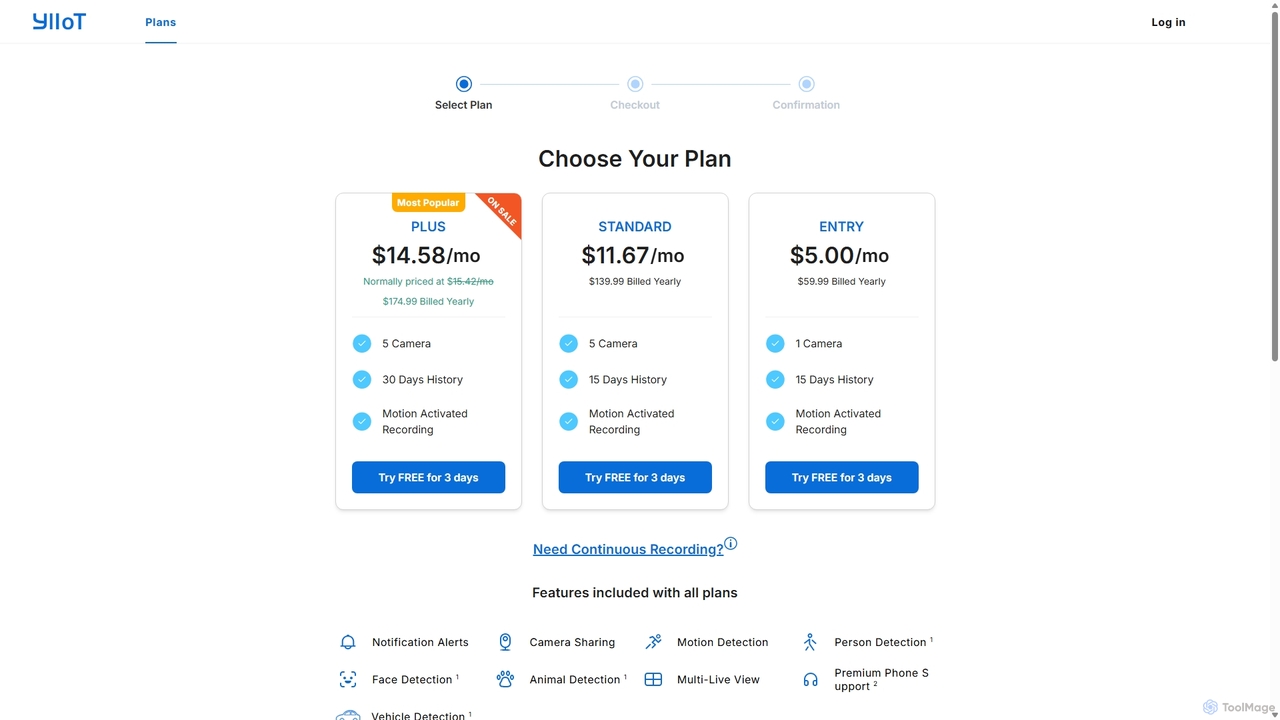
YiIotCloud

YiIotCloud

YiIotCloud is an intelligent cloud storage and management platform for YI and Kami security cameras. It enhances home …

29.5K
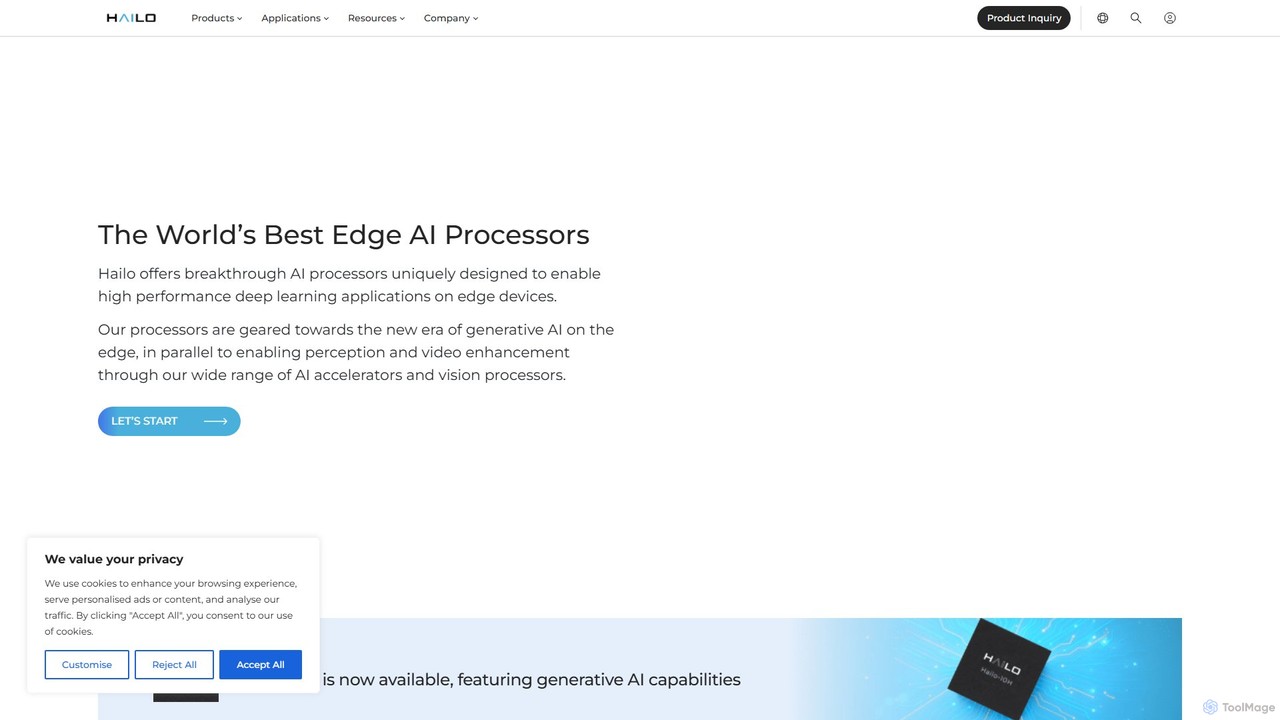
Hailo

Hailo

Hailo is a leading chipmaker of high-performance AI processors for edge devices. Their solutions, including the Hailo-8 and …

149.2K
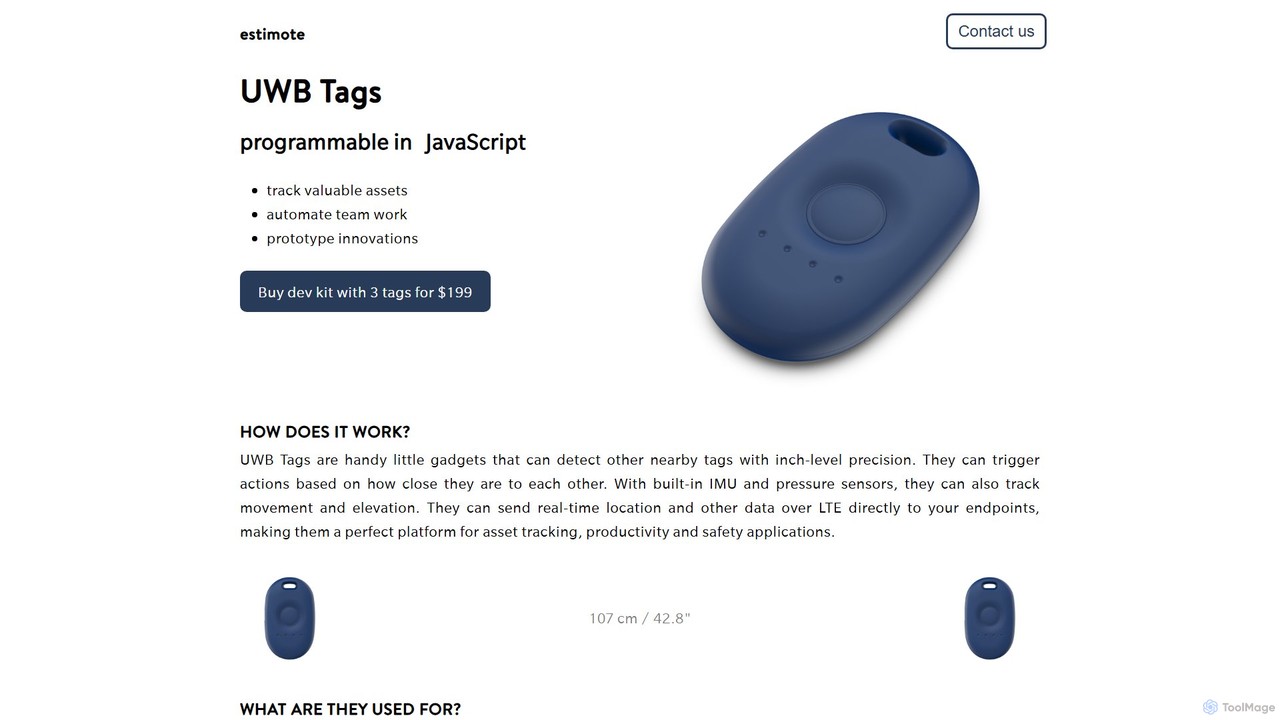
Estimote

Estimote

Estimote provides advanced UWB (Ultra-Wideband) tags for inch-level precision location tracking and IoT applications. These programmable devices, equipped …

10.3K

About Internet Of Things

Internet Of Things (IoT) tools are AI-powered solutions that enable the connection, data collection, and intelligent management of physical devices and sensors. These tools leverage artificial intelligence to process vast amounts of real-time data from connected objects, transforming raw information into actionable insights. They facilitate automation, predictive maintenance, and enhanced decision-making across various industries, creating smarter environments and more efficient operations. By integrating AI, IoT platforms can learn from data patterns, optimize performance, and respond autonomously to changing conditions, pushing the boundaries of smart technology.

Core Features

  • Device Management: Remotely monitor, control, and update connected IoT devices and gateways.
  • Data Ingestion & Processing: Collect, filter, and analyze real-time data streams from diverse sensors.
  • AI-driven Analytics: Apply machine learning models to identify patterns, predict anomalies, and generate insights.
  • Automation & Orchestration: Define rules and workflows for automated responses and device interactions.
  • Security & Privacy: Implement robust measures to protect IoT data and device integrity from threats.

Use Cases

IoT tools are widely adopted in smart cities for traffic management and environmental monitoring, in industrial settings for predictive maintenance of machinery, and in healthcare for remote patient monitoring. They also power smart homes, optimizing energy consumption and enhancing security, and enable precision agriculture through sensor-based crop management and resource optimization.

How to Choose

When selecting IoT tools, consider the scalability of the platform to accommodate future device growth, its integration capabilities with existing systems and cloud services, and the robustness of its security features. Evaluate the AI analytics capabilities for specific use cases, the ease of device onboarding, and the total cost of ownership, including hardware, software, and maintenance requirements.

Internet Of ThingsUse Cases

1

Predictive Maintenance for Industrial Equipment

Manufacturing plant managers utilize IoT tools to monitor the real-time performance of critical machinery. Sensors collect data on temperature, vibration, and pressure, which AI algorithms analyze to predict potential equipment failures before they occur. This enables proactive maintenance scheduling, significantly reducing unexpected downtime and costly repairs, thereby optimizing operational efficiency and extending asset lifespan.

2

Smart City Traffic Flow Optimization

Urban planners and city authorities deploy IoT sensors on roads and intersections to gather live traffic data. AI-powered IoT platforms process this information to dynamically adjust traffic light timings and reroute vehicles, alleviating congestion. This leads to smoother traffic flow, reduced commute times for citizens, and lower carbon emissions, enhancing overall urban mobility and quality of life.

3

Remote Patient Monitoring in Healthcare

Healthcare providers use IoT wearables and home monitoring devices to continuously track vital signs, activity levels, and medication adherence for patients with chronic conditions. AI algorithms analyze this data for anomalies, alerting medical staff to potential health issues. This allows for timely interventions, reduces hospital readmissions, and provides patients with greater independence and peace of mind at home.

4

Energy Management in Commercial Buildings

Facility managers in commercial buildings implement IoT solutions to monitor and control energy consumption across lighting, HVAC systems, and other appliances. Sensors detect occupancy and environmental conditions, feeding data to AI models that optimize energy usage in real-time. This results in substantial reductions in utility costs, improved occupant comfort, and a smaller carbon footprint for the building.

5

Precision Agriculture and Crop Yield Optimization

Farmers leverage IoT sensors placed in fields to collect data on soil moisture, nutrient levels, and weather conditions. AI-driven IoT platforms analyze this environmental data to provide precise recommendations for irrigation, fertilization, and pest control. This enables targeted resource application, minimizing waste, improving crop health, and ultimately increasing agricultural yields and sustainability.

6

Supply Chain Tracking and Inventory Management

Logistics and supply chain managers use IoT devices like RFID tags and GPS trackers to monitor the location and condition of goods in transit and storage. AI algorithms process this real-time data to optimize routes, prevent spoilage of perishable items, and maintain accurate inventory levels. This enhances supply chain visibility, reduces losses, and ensures timely delivery of products to customers.

Internet Of ThingsFrequently Asked Questions