ToolMage
Sign in

Best 1 Grammar AI tools for Language Learning

Popular Grammar AI tools in Language Learning include HomeworkAI, helping you work more efficiently.

HomeworkAI
Freemium

HomeworkAI

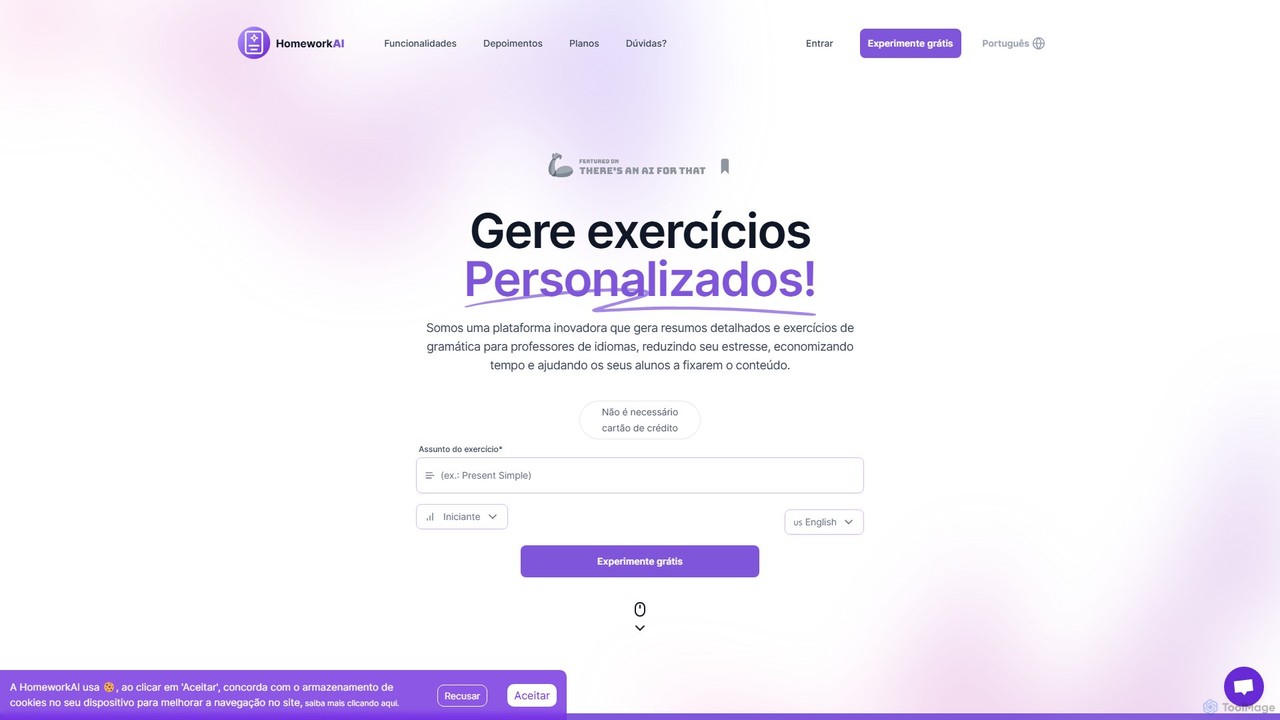
HomeworkAI is an AI-powered platform designed for educators, especially language teachers, to instantly generate comprehensive lesson materials. It creates detailed grammar explanations, interactive quizzes, and engaging vocabulary exercises, saving teachers valuable preparation time and enhancing student learning experiences.

Teaching
Visits 3.5KFavorites 105Likes 102

About Grammar

AI Grammar tools are specialized applications designed to automatically detect and correct grammatical errors, spelling mistakes, and punctuation issues in written text. Leveraging natural language processing (NLP), these tools analyze sentence structure, syntactic correctness, and semantic context to offer improvements beyond basic spell-checking. They help users enhance writing clarity, conciseness, and professionalism, making them valuable for students, writers, and business professionals. Many advanced tools also provide suggestions for style, tone, and word choice to elevate the overall quality of the writing.

Core Features

  • Advanced Error Correction: Identifies and corrects complex grammatical mistakes, including subject-verb agreement, tense usage, and punctuation.
  • Style and Tone Enhancement: Provides suggestions to improve writing style, adjust the tone (e.g., formal, confident, friendly), and enhance readability.
  • Clarity and Conciseness: Recommends rephrasing complex sentences, removing jargon, and eliminating redundant words for clearer communication.
  • Vocabulary Enhancement: Suggests alternative word choices and synonyms to make writing more engaging and precise.
  • Plagiarism Detection: Scans text against a vast database of online sources to identify potential unintentional plagiarism.

Use Cases

These tools are widely used in academic writing for essays and research papers, in business communication for crafting professional emails and reports, and in content creation for polishing blog posts and marketing copy. They are also beneficial for non-native speakers looking to improve their fluency and accuracy in a new language.

How to Choose

When selecting an AI Grammar tool, consider the depth of its correction capabilities (basic grammar vs. advanced stylistic analysis). Evaluate the range of languages it supports, its integration with your existing writing platforms (e.g., browsers, word processors), and its pricing model, as many advanced features like plagiarism checking are often part of premium plans.

Featured tool rankings

Grammar use cases

1

Academic Paper Proofreading

A university student uses an AI grammar tool to review their thesis before submission. The tool scans the entire document, identifying subtle grammatical errors, inconsistencies in citation formatting, and stylistic issues. It suggests rephrasing convoluted sentences for better clarity and flags potential plagiarism, ensuring the paper meets high academic standards and is ready for publication.

2

Enhancing Professional Business Emails

A sales manager drafts a crucial proposal email to a potential client. The AI grammar assistant integrated into their email client checks for correctness and analyzes the tone. It suggests changing passive voice to active voice for a more confident tone and recommends replacing generic phrases with more impactful vocabulary, helping to craft a persuasive and professional message that increases the chance of closing the deal.

3

Optimizing Blog Content for Readability

A content creator uses an AI grammar tool's browser extension while writing in a CMS. The tool provides real-time feedback on readability, flagging long sentences and complex words. It helps simplify the language to match a target reading level, ensuring the content is accessible and engaging for a broader audience. This process improves user experience and can positively impact SEO rankings.

4

Assisting Non-Native English Speakers

An employee who is a non-native English speaker needs to write a report for international stakeholders. They use an AI grammar tool to check their writing. The tool not only corrects grammatical errors but also suggests more natural-sounding phrasing and idioms. This helps them communicate their ideas clearly and professionally, boosting their confidence and ensuring their message is understood correctly across cultures.

5

Polishing a Professional Resume

A job seeker finalizes their resume and cover letter. An AI grammar tool helps eliminate typos and grammatical errors that could create a negative impression. It also suggests stronger action verbs to describe accomplishments and helps condense sentences for impact. This ensures the application documents are polished, professional, and effectively highlight the candidate's qualifications to recruiters.

6

Maintaining Brand Voice Consistency

A marketing team uses an AI grammar tool with a customizable style guide. The tool is configured to enforce the company's specific brand voice, such as using certain terminology and avoiding others. When different team members create content, the tool provides consistent suggestions, ensuring all marketing materials, from social media posts to whitepapers, maintain a uniform tone and style.

Grammar FAQ

What are AI Grammar tools?

AI Grammar tools are software applications that use artificial intelligence, particularly natural language processing (NLP), to analyze and improve written text. They go beyond traditional spell checkers by identifying and correcting a wide range of issues, including complex grammatical errors, punctuation mistakes, awkward phrasing, and stylistic inconsistencies. Their primary goal is to help users produce clear, correct, and professional writing.

How do AI Grammar tools differ from built-in spell checkers?

Built-in spell checkers primarily identify misspelled words based on a dictionary. AI Grammar tools are far more advanced. They analyze the context of your writing to detect issues that spell checkers miss, such as:

  • Grammatical Errors: Incorrect verb tenses, subject-verb disagreement, and improper sentence structure.
  • Punctuation: Misplaced commas, incorrect use of semicolons, etc.
  • Style and Tone: Awkward phrasing, passive voice, and inappropriate tone for the context.
  • Clarity: Wordiness and convoluted sentences.
In essence, a spell checker ensures words are spelled correctly, while an AI grammar tool helps ensure your sentences are constructed correctly and effectively.

How do I choose the right AI Grammar tool?

To choose the right tool, consider your specific needs. Key factors include:

  • Correction Depth: Do you need basic grammar and spelling checks, or advanced suggestions for style, tone, and clarity?
  • Integrations: Does it work where you write? Look for extensions for your browser (Chrome, Firefox), plugins for word processors (MS Word, Google Docs), and desktop apps.
  • Language Support: If you write in multiple languages, check if the tool supports them effectively.
  • Special Features: Some tools offer unique features like a plagiarism checker, a style guide for teams, or detailed readability reports.
  • Cost: Compare free versions with paid plans. Free tools are great for basic checks, but premium plans often unlock the most powerful features.

Can AI Grammar tools replace human proofreaders?

AI Grammar tools are powerful assistants but generally do not fully replace human proofreaders for critical documents. AI excels at catching technical errors, inconsistencies, and common style issues with high speed and accuracy. However, a human proofreader can better understand nuanced context, authorial intent, creative voice, and the overall flow of a complex narrative. For best results, many professionals use AI tools for a first pass to clean up the text, followed by a human review for the final polish.

Are AI Grammar tools accurate?

Modern AI grammar tools are highly accurate for most common writing errors. They are trained on vast datasets of text, allowing them to understand complex grammatical rules and contextual nuances. However, they are not infallible. They may occasionally misinterpret highly creative, technical, or ambiguous sentences. For this reason, it's always a good practice to review the suggestions they provide rather than blindly accepting them, especially for important or formal documents.