Language Best in category 5 results Translation AI Tool

Popular AI tools in the Translation field of Language include Voice Changer、MultiAI、TranscriptorPro、Tourizmai、VoiceWise, etc., helping you quickly improve efficiency.

VoiceWise

VoiceWise

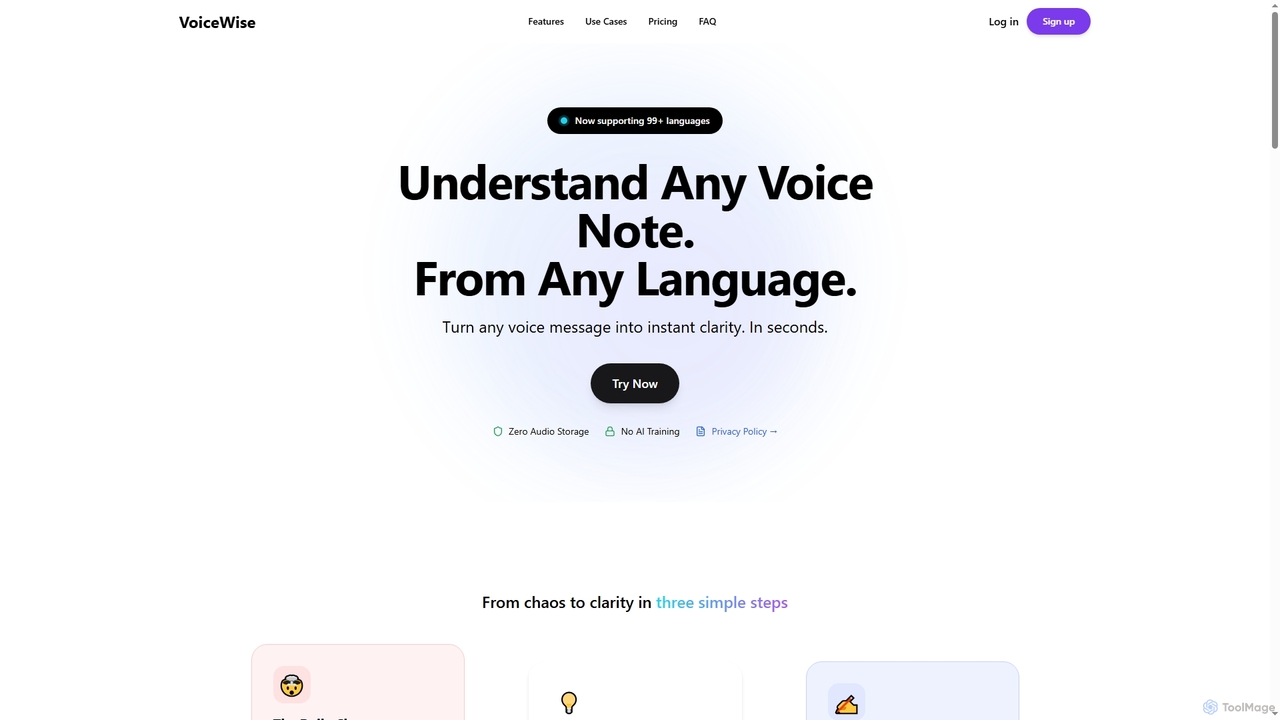
VoiceWise is an AI-powered tool that transforms any voice message from over 99 languages into instant clarity. It …

2.5K
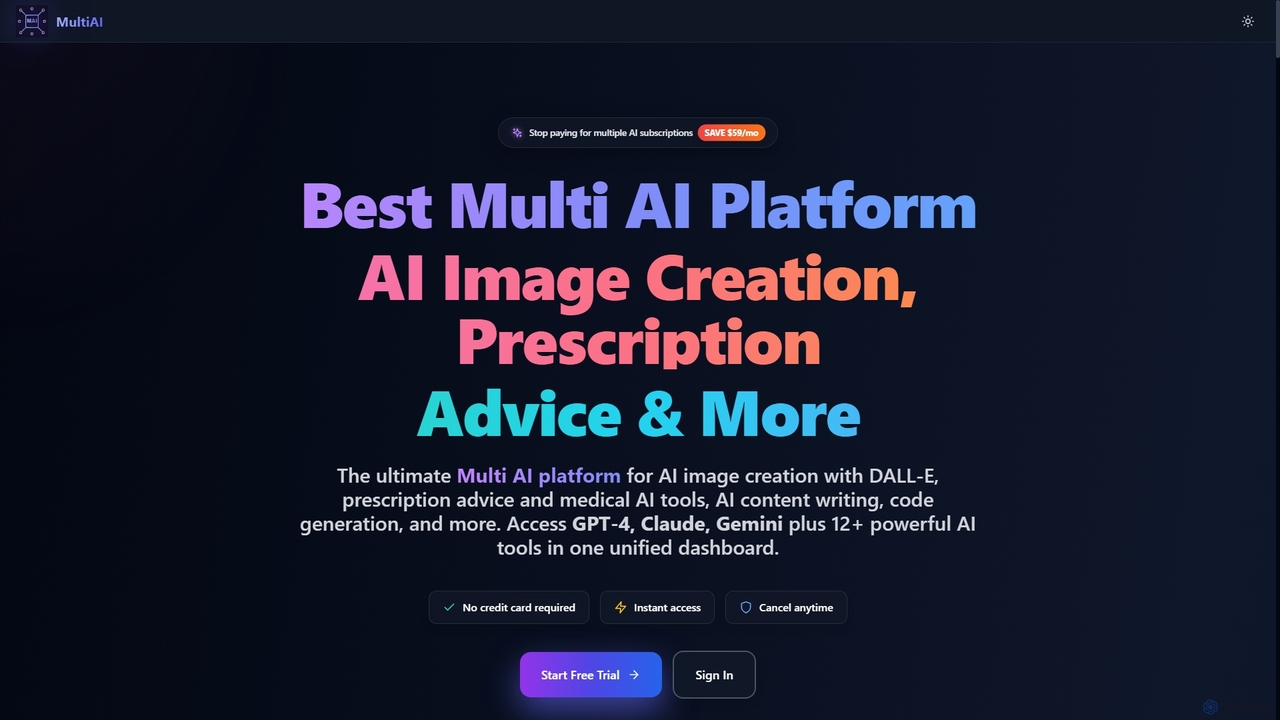
MultiAI

MultiAI

MultiAI is a comprehensive AI platform that unifies access to leading AI models like GPT-4, Claude, and Gemini, …

3.3K
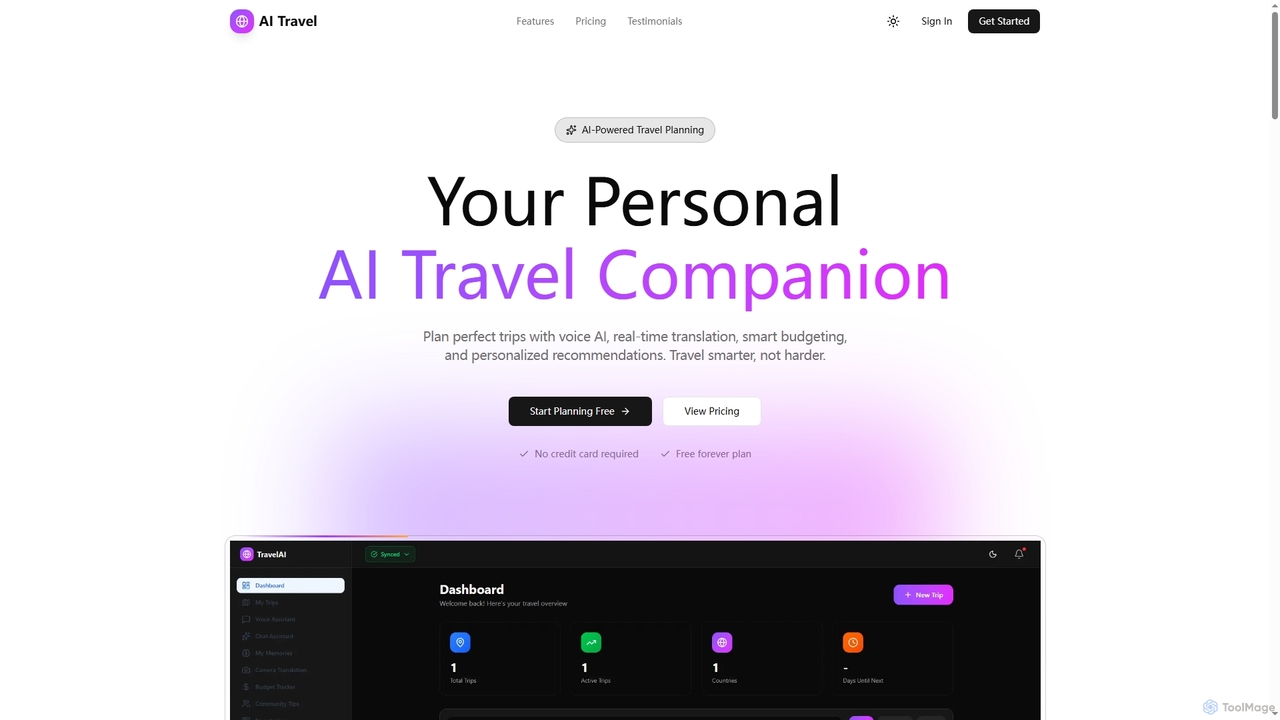
Tourizmai

Tourizmai

Tourizmai is an AI-powered travel companion designed to simplify trip planning. It offers intelligent voice assistance, real-time camera …

2.6K
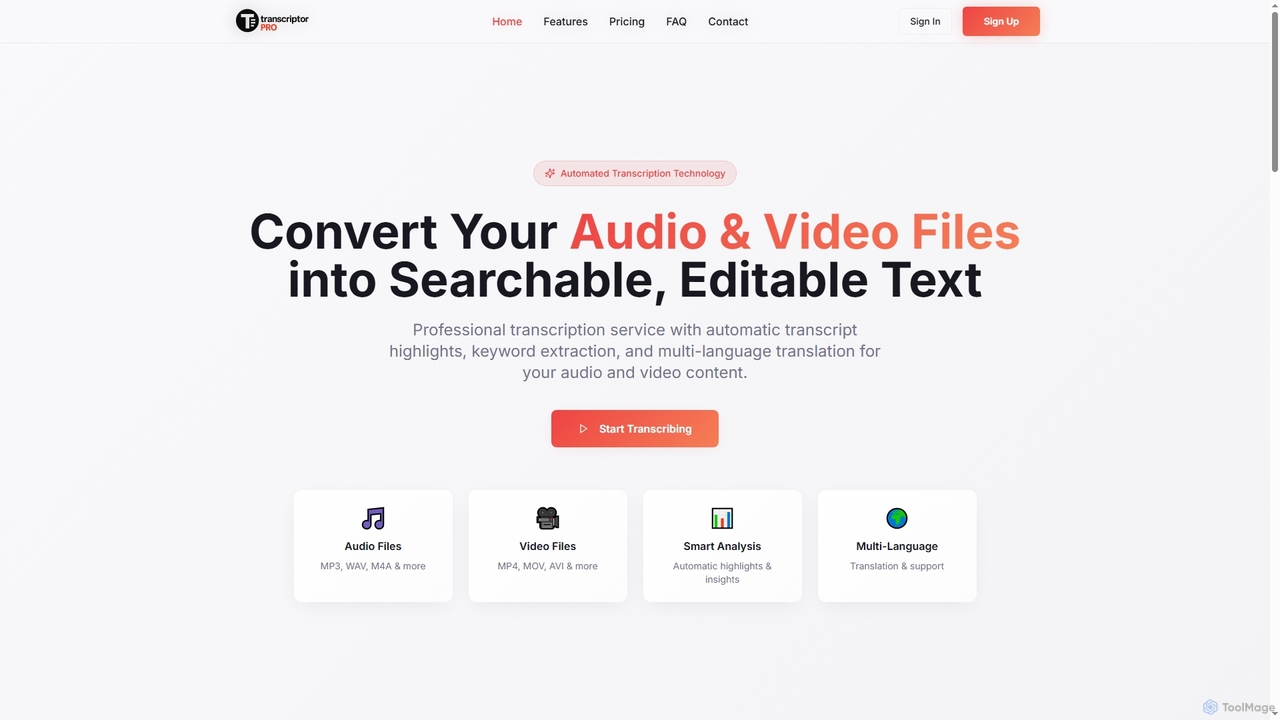
TranscriptorPro

TranscriptorPro

TranscriptorPro is an AI-powered service that converts audio and video files into searchable, editable text. It offers automated …

2.7K
Free
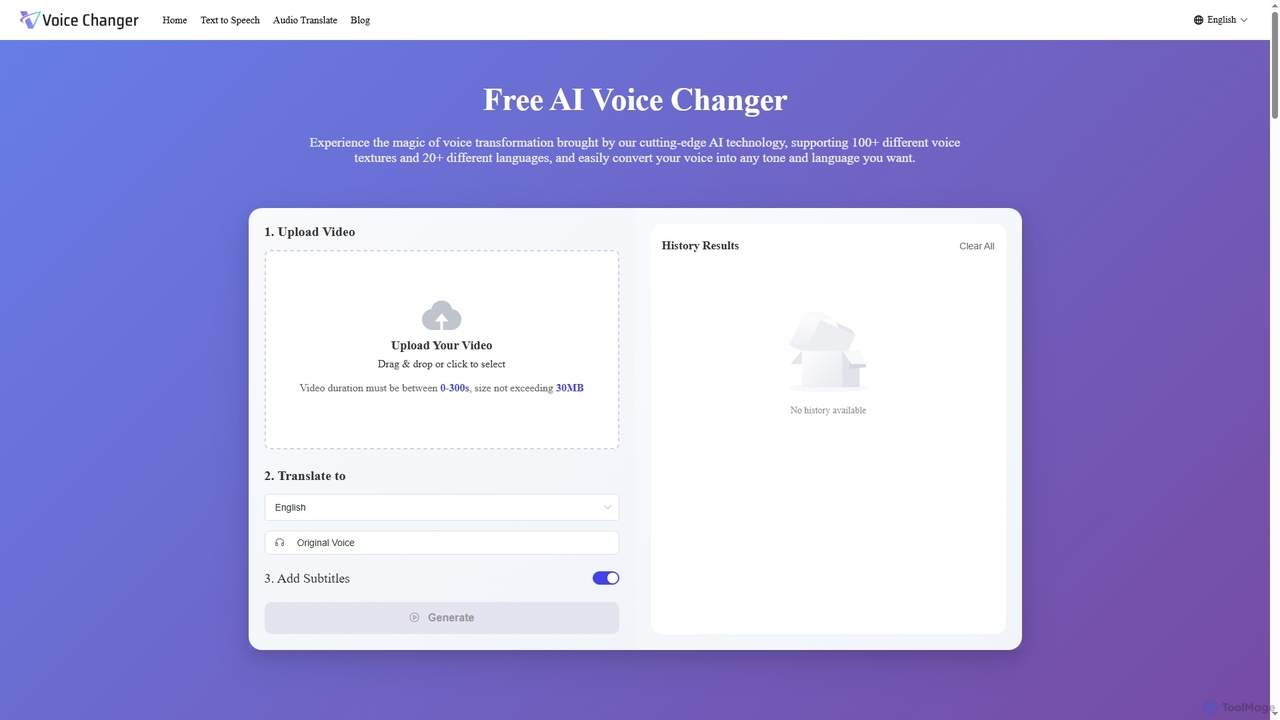
Voice Changer

Voice Changer

Voice Changer is a versatile AI-powered online tool offering voice transformation, text-to-speech, and audio translation. It enables users …

4.5K

About Translation

AI Translation tools are a class of software that use artificial intelligence, primarily Neural Machine Translation (NMT) and Large Language Models (LLMs), to automatically convert text or speech from a source language to a target language. These tools analyze context, grammar, and nuances to produce more accurate and fluent translations than older, phrase-based systems. Their primary value lies in breaking down language barriers instantly, enabling seamless global communication, content accessibility, and international business operations. By handling vast volumes of text at high speed, they significantly accelerate localization and information exchange processes.

Core Features

  • Context-Aware Translation: Analyzes entire sentences or paragraphs to understand context, resulting in more accurate and natural-sounding translations.
  • Document Translation: Supports various file formats (e.g., PDF, DOCX, PPTX) while attempting to preserve the original layout and formatting.
  • Real-time Conversation Mode: Translates spoken language in real-time, facilitating live, multilingual conversations via text or voice output.
  • Glossary and Tone Customization: Allows users to create custom glossaries for specific terminology (brand names, technical terms) and select a desired tone (formal, informal).
  • API Integration: Provides APIs for developers to embed translation functionalities directly into websites, applications, and other software.

Use Cases

AI Translation tools are widely used across various sectors. In global business, they facilitate cross-border communication, customer support, and market research. Content creators and marketers use them to localize websites, apps, and marketing materials to reach international audiences. Researchers and academics leverage these tools to access and understand scholarly papers published in foreign languages, accelerating knowledge sharing.

How to Choose

When selecting an AI Translation tool, consider the required language pairs and their quality. Evaluate the accuracy for your specific domain (e.g., legal, medical, technical). Assess the range of features, such as document format support, API availability, and collaboration capabilities. Finally, review the security and data privacy policies, especially when handling sensitive information, and compare pricing models based on your expected usage volume.

TranslationUse Cases

1

Localize E-commerce Product Descriptions

An e-commerce manager for a global fashion brand needs to launch a new product line in five new international markets simultaneously. Instead of hiring multiple translation agencies, they use an AI translation tool with a custom glossary feature. They upload a CSV file with hundreds of product descriptions, and the tool translates them into Spanish, French, German, Japanese, and Portuguese within minutes. The custom glossary ensures that brand names and specific technical fabric terms are translated consistently across all languages, maintaining brand integrity and improving SEO in local markets.

2

Facilitate Real-time Multilingual Team Meetings

A multinational tech company has teams spread across the USA, Germany, and Japan. During their weekly video conference calls, communication barriers often cause delays. They integrate a real-time speech translation tool into their meeting software. As an American project manager speaks, their words are instantly translated and displayed as German and Japanese subtitles for their respective team members. This allows for fluid conversation, immediate feedback, and clear understanding of complex technical details, reducing meeting times by an average of 20% and improving cross-team collaboration.

3

Translate Academic Research Papers for Literature Review

A postgraduate student in materials science is conducting a literature review for their thesis. Key research papers in their niche field are published in German and Chinese. To quickly grasp the core findings, they use an AI document translation tool that specializes in technical and scientific texts. They upload PDF versions of the papers, and the tool provides English translations that maintain the specific terminology and data tables accurately. This allows the student to efficiently screen dozens of papers, identify the most relevant ones for in-depth study, and significantly speed up their research process without needing to be fluent in multiple languages.

4

Automate Multilingual Customer Support Tickets

A SaaS company offers its product worldwide and receives support tickets in multiple languages. To improve response times, their support team uses an AI translation tool integrated into their helpdesk system. When a ticket arrives in Spanish, it is automatically translated into English for the support agent. The agent writes their response in English, and it is automatically translated back into Spanish before being sent to the customer. This workflow allows a centralized English-speaking support team to handle global inquiries efficiently, reducing the need for multilingual staff and cutting average ticket resolution time by 40%.

5

Generate Multilingual Subtitles for Video Content

A content creator on YouTube produces educational documentaries and wants to expand their audience to non-English speaking regions. They use an AI tool that first transcribes the video's English audio into text and then translates this transcription into multiple languages like Spanish, Hindi, and French. The tool automatically generates time-coded subtitle files (SRT format) for each language. The creator can then upload these files directly to YouTube, making their content accessible to a global audience. This process takes a fraction of the time and cost of manual transcription and translation, boosting international viewership by over 150%.

6

Translate Legal Contracts for Preliminary Review

A paralegal at an international law firm receives a contract written in Portuguese. Before assigning it to a specialized human translator for official certification, they use a secure, on-premise AI translation tool to get a quick and accurate English version for preliminary review. The tool is trained on legal terminology, ensuring that specific clauses and legal jargon are translated with high fidelity. This allows the legal team to quickly assess the contract's content, identify key points of negotiation, and prepare for the case, saving valuable time and resources while ensuring client data remains confidential.

TranslationFrequently Asked Questions