Learning Best in category 1 results On Demand Courses AI Tool

Popular AI tools in the On Demand Courses field of Learning include Coursini Concierge, etc., helping you quickly improve efficiency.

Coursini Concierge

Coursini Concierge

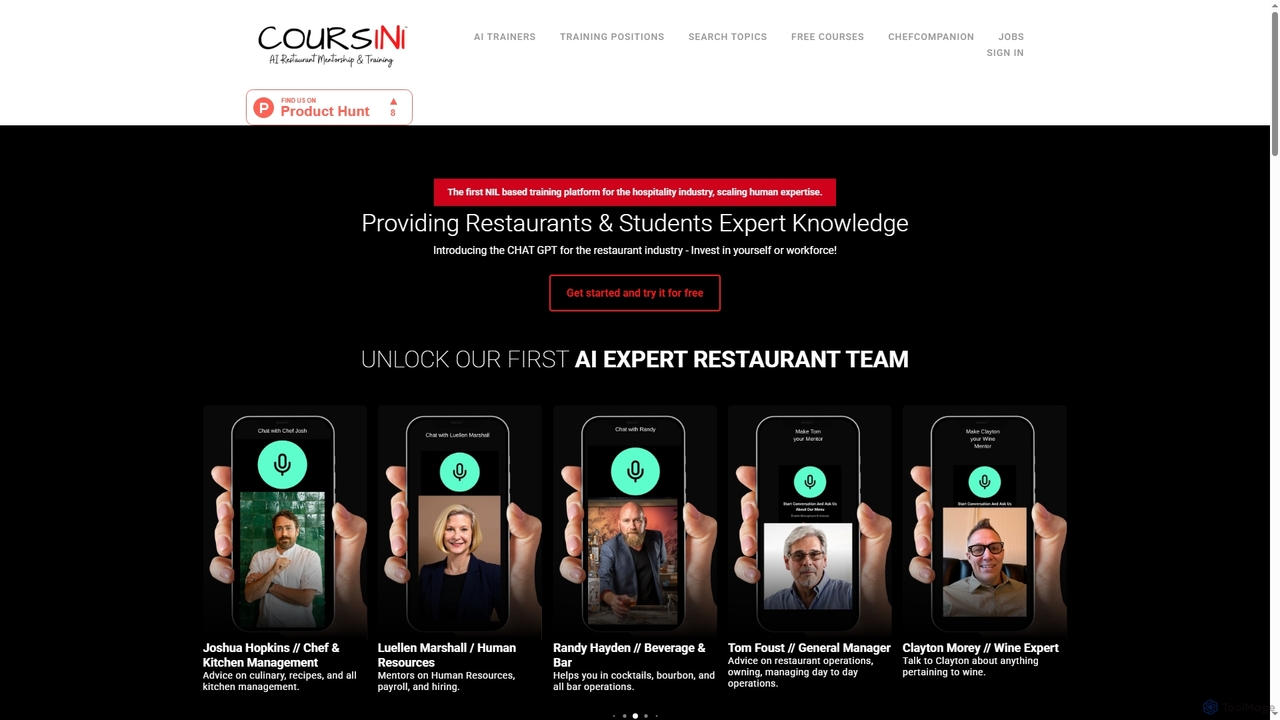
Coursini Concierge is an AI-powered conversational platform for the hospitality industry, offering instant, on-demand expert advice and training. …

2.5K

About On Demand Courses

On Demand Courses are online learning programs that allow users to access educational content at their own pace, anytime and anywhere. These tools typically feature pre-recorded video lectures, readings, quizzes, and assignments, often delivered through a dedicated learning platform. This flexibility makes them ideal for self-directed learners, professionals seeking skill upgrades, or anyone with a busy schedule. Many also offer certificates of completion, peer interaction, and expert-led instruction, providing a comprehensive learning experience without fixed schedules.

Core Features

  • Flexible Access: Learn anytime, anywhere, at your own pace, fitting into busy schedules.
  • Diverse Content Formats: Access video lectures, readings, quizzes, interactive exercises, and practical projects.
  • Progress Tracking: Monitor your learning journey, track completed modules, and review performance.
  • Certification & Badges: Earn verifiable certificates or digital badges upon successful course completion.
  • Community & Support: Engage with instructors or peers through forums, Q&A sections, and discussion boards.

Applicable Scenarios

On Demand Courses are widely adopted by individuals and organizations for various learning objectives. Professionals use them for continuous skill enhancement and career advancement, acquiring new competencies like data science or digital marketing. Individuals leverage these courses to explore personal interests, learn new hobbies, or gain general knowledge in subjects like history or photography. Furthermore, businesses utilize them for scalable employee training, onboarding new hires, or ensuring compliance across global teams with standardized content.

How to Choose

When selecting an On Demand Course, prioritize content quality and instructor expertise by reviewing curriculum details, instructor credentials, and learner testimonials. Evaluate the platform's user experience, including navigation ease, mobile compatibility, and interactive features. Consider the value of accreditation or certification for your professional goals. Finally, compare pricing models—subscription versus per-course fees—and assess the overall value proposition, including access duration and supplementary resources.

On Demand CoursesUse Cases

1

Upskilling for Career Advancement

Professionals utilize on-demand courses to acquire new, in-demand skills such as data analytics, AI programming, or digital marketing to stay competitive or pursue promotions. By completing structured modules and earning verifiable certificates, they demonstrate enhanced capabilities to employers, boosting their career prospects and market value.

2

Exploring Personal Interests and Hobbies

Individuals leverage the flexibility of on-demand courses to learn new hobbies or deepen personal interests, such as photography, cooking, playing a musical instrument, or a new language. The self-paced nature allows them to fit learning around their leisure time, enriching their personal lives without rigid schedules.

3

Standardized Corporate Employee Training

Companies implement on-demand courses for new employee onboarding or ongoing team training in product knowledge, compliance regulations, or software operations. This ensures consistent, high-quality training across the organization, allowing employees to learn at their own pace while reducing the costs associated with traditional, in-person training sessions.

4

Academic Supplementation and Exam Preparation

Students and candidates use on-demand courses to supplement classroom learning, gain deeper understanding of specific academic subjects, or systematically prepare for standardized tests like language proficiency exams or professional certifications. These courses provide structured content, practice exercises, and expert insights to reinforce learning outcomes.

5

Entrepreneurial Skill Development

Entrepreneurs enroll in on-demand courses to acquire essential business and management skills, including market research, financial planning, business model design, and team leadership. These courses offer practical frameworks, case studies, and expert advice, empowering them to effectively plan, launch, and grow their ventures.

6

Lifelong Learning and Knowledge Expansion

Individuals committed to continuous learning use on-demand courses to explore diverse fields such as history, philosophy, or cutting-edge scientific discoveries, broadening their intellectual horizons. This flexible learning model supports ongoing knowledge acquisition at various life stages, keeping their minds active and engaged with new information.

On Demand CoursesFrequently Asked Questions