ToolMage
Sign in

Best 1 Chatbot AI tools for Lifestyle

Popular Chatbot AI tools in Lifestyle include MessageCara, helping you work more efficiently.

MessageCara
Freemium

MessageCara

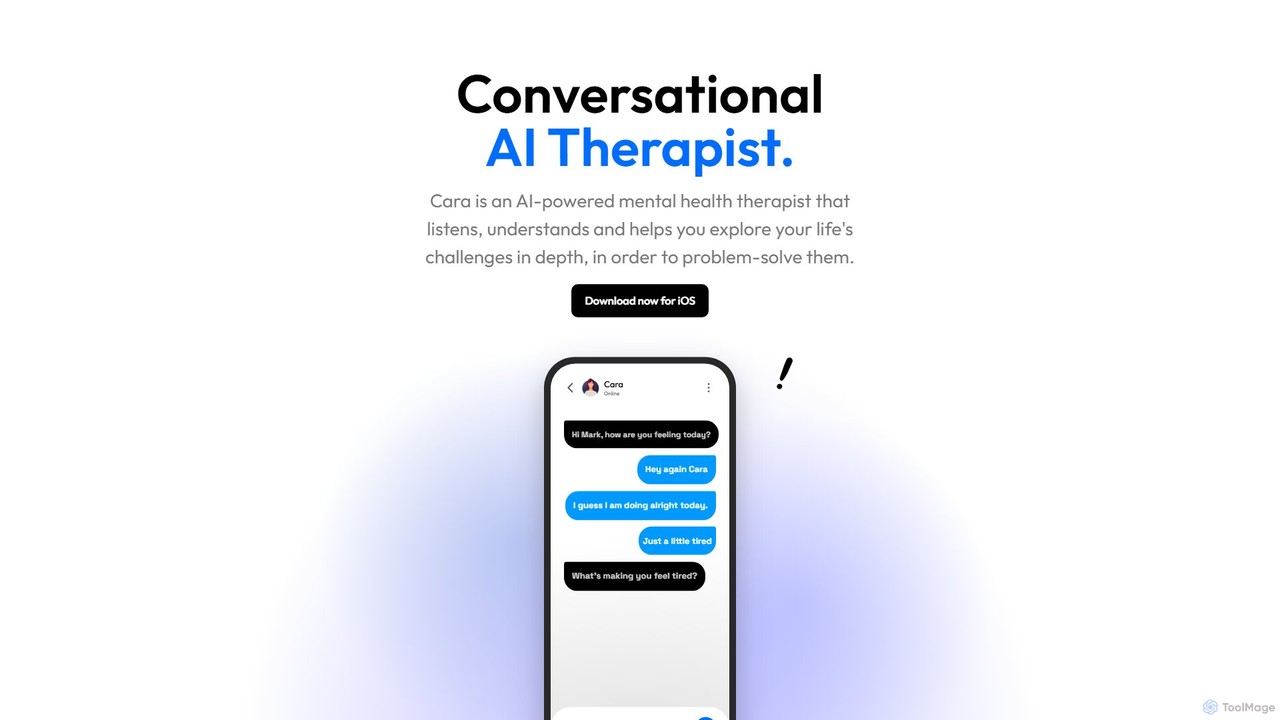
MessageCara is an AI-powered conversational therapist designed for iOS. Powered by GPT, it offers a safe, non-judgmental space to discuss challenges, manage stress, and improve mental well-being. Interact via text or voice 24/7 and receive insightful support and actionable advice to navigate life's difficulties.

Mental Health
Visits 5.3KFavorites 145Likes 130

About Chatbot

Chatbots are AI-powered tools designed to simulate human conversation through text or voice interfaces. Leveraging natural language processing (NLP) and machine learning, these tools can understand user queries, provide relevant information, and automate various tasks. They enhance user experience by offering instant support, personalized interactions, and efficient information retrieval, seamlessly integrating into daily digital lifestyles.

Core Features

  • Natural Language Understanding (NLU): Interprets and comprehends user input, regardless of phrasing variations.
  • Automated Conversation Flow: Manages dialogue progression, guides users, and provides structured responses.
  • Integration Capabilities: Connects with CRM, helpdesk, e-commerce platforms, and other business systems.
  • Personalization & Context Retention: Remembers past interactions and user preferences for tailored experiences.
  • Multichannel Support: Operates across websites, messaging apps, social media, and voice assistants.

Use Cases

Chatbots are widely adopted across various sectors to streamline operations and improve engagement. They serve in customer service to answer FAQs, in marketing for lead qualification, and as personal assistants for scheduling or information retrieval, making digital interactions more efficient and accessible.

How to Choose

When selecting a chatbot, evaluate its NLU accuracy and language support, ensuring it understands your target audience. Consider its integration ecosystem with your existing tools, scalability for future growth, and customization options to align with your brand voice and specific needs. Finally, assess the pricing model and vendor support.

Chatbot use cases

1

Automate Customer Service Inquiries

For businesses, AI chatbots handle common customer questions 24/7, such as order status, product information, or troubleshooting steps. By instantly resolving routine queries, they reduce call volumes for human agents, improve response times, and ensure consistent support, leading to higher customer satisfaction and operational efficiency.

2

Qualify and Nurture Sales Leads

Marketing and sales teams use chatbots on websites to engage visitors, ask qualifying questions, and gather contact information. The chatbot can then provide relevant product information, schedule demos, or direct qualified leads to sales representatives, streamlining the sales funnel and increasing conversion rates by capturing interest proactively.

3

Provide Personalized Learning Assistance

Educational platforms and individual learners benefit from chatbots acting as personalized tutors or language partners. These bots can explain complex concepts, offer practice exercises, provide instant feedback, and adapt learning paths based on user progress, making education more accessible and engaging for students of all levels.

4

Offer Mental Wellness Support

Individuals seeking accessible mental health resources can use chatbots for guided meditation, mood tracking, or journaling prompts. While not a substitute for professional therapy, these AI companions provide a private, non-judgmental space for users to explore feelings, practice mindfulness, and receive coping strategies, promoting daily well-being.

5

Streamline Travel Planning and Booking

Travelers can interact with chatbots to search for flights, compare hotel prices, get destination recommendations, and even book accommodations or activities. These bots simplify the planning process by quickly filtering options based on preferences, providing real-time updates, and handling booking confirmations, saving users significant time and effort.

6

Deliver Interactive Product Recommendations

E-commerce retailers deploy chatbots to guide shoppers through their product catalogs. By asking about preferences, needs, and budget, the chatbot can suggest suitable products, answer specific questions about features, and even facilitate the purchase process. This personalized shopping experience enhances engagement and drives sales.

Chatbot FAQ

What is an AI Chatbot?

An AI chatbot is a computer program designed to simulate human conversation, primarily through text or voice. It uses artificial intelligence, specifically natural language processing (NLP) and machine learning, to understand user input, interpret intent, and generate relevant, human-like responses. These tools are used for automating customer service, providing information, and engaging users in interactive dialogues.

How do I choose the best AI Chatbot for my needs?

To choose the best AI chatbot, consider its natural language understanding (NLU) capabilities and the languages it supports, ensuring it can effectively communicate with your audience. Evaluate its integration options with your existing CRM, helpdesk, or e-commerce platforms. Look for scalability, customization features, and the ability to define conversation flows. Finally, compare pricing models, vendor support, and security features to ensure it meets your operational and budget requirements.

What's the difference between an AI Chatbot and a traditional rule-based chatbot?

The primary difference lies in their intelligence and flexibility. A rule-based chatbot operates on predefined rules, keywords, and decision trees, only responding to specific commands or phrases. An AI chatbot, however, uses machine learning and natural language processing to understand context, intent, and variations in language, allowing for more natural, dynamic, and complex conversations. AI chatbots can learn and adapt over time, while rule-based bots are limited to their programmed scripts.

What are the main benefits of using AI Chatbots?

AI chatbots offer numerous benefits, including 24/7 availability, instant response times, and the ability to handle a high volume of inquiries simultaneously, significantly improving customer service efficiency. They reduce operational costs, personalize user interactions, and can collect valuable data for business insights. Additionally, they free up human staff to focus on more complex tasks, enhancing overall productivity and user satisfaction.

Can AI Chatbots integrate with existing business systems?

Yes, most modern AI chatbots are designed for seamless integration with a wide range of existing business systems. They typically offer APIs (Application Programming Interfaces) or pre-built connectors for popular platforms like CRM (e.g., Salesforce), helpdesk software (e.g., Zendesk), e-commerce platforms (e.g., Shopify), and marketing automation tools. This allows chatbots to access and update customer data, automate workflows, and provide a unified user experience.