ToolMage
Sign in

Best 3 Diet AI tools for Lifestyle

Popular Diet AI tools in Lifestyle include Calorieasy, Calorie Fit, and Calorio, helping you work more efficiently.

Calorie Fit

Calorie Fit

An AI-powered meal tracking platform that offers fast, intelligent food logging. It will soon provide personalized guidance through scheduled calls with nutrition experts for users seeking more than just numbers.

Nutrition Tracking
Visits 5.9KFavorites 20Likes 25
Calorio
Freemium

Calorio

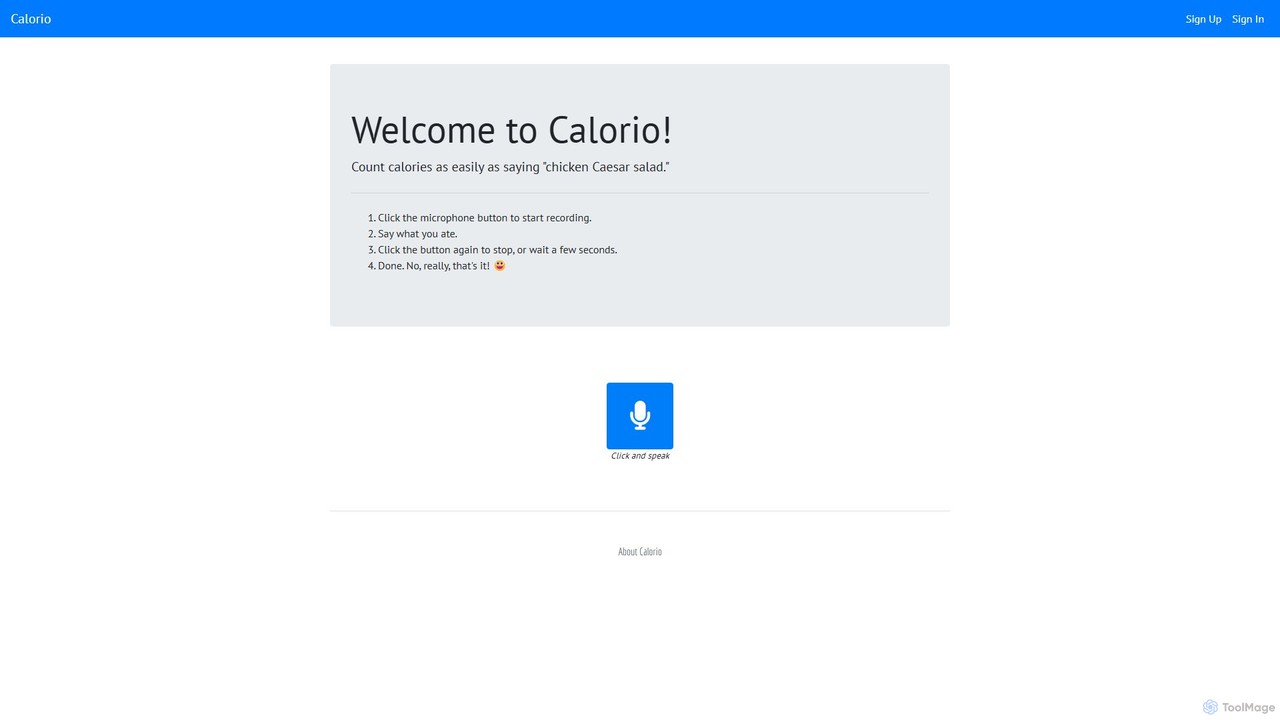
Calorio is an AI-powered web app that simplifies calorie counting. Just say what you ate, and the AI instantly calculates the calories. It eliminates the tedious process of manual entry, barcode scanning, or searching through food lists, making diet tracking fast, easy, and intuitive.

Nutrition
Visits 5.5KFavorites 112Likes 103
Calorieasy
Freemium

Calorieasy

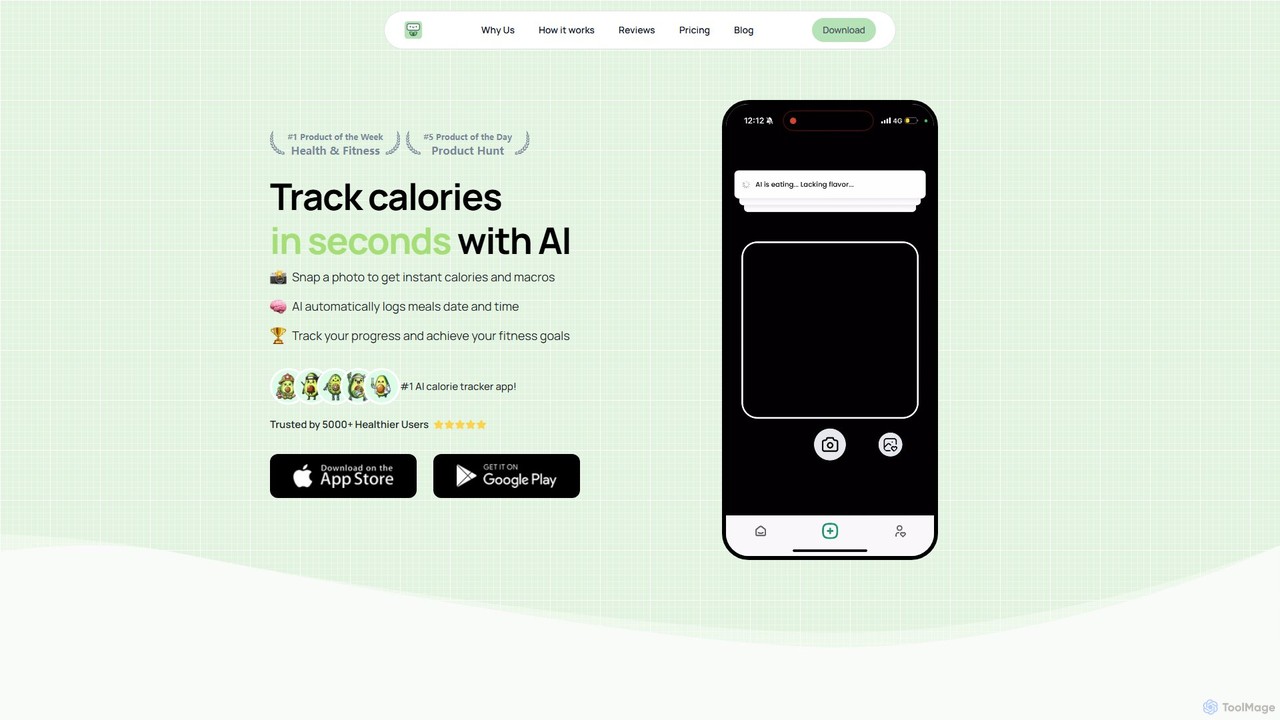
Calorieasy is an AI-powered calorie counter app that simplifies nutrition tracking. Just snap a photo of your meal, and the app instantly analyzes it to provide detailed calorie and macronutrient information (protein, carbs, fats). It offers personalized daily goals, automatically organizes your meal logs into a timeline, and supports a wide range of cuisines. Designed for both iOS and Android, Calorieasy makes achieving your health and fitness goals easier by eliminating tedious manual entry.

Nutrition
Visits 6.3KFavorites 108Likes 113

About Diet

Diet AI tools are intelligent applications designed to personalize and optimize individual dietary habits and nutritional intake. Leveraging advanced algorithms and data analysis, these tools provide tailored meal plans, track food consumption, analyze nutrient profiles, and offer actionable insights to help users achieve specific health and wellness goals. They integrate seamlessly into a healthy lifestyle, offering data-driven support for weight management, athletic performance, or managing dietary restrictions.

Core Features

  • Personalized Meal Planning: Generates customized meal plans based on user preferences, dietary restrictions, health goals, and nutritional needs.
  • Nutrient Tracking & Analysis: Monitors daily intake of macronutrients (carbs, protein, fat) and micronutrients (vitamins, minerals), providing detailed reports and identifying deficiencies.
  • Food Recognition & Logging: Utilizes AI vision or natural language processing to quickly identify and log food items, simplifying the tracking process.
  • Recipe Recommendations: Suggests healthy recipes aligned with dietary plans, available ingredients, and personal taste.
  • Progress Monitoring: Tracks weight, body measurements, and other health metrics over time, visualizing progress towards goals.

Applicable Scenarios

Individuals seeking to manage their weight, athletes optimizing their nutrition for peak performance, or those with specific dietary needs like diabetes or allergies can greatly benefit. These tools assist in maintaining consistent healthy eating habits, understanding nutritional impacts, and adapting plans as goals evolve.

How to Choose

When selecting a Diet AI tool, consider its personalization depth (e.g., genetic data integration), the accuracy and breadth of its food database, ease of food logging, integration with other health devices (wearables), and the quality of its nutritional insights. User interface and community support are also important for long-term adherence.

Diet use cases

1

Personalized Weight Loss Meal Planning

An individual aiming for sustainable weight loss uses a Diet AI tool to generate a calorie-controlled, nutritionally balanced meal plan. The tool considers their current weight, target weight, activity level, and food preferences, providing daily recipes and a shopping list, helping them adhere to their diet without feeling deprived.

2

Optimizing Athlete Nutrition for Performance

A professional athlete utilizes a Diet AI tool to fine-tune their nutrition strategy for training and competition. The tool analyzes their workout intensity, recovery needs, and performance goals, recommending specific macronutrient ratios, hydration plans, and supplement timings to maximize energy, muscle repair, and overall athletic output.

3

Managing Dietary Restrictions and Allergies

Someone with multiple food allergies (e.g., gluten, dairy, nuts) or specific dietary restrictions (e.g., vegan, keto) employs a Diet AI tool to ensure safe and compliant eating. The tool filters recipes, identifies potential allergens in logged foods, and suggests suitable alternatives, significantly reducing the risk of adverse reactions and expanding meal options.

4

Tracking Macronutrients for Bodybuilding

A bodybuilder uses a Diet AI tool to meticulously track their daily intake of protein, carbohydrates, and fats during bulking or cutting phases. The tool provides real-time feedback on their macro distribution, helping them hit precise targets required for muscle growth or fat loss, and adjusts recommendations based on their progress and training schedule.

5

Meal Prep for Busy Professionals

A busy professional with limited time for cooking leverages a Diet AI tool to plan and prepare healthy meals for the week. The tool generates a weekly meal prep menu, complete with recipes that can be cooked in bulk, and creates an organized grocery list, saving time on planning and shopping while ensuring consistent healthy eating.

6

Monitoring Blood Sugar for Diabetics

An individual managing Type 2 Diabetes uses a Diet AI tool to monitor the glycemic impact of their food choices. The tool tracks carbohydrate intake, predicts blood sugar responses based on logged meals, and offers food swaps or portion adjustments to help maintain stable blood glucose levels, working in conjunction with medical advice.

Diet FAQ

What are Diet AI tools?

Diet AI tools are software applications that use artificial intelligence to help individuals manage their nutrition and dietary habits. They analyze personal data like health goals, preferences, and activity levels to provide personalized meal plans, track food intake, offer nutritional insights, and monitor progress towards health objectives.

How do Diet AI tools personalize meal plans?

Diet AI tools personalize meal plans by collecting user data such as age, gender, weight, height, activity level, health goals (e.g., weight loss, muscle gain), dietary restrictions (e.g., vegan, gluten-free), allergies, and food preferences. AI algorithms then process this information to generate customized meal suggestions that are nutritionally balanced and aligned with individual needs.

What's the difference between a Diet AI tool and a general fitness tracker?

While both contribute to wellness, a Diet AI tool specifically focuses on nutrition, offering detailed meal planning, food logging, and nutrient analysis. A general fitness tracker primarily monitors physical activity, sleep, and heart rate. Some advanced fitness trackers may have basic calorie tracking, but Diet AI tools provide much deeper, personalized dietary guidance and insights.

Can Diet AI tools help with specific health conditions like diabetes?

Yes, many Diet AI tools are designed with features to support individuals with specific health conditions, including diabetes. They can help track carbohydrate intake, monitor glycemic load, suggest low-GI foods, and provide insights to manage blood sugar levels. However, it's crucial to use these tools as a supplement to, not a replacement for, professional medical and dietary advice.

How accurate is the nutritional information provided by Diet AI tools?

The accuracy of nutritional information in Diet AI tools largely depends on the quality and breadth of their food database and the user's input accuracy. Most reputable tools use extensive, verified databases. However, user input (e.g., portion sizes, specific ingredients) is critical. While highly accurate for general guidance, professional dietitians should be consulted for precise medical nutrition therapy.