ToolMage
Sign in

Best 30 Fashion AI tools for Lifestyle

Popular Fashion AI tools in Lifestyle include Facetune, Flash.co, Glam Up, aesty, GenPark AI, Cladwell, drezily, coloranalysis, Clueless, and NailDesignsAI, helping you work more efficiently.

Dressrious
Freemium

Dressrious

Dressrious is an all-in-one AI-powered fashion platform designed for stylists, influencers, and fashion enthusiasts. It acts as a digital closet, outfit maker, AI stylist, and fashion community, helping you manage your wardrobe, get personalized outfit suggestions, and plan your looks for any occasion.

Fashion
Visits 5.9KFavorites 133Likes 132
Nail Design Hub
Freemium

Nail Design Hub

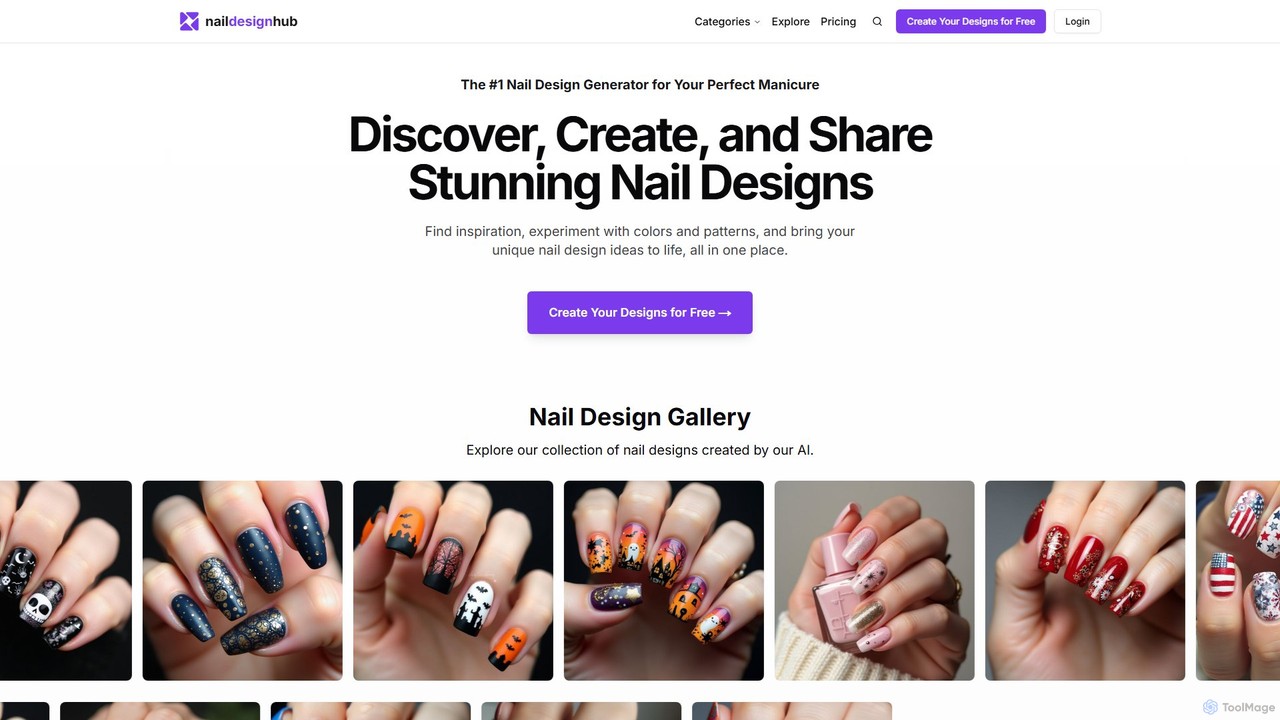
Nail Design Hub is an AI-powered platform for discovering, creating, and sharing unique nail art. Simply describe your desired style, colors, and themes, and the AI will generate realistic, customizable nail designs in seconds. Explore a gallery of over 10,000 ideas or create your own from scratch. Perfect for individuals, nail artists, and content creators.

3D
Visits 6KFavorites 158Likes 153
Dress Up
Freemium

Dress Up

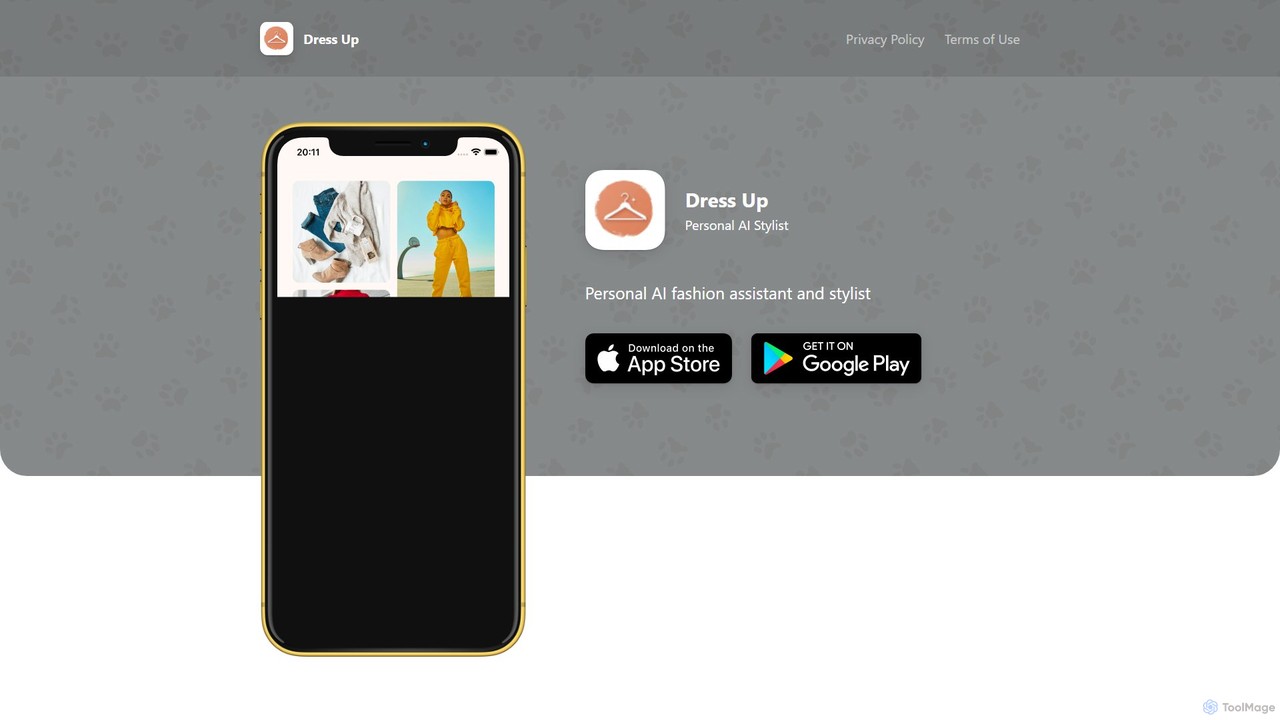
Dress Up is your personal AI fashion stylist and wardrobe assistant. It helps you discover new outfit combinations from your own closet, provides personalized style advice for any occasion, and helps you organize your wardrobe digitally. Save time, boost your confidence, and dress smarter every day.

Fashion
Visits 5.9KFavorites 135Likes 147
chrry
Free

chrry

chrry is an AI-powered visual search app that helps you find and buy any item you see. Simply snap a photo or upload an image of a product, and chrry's advanced AI will instantly search across thousands of online stores to find the exact item or similar alternatives. Discover the best prices, compare options, and shop your inspirations effortlessly.

Shopping Assistant
Visits 6.2KFavorites 133Likes 156
FashionAdvisorAI
Free

FashionAdvisorAI

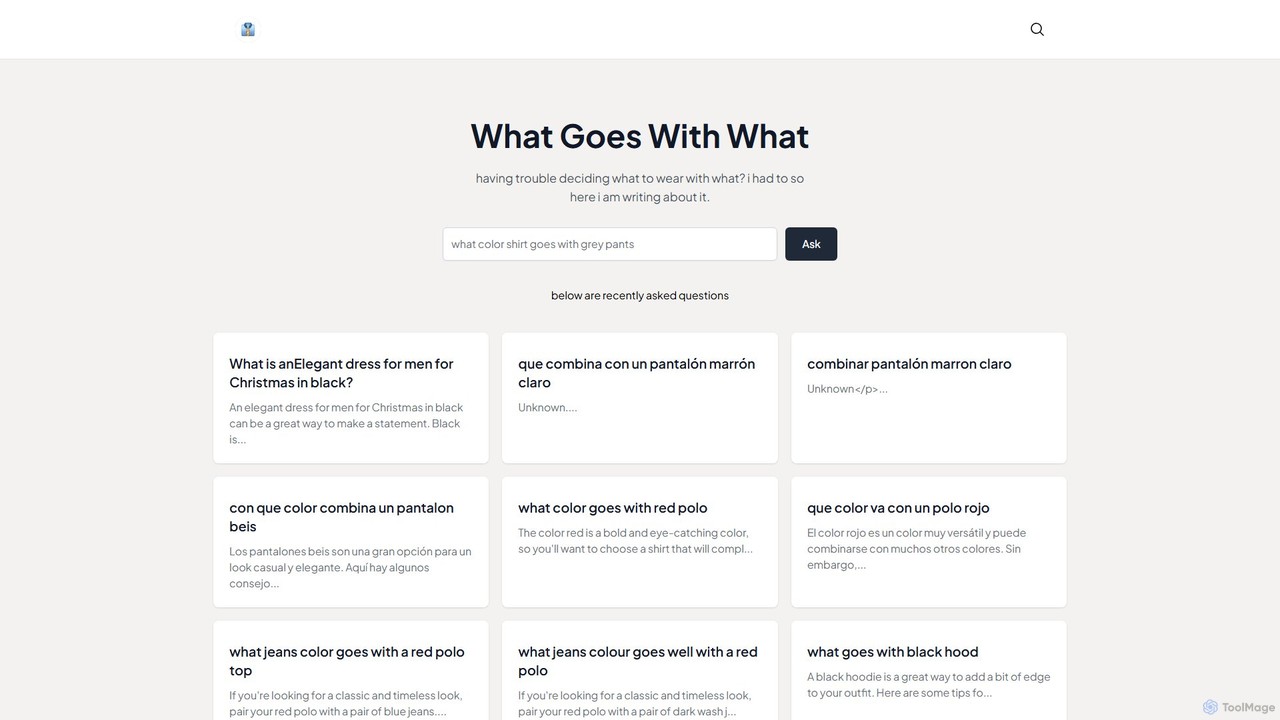
FashionAdvisorAI is an AI-powered personal stylist that answers your fashion questions instantly. Simply ask "what goes with what," and receive immediate, practical advice on color combinations, outfit pairings, and occasion-appropriate attire. It helps you solve daily wardrobe dilemmas, plan outfits for special events, and make confident styling choices with ease.

Generative
Visits 6.5KFavorites 122Likes 109
Gensbot
Paid

Gensbot

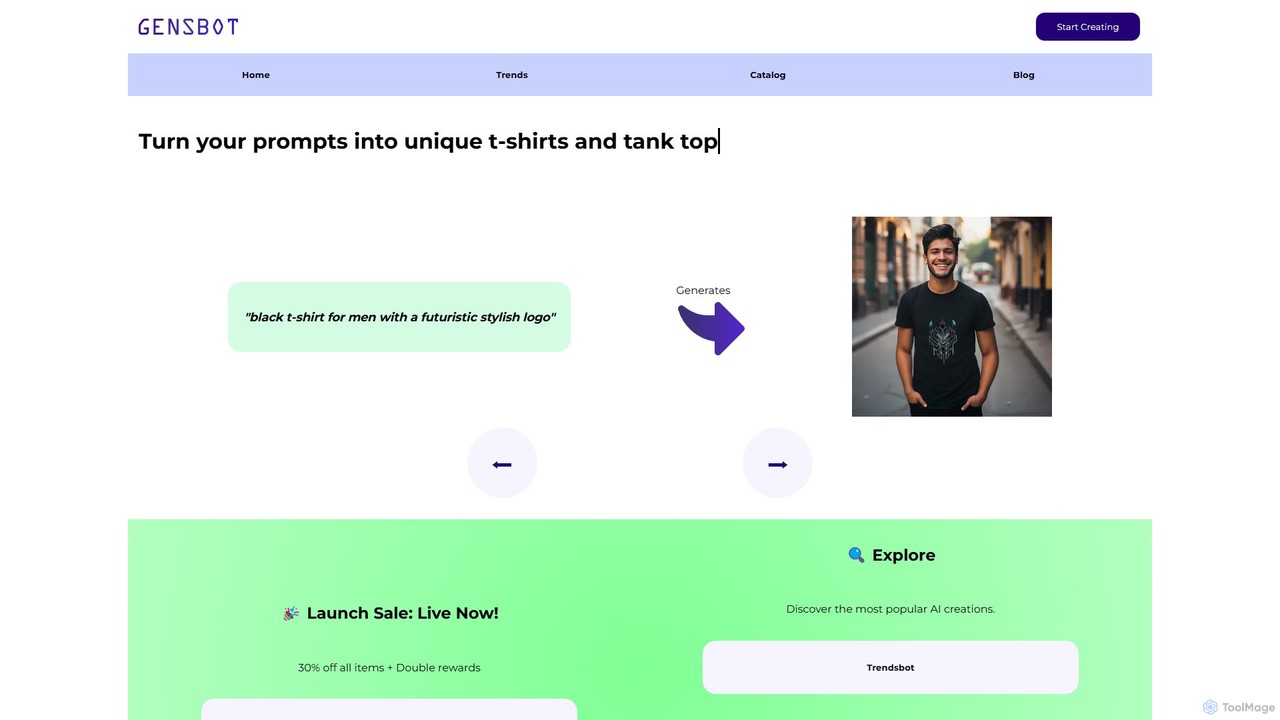
Gensbot is an AI-powered e-commerce platform that transforms your text prompts into unique, custom-designed merchandise. Create personalized t-shirts, mugs, phone cases, and more in seconds without any design skills. It offers on-demand, sustainable production with local suppliers worldwide, making it easy to get high-quality, one-of-a-kind items for yourself, as gifts, or for your brand.

Generative Art
Visits 6KFavorites 134Likes 120

About Fashion

AI Fashion tools are a class of applications using artificial intelligence for clothing design, virtual try-on, and personal styling. These tools leverage computer vision and generative models to create new apparel concepts, visualize outfits on different body types, or generate realistic virtual models. They provide significant value for designers seeking rapid prototyping, e-commerce brands aiming to enhance the online shopping experience, and individuals looking to discover new styles.

Core Features

  • Virtual Try-On: Allows users to upload a photo and see how different clothing items would look on them, improving online purchase confidence.
  • AI Outfit Generation: Creates complete, stylish outfits based on user preferences, an existing clothing item, or a specific occasion.
  • Fashion Design Creation: Generates unique clothing designs, patterns, and textile textures from text descriptions or sketches.
  • AI Model Generation: Produces realistic or stylized virtual models to showcase apparel, reducing the costs of traditional photoshoots.

Use Cases

AI Fashion tools are primarily used by fashion designers for concept ideation, e-commerce businesses to reduce return rates through virtual try-on, and marketing teams for creating unique campaign visuals. Personal stylists and fashion enthusiasts also use them for wardrobe planning and style exploration.

How to Choose

When selecting an AI Fashion tool, consider its primary function (e.g., design vs. try-on), the realism and quality of the output, ease of use, and integration capabilities with e-commerce platforms like Shopify. Also, evaluate the pricing model based on your usage volume, whether you are an individual creator or a large enterprise.

Featured tool rankings

Fashion use cases

1

Virtual Try-On for E-commerce Stores

An e-commerce manager for a fashion brand can integrate a virtual try-on tool into their online store. Customers upload their photo and can instantly see how a dress or jacket fits their body shape and size. This feature directly addresses customer uncertainty about fit, a major barrier to online apparel sales. By providing a realistic preview, the brand can significantly reduce return rates, increase conversion rates, and enhance overall customer satisfaction and loyalty.

2

Rapid Prototyping for Fashion Designers

A fashion designer can use an AI design tool to accelerate the creative process. Instead of spending hours sketching, they can input text prompts like 'a vintage floral print bomber jacket with silk lining' to generate dozens of visual concepts in minutes. This allows for rapid exploration of different styles, colorways, and patterns. The designer can then select the most promising AI-generated designs to refine and develop into physical samples, saving significant time and resources in the initial ideation phase.

3

Personalized Daily Outfit Suggestions

An individual user can use an AI styling app to manage their wardrobe and get daily outfit recommendations. After cataloging their clothes by taking photos, the app's AI analyzes the items. Based on the user's style preferences, calendar events, and local weather, the app suggests a complete outfit each morning. This helps users rediscover items in their closet, create new combinations, and save time getting dressed, making personal styling more accessible and efficient.

4

Generating Virtual Models for Ad Campaigns

A marketing team at a startup fashion label can use an AI model generator to create visuals for a new collection. Instead of hiring models, photographers, and booking a studio, they can generate a diverse cast of virtual models wearing their digital designs. This approach drastically cuts campaign costs and production time. It also allows for easy customization of backgrounds, poses, and model characteristics to perfectly match the brand's aesthetic and target different market segments without reshoots.

5

Creating Unique Styles for Social Media Content

A fashion influencer or content creator can use an AI outfit generator to produce a constant stream of fresh and unique looks for their posts. By inputting a theme, such as 'cyberpunk street style,' or a specific item they want to feature, the AI can generate multiple outfit combinations. This helps them overcome creative blocks and showcase innovative styles that capture their audience's attention. They can then either recreate the looks with physical clothes or post the AI-generated images directly, establishing themselves as a trendsetter.

6

Analyzing and Forecasting Fashion Trends

A market research analyst at a major retail company uses an AI trend forecasting tool to inform future buying decisions. The tool analyzes vast amounts of data from social media, runway shows, and online publications to identify emerging patterns, colors, and silhouettes. It can predict which styles are likely to become popular in the next season. This data-driven insight allows the company to optimize inventory, design relevant collections, and launch marketing campaigns that align with upcoming consumer demand, reducing the risk of overstocking unpopular items.

Fashion FAQ

What are AI Fashion tools?

AI Fashion tools are specialized software applications that use artificial intelligence to assist in tasks related to the fashion industry. Their core functions include generating new clothing designs from text prompts, creating realistic virtual models, allowing users to virtually try on clothes using their photos, and suggesting personalized outfits. Unlike general-purpose AI, these tools are specifically trained on fashion data, including apparel styles, fabric textures, and human poses, to deliver highly relevant and accurate results for designers, brands, and consumers.

How to choose the right AI Fashion tool?

To choose the right AI Fashion tool, first identify your primary need. Are you a designer needing concept generation, or an e-commerce store needing a virtual try-on solution? Consider these factors:

  • Specific Function: Look for tools specialized in design, virtual try-on, model generation, or outfit styling.
  • Output Quality: Evaluate the realism and detail of the generated images or simulations. Check user reviews or case studies.
  • Ease of Use: Assess the user interface. Some tools are simple for beginners, while others require more technical skill.
  • Integration: If for e-commerce, check for compatibility with your platform (e.g., Shopify, Magento).
  • Pricing: Compare subscription plans or pay-per-use models based on your expected volume of work.
What's the difference between AI Fashion tools and general AI Image Generators?

The main difference is specialization. General AI image generators (like Midjourney or DALL-E) are trained on a vast, diverse dataset of images and can create almost any visual concept. However, they may struggle with fashion-specific details like realistic fabric drape, consistent garment construction, and accurate human anatomy for posing. AI Fashion tools are trained on curated datasets of clothing, models, and runway photos. This specialization allows them to perform specific tasks like placing a garment onto a user's photo (virtual try-on) or generating designs that adhere to clothing patterns, which general generators cannot do reliably.

What can I create with AI Fashion tools?

With AI Fashion tools, you can create a wide range of fashion-related content and assets. Key creations include:

  • New Clothing Designs: Generate visual concepts for dresses, jackets, shoes, and more from simple text descriptions.
  • Virtual Photoshoots: Create complete marketing images featuring AI-generated models wearing your collection in various settings.
  • Personalized Style Boards: Develop mood boards and outfit combinations for clients or personal use.
  • Virtual Try-On Previews: Simulate how clothing looks on yourself or a model, helping with purchasing decisions or design fitting.
  • Unique Textile Patterns: Design seamless patterns and textures for fabrics that can be used in production.
Who can benefit from using AI Fashion tools?

A wide range of professionals and individuals can benefit from AI Fashion tools. Key user groups include:

  • Fashion Designers: For accelerating ideation, creating mood boards, and visualizing concepts quickly.
  • E-commerce Brands: To enhance online shopping with virtual try-ons, reduce returns, and create product imagery.
  • Marketing Teams: For producing cost-effective and diverse campaign visuals with AI models.
  • Personal Stylists: To manage client wardrobes and create personalized lookbooks efficiently.
  • Fashion Enthusiasts: For exploring personal style, planning outfits, and discovering new fashion combinations.