ToolMage
Sign in

Best 4 Food And Drink AI tools for Lifestyle

Popular Food And Drink AI tools in Lifestyle include kiti.ai, CookFast, RecetasIA, and SmartChef, helping you work more efficiently.

RecetasIA
Freemium

RecetasIA

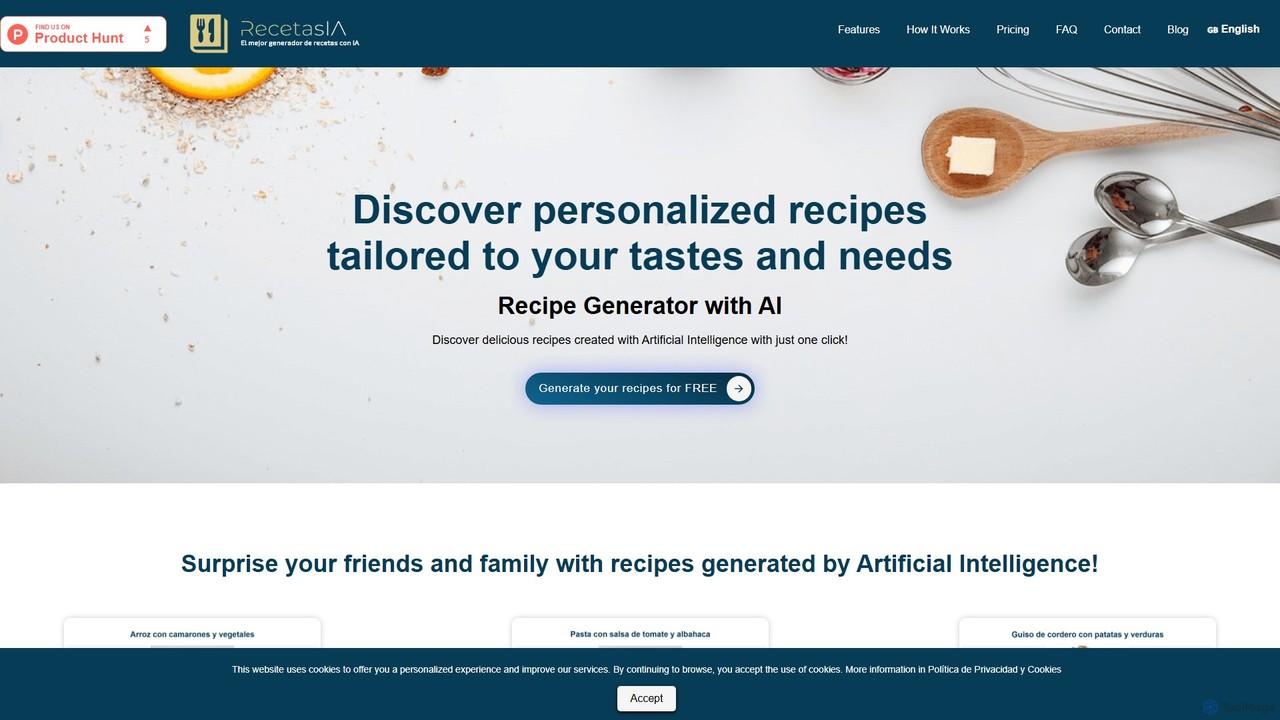
RecetasIA is an AI-powered recipe generator that creates personalized meal ideas based on your tastes, dietary restrictions, and intolerances. Simply input your preferences, and the AI instantly generates a unique recipe complete with an AI-generated image. It's perfect for overcoming cooking ruts and discovering new, delicious dishes.

Generators
Visits 5.9KFavorites 119Likes 108
kiti.ai
Paid

kiti.ai

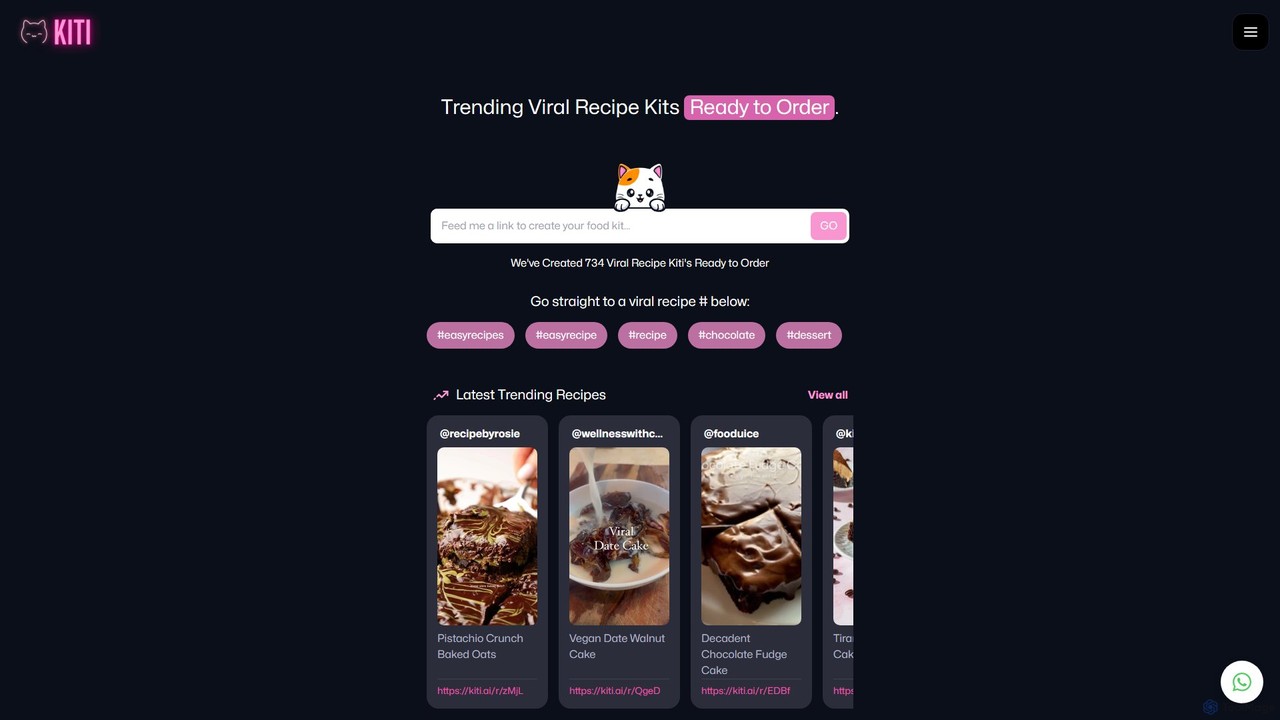
kiti.ai is an AI-powered platform that transforms viral online food recipes into ready-to-order meal kits. Simply provide a link to a recipe from social media or a blog, and kiti.ai's AI will analyze it, identify all the necessary ingredients, and assemble a complete food kit for you to purchase. It's the easiest way to cook the latest trending dishes at home without the hassle of grocery shopping.

Shopping Assistant
Visits 9.2KFavorites 127Likes 147
SmartChef
Freemium

SmartChef

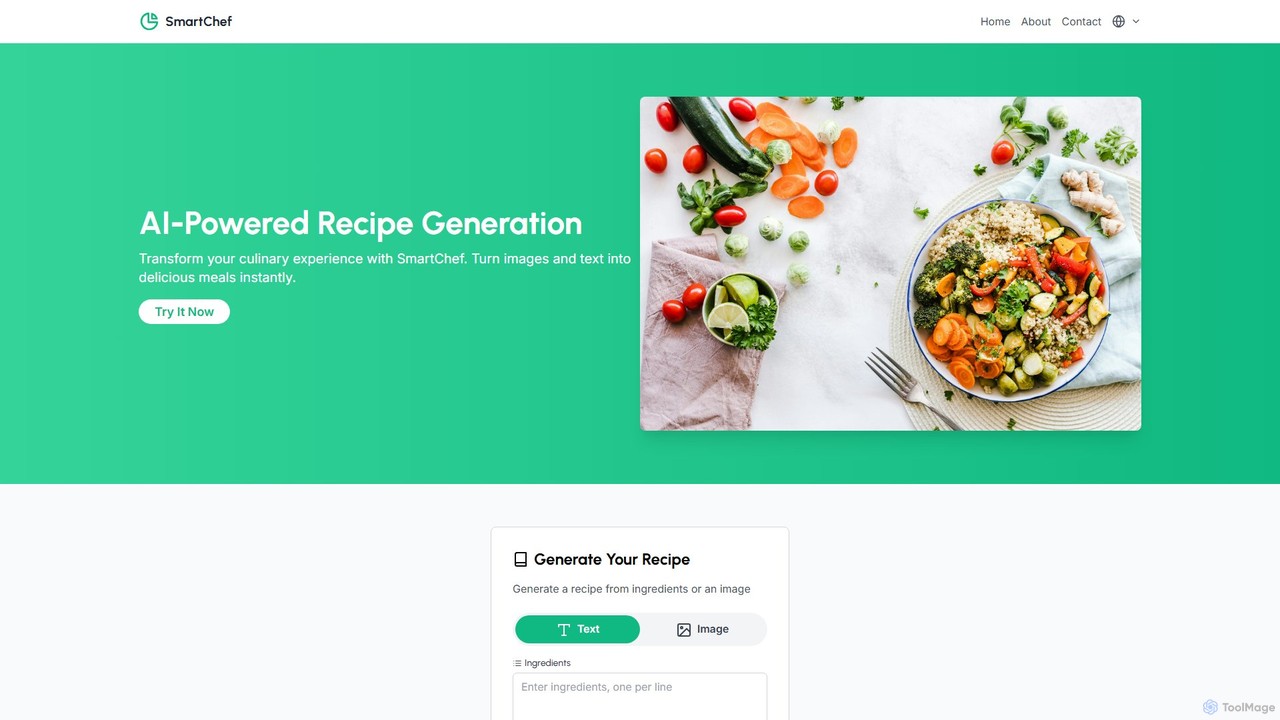
SmartChef is an AI-powered recipe generator that transforms your cooking experience. Instantly create delicious recipes from photos of your ingredients or simple text descriptions. It supports various dietary needs, cooking times, and cuisines, helping you reduce food waste and discover new meals effortlessly.

Generators
Visits 5.9KFavorites 130Likes 126
CookFast
Paid

CookFast

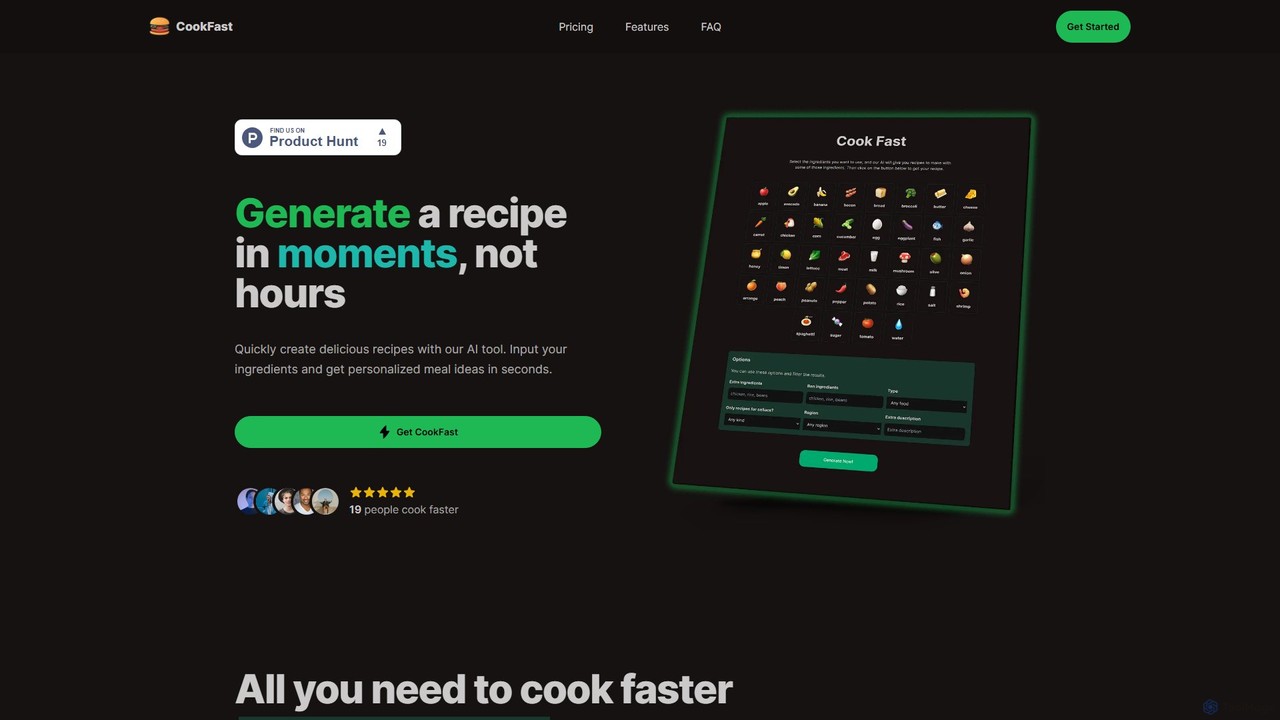
CookFast is an AI-powered recipe generator that creates delicious, healthy meals in seconds. Simply input the ingredients you have on hand, specify dietary needs like gluten-free, and let the AI craft personalized recipes for you, saving time and reducing food waste.

Diet And Nutrition
Visits 6KFavorites 133Likes 118

About Food And Drink

AI Food And Drink tools are applications that leverage artificial intelligence to enhance culinary experiences, from meal planning to recipe discovery. These tools use machine learning algorithms to analyze vast databases of recipes, nutritional information, and user preferences to provide personalized recommendations. They help users discover new dishes, manage dietary restrictions, and streamline their cooking process. The primary value lies in making cooking more creative, accessible, and aligned with individual health goals.

Core Features

  • AI Recipe Generation: Creates unique recipes based on available ingredients, dietary needs, or desired cuisine styles.
  • Personalized Meal Planning: Develops customized weekly or monthly meal plans according to caloric targets, nutritional goals, and taste preferences.
  • Nutritional Analysis: Estimates calories, macronutrients, and micronutrients from recipe ingredients or photos of meals.
  • Smart Pairing Suggestions: Recommends wine, beer, or other beverages that complement a specific dish.
  • Automated Grocery Lists: Generates shopping lists automatically based on selected recipes or a meal plan.

Use Cases

These tools are widely used by home cooks seeking inspiration, fitness enthusiasts tracking their nutrition, and individuals with specific dietary requirements like allergies or intolerances. Food bloggers and content creators also use them to brainstorm novel recipe ideas. They are ideal for anyone looking to simplify their meal preparation, eat healthier, or explore new culinary territories without extensive research.

How to Choose

When selecting an AI Food And Drink tool, consider the size and diversity of its recipe database. Evaluate the level of personalization available for dietary restrictions (e.g., vegan, gluten-free, keto). Assess the user interface for ease of use in meal planning and grocery list generation. Also, check for features like integration with fitness apps or smart kitchen appliances if that aligns with your needs.

Food And Drink use cases

1

Personalized Weekly Meal Planning

A busy professional wants to maintain a healthy diet but lacks the time to search for recipes and plan meals. Using an AI meal planner, they input their dietary preferences (e.g., low-carb, high-protein), allergies, and available cooking time per day. The AI instantly generates a complete 7-day meal plan with breakfast, lunch, and dinner, tailored to their caloric needs. It also creates a consolidated grocery list, which can be exported or sent directly to an online delivery service, saving hours of planning each week.

2

Creative Recipe Generation from Leftovers

A home cook wants to reduce food waste and use up ingredients in their fridge before they spoil. They open an AI recipe generator and input the items they have on hand: chicken breast, half a bell pepper, some spinach, and feta cheese. The AI analyzes these ingredients and suggests several creative recipes, such as 'Spinach and Feta Stuffed Chicken' or a 'Mediterranean Chicken Skillet'. It provides step-by-step instructions and even suggests optional pantry staples that could enhance the dish, transforming potential waste into a delicious meal.

3

Visual Calorie and Macro Tracking

A fitness enthusiast needs a quick and accurate way to log their meals for macronutrient tracking. Instead of manually entering each ingredient, they use an AI food tracking app. They simply take a photo of their plate of grilled salmon, quinoa, and broccoli. The AI's computer vision model identifies each food item, estimates the portion sizes, and provides an instant breakdown of the meal's total calories, protein, carbs, and fats. This allows for effortless and consistent tracking, helping them stay on target with their fitness goals.

4

Wine Pairing for a Dinner Party

Someone is hosting a dinner party and plans to serve a rich, tomato-based pasta dish. They are unsure which wine would pair best. Using an AI pairing tool, they input the main components of the dish: 'pasta', 'tomato sauce', 'beef', and 'herbs'. The AI analyzes the flavor profile—acidity from the tomatoes, richness from the beef—and recommends several options, such as a Chianti Classico or a Merlot. It explains why each pairing works, noting how the wine's tannins and fruit notes will complement the dish, empowering the host to make an informed and impressive choice.

5

Managing Complex Dietary Restrictions

A user with multiple dietary needs (gluten-free, dairy-free, and low-FODMAP) struggles to find recipes that are safe and appealing. They use an AI tool specifically designed for dietary management. They create a detailed profile with all their restrictions. When they search for 'chicken dinner ideas', the AI filters its entire database to show only compliant recipes. It can also adapt existing recipes, suggesting smart substitutions like using gluten-free flour or replacing high-FODMAP onions with chives, making mealtime less stressful and more enjoyable.

6

Exploring New Cuisines and Flavors

An adventurous home cook wants to try making Thai food for the first time but feels intimidated by the new ingredients and techniques. They use an AI food tool to explore the cuisine. They can search for 'beginner Thai recipes' or ask the AI to generate a simple Pad Thai recipe. The tool provides a clear ingredient list with pictures and potential substitutions, detailed step-by-step instructions, and even links to video tutorials for complex techniques like making the sauce. This guided approach lowers the barrier to entry for exploring global cuisines.

Food And Drink FAQ

What are AI Food And Drink tools?

AI Food And Drink tools are software applications that use artificial intelligence to assist with various culinary tasks. They function as smart assistants for cooking, meal planning, and nutritional tracking. Core features often include generating recipes based on ingredients, creating personalized meal plans for specific dietary needs, analyzing the nutritional content of meals, and suggesting food and beverage pairings. These tools aim to make cooking more efficient, creative, and tailored to individual health goals and preferences.

How to choose the right AI meal planner?

When selecting an AI meal planner, consider these key factors:

  • Customization Depth: Check how well it handles specific dietary needs, such as allergies, intolerances (e.g., gluten-free, dairy-free), and popular diets (e.g., keto, vegan). The more detailed your profile can be, the better.
  • Recipe Database: Look for a tool with a large and diverse database of recipes to ensure variety and prevent meal fatigue.
  • User Interface: The app should be intuitive and easy to navigate for planning meals, editing schedules, and generating grocery lists.
  • Integration: Consider if it integrates with other services you use, like grocery delivery platforms or fitness tracking apps, to streamline your workflow.
What's the difference between an AI recipe generator and a standard recipe website?

The key difference lies in personalization and dynamism. A standard recipe website offers a static, searchable database of pre-written recipes. You find what's already there. An AI recipe generator, on the other hand, can create new, unique recipes on the fly based on your specific inputs. You can provide a list of ingredients you have, and it will generate a recipe for you, something a static website cannot do. AI tools also learn from your preferences over time to provide increasingly tailored suggestions, offering a more interactive and personalized cooking experience.

Can AI tools for Food and Drink handle specific dietary needs like allergies?

Yes, many advanced AI Food And Drink tools are specifically designed to handle complex dietary needs. Users can typically create a detailed profile specifying allergies (e.g., nuts, shellfish), intolerances (e.g., lactose, gluten), and dietary preferences (e.g., vegan, paleo). The AI then uses this information to filter out unsafe recipes and suggest suitable alternatives. However, it is crucial to always double-check the generated recipes and ingredient lists, as the accuracy can vary between tools. They are powerful aids, but should not replace professional medical or nutritional advice for severe allergies.

Who can benefit from using AI Food And Drink tools?

A wide range of people can benefit from these tools. This includes:

  • Busy Professionals and Parents: For quick meal planning and automated grocery lists to save time.
  • Home Cooks: To discover new recipes, use up leftover ingredients, and break out of a cooking rut.
  • Fitness Enthusiasts: For precise calorie and macronutrient tracking to meet health and performance goals.
  • Individuals with Dietary Restrictions: To easily find safe and enjoyable recipes that fit their specific health needs.
  • Beginner Cooks: To learn new techniques and explore different cuisines with guided, step-by-step instructions.