strangify
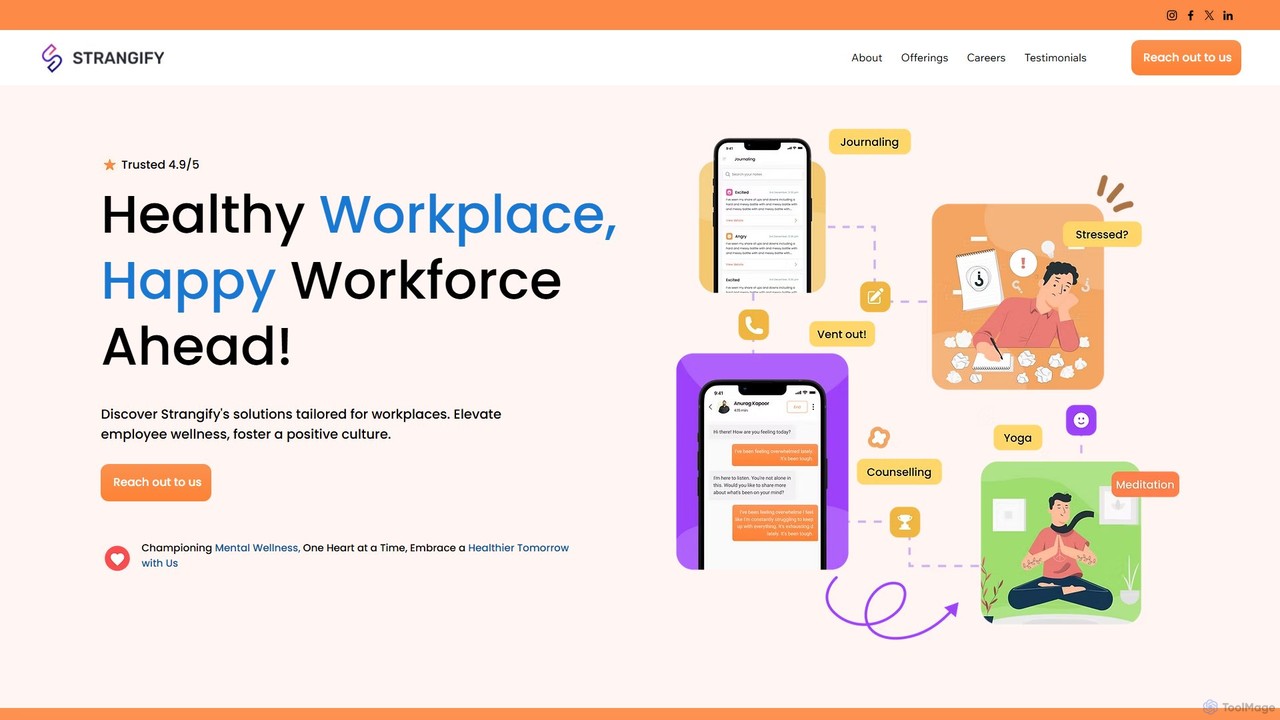
Strangify is a mental wellness platform designed for both individuals and workplaces. It provides a safe, anonymous space …
Strangify is a mental wellness platform designed for both individuals and workplaces. It provides a safe, anonymous space for users to connect with empathetic listeners and licensed counselors, practice mindfulness through guided sessions, and express themselves via private journaling, aiming to reduce stress and improve overall emotional well-being.
Accha FM
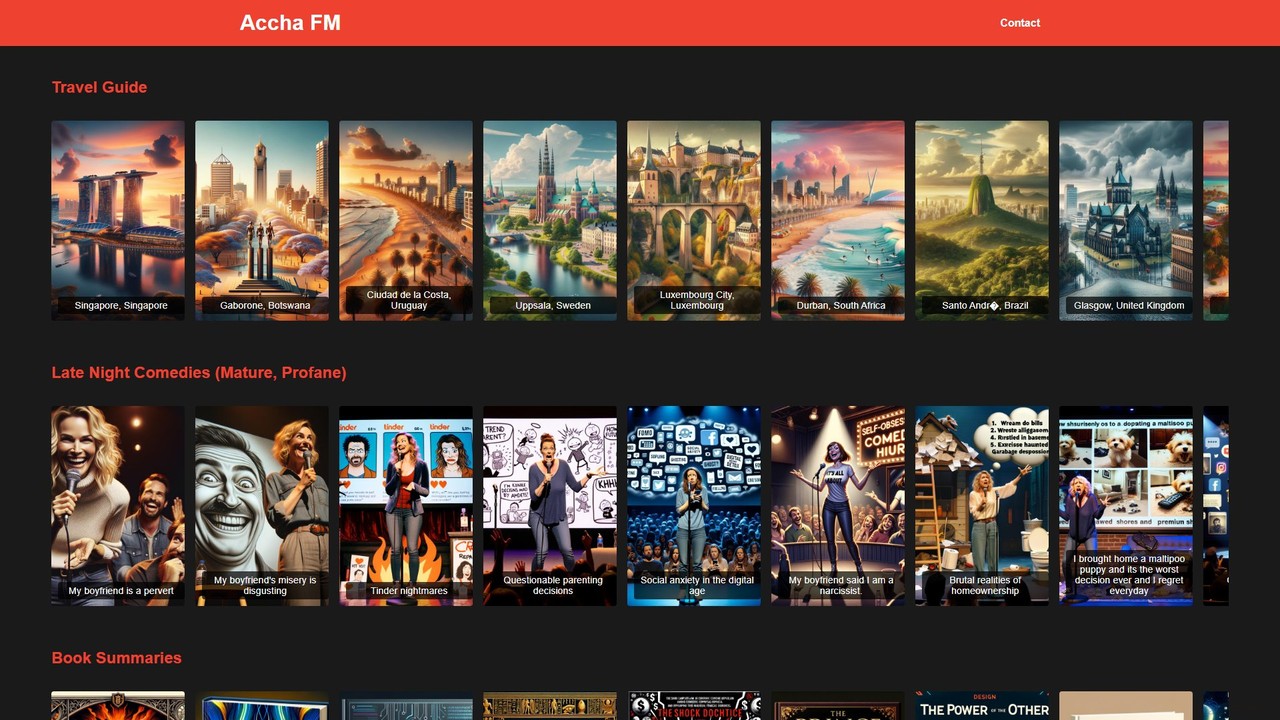
Accha FM is a revolutionary AI-powered audio entertainment super app. It offers a vast library of short-form, on-demand …
Accha FM is a revolutionary AI-powered audio entertainment super app. It offers a vast library of short-form, on-demand audio content across dozens of categories, including book summaries, fun education, comedy, meditation, and kids' stories. Generated entirely by AI, the content is always fresh, diverse, and perfect for quick learning or entertainment on the go. Simply browse, select a topic, and press play to dive into a world of audio knowledge and fun.
PUTI
PUTI is a revolutionary Web3 mental well-being platform that combines meditation with a 'Breathe-to-Earn' model. Using AI-powered personalization, …
PUTI is a revolutionary Web3 mental well-being platform that combines meditation with a 'Breathe-to-Earn' model. Using AI-powered personalization, it offers guided breathing and meditation exercises, rewarding users with crypto assets for their mindfulness practice. It aims to build a sustainable habit of mental wellness by providing tangible incentives.

Mental Mentor
Mental Mentor is an AI-powered wellness app designed to guide you towards harmony and well-being. It offers personalized …
Mental Mentor is an AI-powered wellness app designed to guide you towards harmony and well-being. It offers personalized meditations, affirmations, and success programming to improve all areas of your life. With an AI mentor providing daily assignments and expert-backed practices, you can reduce stress, improve sleep, and achieve your personal goals.
TranquilFibroids
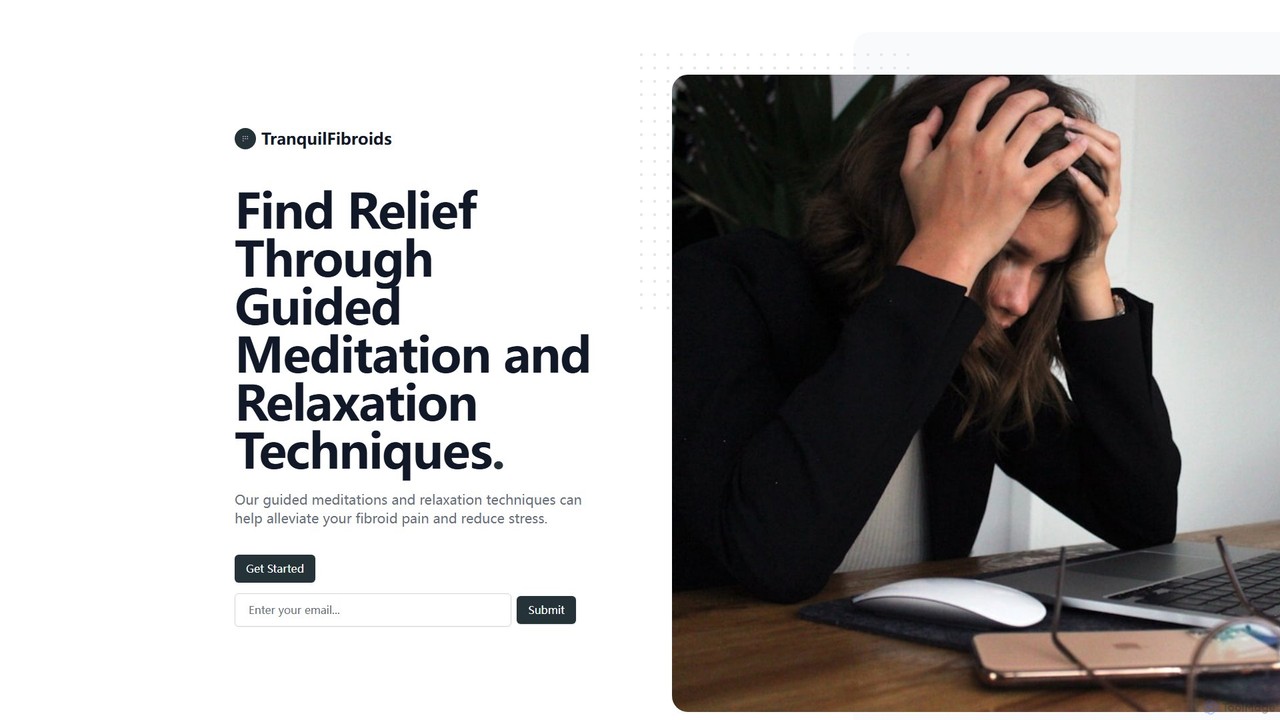
TranquilFibroids is an AI-powered wellness platform offering guided meditations and relaxation techniques specifically designed for fibroid pain relief. …
TranquilFibroids is an AI-powered wellness platform offering guided meditations and relaxation techniques specifically designed for fibroid pain relief. It helps users manage pain, reduce stress, and improve overall well-being through scientifically-backed mindfulness practices. Accessible anytime, anywhere, it provides a non-invasive, supportive tool for women navigating the challenges of fibroids.
About Meditation
AI Meditation tools are applications that leverage artificial intelligence to deliver personalized and adaptive mindfulness sessions. Unlike traditional apps with fixed libraries, these tools use algorithms to analyze user data—such as mood, goals, or real-time biometrics—to create unique experiences. They aim to make meditation more effective and engaging by dynamically adjusting guidance, soundscapes, and exercises to the user's present state. This data-driven approach helps individuals build a more consistent and impactful mindfulness practice.
Core Features
- Personalized Guidance: Generates meditation scripts and routines based on your stated goals, mood logs, and past performance.
- Biofeedback Integration: Syncs with wearables to monitor metrics like heart rate (HRV) and adjusts sessions in real-time to deepen relaxation or focus.
- Generative Audio: Creates unique, non-repeating soundscapes or binaural beats to prevent auditory fatigue and enhance immersion.
- Adaptive Coaching: Features AI instructors that modify their pace, tone, and instructions based on user progress and feedback.
- Data-Driven Insights: Analyzes session data to provide reports on stress reduction, focus improvement, and consistency.
Use Cases
These tools are widely used by individuals seeking to manage stress, improve sleep quality, and enhance mental focus. Professionals in high-pressure jobs use them for daily mental resets, while students leverage them to improve concentration for studying. They are also valuable for athletes focusing on mental recovery and anyone looking to build emotional resilience through a guided, responsive practice.
How to Choose
When selecting an AI Meditation tool, consider the level of personalization and whether it supports biofeedback from your devices. Evaluate the variety of content, including guided sessions, soundscapes, and breathing exercises. Scrutinize the app's data privacy policy, as you will be sharing sensitive information. Finally, compare pricing models, such as subscriptions or one-time purchases, to find one that fits your budget and commitment level.
MeditationUse Cases
Managing Work-Related Stress with Biofeedback
A project manager in a high-pressure tech company uses an AI meditation app to cope with daily stress. The app syncs with their smartwatch to monitor heart rate variability (HRV). When it detects rising stress levels during the workday, it sends a notification suggesting a 5-minute guided breathing exercise. During the session, the AI-generated ambient soundscape subtly adjusts its rhythm based on real-time HRV data, helping to guide their breathing and effectively lower their heart rate, leading to a calmer and more focused state of mind to tackle the next task.
Improving Focus Before an Exam
A university student preparing for final exams uses an AI tool to enhance their concentration. Before each study session, they input their current mental state (e.g., 'anxious', 'distracted'). The AI then generates a custom 10-minute 'focus meditation' session. It creates a unique binaural beats track designed to promote alpha brainwave activity, associated with a state of relaxed alertness. The student finds that this personalized pre-study ritual significantly reduces mental clutter and allows them to absorb information more effectively, improving their overall study efficiency.
Creating a Personalized Sleep Journey
An individual struggling with inconsistent sleep uses an AI meditation app that offers adaptive 'Sleep Journeys'. Each night, the user answers a few questions about their day's energy and stress levels. Based on these inputs, the AI dynamically crafts a unique guided meditation. It might start with a calming body scan and transition into a generative soundscape of gentle rain that never repeats. The AI monitors for signs of sleep onset (e.g., via microphone detecting changes in breathing) and gradually fades out the narration, leaving only the soothing sounds to prevent abrupt awakenings, thus creating a seamless transition into deep sleep.
Learning Foundational Mindfulness Techniques
A beginner new to meditation uses an AI coach to learn the basics. The app provides an interactive, structured program. In the first lesson on mindful breathing, the AI instructor provides clear instructions. After the session, the user is prompted to describe their experience. If they report 'my mind kept wandering,' the AI adapts the next session to include more frequent, gentle reminders to return to the breath. This responsive feedback loop accelerates the learning process, making it feel like a one-on-one session with a human teacher who understands their specific challenges.
Enhancing Post-Workout Mental Recovery
An athlete uses an AI meditation tool as part of their recovery routine. After a strenuous training session, they select a 'Post-Workout Recovery' meditation. The app, connected to their heart rate monitor, guides them through a body scan. The AI's voice model is specifically trained to have a calming and deep tone. It paces the guidance based on how quickly their heart rate returns to a resting state, spending more time on body parts where tension might be held. This bio-integrated approach ensures the meditation is optimally timed for physiological recovery, helping to reduce muscle tension and mental fatigue more effectively.
Navigating Difficult Emotions with AI Guidance
A user feeling overwhelmed by anxiety opens their AI meditation app and selects the 'Work with Emotions' feature. They type in 'I feel anxious about a presentation.' The AI acknowledges the feeling and generates a targeted 7-minute session based on mindfulness techniques for anxiety. The AI guide's voice is empathetic and reassuring. It leads the user through a practice of naming the emotion without judgment and observing the physical sensations associated with it. This personalized, on-demand support provides an immediate tool for emotional regulation, helping the user to ground themselves and reduce the intensity of their anxiety.