ToolMage
Sign in

Best 1 Money Management AI tools for Lifestyle

Popular Money Management AI tools in Lifestyle include Goodbudget, helping you work more efficiently.

Goodbudget
Freemium

Goodbudget

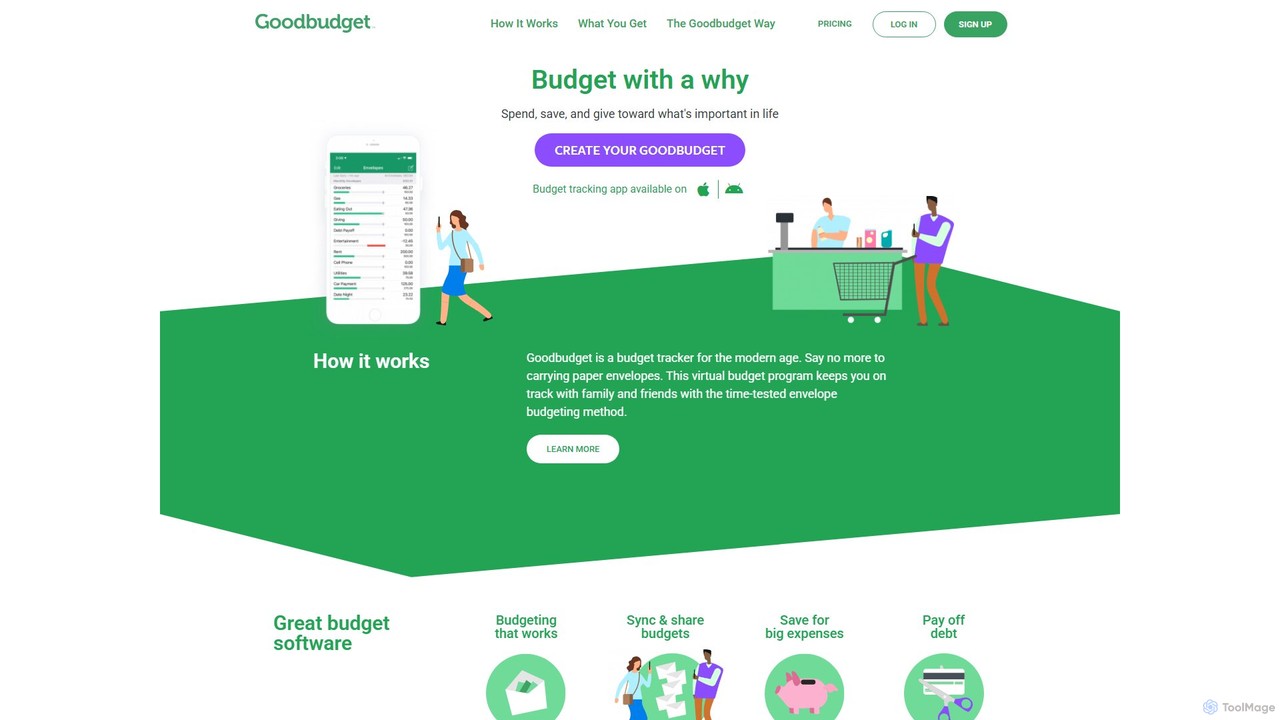
Goodbudget is a digital envelope budgeting app for personal finance management, based on the time-tested envelope system. It helps individuals and couples proactively plan their spending, save for big goals, and pay off debt. Available on Web, Android, and iPhone, it facilitates shared budgeting with real-time syncing.

Budgeting
Visits 307.4KFavorites 110Likes 111

About Money Management

Money Management AI tools are intelligent applications designed to help individuals and businesses automate, analyze, and optimize their financial activities. Leveraging advanced artificial intelligence and machine learning algorithms, these tools process vast amounts of financial data to provide personalized insights, track expenses, manage budgets, and offer strategic financial planning. They empower users to make informed decisions, improve financial health, and achieve monetary goals more efficiently, seamlessly integrating into their daily lifestyle management.

Core Features

  • Automated Expense Tracking: Automatically categorizes transactions from linked bank accounts and credit cards, providing a granular overview of spending habits and identifying areas for potential savings.
  • Budgeting & Forecasting: Enables users to create realistic budgets based on income and spending patterns, monitor adherence in real-time, and predict future cash flow with greater accuracy.
  • Investment Analysis & Recommendations: Analyzes portfolio performance, identifies potential investment opportunities based on market trends and user risk tolerance, and offers personalized advice for optimization.
  • Debt Management Strategies: Provides tailored plans, simulations, and actionable steps to help users efficiently reduce and manage various types of debt, including credit cards and loans.
  • Personalized Financial Insights: Delivers proactive, actionable recommendations for saving, spending, and investing, leveraging AI to understand individual financial patterns and suggest optimal strategies.
  • Fraud Detection & Security Alerts: Monitors transactions for unusual activity, providing real-time alerts to help protect against potential fraud and unauthorized spending.

Applicable Scenarios

These tools are invaluable for individuals seeking to gain granular control over personal finances, small business owners managing operational budgets and cash flow, and investors looking for data-driven portfolio optimization. They streamline tasks like monthly budget reviews, tracking business expenses for tax purposes, identifying areas for financial improvement, and planning for major life events such as retirement or home purchase.

How to Choose

When selecting a Money Management AI tool, consider its comprehensive feature set (e.g., budgeting, investing, debt management, tax prep assistance), its integration capabilities with your existing banks and other financial platforms, the robustness of its security protocols and data privacy policies, and the clarity and intuitiveness of its user interface. Evaluate the level of personalization and the accuracy of its AI-driven insights to ensure it effectively meets your specific financial goals and lifestyle needs.

Money Management use cases

1

Personal Budgeting and Expense Optimization

An individual uses an AI money management tool to automatically categorize all monthly transactions from linked bank accounts and credit cards. The tool identifies recurring subscriptions, highlights overspending in specific categories like dining out, and suggests a revised budget plan, helping the user save 15% more each month towards a down payment on a house.

2

Small Business Cash Flow Management

A small business owner integrates an AI financial tool with their business bank accounts and accounting software. The AI automatically tracks income and expenses, forecasts future cash flow based on sales patterns, and alerts the owner to potential shortfalls or surplus funds, enabling proactive financial decisions and ensuring operational stability.

3

Automated Investment Portfolio Monitoring

An investor connects their brokerage accounts to an AI money management platform. The tool continuously analyzes market trends, assesses the risk profile of their portfolio, and provides real-time alerts on underperforming assets or new investment opportunities, helping them rebalance their portfolio to align with long-term financial goals.

4

Strategic Debt Reduction Planning

A user with multiple credit card debts and a student loan inputs their financial obligations into an AI money management tool. The AI analyzes interest rates, minimum payments, and available funds to generate an optimized debt repayment strategy (e.g., snowball or avalanche method), projecting the fastest path to becoming debt-free and saving on interest.

5

Streamlined Tax Data Aggregation

A freelancer utilizes an AI money management tool to automatically tag and categorize all business-related income and expenses throughout the year. When tax season arrives, the tool generates comprehensive reports, summarizing deductible expenses and income sources, significantly reducing the time and effort required for tax preparation and ensuring accuracy.

6

Financial Goal Setting and Progress Tracking

A young professional sets a goal to save for retirement and a new car within five years. The AI money management tool helps them break down these large goals into manageable monthly savings targets, tracks their progress in real-time, and provides nudges or adjustments based on their spending habits, keeping them motivated and on track.

Money Management FAQ

What are Money Management AI tools?

Money Management AI tools are software applications that leverage artificial intelligence and machine learning to help users manage their finances. They automate tasks like expense tracking, budgeting, and financial reporting, providing data-driven insights and personalized recommendations to optimize spending, saving, and investing. These tools aim to simplify complex financial processes for individuals and businesses.

How do AI tools enhance traditional money management?

AI tools enhance traditional money management by offering automation, personalization, and predictive analytics that manual methods lack. They can automatically categorize transactions, identify spending patterns, forecast future financial scenarios, and provide real-time alerts for unusual activity or investment opportunities. This leads to more accurate insights, significant time savings, and more informed financial decision-making compared to traditional spreadsheets or basic budgeting apps.

What security measures do Money Management AI tools employ?

Reputable Money Management AI tools prioritize robust security measures to protect sensitive financial data. This typically includes bank-level encryption (e.g., 256-bit AES), multi-factor authentication (MFA), and strict data privacy policies compliant with regulations like GDPR or CCPA. They often use read-only access to financial accounts, meaning they can view transactions but cannot initiate transfers or payments, ensuring an added layer of security.

Can Money Management AI tools help with investments?

Yes, many Money Management AI tools offer significant assistance with investments. They can connect to brokerage accounts to monitor portfolio performance, analyze market trends, assess risk tolerance, and identify diversification opportunities. Some tools even provide AI-driven recommendations for asset allocation or rebalancing, helping users make more strategic investment decisions aligned with their financial goals, though they typically do not execute trades directly.

How to choose the best Money Management AI tool for personal use?

To choose the best Money Management AI tool for personal use, consider several factors. First, evaluate the specific features you need, such as budgeting, debt management, investment tracking, or tax preparation assistance. Second, check for seamless integration with your existing bank accounts and other financial services. Third, prioritize tools with strong security protocols and transparent data privacy policies. Finally, assess the user interface for ease of use and the clarity of its financial insights, often considering free trials or user reviews.