gbMeals
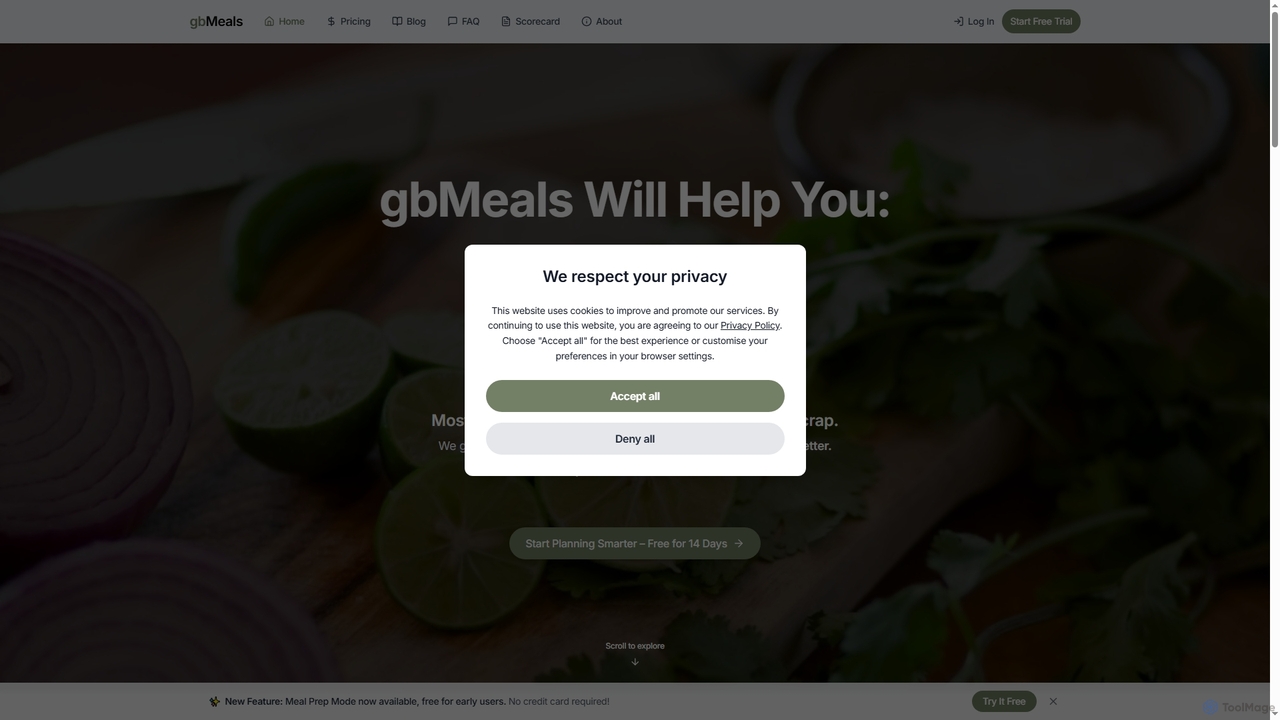
gbMeals is an AI-powered meal planning service that provides personalized weekly meal plans and smart shopping lists. It …
gbMeals is an AI-powered meal planning service that provides personalized weekly meal plans and smart shopping lists. It helps users eat better, save money on groceries, and free up time by simplifying healthy eating decisions, tailored to individual preferences and dietary needs.
FoodIntake
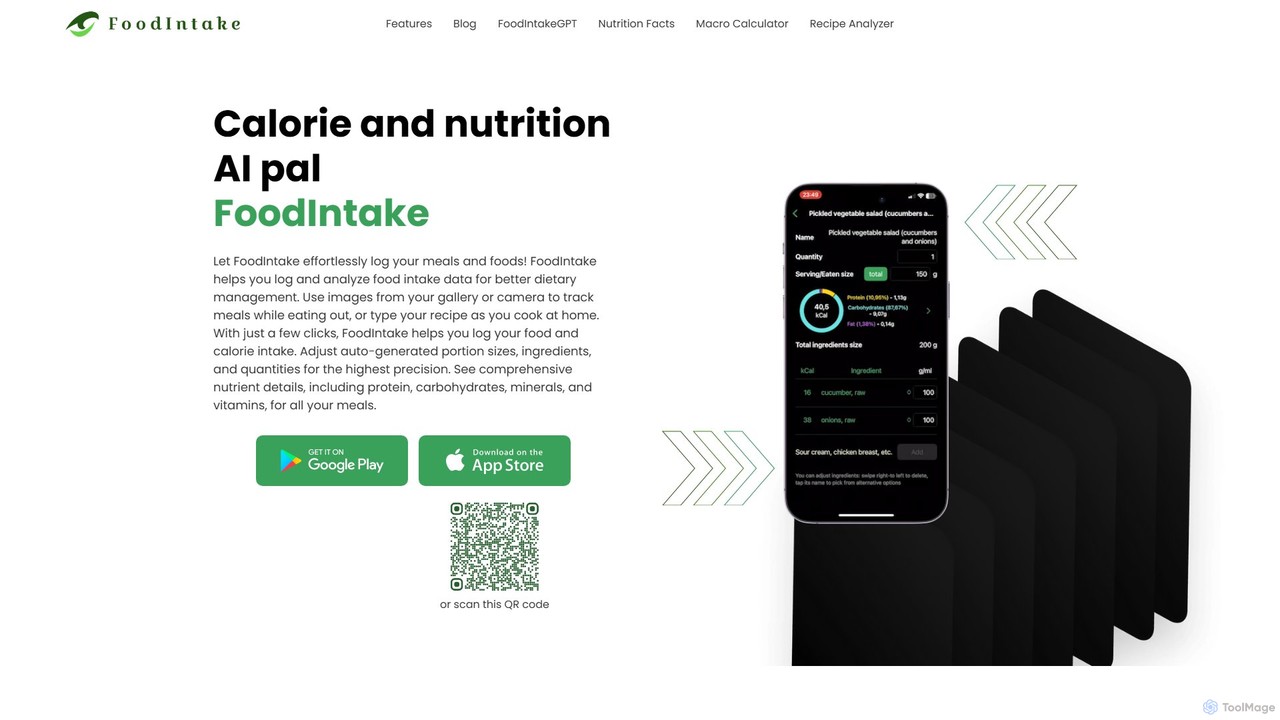
FoodIntake is an AI-powered app that simplifies food tracking. Log meals via text, barcode, or photo, and get …
FoodIntake is an AI-powered app that simplifies food tracking. Log meals via text, barcode, or photo, and get detailed analysis of calories, macros, and nutrients. It connects to a vast food database, provides personalized health goals, and integrates with Apple Health to help you achieve your diet and fitness objectives.

jamies
jamies is an AI-powered personal fitness coach and companion available on iOS and Android. It offers personalized workout …
jamies is an AI-powered personal fitness coach and companion available on iOS and Android. It offers personalized workout and nutrition plans that adapt to your goals, progress, and preferences. Explore a wide range of workouts like HIIT, Yoga, and Kickboxing, and achieve your fitness objectives with tailored guidance.
Hit Cal
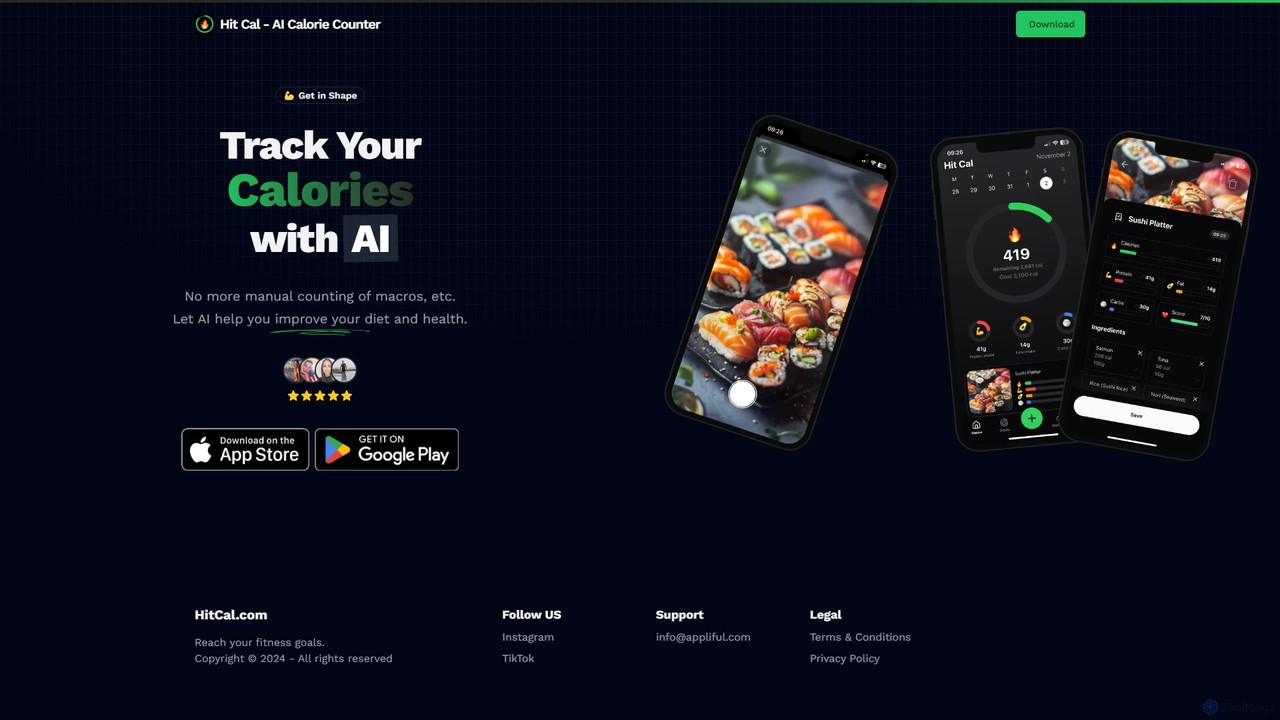
Hit Cal is an AI-powered calorie and nutrition tracker that simplifies health management. Ditch manual counting and let …
Hit Cal is an AI-powered calorie and nutrition tracker that simplifies health management. Ditch manual counting and let AI analyze your meals from photos, text, or voice. Get personalized meal plans, track macronutrients, and receive intelligent insights to achieve your fitness and diet goals effortlessly.
Cal AI
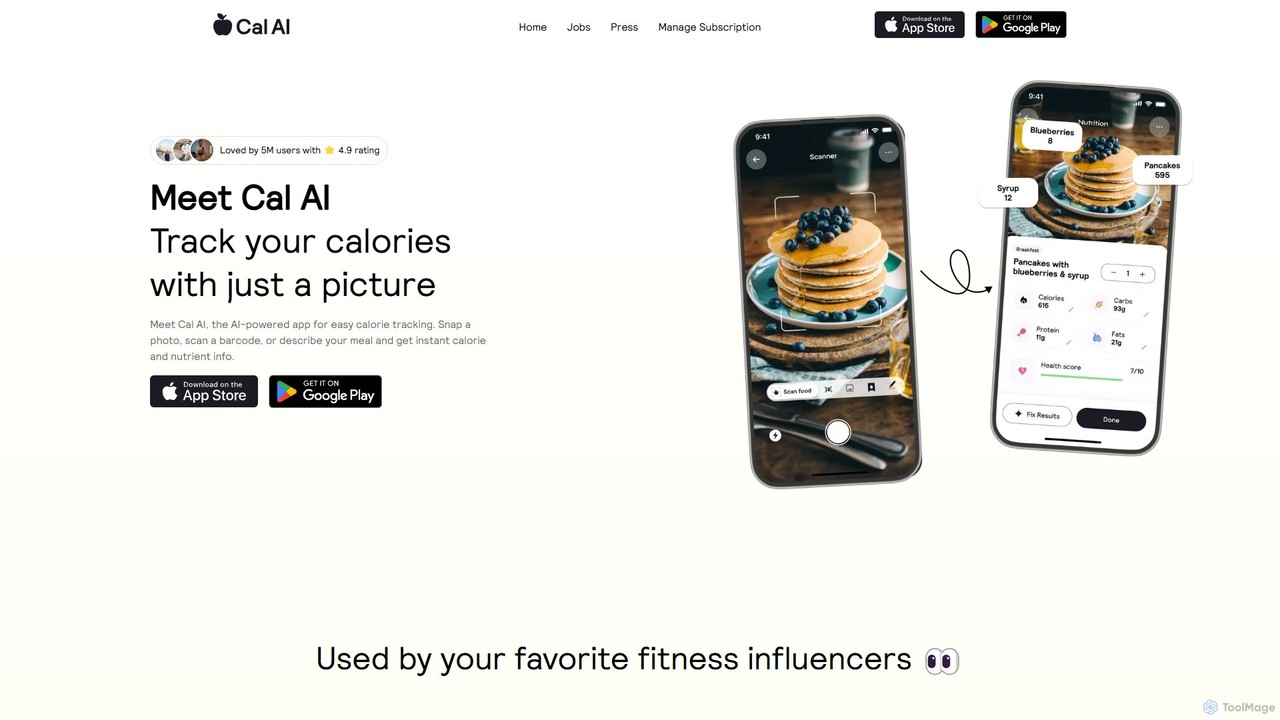
Cal AI is an intelligent calorie and macro tracker app that uses AI to make food logging fast, …
Cal AI is an intelligent calorie and macro tracker app that uses AI to make food logging fast, accurate, and effortless. Simply snap a photo of your meal, and the app automatically identifies the food and its nutritional information, helping you achieve your health and fitness goals with ease.
MikeAI
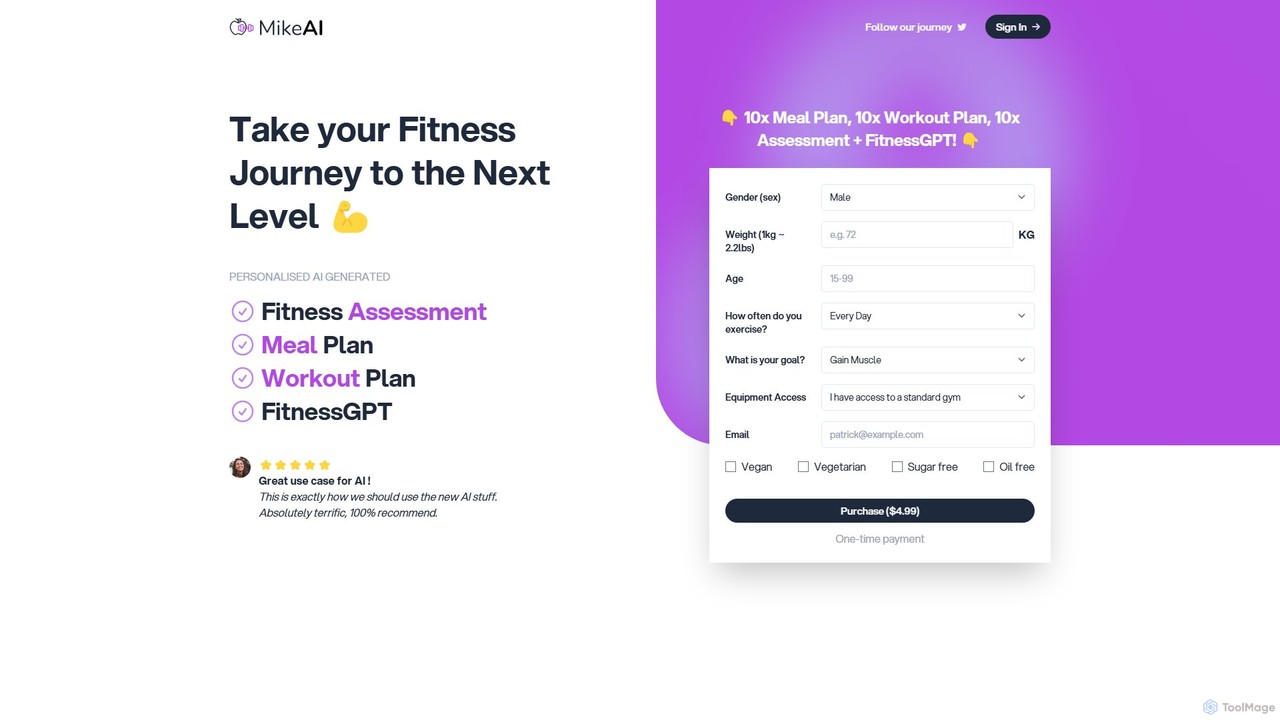
MikeAI is a personalized AI fitness coach that generates custom meal plans, workout routines, and fitness assessments. By …
MikeAI is a personalized AI fitness coach that generates custom meal plans, workout routines, and fitness assessments. By analyzing your goals, body type, and dietary preferences, it creates tailored plans to help you lose weight, gain muscle, or get fit. It also features FitnessGPT, an AI chatbot for instant answers to your fitness questions, and a recipe generator to keep your diet interesting.
About Nutrition
AI Nutrition tools are applications that leverage artificial intelligence to provide personalized dietary guidance and analysis. They use machine learning algorithms to analyze user data—such as health goals, dietary restrictions, and activity levels—to create customized meal plans and nutritional insights. These tools help users make informed food choices, track their intake accurately, and achieve specific health outcomes like weight management or performance optimization. They offer a more dynamic and adaptive approach compared to static diet plans.
Core Features
- Personalized Meal Planning: Generates meal plans tailored to individual goals, preferences, and dietary needs.
- Food Image Recognition: Identifies food items from photos to automatically estimate nutritional information.
- Intelligent Dietary Tracking: Logs food intake and provides detailed analysis of macronutrient and micronutrient balance.
- AI-Powered Recipe Generation: Creates or adapts recipes to fit specific health requirements and available ingredients.
- Symptom Correlation Analysis: Helps identify potential links between food intake and physical symptoms like bloating or fatigue.
Use Cases
These tools are widely used by individuals aiming for weight loss or muscle gain, athletes optimizing their performance, and people managing dietary restrictions like allergies or veganism. Nutritionists and dietitians also use them to create and monitor client meal plans more efficiently.
How to Choose
When selecting an AI Nutrition tool, consider the accuracy of its food database, the depth of personalization options, and its integration capabilities with fitness trackers. Also, evaluate the user interface for ease of tracking and the scientific basis for its recommendations.
NutritionUse Cases
Create a Personalized Weight Management Plan
An individual aiming to lose weight inputs their current stats, goal weight, and food preferences. The AI tool generates a weekly meal plan with a calculated calorie deficit, complete with recipes and shopping lists. It dynamically adjusts the plan based on logged weigh-ins and activity data synced from a fitness tracker, ensuring progress remains consistent and sustainable.
Optimize Nutrition for Athletic Performance
A competitive cyclist uses an AI nutrition app to fuel their training and recovery. The tool creates a detailed nutrition strategy, timing carbohydrate intake for energy before long rides and protein for muscle repair afterward. It analyzes performance data to recommend specific micronutrients that could enhance endurance and reduce fatigue.
Manage Complex Food Allergies
A parent of a child with multiple food allergies (e.g., nuts, dairy, soy) uses an AI tool to simplify meal planning. They input all restricted ingredients, and the AI generates a variety of safe, balanced, and kid-friendly recipes. The tool can also scan product barcodes at the grocery store to instantly check for allergens.
Identify Potential Food Intolerance Triggers
A user experiencing chronic bloating and discomfort logs their daily meals and symptoms in the app. After several weeks, the AI's pattern recognition algorithm identifies a strong correlation between their symptoms and the consumption of high-FODMAP foods. This insight helps them and their doctor formulate an effective elimination diet.
Simplify a Transition to a Plant-Based Diet
Someone new to veganism uses an AI nutrition tool to ensure they are meeting all their nutritional needs without animal products. The app tracks key micronutrients like iron, calcium, and Vitamin B12, suggesting fortified foods and plant-based recipes to prevent deficiencies and create a balanced, sustainable diet.
Generate Diet Plans for Nutritionist Clients
A registered dietitian uses an AI platform to streamline their workflow. Instead of manually creating meal plans, they input a client's specific medical needs, goals, and preferences. The AI generates a scientifically-backed draft plan, which the dietitian can then review, customize, and share with the client through the app for real-time monitoring and feedback.