AlterMe
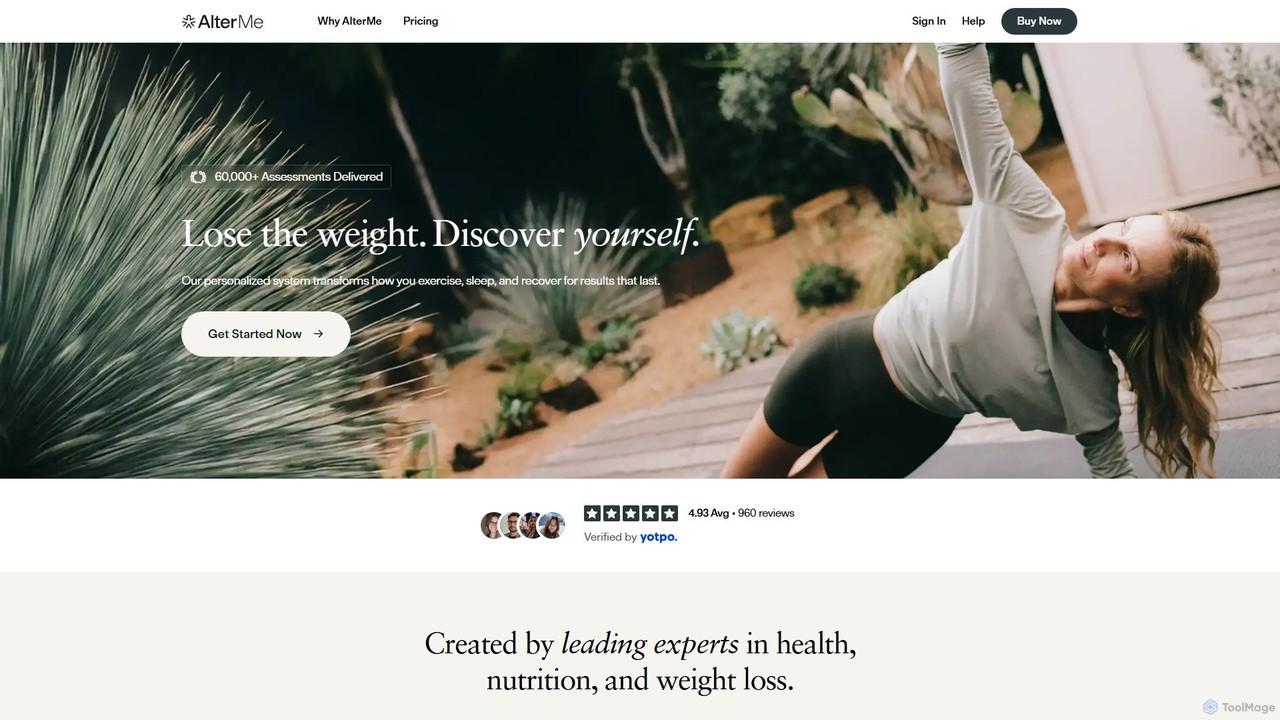
AlterMe is a hyper-personalized fitness and wellness system that uses your DNA, real-time biometrics, and AI to create …
AlterMe is a hyper-personalized fitness and wellness system that uses your DNA, real-time biometrics, and AI to create evolving workout, nutrition, and recovery plans. It combines an at-home DNA test, a smart wearable ring, and a dedicated app to deliver a holistic, science-backed program for lasting weight loss and improved health.
dailyfitnessapp
dailyfitnessapp is an AI-powered personal trainer and nutrition coach in your pocket. It creates hyper-personalized daily workout and …
dailyfitnessapp is an AI-powered personal trainer and nutrition coach in your pocket. It creates hyper-personalized daily workout and meal plans based on your goals, fitness level, and progress, using advanced AI to adapt and optimize your journey towards a healthier lifestyle.
SHRED
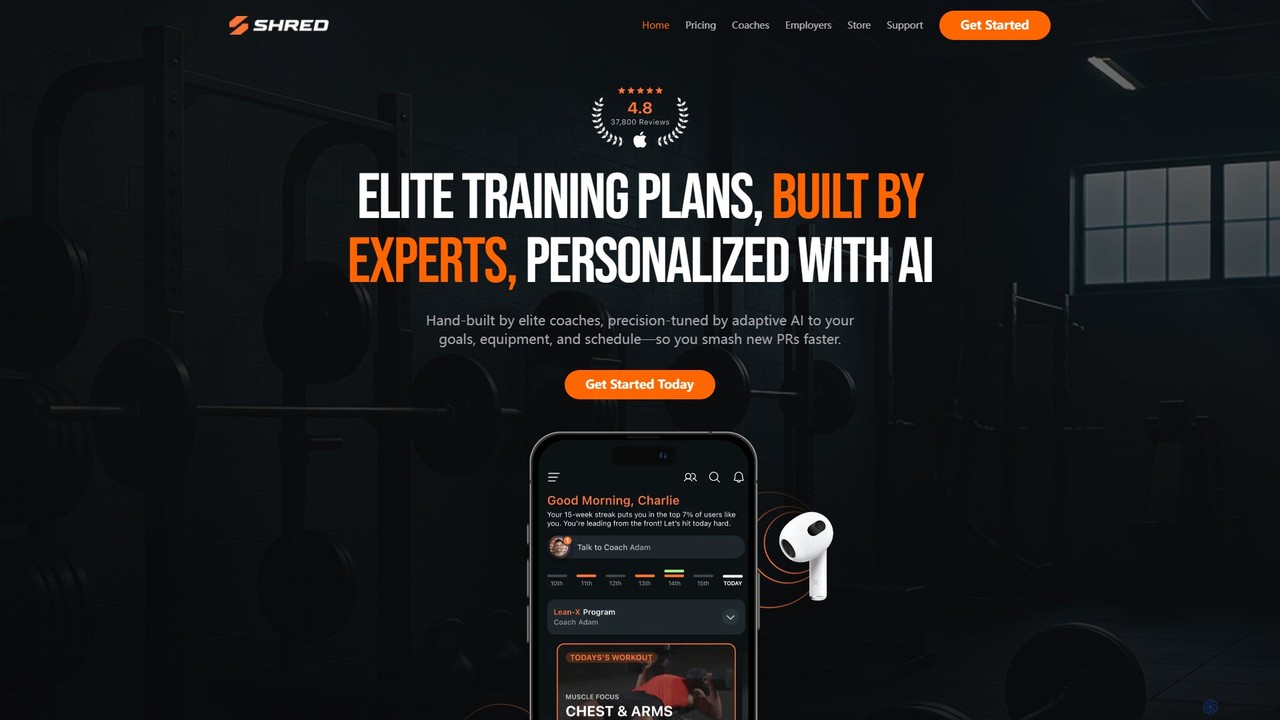
SHRED is an AI-powered fitness app that delivers elite, personalized training plans. Created by expert coaches and fine-tuned …
SHRED is an AI-powered fitness app that delivers elite, personalized training plans. Created by expert coaches and fine-tuned by adaptive AI, it customizes workouts based on your goals, available equipment, and schedule to help you achieve new personal records faster.
FitMate AI
FitMate AI is a free, privacy-focused fitness application that uses artificial intelligence to generate personalized workout routines. It …
FitMate AI is a free, privacy-focused fitness application that uses artificial intelligence to generate personalized workout routines. It requires no signups or internet connection, ensuring your fitness journey remains completely private and secure on your device. Tailor workouts to your goals, time, and fitness level with an extensive database of exercises.
About Personal Wellness
AI Personal Wellness tools are applications that use artificial intelligence to provide personalized guidance for mental, physical, and emotional health. These tools analyze user data such as activity levels, sleep patterns, and mood inputs to offer tailored recommendations and support. Their primary value lies in making proactive health management more accessible, adaptive, and engaging for individuals. By leveraging machine learning, they can identify trends and offer insights that help users build healthier habits and improve their overall well-being.
Core Features
- Personalized Plans: Generates custom fitness routines, meal plans, or meditation schedules based on individual goals and data.
- Mood & Habit Tracking: Intelligently tracks emotional states and daily habits to identify patterns and triggers.
- AI-Powered Chatbots: Provides conversational support for mental health, offering techniques like CBT or mindfulness exercises.
- Sleep Analysis: Analyzes sleep data from wearables to offer actionable advice for improving sleep quality.
- Biofeedback & Monitoring: Uses device sensors to monitor physiological signals like heart rate to guide stress-reduction exercises.
Use Cases
These tools are ideal for individuals seeking to improve their mental resilience, fitness enthusiasts looking for data-driven training plans, and anyone aiming to manage stress or improve sleep. They are also used by people managing specific dietary goals or those who want a structured, technology-assisted approach to building and maintaining healthy habits in their daily lives.
How to Choose
When selecting an AI Personal Wellness tool, consider its specific focus—whether it's mental health, fitness, nutrition, or sleep. Evaluate its data privacy policy to understand how your information is used. Check for compatibility with your existing devices, such as smartwatches. Finally, look for tools that are transparent about the scientific principles or evidence backing their recommendations.
Personal WellnessUse Cases
AI Companion for Mental Health Support
For individuals managing daily stress or anxiety, an AI wellness tool can act as a non-judgmental mental health companion. Users can engage in daily check-ins, where the AI chatbot asks guided questions to help them reflect on their emotional state. Based on the responses, the tool can suggest personalized mindfulness exercises, guided meditations, or short Cognitive Behavioral Therapy (CBT) sessions. This provides immediate, accessible support, helping users build emotional awareness and develop coping strategies without the pressure of scheduling appointments.
Creating a Personalized Fitness and Nutrition Plan
A fitness enthusiast wants to optimize their training and diet but lacks expert guidance. They use an AI wellness app to create a holistic plan. The user inputs their goals (e.g., build muscle, lose fat), current fitness level, dietary preferences, and any restrictions. The AI algorithm processes this information to generate a detailed weekly workout schedule with specific exercises and rep ranges, alongside a corresponding meal plan that meets their macronutrient targets. The plan adapts over time based on logged workout performance and progress photos, ensuring continuous optimization.
Optimizing Sleep Quality Through AI Analysis
An individual struggling with poor sleep quality uses an AI-powered app connected to their smartwatch. Each morning, the app presents a detailed analysis of their sleep stages (light, deep, REM) and identifies disruptions during the night. The AI correlates this data with user-logged daily activities, such as caffeine intake, exercise times, and stress levels. Based on these patterns, it provides specific, actionable recommendations, like 'Avoid caffeine after 2 PM' or 'Try a 10-minute wind-down routine before bed.' This data-driven approach helps the user systematically improve their sleep hygiene and energy levels.
Guided Meditation for Stress Reduction
A busy professional needs a quick and effective way to manage stress during work breaks. They use an AI wellness app that offers personalized guided meditation sessions. Instead of a static library, the AI asks the user about their current emotional state (e.g., 'anxious,' 'overwhelmed') and the time they have available (e.g., 5 minutes). It then generates a unique meditation session tailored to that specific need, with a soothing voice guide and ambient sounds. This adaptability makes it easier for the user to incorporate mindfulness into a hectic schedule, providing targeted relief when it's needed most.
Intelligent Meal Logging and Nutritional Feedback
A user wants to improve their diet but finds manual calorie counting tedious. They use an AI wellness app with a smart food logger. The user can simply take a photo of their meal, and the AI's image recognition technology identifies the food items and estimates portion sizes and nutritional content (calories, protein, carbs, fats). The app then provides real-time feedback, comparing the meal to the user's daily goals. Over time, it learns the user's eating habits and proactively suggests healthier alternatives or recipes to help them stay on track with their nutritional objectives effortlessly.
Preliminary Symptom Analysis for Health Awareness
Someone experiences mild, non-urgent symptoms and is unsure about the next steps. They use an AI-powered symptom checker to gain initial insights. The user describes their symptoms in natural language, and the AI asks a series of clarifying questions, similar to a preliminary triage. Based on a vast medical database, the tool provides a list of potential conditions and suggests an appropriate level of care (e.g., self-care, see a doctor, seek urgent care). This empowers the user with information to have a more informed discussion with a healthcare professional, while clearly stating it is not a medical diagnosis.