ToolMage
Sign in

Best 1 Personalized Services AI tools for Lifestyle

Popular Personalized Services AI tools in Lifestyle include Soul Zone, helping you work more efficiently.

Soul Zone
Freemium

Soul Zone

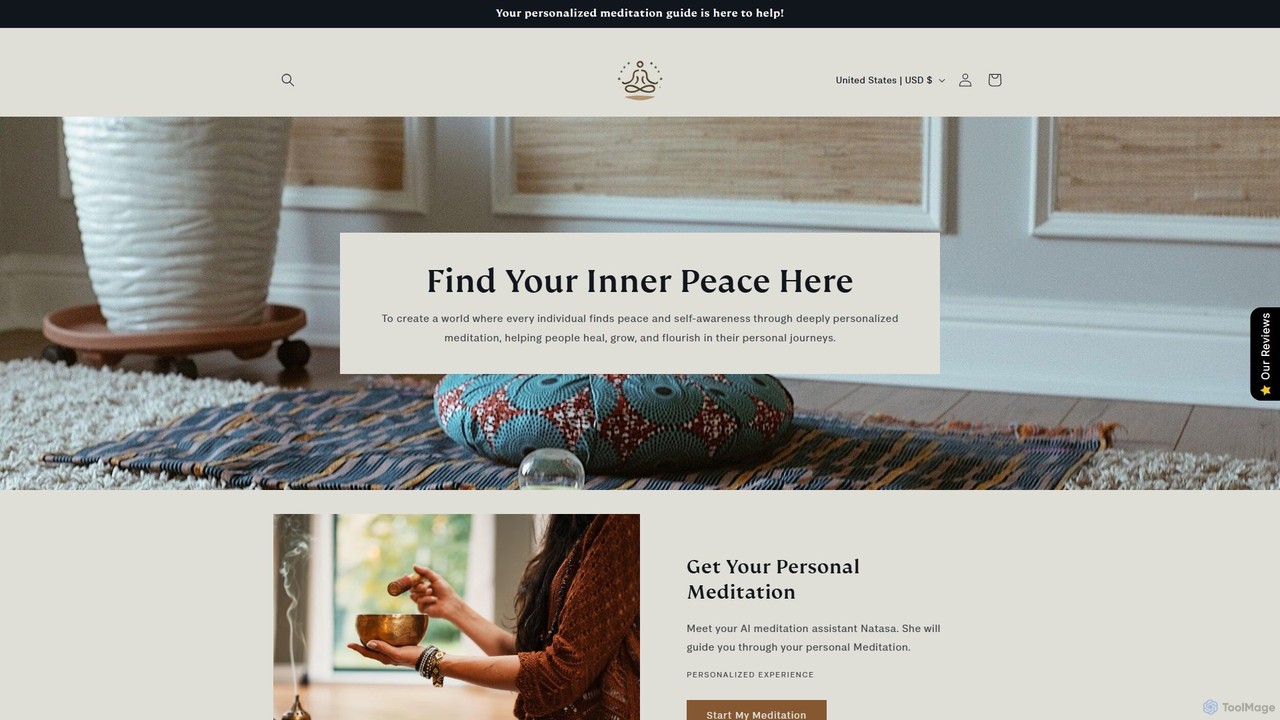
Soul Zone is a unique AI platform that creates deeply personalized meditation guides based on your personal stories. It also features a curated shop with wellness products to support your mindfulness journey, aiming to help you find inner peace and self-awareness.

Wellness Products
Visits 6.2KFavorites 123Likes 118

About Personalized Services

Personalized Services are AI-powered tools specifically designed to adapt and tailor experiences, content, or recommendations to individual user preferences, behaviors, and unique needs. Leveraging advanced machine learning algorithms and sophisticated data analysis, these services move beyond generic offerings to create truly unique, one-to-one interactions. Within the broader lifestyle domain, they significantly enhance user engagement and satisfaction by delivering highly relevant, context-aware, and proactive solutions. This category focuses on transforming how individuals interact with digital platforms and real-world services, making every touchpoint more intuitive, responsive, and deeply personal.

Core Features

  • User Profiling & Segmentation: Collects, analyzes, and categorizes individual user data, including demographics, preferences, and behavioral history, to build detailed and actionable user profiles for targeted interactions.
  • Recommendation Engines: Utilizes complex algorithms to suggest products, content, services, or activities that are highly relevant to a user's inferred interests, past interactions, and real-time context.
  • Adaptive Interfaces & Content Delivery: Dynamically modifies user interface elements, content presentation, or service workflows based on individual interaction patterns, learning styles, or accessibility needs to optimize user experience.
  • Dynamic Content Generation: Employs generative AI to create unique text, images, videos, or other media tailored specifically to a user's current context, preferences, or explicit requests, ensuring maximum relevance.
  • Predictive Personalization: Analyzes historical data and real-time signals to anticipate future user needs, actions, or potential issues, enabling proactive offering of relevant services, information, or support before a user even expresses a need.

Applicable Scenarios

These AI-driven tools are indispensable across various sectors. E-commerce platforms utilize them to personalize product suggestions, significantly boosting conversion rates and customer loyalty. Streaming services leverage them to curate unique media feeds, from movies and music to podcasts, tailored to individual viewing and listening habits. In the health and fitness industry, personalized services create custom workout plans and dietary advice, adapting to individual progress and goals. Educational platforms benefit by adapting learning paths to student performance and preferences, while marketing teams deploy them to deliver highly targeted campaigns, ensuring every message resonates uniquely with the recipient. They are also increasingly used in customer service to provide tailored support and solutions.

How to Choose

When selecting a Personalized Service tool, several critical factors should guide your decision. Foremost, evaluate its approach to data privacy and security, ensuring robust measures are in place to protect sensitive user information and comply with regulations. Assess the depth and sophistication of its personalization capabilities – how truly adaptive and granular are its offerings? Consider its integration capabilities with your existing technology stack and data sources, as seamless connectivity is crucial. Scalability is another key aspect; ensure the service can efficiently handle a growing number of users and increasing data volumes without performance degradation. Finally, examine the accuracy and relevance of its recommendation or adaptation engine, as this directly impacts user satisfaction and business outcomes.

Personalized Services use cases

1

Curating Personalized Learning Paths

Educational platforms use AI to analyze a student's learning style, progress, and knowledge gaps. Personalized Services then recommend specific courses, modules, or exercises, adapting the curriculum in real-time to optimize learning outcomes and engagement. This ensures each student receives content tailored to their individual pace and needs, maximizing their potential.

2

Tailoring E-commerce Product Recommendations

Online retailers deploy AI-driven Personalized Services to analyze customer browsing history, purchase patterns, and demographic data. This enables the system to suggest highly relevant products, promotions, and content, significantly increasing conversion rates and customer satisfaction by presenting items a user is most likely to buy.

3

Generating Custom Fitness & Wellness Plans

Health and fitness apps leverage Personalized Services to create bespoke workout routines, diet plans, and mindfulness exercises. By considering individual goals, physical condition, dietary restrictions, and progress, the AI adapts plans to ensure optimal results and sustained motivation, making wellness journeys more effective and engaging.

4

Delivering Dynamic Content for Media Consumption

Streaming services and news aggregators utilize Personalized Services to present users with a unique feed of movies, music, articles, or podcasts. The AI learns from viewing habits, ratings, and interactions to prioritize content that aligns with individual tastes, enhancing discovery and engagement, and ensuring a highly relevant media experience.

5

Automating Personalized Customer Support Responses

Businesses integrate Personalized Services into their customer support systems to provide tailored assistance. AI chatbots, informed by customer history and previous interactions, can offer specific solutions, product information, or troubleshooting steps, improving resolution times and customer experience by addressing individual needs efficiently and accurately.

6

Crafting Personalized Marketing Campaigns

Marketing teams employ Personalized Services to segment audiences and deliver highly targeted messages across various channels. The AI analyzes user behavior and preferences to customize ad creatives, email content, and landing page experiences, leading to higher engagement and ROI by ensuring marketing efforts resonate deeply with each individual.

Personalized Services FAQ

What are AI Personalized Services?

AI Personalized Services are tools that use artificial intelligence to customize experiences, content, or recommendations for individual users. They analyze data like preferences, behavior, and history to deliver highly relevant and unique interactions, making digital services feel more intuitive and tailored to specific needs within the broader lifestyle context.

How do AI Personalized Services work?

These services typically work by collecting and analyzing vast amounts of user data, including past interactions, preferences, and demographic information. Machine learning algorithms then identify patterns and predict user needs, allowing the AI to dynamically adapt content, suggest relevant items, or modify service delivery in real-time to create a unique, tailored experience for each individual.

What is the difference between general AI tools and Personalized Services?

General AI tools often perform broad tasks like image generation or language translation for many users. Personalized Services, however, specifically focus on tailoring outputs or experiences to individual users based on their unique data. While both use AI, personalization is the core function and differentiator of the latter, aiming for a one-to-one user experience that is highly relevant and context-aware, especially within lifestyle applications.

What are the benefits of using Personalized Services?

The primary benefits include enhanced user engagement, increased customer satisfaction, and improved conversion rates. By delivering highly relevant content and experiences, these services can reduce churn, foster loyalty, and optimize resource allocation by focusing on what truly matters to each individual user, leading to more effective and enjoyable interactions across various lifestyle aspects.

What should I consider when implementing Personalized Services?

Key considerations include data privacy and ethical AI use, ensuring transparency in data collection and robust protection of sensitive user information. Also, evaluate the depth of personalization offered, the ease of integration with existing systems, the scalability of the solution, and the accuracy of its recommendation or adaptation engine to meet user expectations and deliver tangible value within your specific lifestyle or business context.