
ToolMage
Sign in

Best 1 Relationship Coaching AI tools for Lifestyle

Popular Relationship Coaching AI tools in Lifestyle include ourmaia, helping you work more efficiently.

ourmaia
Freemium

ourmaia

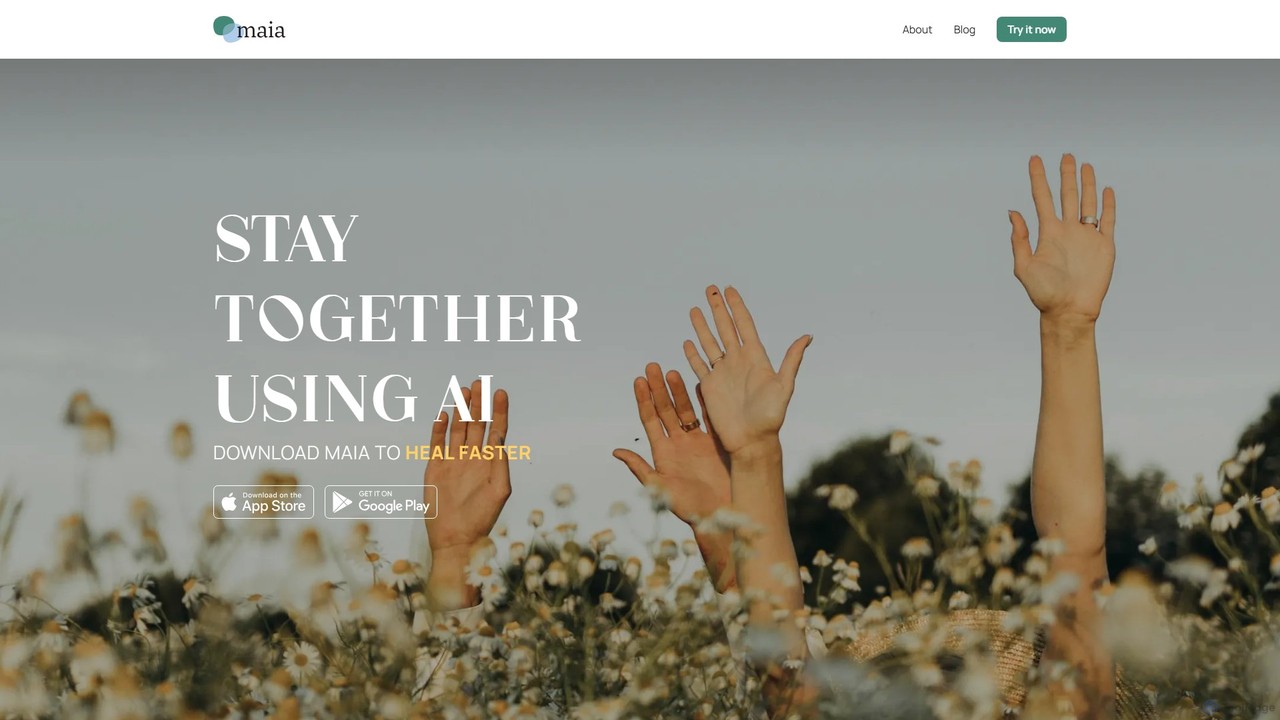
ourmaia is an AI-powered relationship app designed for couples. It acts as a 24/7 personal coach, helping partners improve communication, resolve conflicts, and strengthen their bond through AI-driven insights, conversation starters, and personalized activities. It uses both text and voice chat to provide tailored advice and support.

Mental Wellness
Visits 8.2KFavorites 125Likes 132

About Relationship Coaching

Relationship Coaching AI tools are designed to assist individuals and couples in enhancing their interpersonal connections and resolving relational challenges. These tools leverage advanced natural language processing and machine learning to analyze communication patterns, provide personalized guidance, and offer strategies for improving emotional intelligence and conflict resolution. They serve as accessible, private resources within the broader lifestyle category, empowering users to build stronger, healthier relationships through objective, data-driven insights.

Core Features

  • Personalized Guidance: Offers tailored advice and exercises based on individual relationship dynamics and user input.
  • Communication Analysis: Identifies communication patterns, suggests improvements for clearer expression and active listening.
  • Conflict Resolution Strategies: Provides structured frameworks and techniques to navigate disagreements constructively.
  • Emotional Intelligence Development: Helps users understand and manage their own emotions and those of their partners.
  • Relationship Skill Building: Delivers interactive prompts and exercises to practice empathy, trust, and boundary setting.

Use Cases

Individuals seeking to understand their own attachment styles and communication habits can use these tools for self-reflection. Couples facing recurring misunderstandings benefit from objective analysis and guided exercises to improve dialogue. They are also valuable for those preparing for significant relationship milestones, offering structured discussions on shared values and expectations.

How to Choose

When selecting an AI relationship coaching tool, consider its depth of personalization and how well it adapts advice to your specific situation. Evaluate its privacy and data security policies, given the sensitive nature of the information shared. Assess the communication modalities offered (text, voice, interactive exercises) and ensure the underlying methodology is based on established psychological principles for credible guidance.

Relationship Coaching use cases

1

Improving Couple Communication

Couples experiencing frequent misunderstandings or communication breakdowns can utilize AI relationship coaching tools to identify underlying patterns. The AI analyzes their dialogue, highlights areas for improvement, and suggests specific active listening techniques or constructive phrasing. This helps partners express their needs more clearly and understand each other better, fostering a more harmonious and effective exchange of ideas and feelings.

2

Navigating Relationship Conflicts

Individuals or couples struggling with recurring arguments can turn to AI coaching for structured conflict resolution. The tool guides users through identifying triggers, understanding different perspectives, and exploring various negotiation strategies. It provides a safe, neutral space to practice de-escalation techniques and develop healthier ways to address disagreements, moving towards solutions rather than prolonged disputes.

3

Building Self-Awareness for Healthier Dating

Singles or individuals in new relationships can leverage AI relationship coaching to gain deeper self-awareness. The AI prompts reflection on past relationship patterns, attachment styles, and personal values. By understanding their own emotional triggers and communication preferences, users can make more conscious choices in dating, attract compatible partners, and build foundations for healthier, more fulfilling connections.

4

Preparing for Major Relationship Milestones

Engaged couples or partners considering cohabitation can use AI coaching to proactively address critical topics. The tool facilitates structured discussions around finances, family expectations, career goals, and future planning. By systematically exploring these areas with objective prompts, couples can identify potential areas of misalignment and develop shared understandings, strengthening their bond before significant life changes.

5

Maintaining Long-Distance Relationship Vitality

Partners in long-distance relationships often face unique challenges in maintaining connection and intimacy. AI relationship coaching tools can offer creative solutions, such as generating personalized prompts for meaningful conversations, suggesting virtual date ideas, or providing strategies for managing loneliness and insecurity. This helps couples bridge the physical gap, ensuring their emotional bond remains strong and vibrant.

6

Enhancing Co-Parenting Communication

Divorced or separated parents can utilize AI relationship coaching to improve their co-parenting communication, focusing on the child's well-being. The AI provides guidance on setting clear boundaries, developing consistent communication protocols for child-related matters, and de-escalating potential conflicts. This fosters a more collaborative and less stressful environment for children, ensuring parental decisions are made constructively.

Relationship Coaching FAQ

What are AI Relationship Coaching tools?

AI Relationship Coaching tools are software applications that use artificial intelligence, primarily natural language processing and machine learning, to provide guidance and support for improving personal relationships. They analyze user input, communication patterns, and emotional cues to offer personalized advice, communication strategies, and conflict resolution techniques. These tools aim to enhance self-awareness, foster healthier interactions, and strengthen bonds, acting as an accessible and objective resource for relationship development.

How do I choose the best AI Relationship Coaching tool for me?

To choose the best AI relationship coaching tool, consider several factors. First, evaluate the depth of personalization: does it genuinely adapt to your unique situation, or offer generic advice? Second, prioritize privacy and data security, as you'll be sharing sensitive information. Third, assess the underlying methodology—is it based on established psychological principles? Finally, look at the interactive features, such as guided exercises, communication analysis, and the overall user experience, to ensure it aligns with your learning style and needs.

What specific relationship issues can AI coaching help with?

AI relationship coaching tools can assist with a range of common relationship issues. They are particularly effective in improving communication breakdowns by identifying patterns and suggesting clearer expression. They can also help with conflict resolution by offering structured approaches to disagreements. Furthermore, these tools aid in developing emotional intelligence, fostering self-awareness regarding personal relationship patterns, and providing guidance for major milestones like pre-marital discussions or navigating dating challenges. They serve as a proactive resource for skill-building.

How does AI Relationship Coaching differ from human relationship therapy?

AI Relationship Coaching differs from human therapy primarily in its approach and depth. AI tools offer accessibility, anonymity, and objective, data-driven insights, often available 24/7. They excel at identifying patterns and providing structured exercises. Human relationship therapy, conversely, provides deep empathy, nuanced understanding of complex emotional dynamics, and the ability to address severe trauma or mental health issues with ethical boundaries. AI coaching is best seen as a supplementary tool for skill development and self-reflection, not a replacement for professional human therapeutic intervention.

How effective is AI in improving relationship dynamics?

AI can be quite effective in improving relationship dynamics by providing objective insights, structured guidance, and practical exercises. It helps users identify communication patterns, develop emotional intelligence, and practice conflict resolution skills in a low-pressure environment. The effectiveness largely depends on the user's willingness to engage with the tool, apply the advice, and reflect on their own behaviors. While AI can significantly enhance self-awareness and skill-building, it is most beneficial for proactive development and less suited for deep-seated psychological issues or severe relationship dysfunction, where human intervention is often necessary.